

Antique Sterling Salt Cellars
These antique sterling salt cellars bring genuine period character to the dining table, offering miniature silver work from the eighteenth and nineteenth centuries.
Antique Sterling Salt Cellars
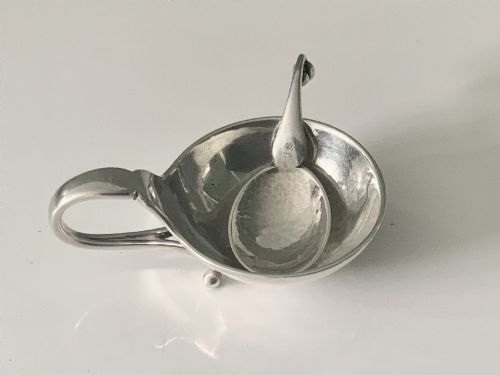
When you search for antique sterling salt cellars, you are looking at small open vessels designed to hold salt at the dining table before the invention of free-flowing table salt. The pieces found here span the eighteenth century and the Victorian period, originating from both English and American makers.
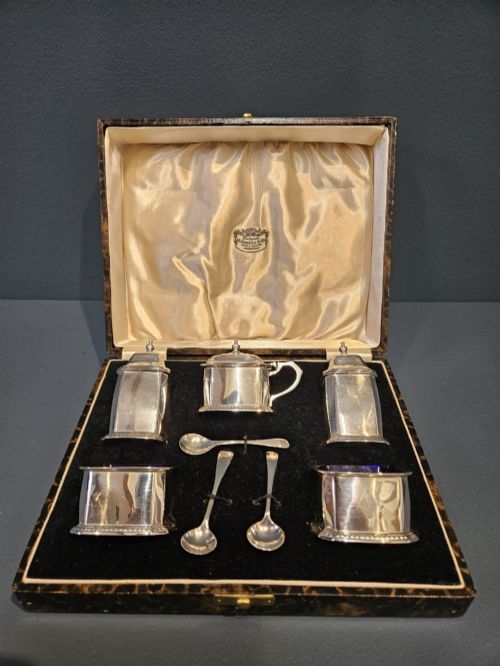
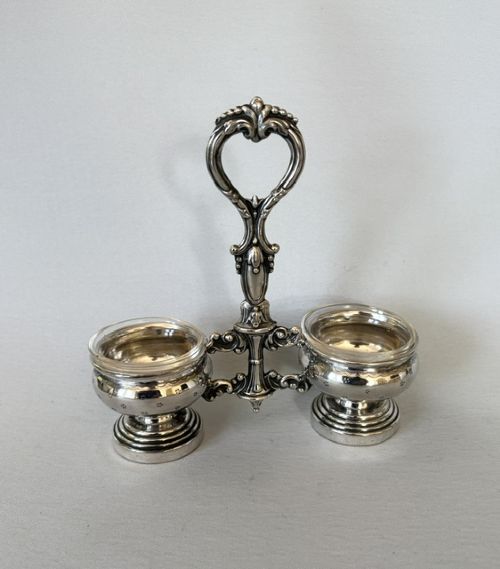
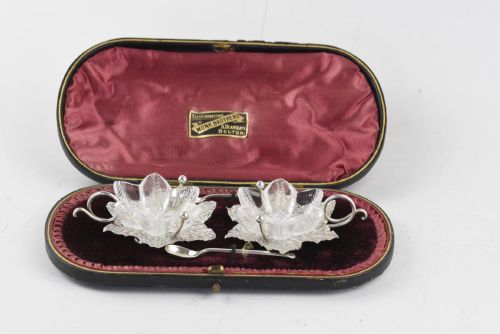
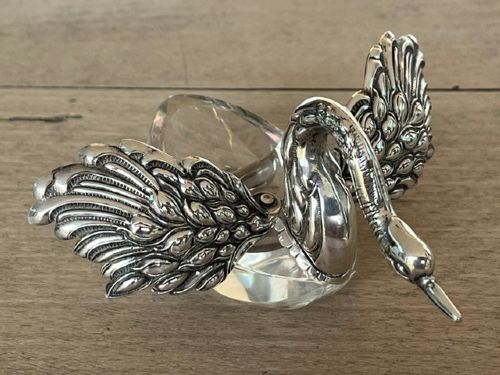
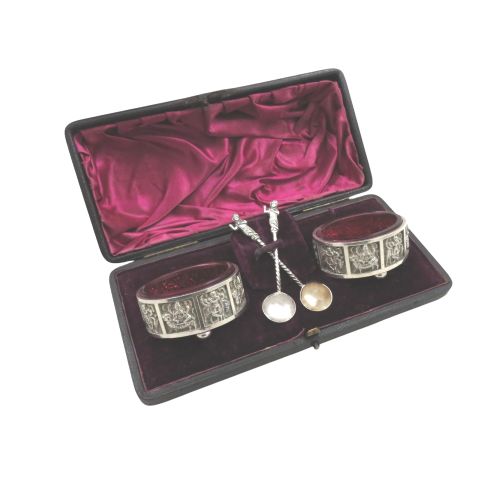
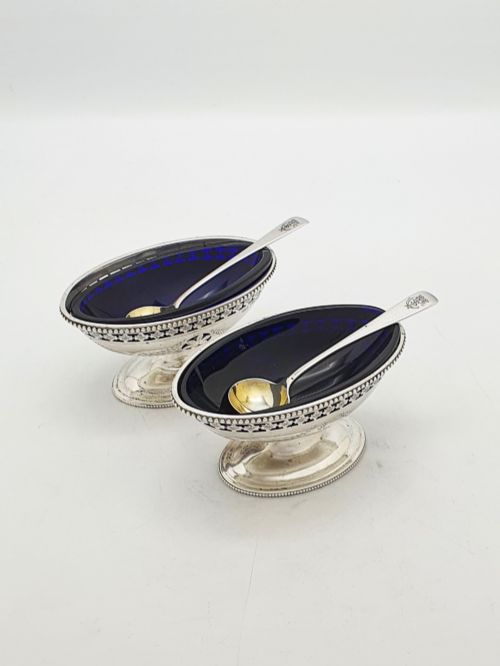
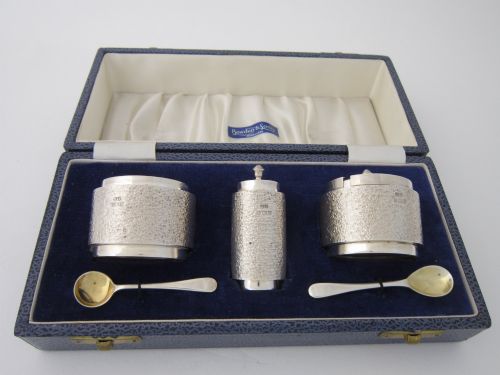
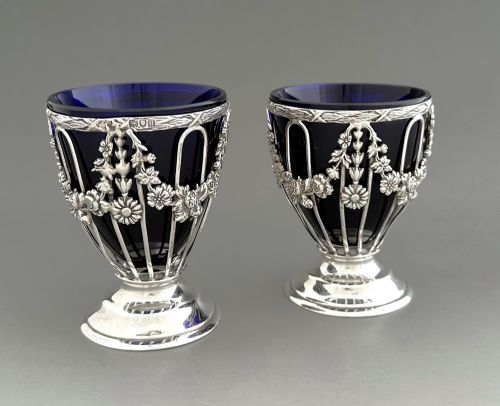
The forms vary significantly across the listings and archive records, ranging from early geometric trencher shapes to exuberant Victorian cauldron designs and scallop shell dishes. Buyers frequently encounter pairs or matched sets, often accompanied by their original spoons or fitted presentation cases.
These items served an essential function in grand dining, marking status and place settings across Georgian and Victorian households. Today, collectors value them for their diminutive scale, intricate smithing, and historical presence on the dining table.
Materials and Construction
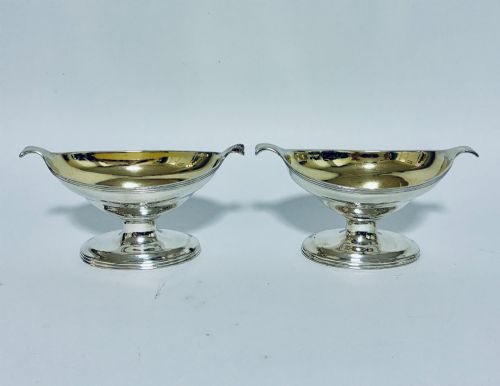
The primary material across the inventory is solid sterling silver, frequently accented with gold vermeil or silver gilt interiors to protect the metal from the corrosive nature of salt. Makers also utilised silver plate in certain domestic examples, shaped through traditional smithing and casting techniques.
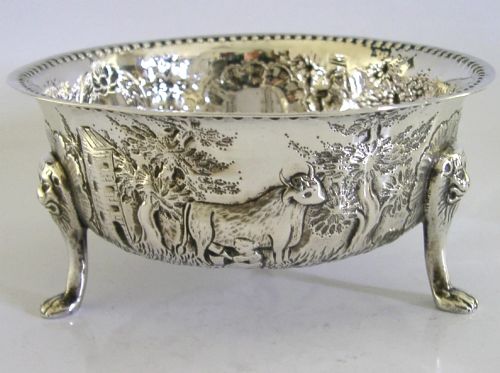
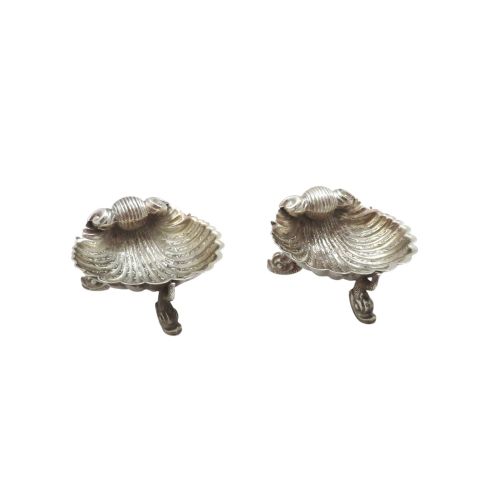
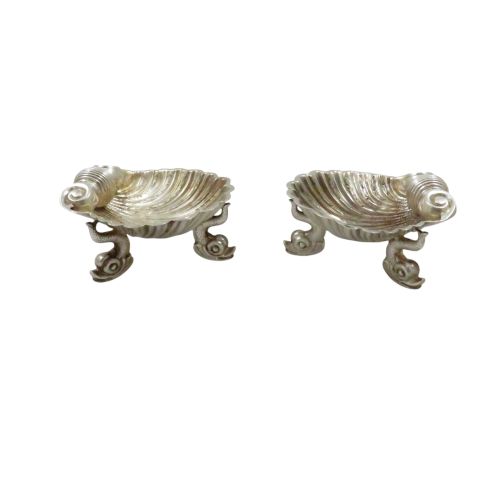
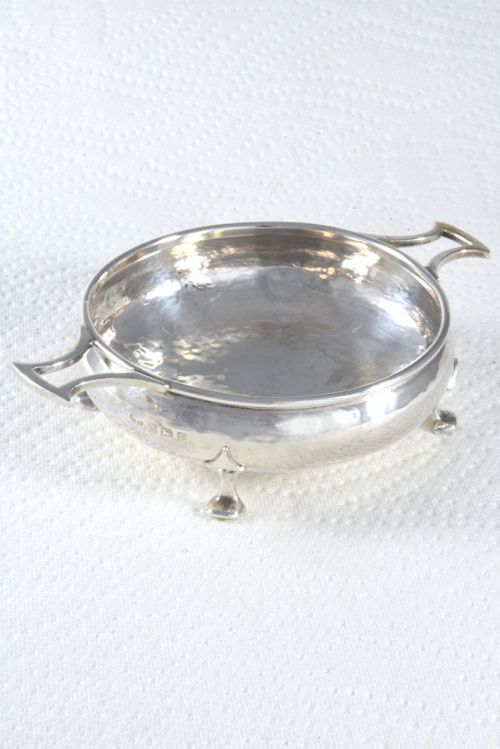
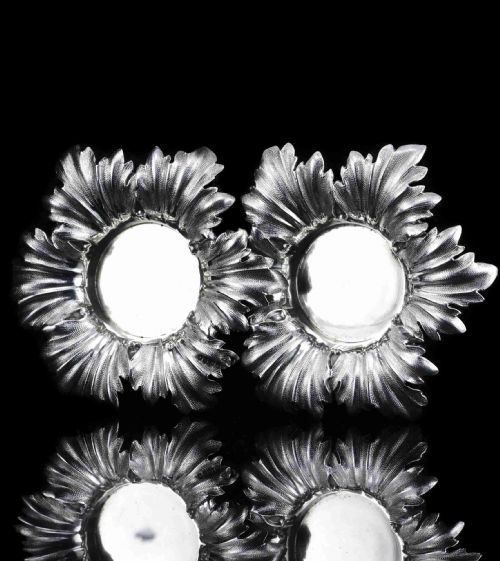
Construction methods include heavy cast bodies, as seen in trencher and cauldron forms, alongside chased and repoussé shell motifs. Many examples feature delicate applied borders, three-legged supports, or marine-inspired elements like dolphins holding shell bowls.
Victorian silversmiths occasionally cast salt cellars as marine dolphins supporting scalloped shells, bringing a touch of seaside theatre to the dining room.
Judging Quality
Quality in these miniature vessels rests upon crispness of detail in chased or cast decoration, such as the ridges of a scallop shell or the definition of animal feet. Thicker gauge silver provides a reassuring weight in the hand, distinguishing substantial dining silver from lighter decorative novelties.
The presence of matching sets and original silver gilt interiors elevates a piece, as does clear maker marking and assay stamps. Complete sets with matched spoons or original fitted cases show a higher level of original preservation.
David Hennell·Paul Storr·J T Younge·Walker & Crowder
The Antique Sterling Salt Cellars Glossary
- Trencher salt
- A heavy, often geometric salt cellar placed directly on the board during the seventeenth and eighteenth centuries before pedestal salts became popular.
- Silver gilt
- Sterling silver that has been coated with a thin layer of gold on the interior, preventing the salt from pitting the silver surface.
- Cauldron salt
- A small rounded salt cellar raised on three feet, closely resembling a miniature cooking pot in its silhouette.
- Repoussé
- A metalworking technique where the design is hammered into relief from the reverse side of the silver sheet.
Frequently Asked Questions
How were salt cellars used?
Diners used these open vessels to take pinches of salt using small spoons or their fingers, placing the condiment directly onto the side of their plate.
Wealthier households placed large master salts centrally, while smaller individual cellars sat beside each place setting.
How do I clean silver salt cellars?
Wash them gently in warm soapy water using a soft cloth, taking care to preserve any interior gold gilt lining.
Avoid harsh dips or abrasive polishes that can wear away crisp hallmarks and fine chased details.
Why do interiors have a gold colour?
The golden finish is silver gilt, created by applying a thin layer of gold over the sterling silver.
This barrier protects the reactive silver from being corroded by the salt stored inside.
How can I date my salt cellars?
English pieces typically feature hallmarks stamped into the metal, including date letters, maker marks, and assay office symbols.
Comparing these stamps against standard reference tables reveals the exact year of manufacture.