
Georgian Table Silver
Georgian table silver brings eighteenth-century craftsmanship to the dining room through sterling silver flatware, salt cellars, and condiment vessels.
Identifying Georgian Table Silver
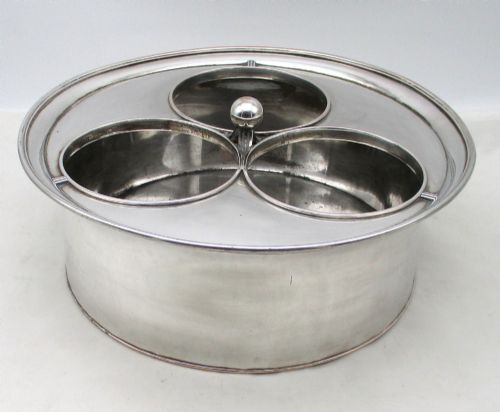
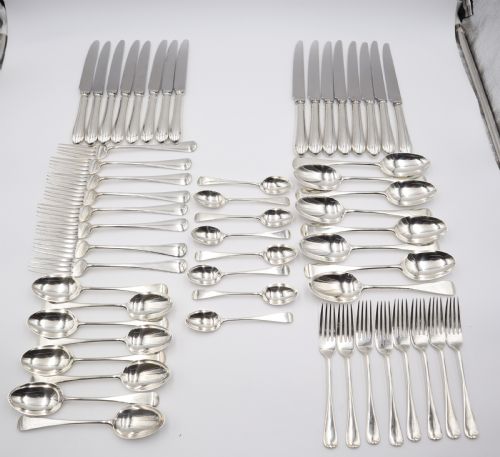
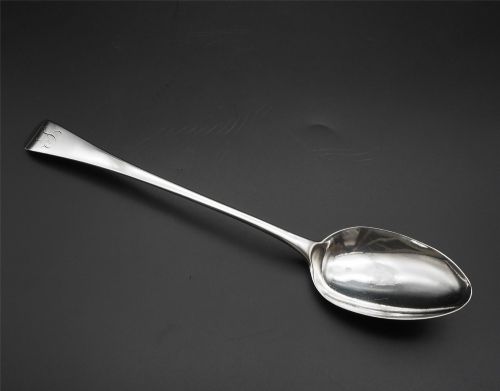
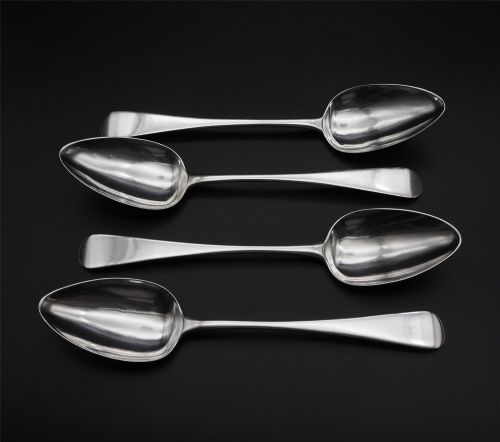
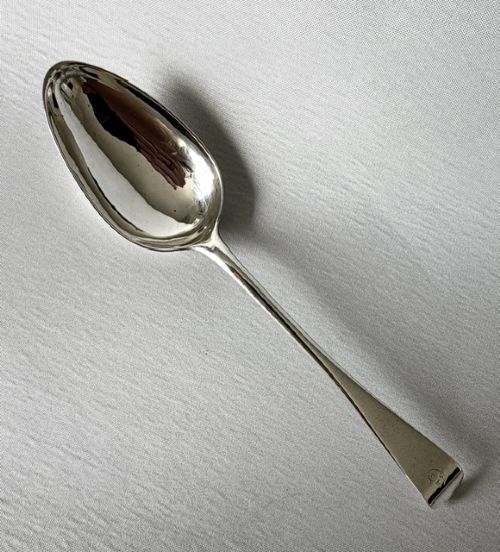
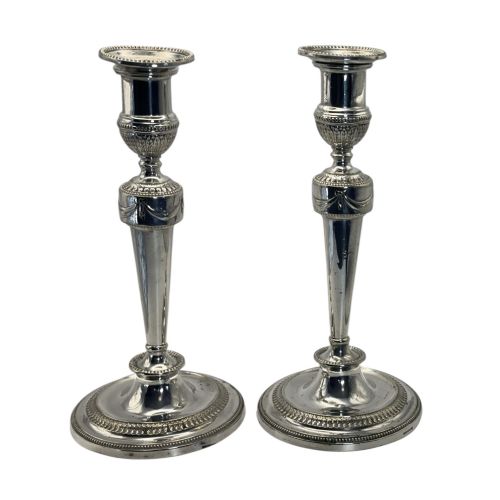
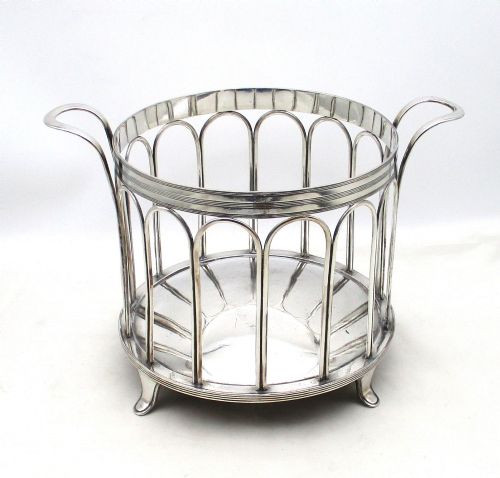
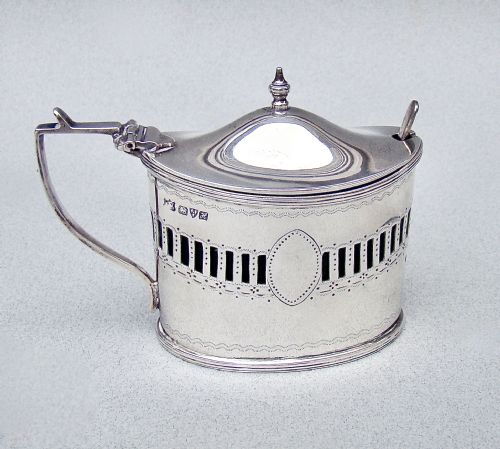
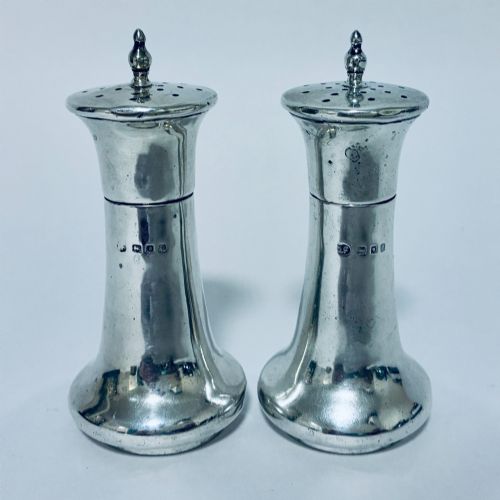
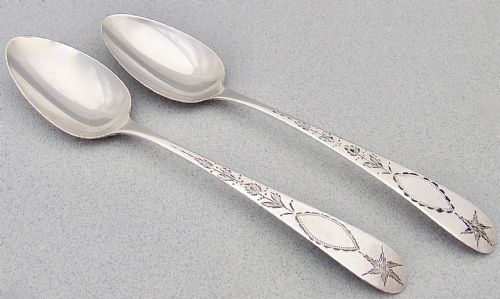
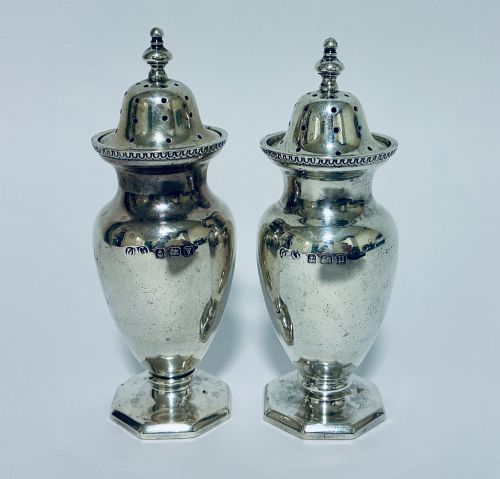
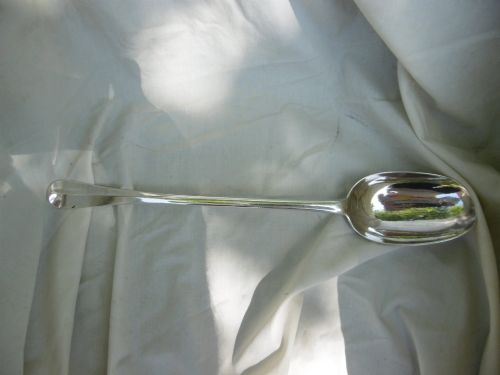
Georgian table silver comprises items made during the eighteenth century and the reigns of the Georges, focusing specifically on functional dining pieces rather than decorative furniture. Buyers inspecting this phrase encounter sterling silver spoons, soup ladles, gravy straining spoons, casters, mustard pots, and candlesticks.
The objects stem from periods including 1750, 1800, and the broader 18th century, with styles designated as George II and George III. Flatware frequently displays patterns such as Old English, while hollowware and serving vessels reflect the distinct design priorities of Georgian silversmiths.
Materials and Construction
Items in this category are fashioned primarily from sterling silver, with select pieces featuring silver gilt. Silversmiths utilised traditional forging, casting, and hammering techniques to shape spoons, salt cellars, and candlesticks from solid metal.
Makers incorporated piercing, engraving, and applied borders to achieve decorative depth on surfaces like mustard pots, casters, and straining spoons. Hallmarks struck directly into the metal record the assay office, date letter, and maker's mark.
Retail Price Guide 2026
Typical UK retail prices for georgian table silver, calculated from the Sellingantiques database of over a million retail prices indexed since 2003. This retail price guide relies exclusively on Sellingantiques data; no external sources or auction records are used, so the figures do not describe the wider market.
Georgian dining involved passing heavy silver casters around the table for sugar, ensuring guests seasoned their dishes with style.
Distinctions in Quality
Quality in these items rests on the crispness of the original hallmarks, the retention of original form without excessive thinning from polishing, and the clarity of any engraved decoration. Pieces retaining their structural integrity and heavier gauge silver command greater interest among collectors.
Design execution also separates standard production from finer output, visible in the balance of a candlestick pair, the precision of pierced work on a mustard pot, or the proportion of a soup ladle bowl to its handle.
David Hennell·Charles Alchorne·Paul Storr·Hampston Prince and Cattles·David Willaume·Goldsmiths Co·John Douglas·Charles Houghman·Henry Day·Edward Edwards·Thomas Edwards·Nathaniel Mills·Thomas Shaw·Rebecca Emes and Edward Barnard
The Georgian Table Silver Glossary
- Sterling silver
- An alloy containing 92.5 percent silver by weight, used for the vast majority of these dining pieces. It provides the necessary durability for daily dining use.
- Old English pattern
- A traditional flatware design featuring a plain, downward-curving rounded end handle. This style appears frequently on Georgian spoons.
- Silver gilt
- Sterling silver that has been coated with a thin layer of gold on the surface. This technique creates a rich two-tone effect, particularly on interior bowls.
- Trencher salt
- An open salt cellar designed to sit directly on the dining table rather than on a raised foot. Early examples display substantial gauge metalwork.
- Caster
- A small perforated vessel used for sprinkling sugar or dry condiments over food. These containers often feature removable pierced tops secured by a bayonet joint.
Frequently Asked Questions
What is georgian table silver?
Georgian table silver encompasses items made for dining during the eighteenth century and the reigns of George II and George III. The category covers sterling silver flatware, salt cellars, condiment vessels, and candlesticks.
These pieces were produced by silversmiths working within London and provincial centres, marked by distinct regional hallmarks and stylistic evolution across the decades.
How do I date these pieces?
Dating relies on the hallmarks stamped directly onto the sterling silver surface, which record the assay office and a specific date letter corresponding to the year of manufacture. Stylistic indicators like Old English flatware patterns or George II proportions also offer guidance.
Reference tables match the stamped letter shapes to specific assay years, allowing collectors to establish precise production periods.
How were salt cellars used?
Salt cellars held loose salt on the dining table before the invention of individual shakers. Guests used small spoons or pinched salt directly from open vessels like trencher salts.
Pairs or sets of these cellars were placed symmetrically along the dining table to serve diners throughout the meal.
How do I care for silver?
Silver requires gentle cleaning with dedicated silver polish and soft cloths to remove tarnish without abrading the metal surface or wearing down hallmarks. Regular handling and use actually help prevent heavy tarnish buildup.
Storage in dry environments away from direct sunlight protects the metal from rapid oxidation and preserves the original finish.