



Vintage Silver Open Salts
Vintage silver open salts are small tableware vessels designed to hold loose salt on the dining table, offering both decorative charm and tactile elegance.
Vintage Silver Open Salts
Vintage silver open salts are table salt cellars that lack a shaker top, requiring diners to pinch the salt or use a tiny spoon. You will most frequently encounter pairs or matched sets dating from the Victorian, Edwardian, and mid-twentieth-century periods.
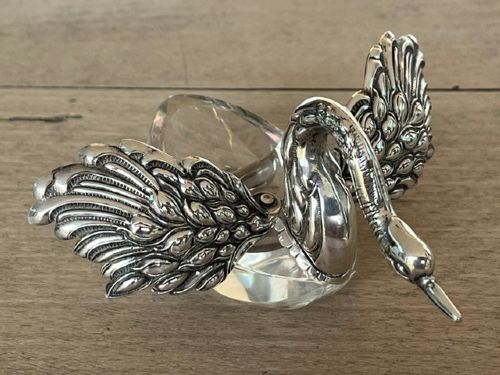
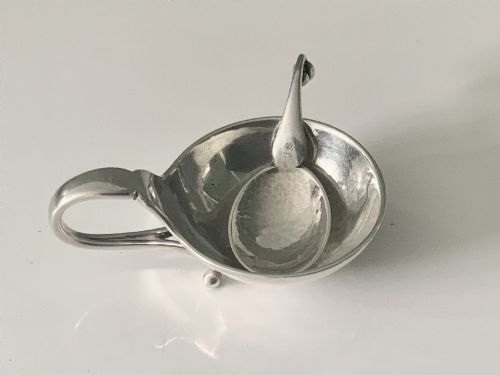
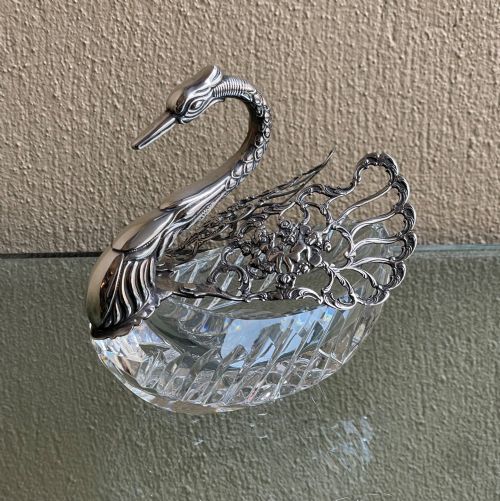
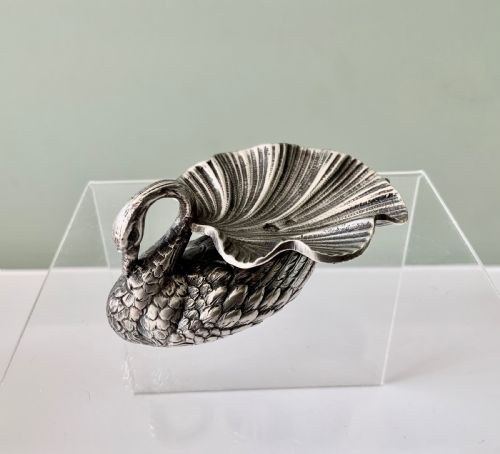
The forms range from traditional circular dishes and novelties shaped like swans or quaichs to cut glass bowls mounted in sterling or silver plate. They often sit alongside cruet sets or condiment sets on the dining table.
Makers utilised various materials including sterling silver, silver plate, and crystal, frequently pairing the metal with cobalt glass or velvet linings. These pieces reflect shifting dining fashions from the eighteenth century through to the 1960s.
Materials and construction
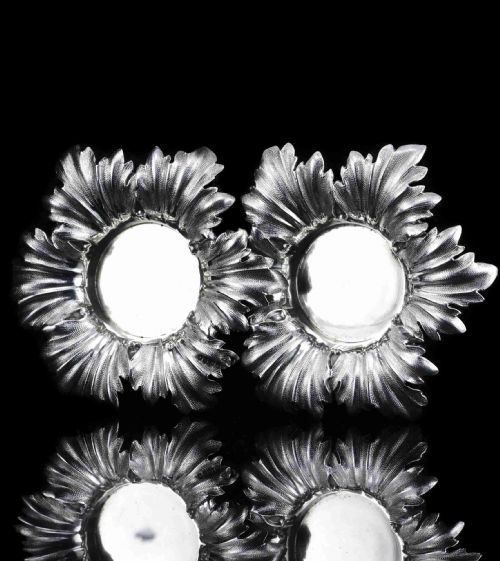
Silversmiths formed these vessels using solid sterling silver or applied silver plating over base metals, often employing chased decoration to create intricate foliate patterns on the exterior walls.
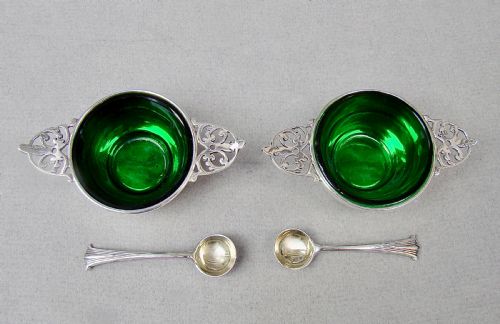
Many designs incorporate glass components, pairing cut crystal or cobalt glass liners with silver mounts to hold the salt securely without tarnishing the metal directly.
Specialist manufacture extends to novelty pieces, such as swan salts featuring movable wings, and fitted presentation cases designed to house sets of four salts complete with matching spoons.
The listings span multiple eras from the eighteenth century through to the 1960s, incorporating sterling silver, crystal, and cobalt glass.
Factors of quality
Quality rests heavily on the weight of the silver and the crispness of any chased or embossed detailing, distinguishing mass-produced wares from master silversmith output.
The presence of undamaged original glass liners, particularly deep cobalt vessels or cut crystal, elevates the integrity of a set.
Completeness dictates much of the value, as matched sets of four salts accompanied by their original fitted cases and matching spoons remain significantly scarcer than stray single pieces.
Georg Jensen·Barnards·Josiah Williams & Co
The Vintage Silver Open Salts Glossary
- Open salt
- A small vessel designed to hold loose table salt without a perforated lid, used alongside a miniature spoon or for pinching.
- Cobalt glass
- A deep blue glass frequently used for removable liners inside silver open salts to provide a striking visual contrast.
- Quaich
- A traditional shallow two-handled drinking vessel, occasionally emulated in miniature form as a novelty salt cellar.
- Chasing
- A metalworking technique where the silversmith pushes the metal from the front using hammers and punches to create raised decorative patterns.
- Cruet set
- A matched group of small condiment containers holding items such as salt, pepper, mustard, and vinegar for the dining table.
Vintage Silver Open Salts: Frequently Asked Questions
How were open salts used at the table?
Guests used a tiny spoon or pinched the salt directly from the open dish to season their food individually before the widespread adoption of salt shakers.
They were placed at intervals along the dining table, often as pairs or matching sets within formal table settings.
Why do some salts have glass liners?
Glass liners protected the silver metal from corrosive chemical reactions caused by direct contact with salt over long periods.
Cobalt glass inserts also provided a decorative colour contrast beneath pierced or openwork silver frames.
How do I clean tarnished silver salts?
Use a soft microfibre cloth with dedicated silver polish, taking care around delicate glass inserts and intricate chased details.
Avoid harsh scrubbing or submerging pieces with velvet or glued components in water to preserve the original structure.
Are novelty silver salts collectible?
Novelty forms shaped like swans or traditional quaichs attract strong collector interest due to their imaginative design and sculptural appeal.
These whimsical pieces often transcend standard tableware functions to act as decorative display objects.