
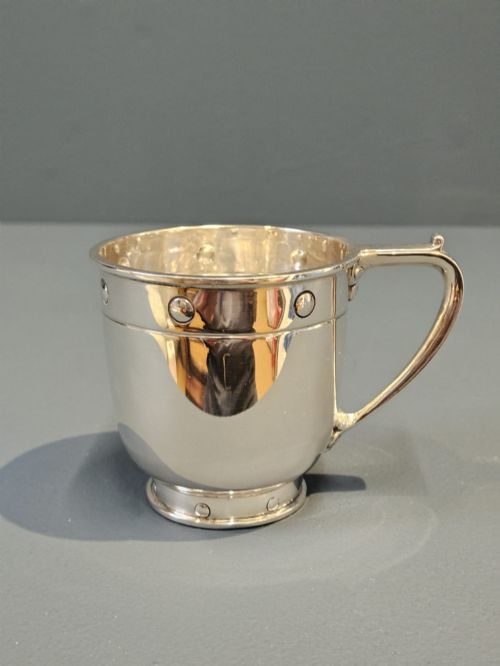
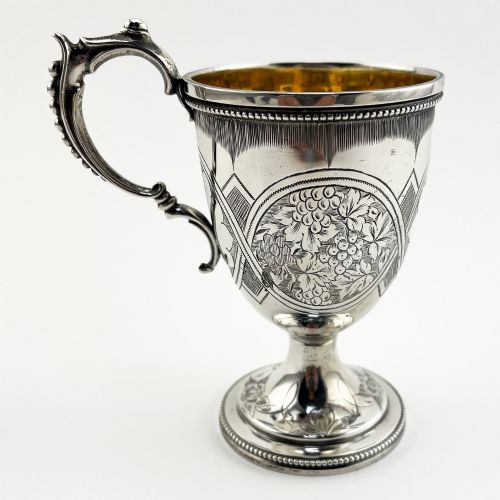
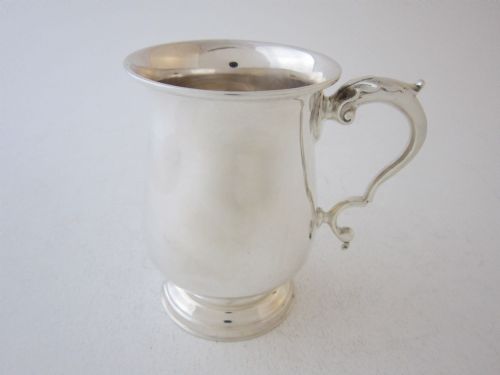
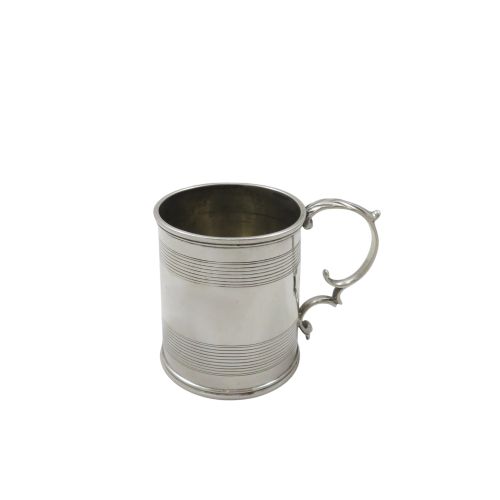

Antique Sterling Silver Tankard
An antique sterling silver tankard brings centuries of drinking tradition to the table, offering solid metal heft and classic form for daily use or display.
Identifying an antique sterling silver tankard
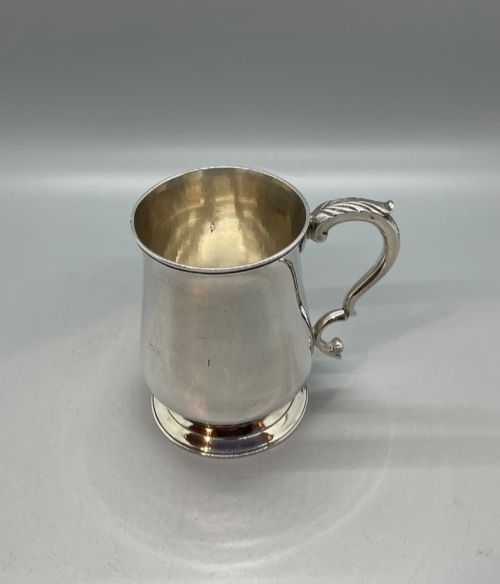
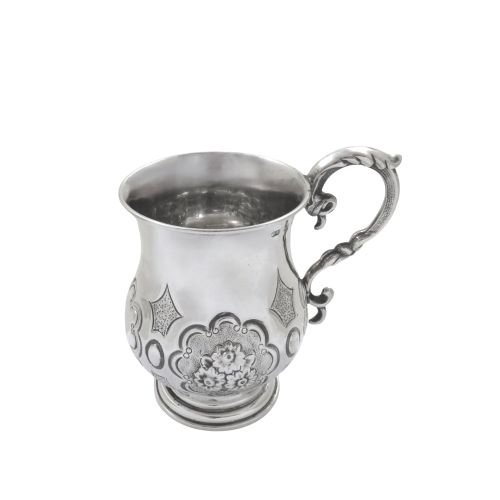
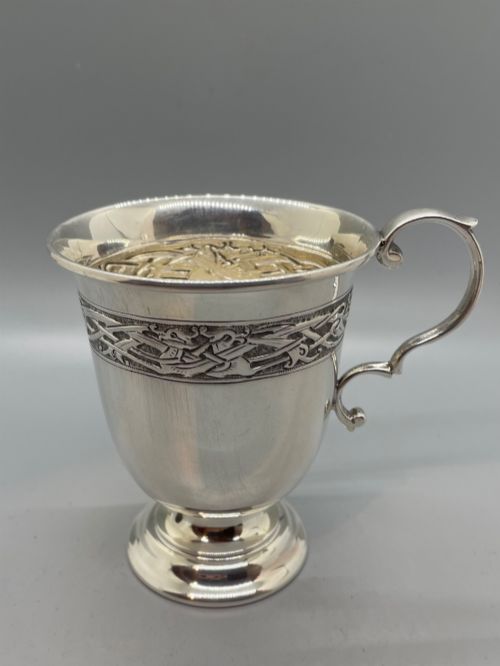
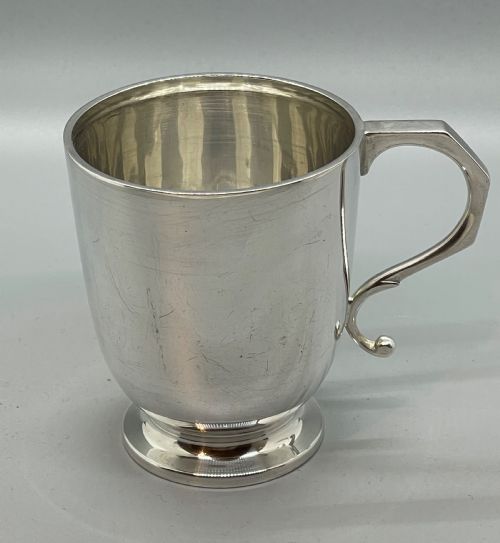
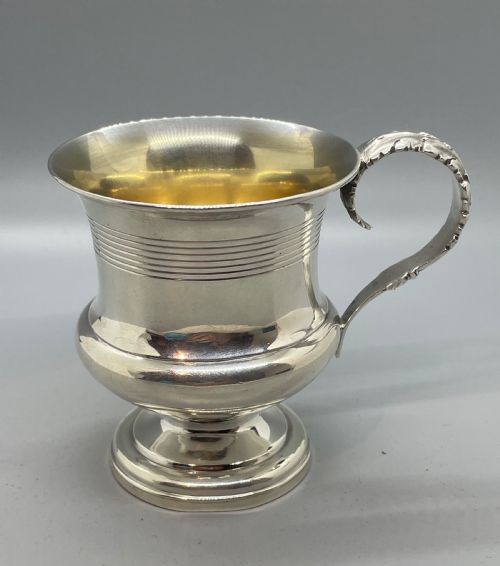
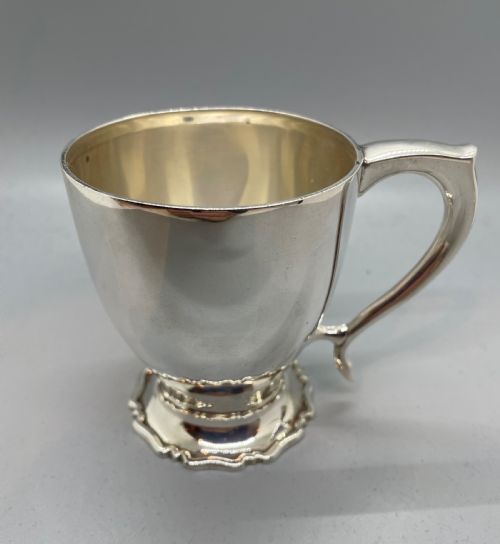
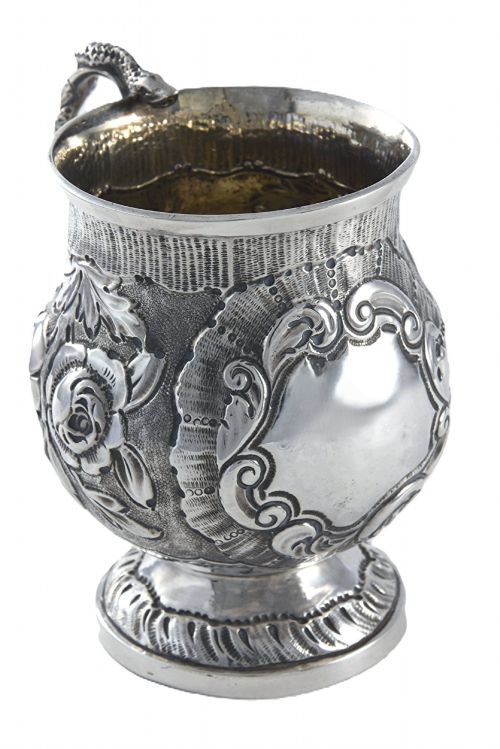
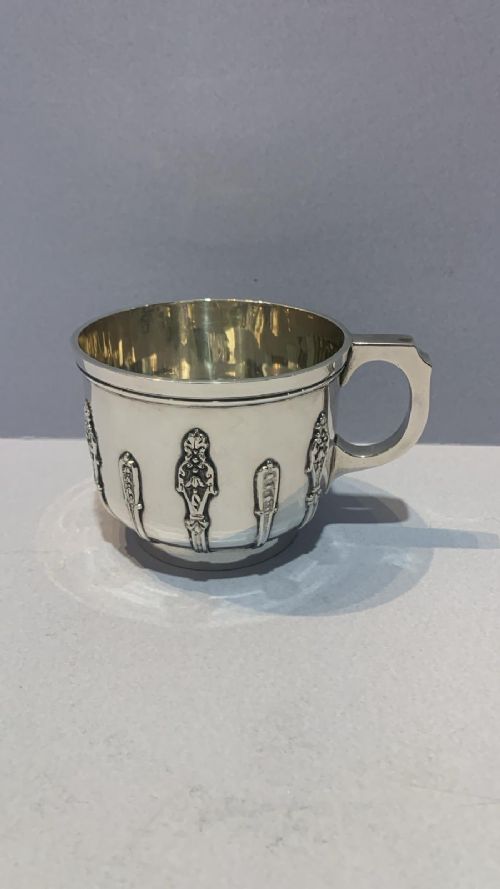
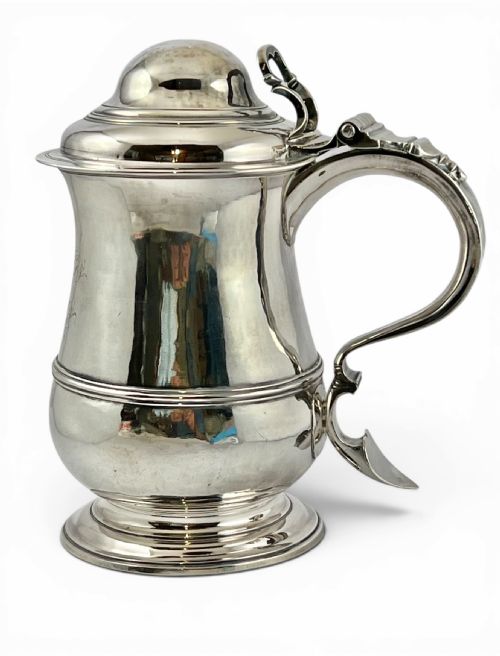
When you search for an antique sterling silver tankard, you are looking at drinking vessels that span the eighteenth, nineteenth and twentieth centuries. These pieces cross several domestic categories, serving as pint tankards, half-pint mugs and child or christening mugs.
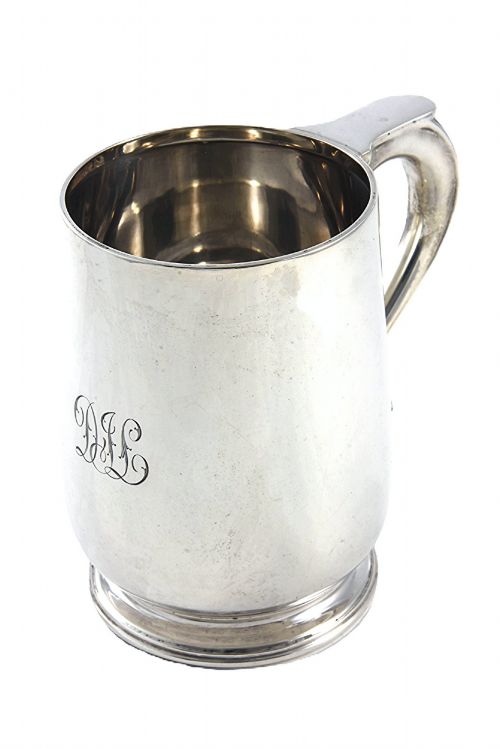
The versions most common on this page are Georgian, Victorian and twentieth-century pint vessels. Many examples double as christening mugs, while others function purely as barware or display cups.
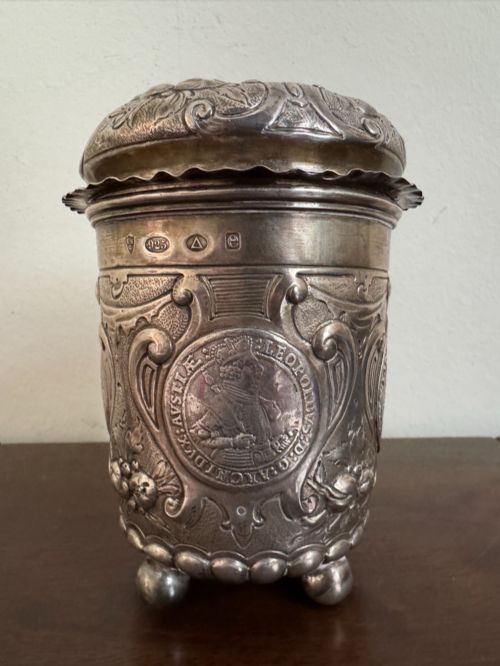
Origins stretch across various assay offices, including London, Newcastle and Exeter. Pieces range from plain bodies to heavily engraved surfaces bearing crests and initials.
Judging quality in silver tankards
Quality rests in the gauge of the silver and the crispness of the hand engraving. Heavier metal provides a substantial feel in the hand, separating standard utility pieces from more prestigious examples.
The balance of the handle against the body and the clarity of the hallmarks indicate the care taken by the maker. Superior pieces maintain clean lines and crisp armorial crests without thinning from excessive polishing.
Retail Price Guide 2026
Typical UK retail prices for sterling silver tankard, calculated from the Sellingantiques database of over a million retail prices indexed since 2003. This retail price guide relies exclusively on Sellingantiques data; no external sources or auction records are used, so the figures do not describe the wider market.
Listings and past archives record solid sterling silver tankards spanning from the Georgian period through the Victorian era and into the twentieth century.
Garrards
The Antique Sterling Silver Tankard Glossary
- Sterling silver
- A silver alloy containing 92.5 percent pure silver and 7.5 percent other metals, usually copper, chosen for durability.
- Assay office
- An official body that tested precious metals and stamped items with hallmarks to guarantee the purity of the silver.
- Christening mug
- A small presentation mug, frequently handled as a tankard, given to mark the birth or baptism of a child.
- Barware
- Vessels and implements designed for serving and consuming alcoholic drinks, encompassing pint tankards and drinking mugs.
- Crest
- An armorial design or family badge engraved onto the surface of the silver to denote ownership or lineage.
Frequently Asked Questions
What is an antique sterling silver tankard used for?
These vessels were originally made for consuming ale, beer or other drinks in domestic settings and taverns. Today they serve as display pieces, barware, or traditional christening gifts.
Many examples function well for daily use on the dining table or as decorative items on a sideboard.
How do I know the date of my tankard?
British silver carries hallmarks that identify the assay office, the maker and the exact year of production. A date letter stamp corresponds to specific archival records for that city.
Additional clues come from the overall style of the handle and the form of the body, which changed across the Georgian and Victorian eras.
What is the difference between a tankard and a mug?
In historical silver terminology, the words tankard and mug often overlap in listings and descriptions. Generally, tankards imply larger drinking vessels with sturdy handles, sometimes featuring lids or glass bottoms.
Mugs usually refer to smaller open-topped vessels, such as the half-pint sizes and christening cups found in the archive.
How should I clean silver tankards?
Sterling silver requires gentle cleaning with a specialised silver cloth or a mild, non-abrasive polish to remove tarnish. Avoid harsh scrubbing that can wear away hand engraving or weaken hallmarks.
Store the vessel in a dry environment to slow the natural oxidation process of the metal.