


Silver Baluster Mug
A silver baluster mug is a stout drinking vessel with a curved, swelling profile, prized for its tactile weight and domestic history.
What these pieces are
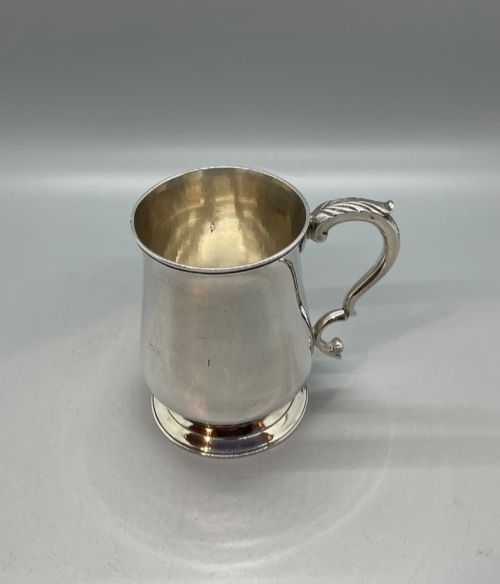
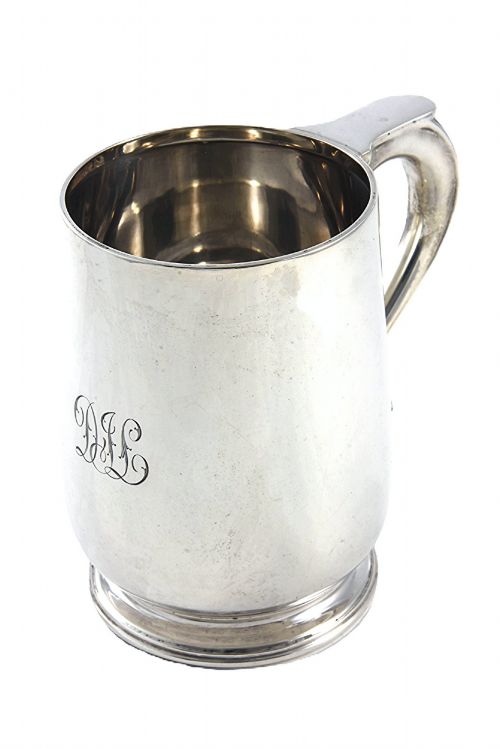
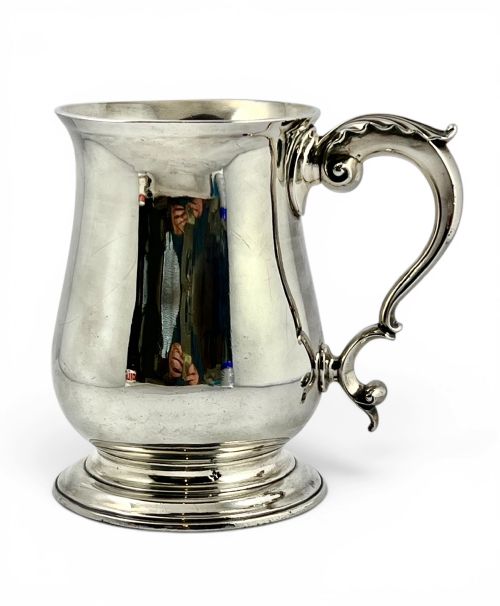
A silver baluster mug is defined by its characteristic swelling body that tapers toward the foot and flares at the rim, creating a pleasing silhouette for the hand. These vessels serve domestic functions ranging from small christening cups to larger half pint and pint beer mugs used across Georgian and Victorian households.
The versions most frequently encountered on this page date from the eighteenth and nineteenth centuries, spanning George II, George III, and Victorian periods. Makers shape them in solid sterling silver or utilise Old Sheffield plate over a copper base, maintaining traditional drinking forms.
How they were made
Silversmiths shape sterling silver into the characteristic swelling form through hammering and raising techniques, often mounting the body on a footed base. Cast scroll handles are then securely attached to the side, providing a sturdy grip for the drinker.
Makers enhance the surfaces of these mugs using varied decorative methods including chased rococo flowers, floral cut card work, and engraved garlands. Pieces executed in Old Sheffield plate combine copper and silver layers to achieve the appearance of solid metal at a different weight.
Materials recorded across these drinking vessels include sterling silver, Old Sheffield plate, and copper.
What varies in quality
The distinction between standard domestic production and superior craftsmanship lies in the weight of the metal and the crispness of the chased decoration. Solid sterling silver vessels with substantial gauge metal hold their form better over centuries than lighter pieces.
Handle attachment and the balance of the swelling baluster profile determine the overall harmony of the mug. Finer examples display carefully detailed scroll handles and hand-engraved motifs that complement the curves of the body without crowding the surface.
Richard Morton·Emes & Barnard·James Dixon & Son·Gabriel Sleath·George Smith II
The Silver Baluster Mug Glossary
- Baluster
- A architectural shape resembling a pillar or vase, featuring a swelling lower portion that tapers upward. This profile gives the mug its name and comfortable handheld weight.
- Old Sheffield Plate
- An early fused plating technique where a thin sheet of sterling silver is fused to a thicker copper core. This method creates durable tableware with silver surfaces and exposed copper edges.
- Chasing
- A metalsmithing technique where designs are hammered into the front surface of the silver from the outside, pushing the metal inward to create raised floral and scroll patterns.
- Christening Mug
- A small presentation cup traditionally given to mark the baptism of a child. These smaller vessels often feature engraved names, dates, or floral garlands.
- Scroll Handle
- An S-shaped curved handle cast and soldered to the side of a drinking vessel. It offers a secure grip that matches the swelling curves of the body.
Frequently Asked Questions
How do I clean a silver baluster mug?
Clean sterling silver mugs using a soft cloth and specialised silver polish designed to remove tarnish without scratching the metal. Avoid harsh abrasive cleaners that can wear away engraved floral details and chased decoration over time.
Rinse the vessel thoroughly in warm water and dry it immediately with a lint-free cloth to maintain the bright finish. Old Sheffield plated pieces require extra care to avoid wearing through the thin silver layer down to the copper base.
Were these mugs used for beer or children?
These vessels served multiple domestic purposes, functioning as adult beer mugs and tankards alongside smaller child or christening cups. Pint and half pint sizes accommodated daily ale consumption at the table before lighter glass drinking vessels became common.
Smaller examples often commemorated births and christenings, serving as presentation pieces that families kept as heirlooms rather than everyday drinking cups.
How can I tell the period of a mug?
Dating relies primarily on hallmarks stamped into the silver, which record the assay office, the maker's mark, and a date letter corresponding to the year of manufacture. Georgian pieces generally display distinct maker marks and monarch duty marks from the eighteenth century.
Stylistic shifts also help separate periods, as eighteenth-century examples favour plain baluster forms or light chasing, while Victorian pieces often feature heavier rococo floral engraving and cast scroll handles.
What is Old Sheffield plate?
Old Sheffield plate is an eighteenth-century composite material created by fusing a thin sheet of sterling silver to a thick copper core under high heat. This inventive process produced affordable tableware that possessed the appearance and utility of solid silver.
Close inspection often reveals thin lines of exposed copper along the rims or edges of these plated vessels, which distinguishes them from solid sterling silver pieces.