

George III Silver Cup
A george iii silver cup is a Georgian drinking vessel in sterling silver or silver gilt that brings eighteenth-century craftsmanship straight to your table.
What they are
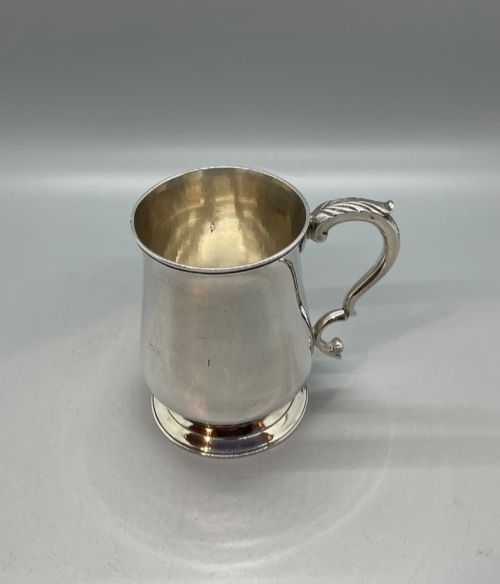
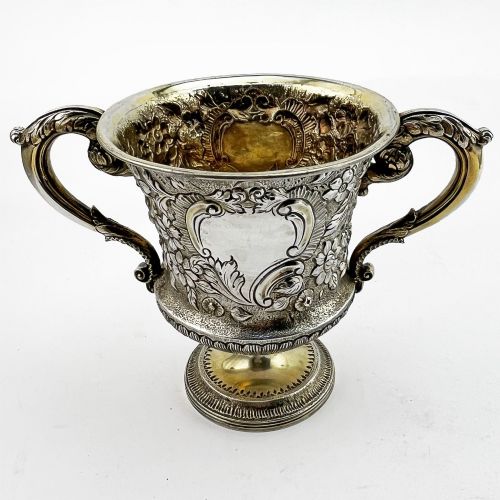
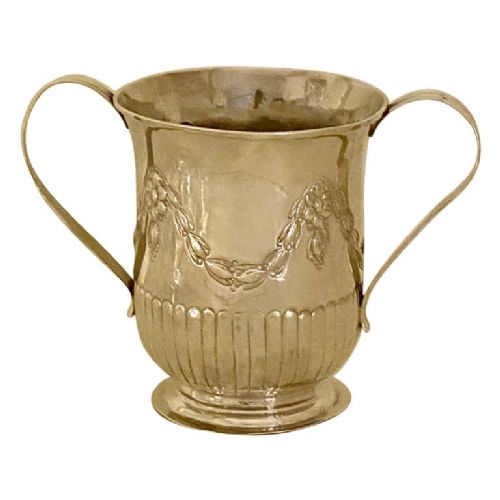
When you search for a george iii silver cup, you encounter a variety of forms dating from the eighteenth century. The selection includes christening mugs, two-handled campana-shaped vessels, porringers, trophy loving cups, wine goblets, egg cups, beakers, and tumbler cups.
Makers working in London, Edinburgh, and other centres produced these items in sterling silver and silver gilt. The period encompasses utilitarian drinking vessels alongside decorative presentation pieces.
You are most likely to meet two-handled loving cups, christening mugs, and small drinking vessels bearing Georgian hallmarks. Each piece reflects the functional domestic and ceremonial needs of the late seventeen-hundreds.
How they were made
Silversmiths of this era utilised sterling silver as the primary material, occasionally applying silver gilt to the interior or exterior surfaces for a rich, golden finish. Items like campana-shaped cups and twin-handled porringers required skilled raising, shaping, and joining techniques.
Hollowware forms such as mugs, tankards, and beakers started as flat sheets of silver that were hammered over stakes into hollow vessels. Handles, feet, and rims were cast separately and soldered securely to the main body before hallmarking.
Listings feature sterling silver and silver gilt items from the eighteenth century, including mugs, tankards, porringers, and trophy cups.
What varies in quality
Quality in a george iii silver cup rests on the crispness of the original chasing, the weight and balance of the metal, and the clarity of the hallmarks. Pieces by notable silversmiths often display superior proportions and finer hand-finished details.
The survival of original gilding on silver gilt examples and the integrity of applied handles distinguish standard domestic items from exceptional presentation pieces.
Patrick Robertson·Abraham Peterson and Peter Podio·John Emes·Thomas Wallis
The George III Silver Cup Glossary
- Sterling silver
- A silver alloy containing 92.5 percent pure silver and 7.5 percent other metals, usually copper. This standard composition provided the necessary durability for eighteenth-century drinking vessels.
- Silver gilt
- Sterling silver that has been coated with a thin layer of gold. This technique added a luxurious finish and protected the silver from tarnishing.
- Campana
- A bell-shaped vessel with an everted rim, popular for neoclassical decorative cups. This classical silhouette appeared frequently in Georgian silver design.
- Porringer
- A small, deep bowl with one or two flat handles, used for porage or broth. Eighteenth-century examples often functioned as decorative or christening pieces.
- Hallmark
- An official stamp applied to precious metals indicating the standard of purity, the assay office, and the date letter. These marks allow collectors to verify the origin and exact year of manufacture.
Frequently Asked Questions
How were these cups used?
These vessels served various practical and ceremonial functions in eighteenth-century households. Some acted as everyday drinking vessels for wine, brandy, or beer.
Others functioned as christening gifts, gambling cups, or trophy loving cups for competitive events. Many survived as cherished display pieces.
How do I read the hallmarks?
Hallmarks on Georgian silver typically include a maker's mark, a standard mark indicating sterling purity, a town mark, and a date letter. These symbols identify who made the piece and where it was assayed.
Consulting hallmark tables allows you to determine the exact year a cup was hallmarked in cities like London or Edinburgh.
Are silver gilt cups different?
Silver gilt cups feature a layer of gold applied over the sterling silver surface. This treatment gave the metal a warm, golden appearance while retaining the structural properties of silver.
Silversmiths often utilised gilding on the interior of drinking vessels to prevent acidic liquids from reacting with the silver.