



Edwardian Silver Gift
Edwardian silver gift pieces bring charm and utility together, offering lasting metalwork for special occasions.
Edwardian Silver Gift
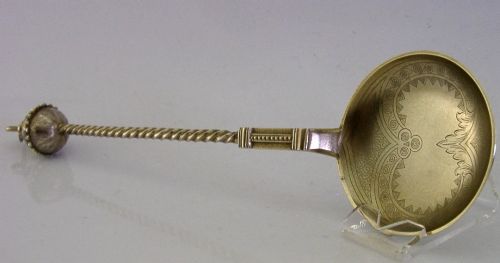
When searching for an Edwardian silver gift, buyers encounter a diverse selection of items originally intended for milestones, daily use, or personal adornment. These pieces span christening sets, napkin rings, vesta cases, and desk accessories designed to mark significant life events.
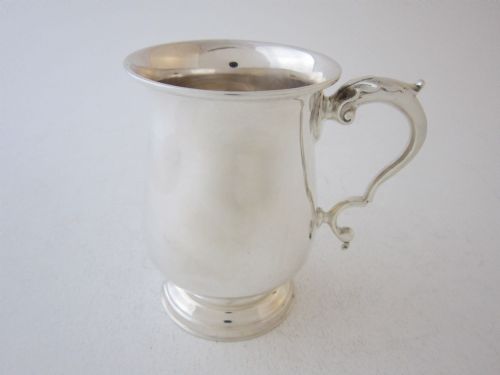
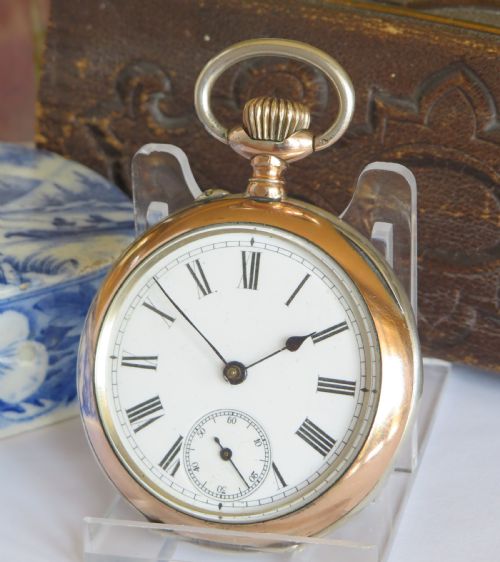
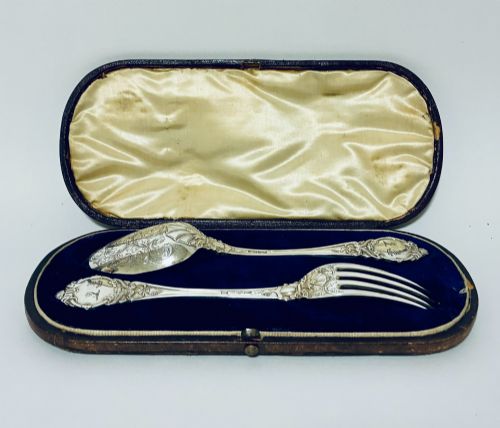
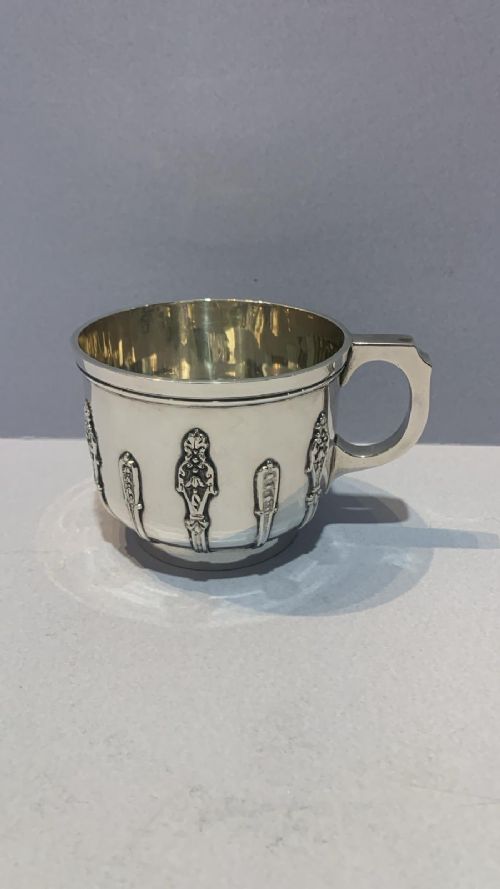
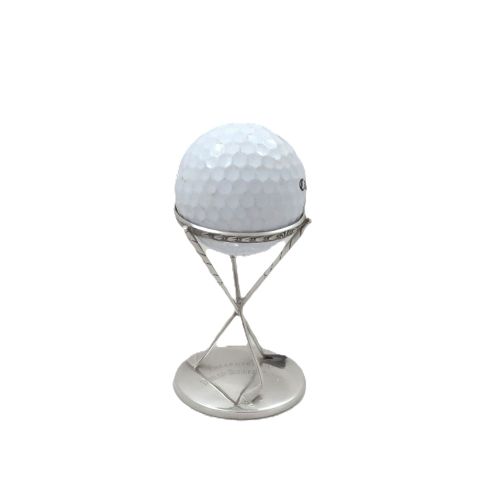
The objects on this page largely originate from the Edwardian period alongside adjacent Victorian and George V years. Common forms include christening mugs, boxed cutlery sets, pocket watches, and novelty items like golf ball stands or miniature watering cans.
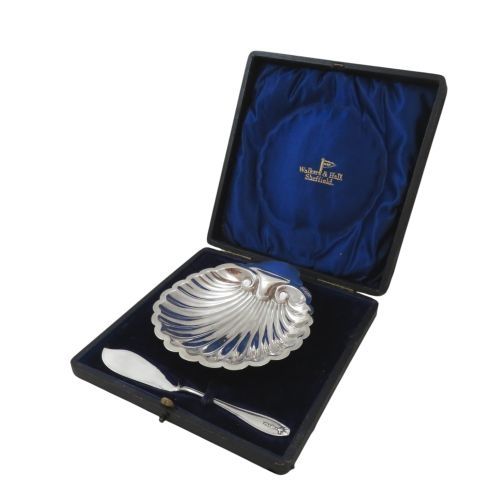
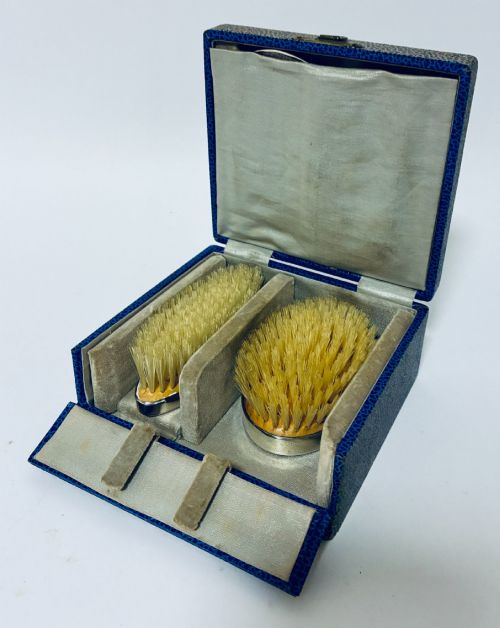
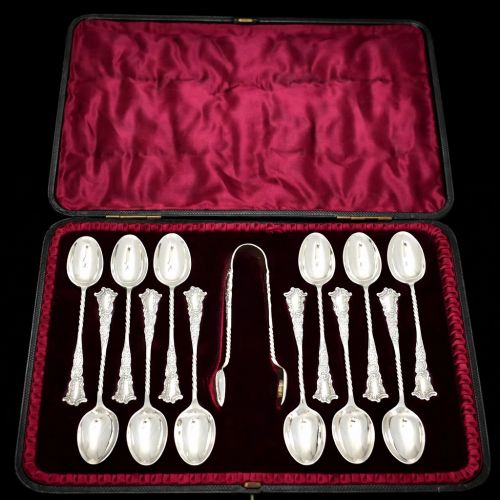
Many of these surviving items retain their original fitted presentation cases lined with silk, velvet, or leatherette. Such cases indicate that the pieces were manufactured specifically for gifting from the outset.
Materials and Construction
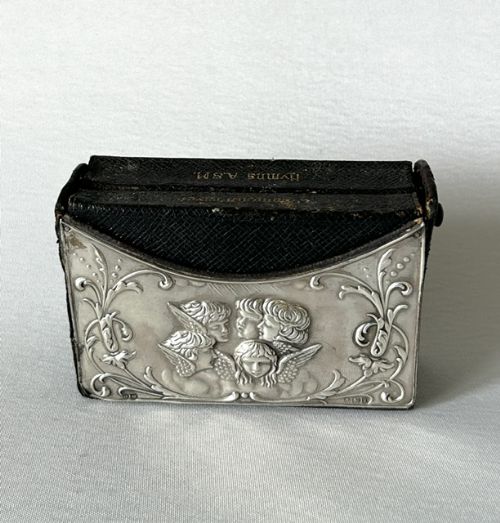
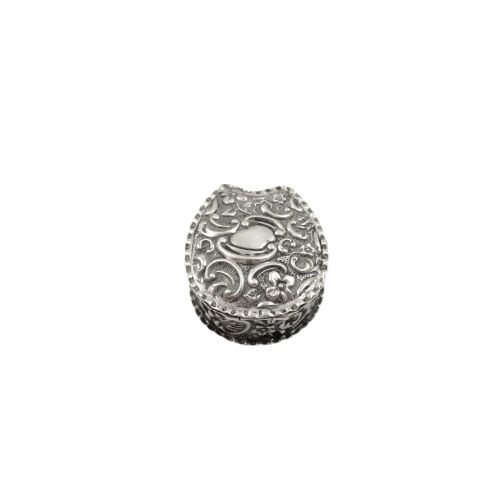
The primary material across these objects is sterling silver or solid silver, occasionally accented with silver gilt, enamel, or mother-of-pearl. Metalworking techniques involve casting, stamping, and engraving to produce detailed forms such as animal figures or floral motifs.
Fitted presentation boxes incorporate secondary materials like leather, velvet, and silk to protect the silver within. These protective housings match the high standard of the metal components they enclose.
A miniature silver watering can proves that Edwardian silversmiths could turn even the humblest garden tool into a charming desk ornament.
Evaluating the Range
Quality in these silver pieces rests upon the crispness of the original chasing, engraving, and structural integrity. Items retaining intricate details, such as enamel work or figural shapes, demonstrate superior craftsmanship compared to plainer counterparts.
The presence of a complete original fitted case adds considerable distinction to a piece. Preservation of both the silver item and its dedicated housing indicates careful ownership and original high status.
C.T. Burrows and Sons·Tiffany and Co·A. Barrett
The Edwardian Silver Gift Glossary
- Sterling silver
- An alloy comprising silver and other metals, usually copper, meeting a strict fineness standard. This material forms the sturdy basis for the majority of these antique items.
- Silver gilt
- Silver covered with a thin layer of gold on its surface. This technique provides a rich, two-tone appearance often seen on baptism or serving spoons.
- Vesta case
- A small pocket container used to hold matches. These portable items often feature engraved decoration or novelty shapes.
- Porringer
- A small bowl with one or two horizontal flat handles, traditionally used for porridge or broth. In later periods, these frequently served as christening gifts.
- Mother-of-pearl
- An iridescent inner layer of a shell used for handles on items like fruit knives and teethers. It adds a smooth, lustrous texture to the silver framework.
Edwardian Silver Gift: Frequently Asked Questions
What defines an Edwardian silver gift?
These pieces comprise functional and decorative silver items produced during the Edwardian era, typically intended for presentation on important occasions.
They include christening mugs, napkin rings, and cased cutlery sets designed to be both useful and commemorative.
How were christening sets used?
Christening sets of spoons, forks, and bowls were given to infants to mark their baptism and provide them with personal tableware for later childhood.
Over time, many of these boxed sets remained largely unused, preserving their original condition inside velvet or silk-lined cases.
Why do some items have fitted cases?
Fitted cases were manufactured specifically to house presentation pieces safely during transport and storage. The inclusion of leather, velvet, and leatherette highlights the luxury status of the gift.
Survival of the original case enhances the historical completeness of the silver piece inside.
What are vesta cases used for?
Vesta cases served as pocket containers for safety matches before the widespread availability of lighters. People carried them daily to protect matches from moisture and friction.
Today, collectors appreciate them for their compact sculptural shapes and varied engraved designs.