



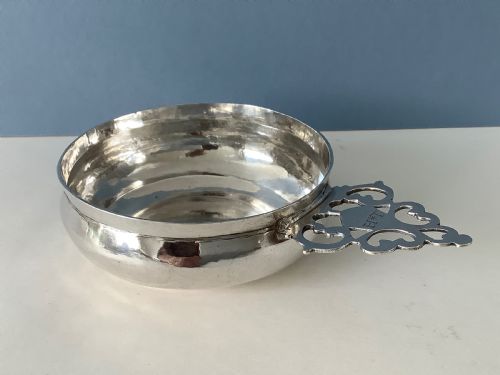
Antique Silver Porringer
An antique silver porringer is a small, two-handled vessel with deep historical roots, prized by collectors for its intimate domestic scale and intricate craftsmanship.
Antique Silver Porringer
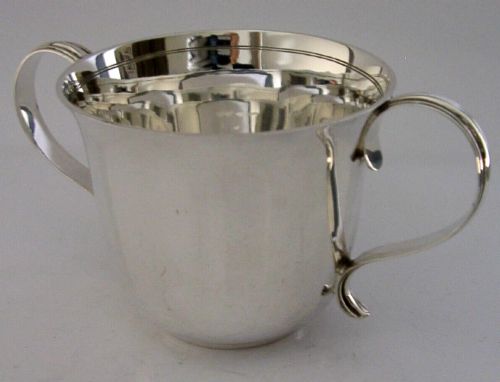
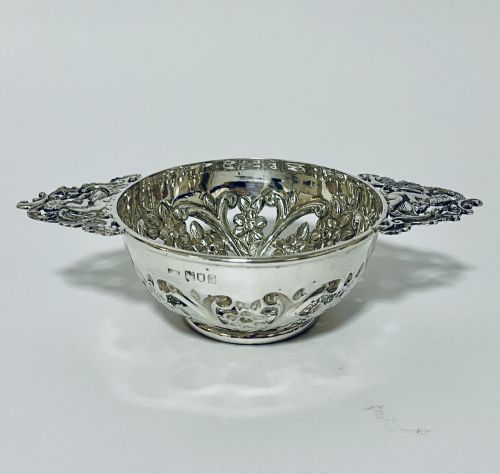
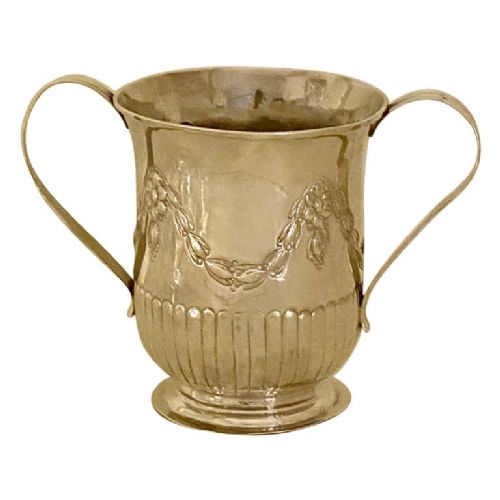
An antique silver porringer is primarily encountered as a twin-handled vessel originating from periods spanning the seventeenth century through the early twentieth century. These pieces encompass various forms including shallow bowls, lidded vessels, and regional variations such as the Scottish quaich.
Buyers frequently encounter porringers associated with christening sets or paired with covers and spoons. The listings also include related bowl forms and trophy cups that share the characteristic double handles.
Materials and Techniques
The primary material utilised across these pieces is sterling silver, alongside higher-purity Britannia standard silver and traditional English pewter. Selected items incorporate secondary materials within fitted boxes, utilising leather, velvet, and silk linings.
Construction methods involve hammering and raising metal into deep bowl forms, complemented by the soldering of cast scroll handles. Surface decoration is achieved through embossing, coin insertion, and heraldic engraving.
Antique Silver Porringer Retail Price Guide 2026
Typical asking prices for silver porringer among the pieces listed under this phrase on Sellingantiques today, from the lower quarter to the upper quarter. They describe what is for sale here now, not the wider market.
The archive demonstrates regular appearances of lidded vessels, coin-set bowls, and associated christening sets.
Evaluating Craftsmanship and Preservation
Quality rests upon the crispness of chased or embossed decoration and the structural integrity of the applied handles. Pieces retaining original matching covers and legible maker marks command greater interest.
The weight of the metal relative to the size of the vessel indicates the standard of manufacture. Preservation of original surface patination and clear hallmarks further distinguishes superior examples.
Richard Gurney·Thomas Sutton·Timothy Ley·John Sidney Reeve
The Antique Silver Porringer Glossary
- Porringer
- A small, two-handled bowl historically used for broths or porridges, evolving into a decorative domestic object. These vessels typically feature symmetrical side handles designed for secure lifting.
- Britannia Standard
- A higher grade of silver introduced by statute in England, containing slightly more pure silver than sterling. Items bearing this standard often date to the early eighteenth century.
- Quaich
- A traditional Scottish two-handled drinking vessel often grouped with porringers due to its similar function and handle arrangement. These shallow bowls frequently display distinctive staved or turned wooden and silver construction.
- Hallmark
- An official stamp applied to precious metals indicating the standard of purity, the assay office, and the date of manufacture. These marks provide essential evidence for dating historical silverware.
Antique Silver Porringer: Frequently Asked Questions
What was a porringer used for?
Historically, porringers served liquid foods such as broths, porridges, and gruel in affluent households. Over time, many transitioned into decorative items, display pieces, or traditional gifts for christenings.
Their twin-handle design allowed them to be passed safely or held close while consuming warm contents. Later revival pieces often continued this domestic tradition as presentation silver or family heirlooms.
How do I identify a seventeenth century piece?
Seventeenth-century pieces typically exhibit heavier hammered construction, simpler cast scroll handles, and early hallmarks characteristic of the Stuart period. Many feature Britannia standard silver or coin insertions from the era.
Because later Victorian makers produced close replicas, examining the wear patterns, assay office stamps, and construction techniques remains essential for correct dating.
Why do some porringers have lids?
Lidded porringers were designed to keep warm foods insulated or to protect contents from dust when displayed on sideboards. These covered vessels often formed part of grand domestic table settings.
Finding a porringer with its original matching lid significantly increases the historical completeness of the piece.
Are pewter porringers older than silver ones?
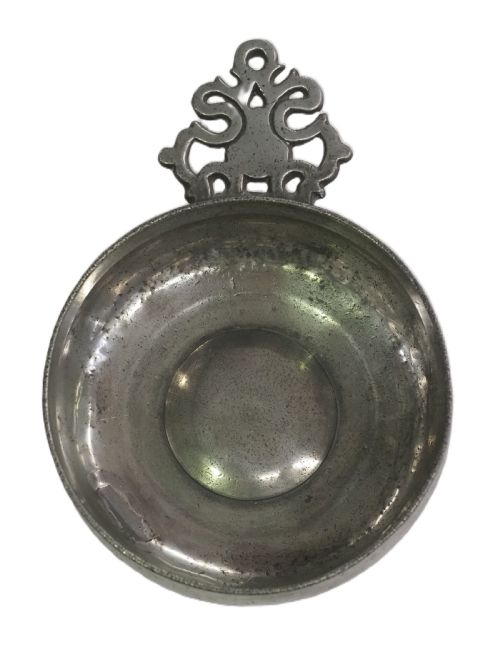
English pewter porringers often date to the early eighteenth century or earlier, serving as a more accessible alternative to precious metal vessels. They share similar capacities and dual-handle forms with their silver counterparts.
While silver examples survived due to the intrinsic value of the material, surviving pewter pieces offer a direct glimpse into domestic life of the same period.