

Vintage Silver Bowl
A vintage silver bowl brings genuine weight and quiet lustre to a room, offering both practical service and timeless decorative presence.
Identifying a vintage silver bowl
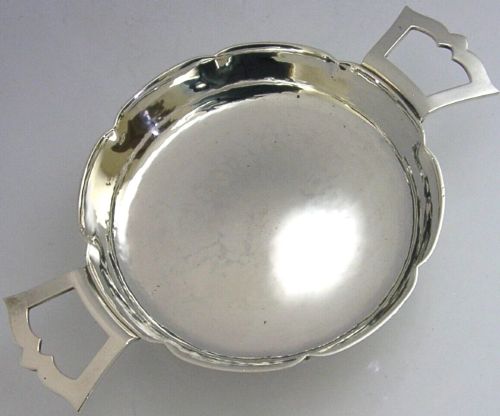
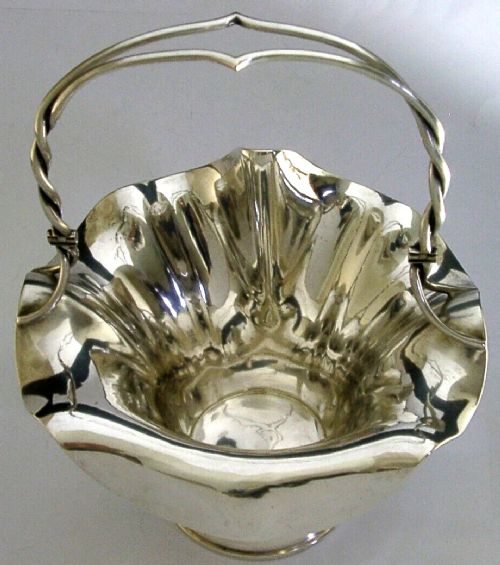
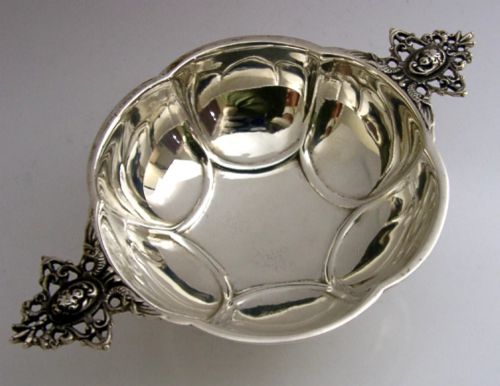
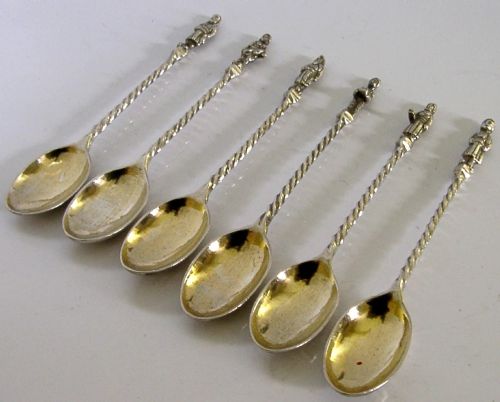
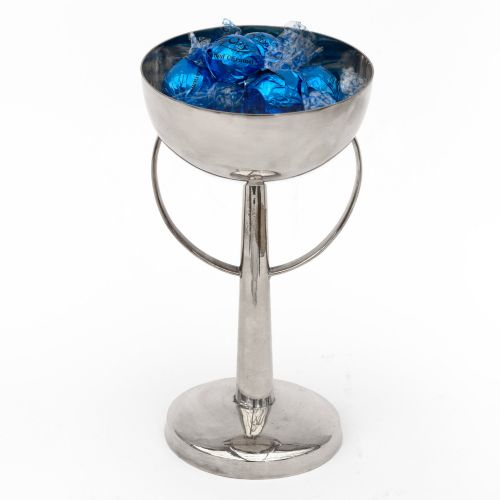
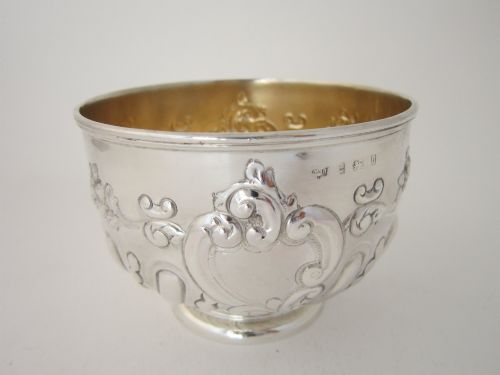
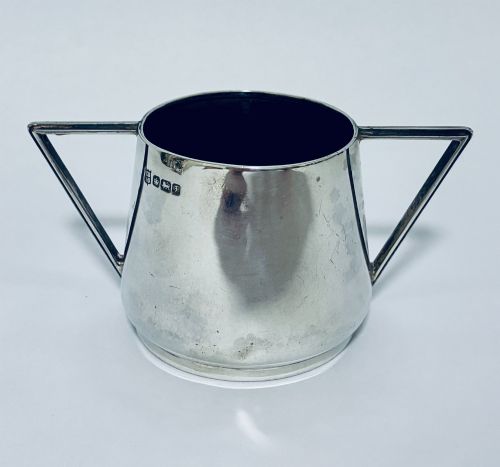
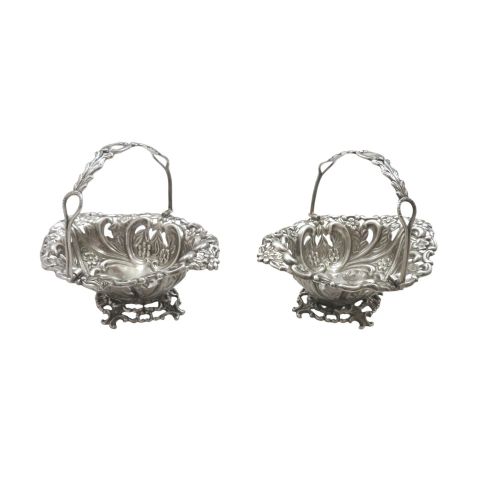
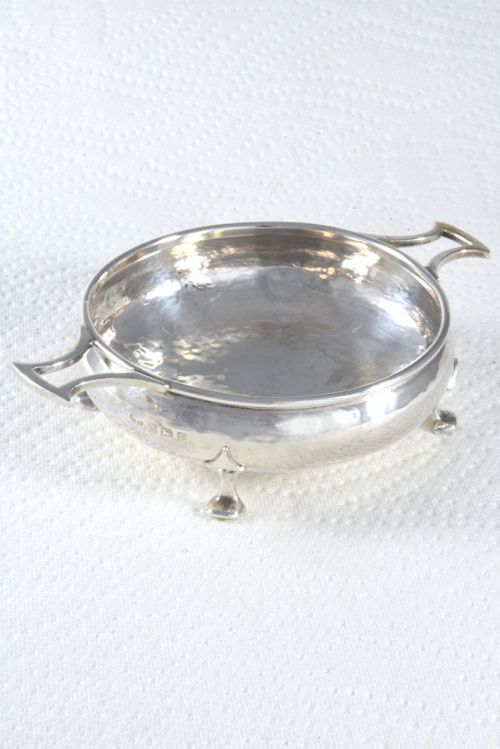
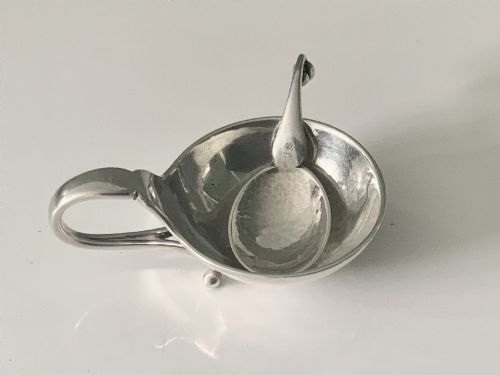
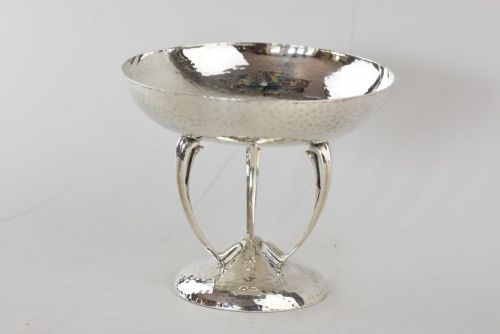
A vintage silver bowl encompasses a range of domestic vessels, from bonbon dishes and porringers to larger punch bowls and trophy cups. When searching for a vintage silver bowl, buyers encounter both solid sterling silver and silver plated items produced across several decades of the twentieth century. The selection includes specific historical styles such as Edwardian, Art Nouveau, Arts and Crafts, and Art Deco.
The most common forms on this page tend to be smaller bonbon dishes, porringers, and decorative bowls intended for display or table service. These domestic pieces reflect the changing aesthetic preferences of the early to mid-twentieth century, moving from ornate Edwardian motifs to the clean lines of Art Deco and the textured surfaces of the Arts and Crafts movement.
Materials and construction
Makers utilised sterling silver and silver plate as the primary metals for these vessels, frequently combining them with materials like crystal and guilloche enamel. Construction methods varied from traditional hand-hammered techniques seen in Arts and Crafts pieces to machine rolling and plating employed for larger punch bowls.
Surface decoration often involved planishing hammers to create characteristic textures, alongside cast handles on porringers and engraved inscriptions on trophy cups. Hallmarks stamped into sterling silver pieces record the assay office, maker, and year of manufacture, providing a reliable record of origin.
Retail Price Guide 2026
Typical UK retail prices for vintage silver bowl, calculated from the Sellingantiques database of over a million retail prices indexed since 2003. This retail price guide relies exclusively on Sellingantiques data; no external sources or auction records are used, so the figures do not describe the wider market.
Listings feature items spanning the Edwardian period through the Art Deco and mid-twentieth century eras in both sterling silver and silver plate.
Judging quality in silver bowls
Quality in a vintage silver bowl rests on the weight of the metal and the integrity of its construction. Solid sterling silver pieces by known makers demonstrate superior material value compared to silver plated alternatives, though exceptional plating work on large punch bowls still requires considerable technical skill.
Artistic execution separates standard production items from superior examples. Hand-hammered surfaces with thoughtful planishing marks or well-executed Art Nouveau and Art Deco styling indicate a higher level of design and craftsmanship.
A E Jones·Viners of Sheffield
The Vintage Silver Bowl Glossary
- Sterling silver
- A silver alloy containing 92.5 percent pure silver and 7.5 percent other metals, usually copper. This standard ensures durability while maintaining a bright metallic appearance.
- Silver plate
- A base metal such as copper or nickel silver coated with a thin layer of pure silver. This technique provided an affordable alternative to solid silver for larger vessels.
- Porringer
- A small, shallow bowl with one or two flat horizontal handles, historically used for broth or porridge. In later periods, these pieces served decorative or commemorative functions.
- Bonbon dish
- A small, decorative container designed specifically for holding sweets or confectionary. These dishes frequently feature pierced metalwork or swing handles.
- Planishing
- A metalsmithing technique involving light hammer blows to smooth and shape the surface while creating a distinctive faceted texture. It is a hallmark of Arts and Crafts metalwork.
- Quaich
- A traditional Scottish two-handled drinking vessel. Examples in silver often feature shallow bowls and distinct lug handles.
Frequently Asked Questions
How do I clean a silver bowl?
Use a specialised silver polish and a soft cloth to gently remove tarnish without scratching the surface. Avoid harsh abrasive cleaners that can wear away silver plate or damage delicate hallmarks.
Wash the bowl in warm, soapy water after polishing and dry it thoroughly with a lint-free cloth to maintain its lustre.
What is the difference between sterling and plate?
Sterling silver consists of solid precious metal throughout the entire piece, marked with standard assay office symbols and purity marks. Silver plate comprises a base metal core covered by a thin external layer of pure silver.
Over time, heavy polishing can wear down silver plate to reveal the underlying base metal, whereas sterling silver retains its composition entirely.
Can I use these bowls for food?
Solid sterling silver and silver plated bowls are generally safe for serving dry foods like sweets, nuts, or fruit. Acidic foods should not be left in silver vessels for extended periods as they can react with the metal.
Ensure that plated items have intact surfaces so that the base metal underneath does not come into contact with consumables.
How do I date a silver bowl?
Sterling silver pieces usually feature hallmarks that include a date letter indicating the exact year of assay and manufacture. Examining the style, such as Art Nouveau or Art Deco motifs, also helps narrow down the production era.
Maker's marks provide further context by linking the piece to specific active years of a workshop or silversmith.