


Silver Lattice Dish
These silver lattice dish examples offer delicate pierced metalwork that brightens a table, bringing genuine period craftsmanship into daily use.
Silver Lattice Dish
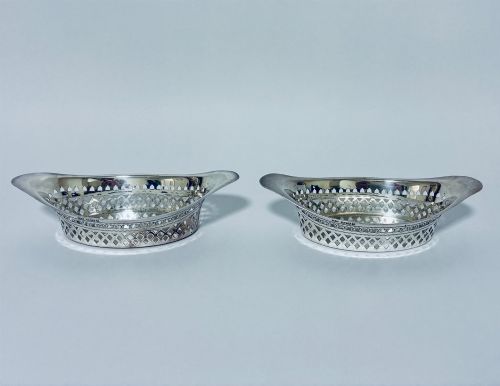
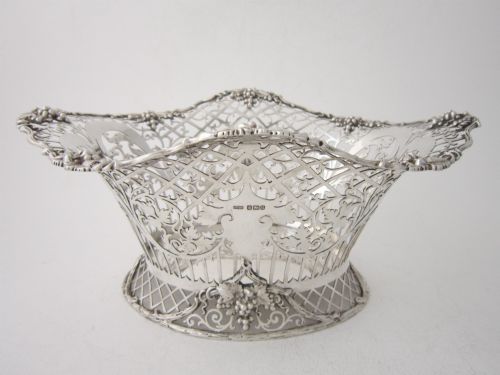
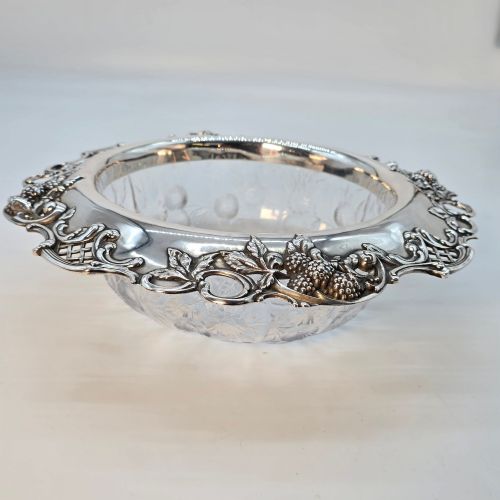
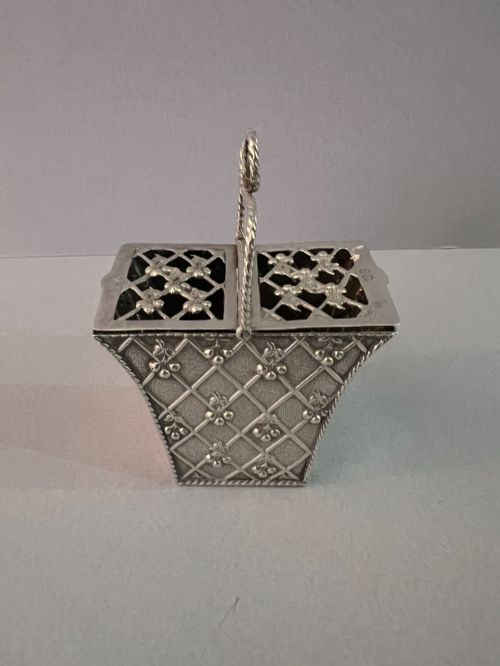
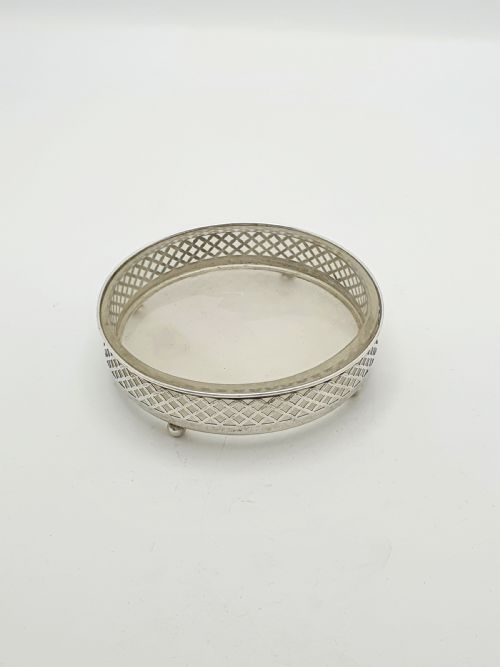
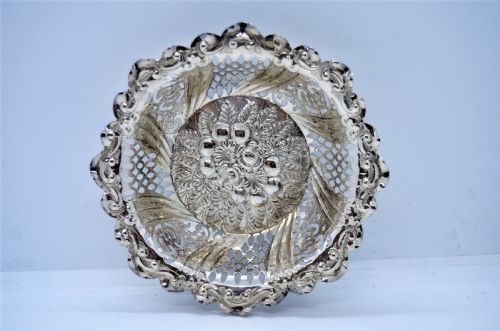
When you search for a silver lattice dish, you encounter openwork and pierced vessels designed for serving sweets, fruit, butter, or small delicacies. The forms range from miniature sweatmeat baskets and pedestal fruit bowls to butter dishes complete with glass liners.
You are most likely to meet Victorian, Edwardian, and 1920s pieces on this page, reflecting periods when ornate pierced silverware was exceptionally popular on dining tables. Many examples take the form of small bonbon dishes or oval baskets, often supported on tiny feet or cast pedestals.
The selection also spans Georgian and George V eras, showing how silversmiths maintained pierced decoration across different centuries. These items serve equally well as decorative centerpieces or functional table accessories.
Materials and construction
The pieces are principally formed from sterling silver and solid silver, alongside silver plate and combinations incorporating crystal or glass liners. Makers utilised sheet silver, cutting and piercing the metal to create geometric or floral lattice patterns.
Many items combine silver metalwork with blown or pressed glass inserts, particularly seen in butter dishes and fruit bowls where a protective liner preserves the metal. Structural elements such as handles, feet, and rims are frequently cast separately and soldered to the pierced body.
One early basket survives with a removable glass liner designed to prevent sticky butter from reaching the intricate pierced silver floor beneath.
Distinctions in quality
Quality in a silver lattice dish rests upon the crispness of the piercing and the weight of the metal utilised. Finely executed openwork requires precise hand-sawing or punching, leaving clean edges without distortion to the surrounding silver.
The presence of clear hallmarks adds assurance regarding the silver standard and the maker's workshop. Additionally, robust construction of handles, feet, and associated glass liners distinguishes superior production from lighter, more utilitarian alternatives.
Tiffany & Co.·Fenton·William Comyns·Walker & Hall·William Bond·Woodside Sterling Co.
The Silver Lattice Dish Glossary
- Pierced
- Metalwork decorated by cutting or stamping open patterns through the surface. This technique forms the defining lattice or fretwork characteristic of these dishes.
- Bonbon dish
- A small open vessel intended for serving sweets or confectionery. These typically feature shallow bowls supported by decorative feet or small bases.
- Sweatmeat basket
- A historical term for a small handled basket used for sweetmeats or desserts. They frequently exhibit delicate wirework or pierced lattice designs.
- Sterling silver
- An alloy consisting of pure silver and other metals, usually copper, to increase durability. Items bearing this designation meet a strict standard of silver content.
- Glass liner
- A fitted vessel of crystal or glass placed inside a silver basket or dish. This protects the pierced silver from moisture and food acids.
Silver Lattice Dish: Frequently Asked Questions
What were silver lattice dishes used for?
These vessels served dining tables as receptacles for sweets, bonbons, fruit, or butter. Their openwork design allowed air to circulate around dry confections and displayed colourful contents through the metal lattice.
Over time, their roles shifted from strict dining accessories to decorative display pieces. Today, collectors utilise them similarly on sideboards, dressing tables, or dining settings.
How do I identify a Victorian silver lattice dish?
Victorian examples often display heavier gauge silver and robust floral or scroll piercing reflecting nineteenth-century design tastes. Checking for stamped hallmarks helps confirm the period of manufacture.
Many pieces from this era also include maker marks corresponding to prominent silversmiths of the reign. Comparing stylistic motifs with dated examples aids in accurate attribution.
How should I clean a silver lattice dish?
Cleaning requires a soft cloth and a gentle silver polish formulated to avoid abrasive damage to delicate pierced areas. Liquid polishes help reach inside small lattice apertures without leaving residue.
Avoiding harsh scrubbing preserves the original definition of the pierced work and any subtle engraving. Proper rinsing and drying prevent tarnish from accumulating within the recessed details.