
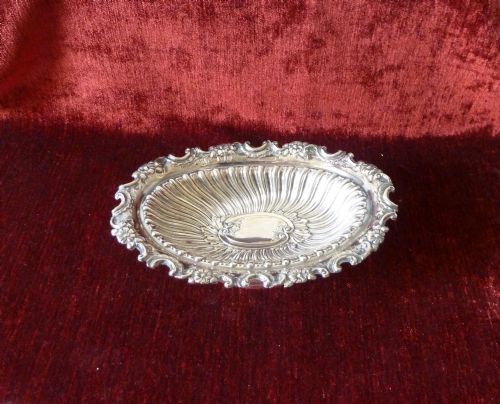
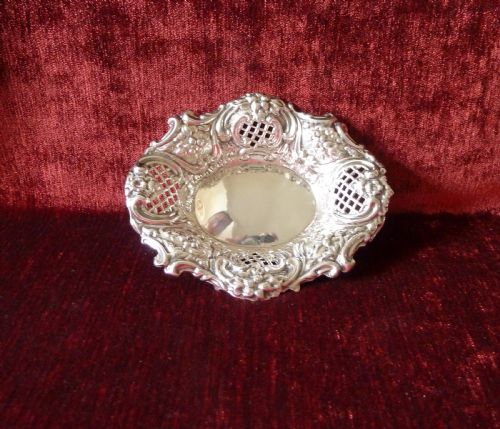


Sterling Silver Bonbon Dish
These sterling silver bonbon dish pieces offer delicate sweet-serving forms spanning Georgian elegance through Art Deco geometry.
What these pieces are
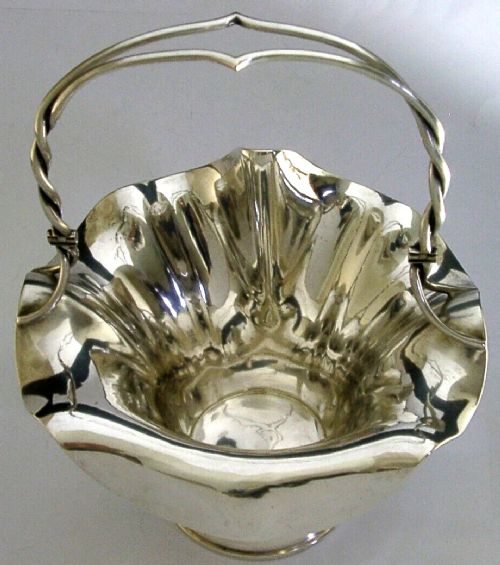
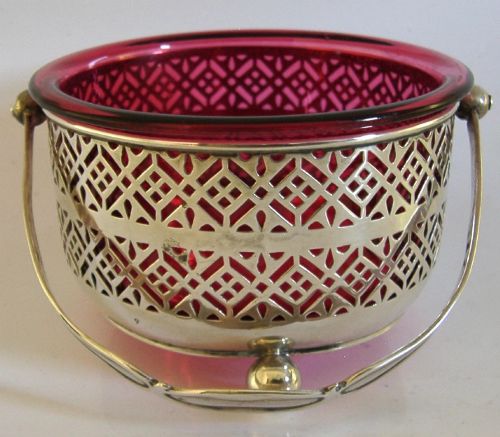
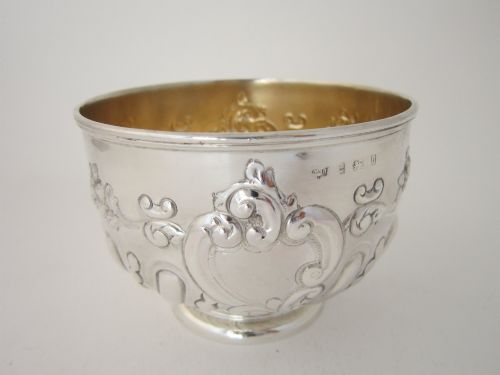
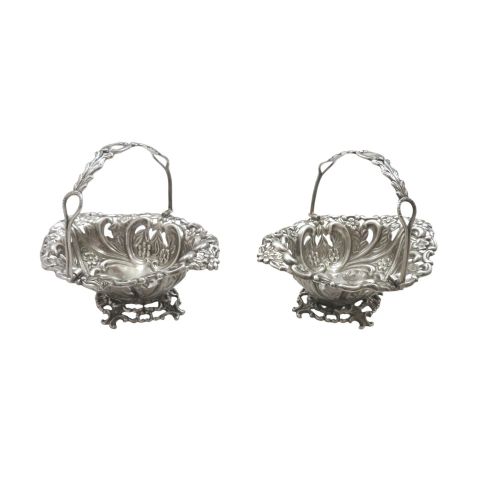
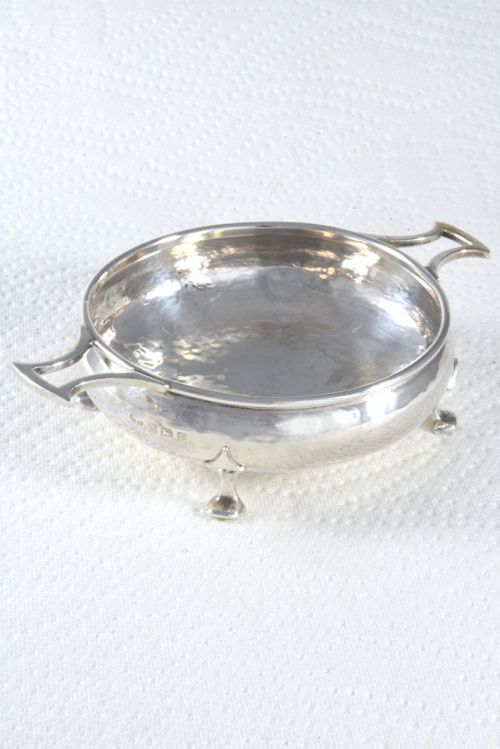
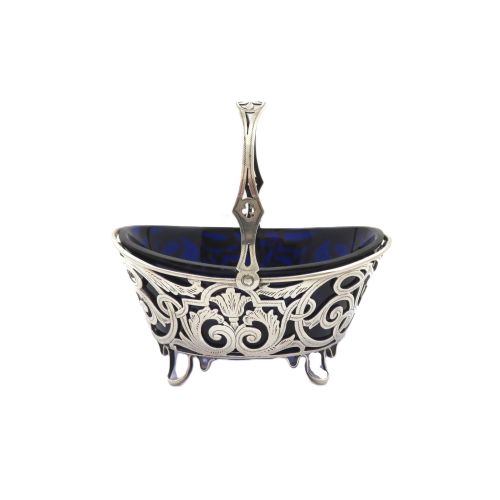
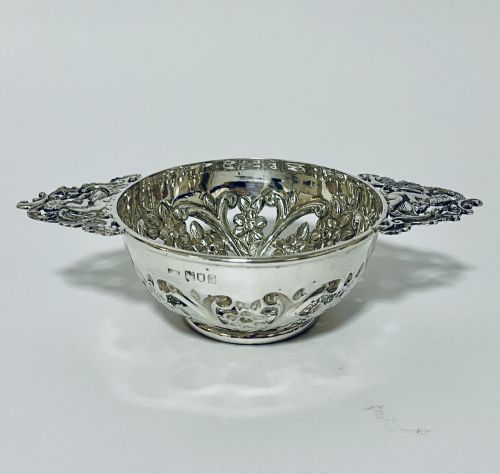
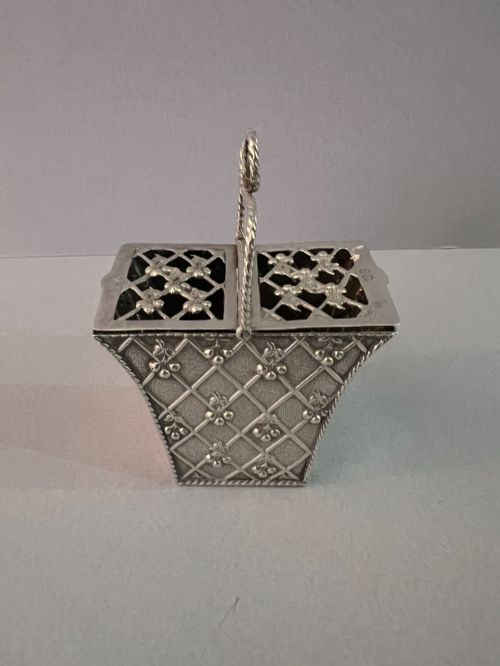
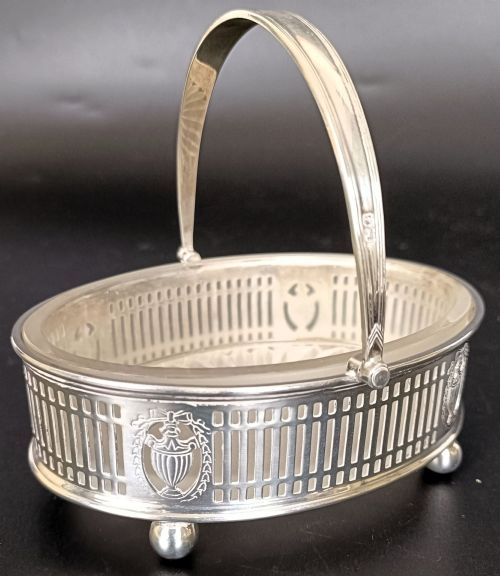
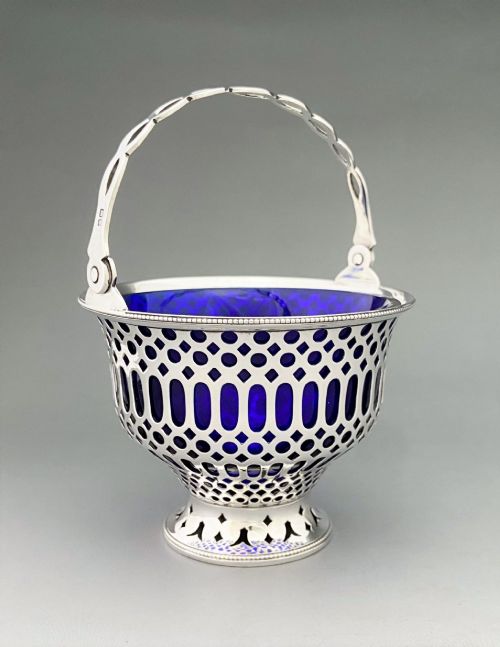
A sterling silver bonbon dish serves sweet confections and small treats, typically taking the form of a small pedestal dish, decorative basket, bowl or shell-shaped receptacle. These refined small vessels appear across Victorian, Edwardian, Georgian, and Art Deco periods, reflecting changing domestic tastes in tabletop presentation over centuries.
The versions most commonly encountered on this page include Victorian solid silver examples alongside 1930s Art Deco bowls and pedestal dishes. British, Canadian, and English workshops created these charming service pieces, utilising hallmarks to record exact assay years from Sheffield and other centres.
How they were made
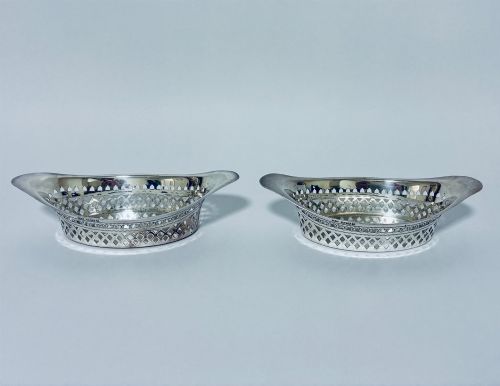
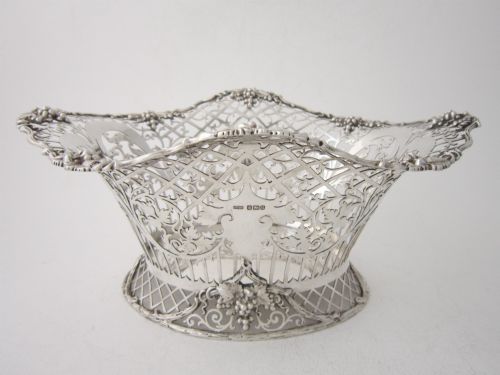
Silversmiths formed these vessels from solid sterling silver, silver plate, and occasionally incorporated organic materials like tortoiseshell into basket handles or bases. Piercing, casting, and repoussé work shaped the intricate fretwork and decorative borders seen across these small dishes.
Select pieces feature a gilt interior, known as vermeil, which provided a warm gold contrast against the polished silver exterior. Master craftsmen stamped hallmarks directly into the metal to certify the sterling standard and origin.
Retail Price Guide 2026
Typical UK retail prices for sterling silver bonbon dish, calculated from the Sellingantiques database of over a million retail prices indexed since 2003. This retail price guide relies exclusively on Sellingantiques data; no external sources or auction records are used, so the figures do not describe the wider market.
Some nineteenth-century diners apparently possessed an insatiable sweet tooth, requiring dedicated silver baskets just for after-dinner sugar nibbles.
What varies in quality
The finest examples display crisp, deep piercing and robust gauge silver that resists bending during use. Superior pieces often include integrated pedestals or matching pairs that maintain balanced proportions and sharp hallmark stamps.
Lower quality or simpler items rely on thin gauge metal with shallow pressed decoration rather than hand-wrought detailing. The presence of specialised interior gilding or mixed materials like tortoiseshell elevates the craftsmanship of individual vessels.
The Sterling Silver Bonbon Dish Glossary
- Bonbon dish
- A small decorative vessel specifically designed for serving sweets, nuts, or small confections at the table.
- Pedestal dish
- A raised bowl supported by a central foot or stem, lifting the contents above the tabletop surface.
- Vermeil
- Sterling silver that has been plated with a thin layer of fine gold on the interior or exterior surface.
- Hallmark
- A series of official marks stamped onto precious metals to indicate the standard of purity, maker, and assay office year.
- Pierced
- Metalwork decorated by cutting or piercing decorative patterns through the silver sheet.
Frequently Asked Questions
What were sterling silver bonbon dishes used for?
These small vessels served sweet confections, sugar plums, and nuts during formal dining and afternoon tea gatherings. Hostesses placed them around the table for guests to help themselves between courses.
Over time, their decorative appeal surpassed their strict utility, leading to intricate pierced designs meant primarily for display on sideboards or mantelpieces.
How do I clean a sterling silver bonbon dish?
Gentle washing with warm water and mild soap removes daily dust without harming the antique surface. Specialised silver cloths help maintain the soft natural shine without harsh scrubbing.
Avoid abrasive dips or excessive polishing that can wear away delicate hallmarks and fine engraved details over the years.
How can I tell a Victorian dish from an Art Deco one?
Victorian examples tend to feature ornate pierced work, floral motifs, and heavier repoussé decoration reflecting nineteenth-century tastes. They often carry hallmarks specific to the reign of Victoria.
Art Deco pieces from the 1930s showcase geometric lines, sleek bowls, and streamlined forms characteristic of mid-century modern design. The assay stamps for these later pieces clearly indicate dates in the nineteen-thirties.
Are these dishes safe for serving food?
Solid sterling silver possesses natural antimicrobial properties that make it historically suitable for serving food items like sweets and nuts. A thorough washing before use ensures any aged surface residue is safely removed.
Pieces with gilt interiors or delicate tortoiseshell elements require extra care during cleaning to preserve the mixed materials.