



Antique Silver Bonbonniere
An antique silver bonbonniere brings decorative refinement to any room, offering miniature storage shaped by centuries of silversmithing skill.
What They Are
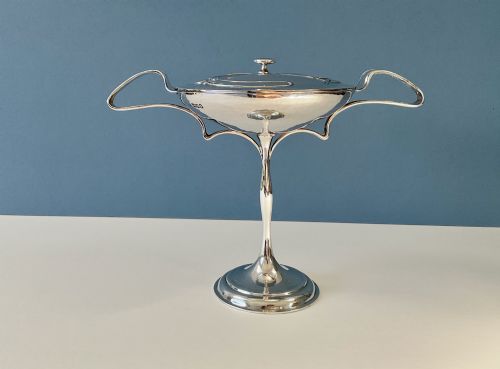
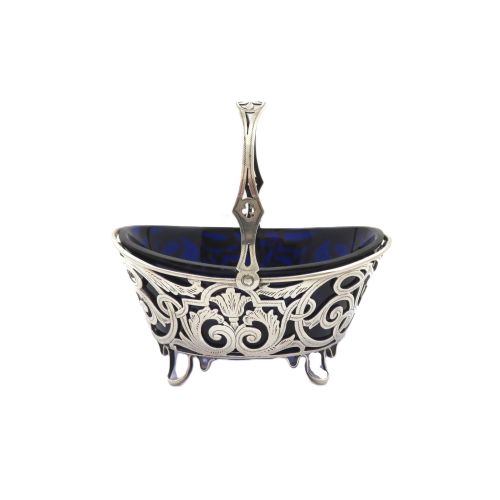
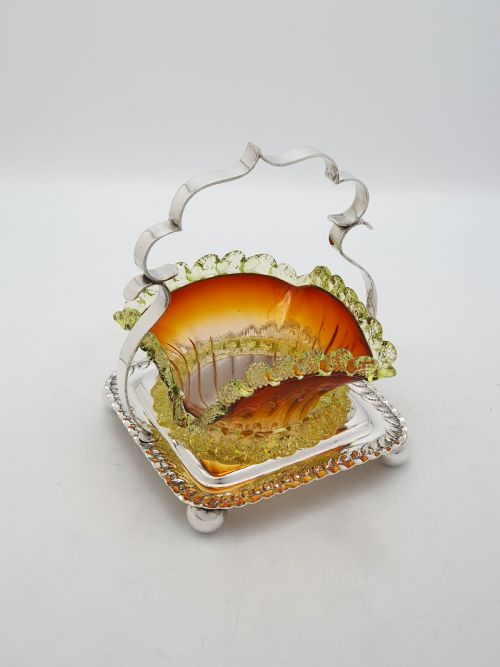
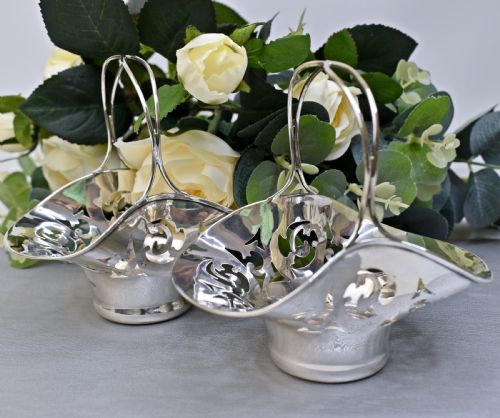
The pieces on this page span several distinct periods, including the 18th century, the Victorian era, the Edwardian period, and 1930. Alongside traditional boxes, the selection includes table snuff boxes and small silver baskets.
Makers utilised different forms to suit the social habits of their day, ranging from Rococo Revival motifs to clean Art Deco lines. Tortoiseshell and silver-gilt appear alongside standard sterling silver to create varied textures.
How They Were Made
Silversmiths shaped sterling silver and silver-gilt through hammering, casting, and chasing, often adding intricate surface decoration. Pieces from the 18th century display elaborate Rococo motifs and figural scenes worked directly into the metal.
Combinations of materials such as sterling silver and tortoiseshell appear in later works from the 1930s. Skilled artisans joined organic shell to precious metal frames with great precision to form miniature baskets and boxes.
Retail Price Guide 2026
Typical UK retail prices for silver bonbonniere, calculated from the Sellingantiques database of over a million retail prices indexed since 2003. This retail price guide relies exclusively on Sellingantiques data; no external sources or auction records are used, so the figures do not describe the wider market.
Meleager hunting a giant boar makes a surprisingly fierce decorative subject for a tiny sweetmeat box.
What Varies in Quality
The distinction between standard examples and exceptional pieces rests upon the crispness of the chased decoration and the weight of the metal. Finer boxes exhibit deep, clear motifs without softening from wear or over-polishing.
Quality also shows in the integration of mixed materials, such as the seamless fit of tortoiseshell panels within silver mounts. Superior craftsmanship ensures that hinges operate smoothly and lids close with exact alignment.
The Antique Silver Bonbonniere Glossary
- Silver-gilt
- Silver that has been coated with a thin layer of gold on its surface. This technique provides a rich golden interior or exterior finish.
- Rococo
- An ornate artistic style characterised by asymmetrical scrolls, shell motifs, and natural curves. It appears prominently on pieces from the 18th century and later revivals.
- Tortoiseshell
- The patterned outer shell of certain marine turtles, historically used inlays and decorative boxes. It provides a rich, amber-brown contrast against polished silver.
- Sterling silver
- An alloy consisting of pure silver and other metals, usually copper, to increase durability. Standard British silver carries specific hallmarks to guarantee this composition.
Frequently Asked Questions
What was an antique silver bonbonniere used for?
These small containers were designed to hold sweetmeats, sugared almonds, or delicate confections during formal gatherings.
Over time, owners also repurposed them to store snuff, small trinkets, or personal mementos on dressing tables.
How do I care for silver and tortoiseshell?
Keep silver clean with a soft cloth and specialised polish, avoiding abrasive cleaners that wear down fine chased details.
Protect tortoiseshell from direct sunlight and extreme temperature changes to prevent warping or cracking of the organic material.
Can I date a piece from its style?
Stylistic cues offer a reliable guide, such as the flamboyant curves of Rococo Revival work or the geometric lines typical of 1930 design.
Matching these visual elements with period hallmarks provides a clearer picture of when and where the item was made.
Why do some boxes feature gilt interiors?
Gilding protected the pure silver from tarnishing when exposed to acidic contents like sweets or snuff.
It also added a layer of visual luxury, creating a warm contrast when the lid was lifted.