

Embossed Silver Trinket Box
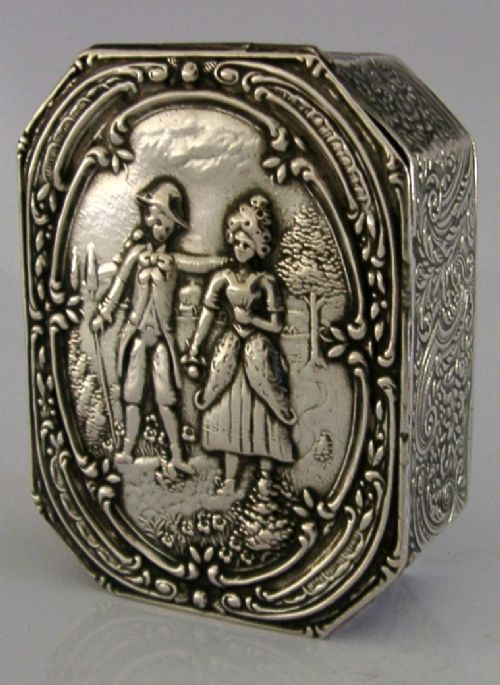
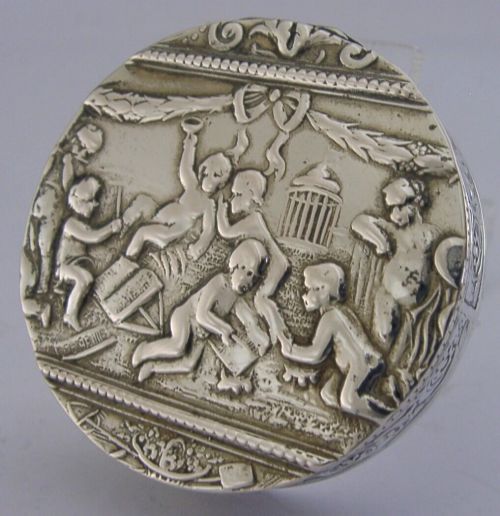
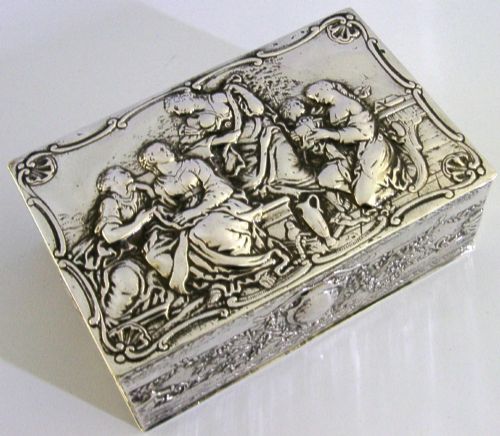
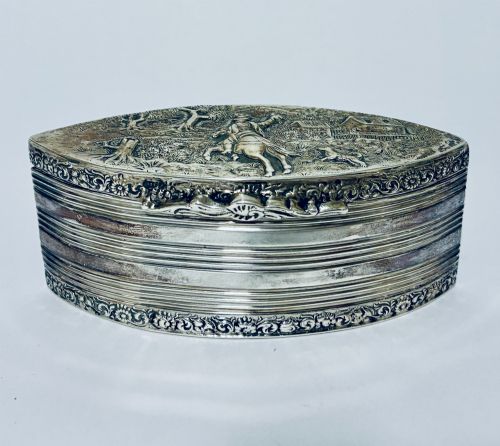
These embossed silver trinket box examples offer tactile charm and secure storage for small valuables, making them prized vanity table accessories.
What these pieces are
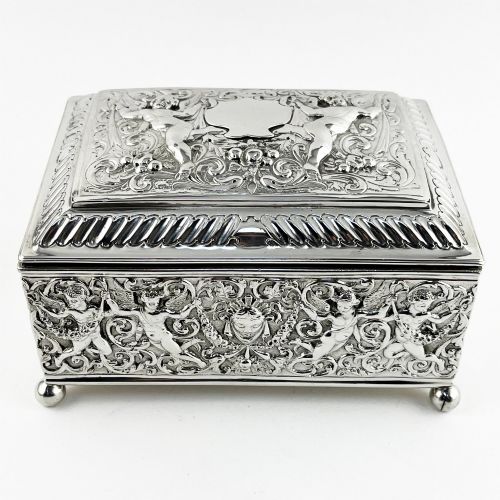
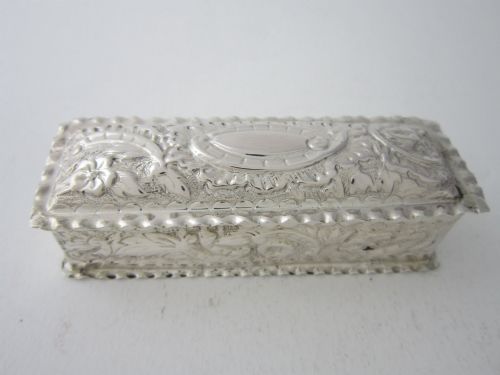
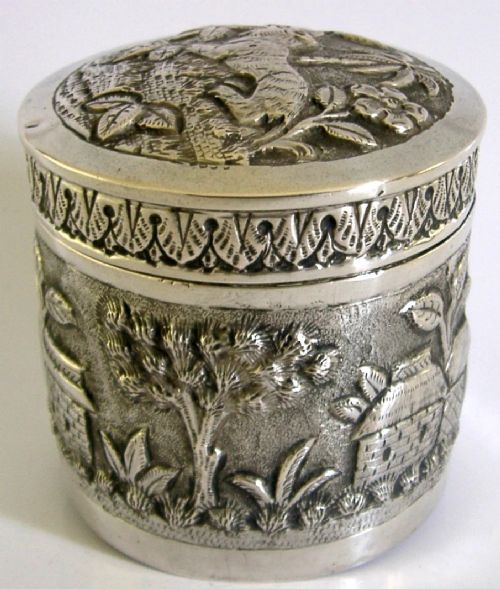
An embossed silver trinket box brings traditional craftsmanship to the dressing table, serving as a decorative container for rings, pins, and small keepsakes. These items appear across Victorian, Edwardian, and later twentieth century periods, reflecting diverse stylistic influences from British workshops and continental makers.
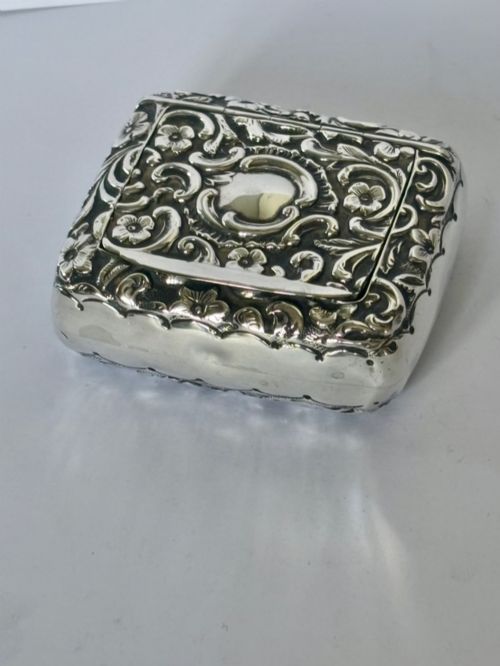
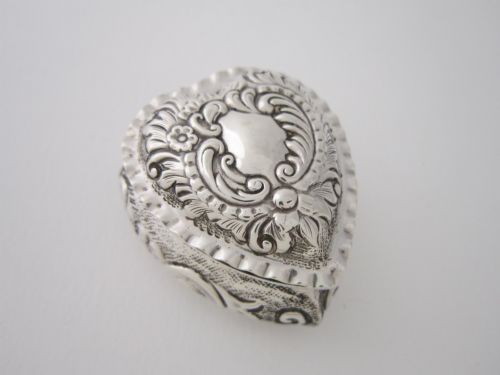
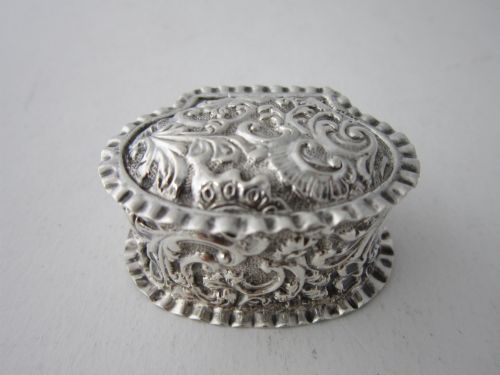
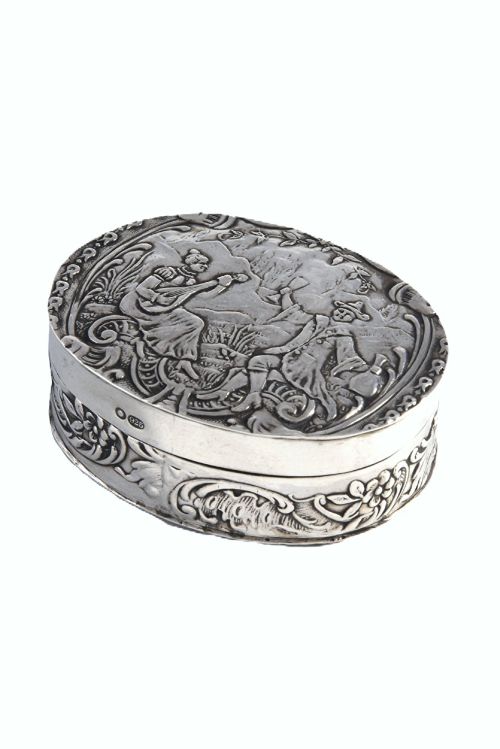
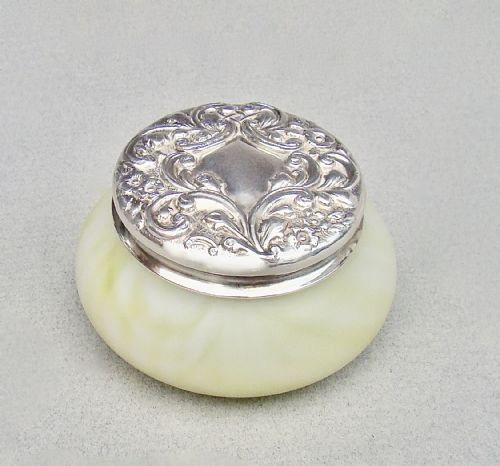
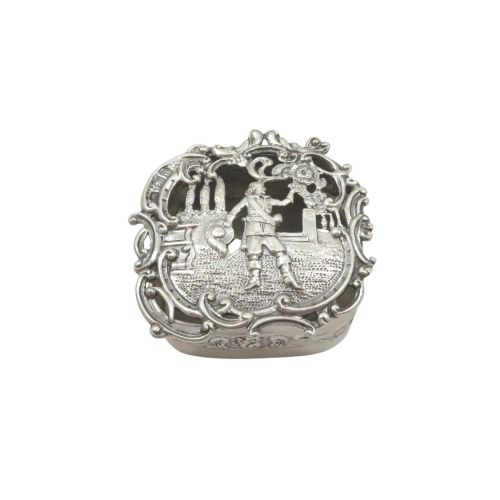
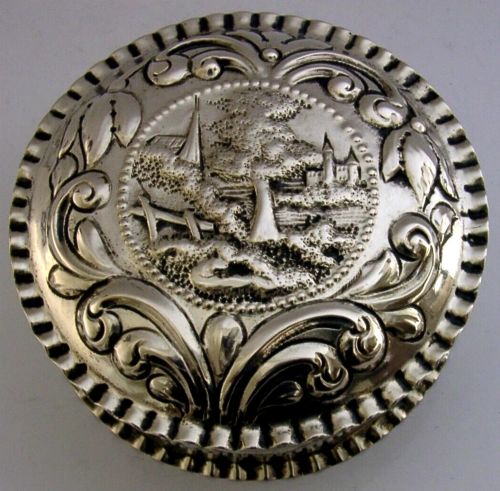
The selection commonly includes hinged jewellery caskets, circular containers, heart shaped boxes, and compact snuff boxes. Interiors frequently feature velvet linings, whilst exteriors display intricate embossed ornamentation ranging from pastoral scenes to scrollwork and floral motifs.
How they were made
Silversmiths utilised sterling silver and solid silver sheets, shaping them through hammering, pressing, and soldering to form the structural body of the box. Embossing techniques pushed the metal from the reverse or chased it from the front to create raised pictorial scenes, scrolls, and floral designs upon the lid and sides.
Hinges and clasps required precise metalworking to ensure lids closed flush against the body, whilst interior compartments often received tailored velvet linings secured by adhesives or stitching. Continental imports frequently incorporated intricate figural panels, whereas British pieces often relied on floral and scroll repoussé work.
Retail Price Guide 2026
Typical UK retail prices for embossed silver trinket box, calculated from the Sellingantiques database of over a million retail prices indexed since 2003. This retail price guide relies exclusively on Sellingantiques data; no external sources or auction records are used, so the figures do not describe the wider market.
What varies in quality
The distinction between standard examples and superior specimens rests on the depth and crispness of the embossed detail, where sharper relief denotes greater silversmithing skill. Heavier gauge silver provides a more substantial feel in the hand, contrasting with thinner metal that yields under pressure.
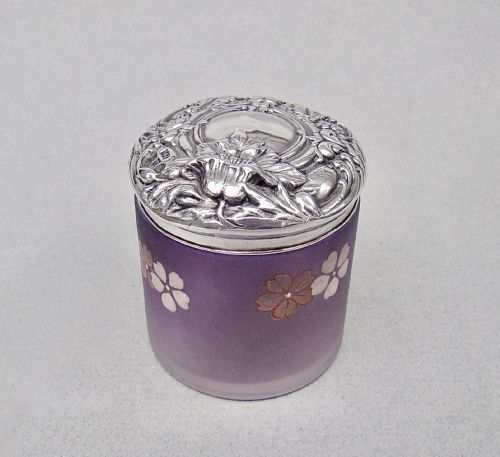
Association with notable makers elevates a piece, as does the integration of supplementary materials like cut glass inserts or intact original velvet interiors. Hallmark clarity and legible town marks further define the standing of individual containers.
William Comyns And Sons·H Matthews
The Embossed Silver Trinket Box Glossary
- Sterling silver
- An alloy comprising ninety-two point five percent silver and seven point five percent other metals, typically copper, ensuring durability for functional items. This standard grade appears frequently across British assay office records.
- Embossing
- A metalworking technique where a design is raised above the surface by pressing or hammering from the reverse side. This method creates the tactile floral and pastoral scenes found on these containers.
- Repoussé
- A method of shaping metal by hammering from the reverse side to create a low relief design on the front. Silversmiths combine this with chasing to refine details on box lids.
- Hallmark
- Official marks stamped on precious metals indicating the purity, maker, and assay office of origin. These stamps provide verifiable clues to a piece's age and provenance.
- Casket
- A decorative box or chest designed for holding jewellery or valuables, often featuring a hinged lid and a lined interior. These larger forms frequently double as desk accessories.
Frequently Asked Questions
What were embossed silver trinket boxes used for?
These containers served primarily on dressing tables to hold rings, brooches, pins, and small personal valuables. They also functioned as desk accessories or pocket receptacles for snuff and pills.
Their decorative embossed exteriors allowed them to sit openly in parlours and bedrooms as ornamental objects of status.
How do I clean an embossed silver trinket box?
Cleaning requires a soft microfiber cloth and a mild, non-abrasive silver polish formulated to lift tarnish without removing the thin layer of raised detail. Avoid harsh scrubbing that can flatten delicate embossed scrolls and floral motifs.
Take care around velvet interiors and cut glass inserts to prevent moisture damage or staining during the polishing process.
How do I identify the date of a silver box?
Dating relies heavily upon the stamped hallmarks found on the body or lid, which correspond to specific assay office date letters and reigning monarch profiles. Maker's marks and stylistic cues like Victorian scrollwork or Edwardian floral patterns provide secondary confirmation.
Comparing the construction methods and weight standards of the period helps narrow down the era of manufacture.
Are all silver trinket boxes solid silver?
While many pieces in this category consist of solid silver or sterling silver throughout, some incorporate fitted components such as cut glass bases or wooden cores. Hallmarks stamped directly onto the metal sections confirm the exact material composition.
Reviewing the descriptive details for terms like solid silver or sterling silver clarifies the primary construction material.