




Victorian Silver Casket
These Victorian silver caskets are small precious containers holding keepsakes and jewellery, prized for their fine metalwork and period character.
Victorian silver casket
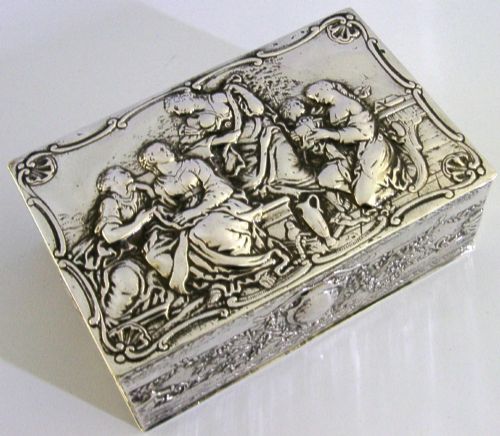
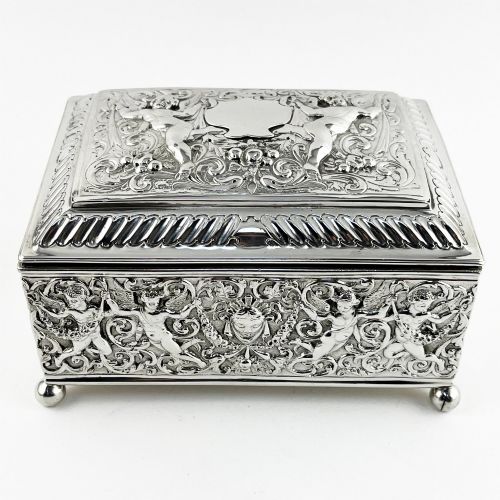
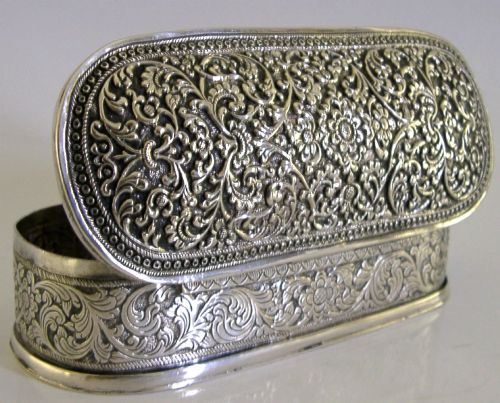
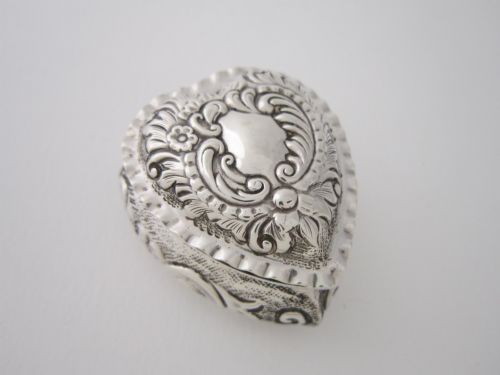
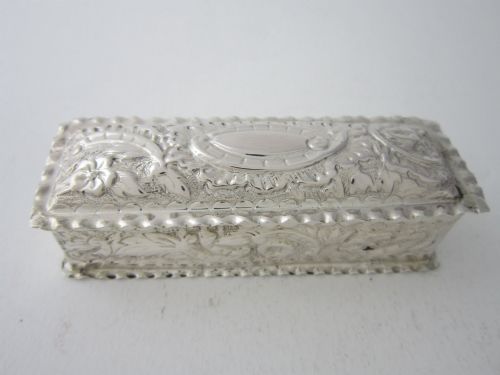
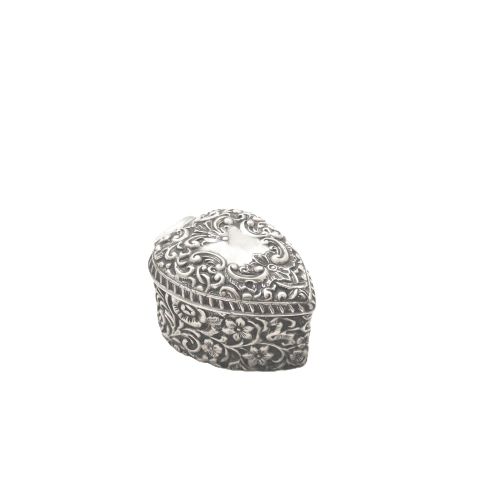
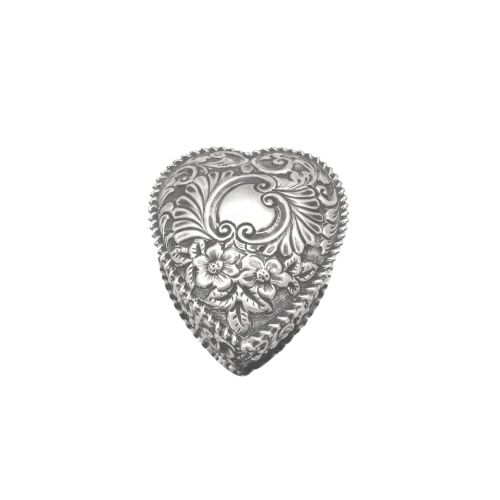
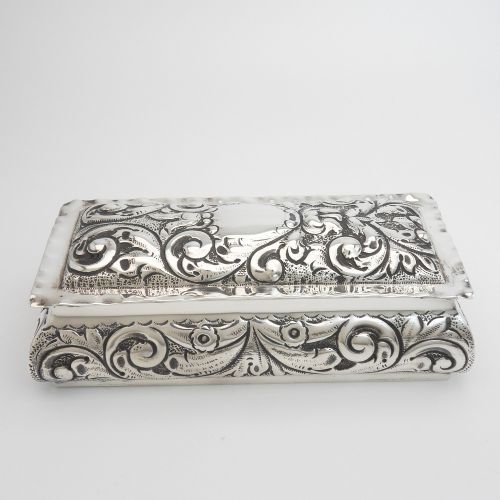
A Victorian silver casket is a small lidded box designed to hold jewellery, trinkets, pins, or stamps on a desk or dressing table. The pieces found here span the Victorian era, alongside related examples from around nineteen hundred and nineteen twenty.
Forms include large cigar boxes, jewellery boxes, pin cushion caskets, stamp dispensers, and desk top boxes. Styles range from classic Victorian designs through to flowing Art Nouveau and Edwardian work.
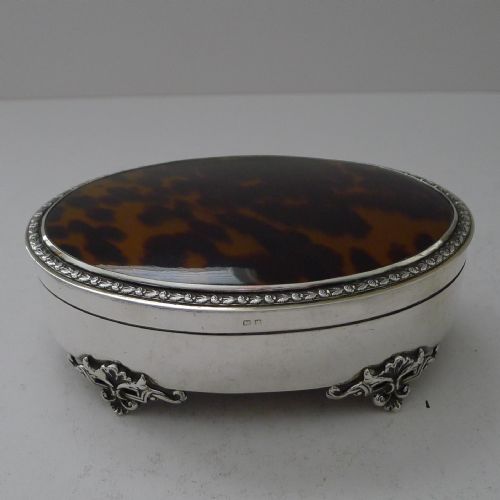
Materials recorded across these items include sterling silver, electro-formed silver plate, and combinations of silver with tortoiseshell. They serve both a decorative and practical function in storing small personal items.
How they were made
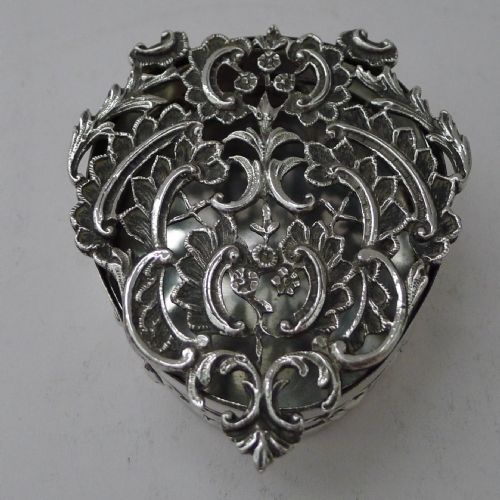
Silversmiths constructed these boxes using sterling silver and silver plate, sometimes employing electro-forming techniques to shape the metal. Piercing and repoussé work created detailed decorative panels and intricate surface patterns.
Certain pieces incorporate other materials like tortoiseshell alongside the silver frame. Hinges, lids, and internal linings required precise metalworking skills to ensure the boxes opened and closed properly.
Some Victorian ladies required a dedicated silver box just to dispense their postage stamps.
What varies in quality
Quality rests in the depth and clarity of the silversmith's work, from plain polished surfaces to elaborate pierced designs and Art Nouveau motifs. The presence of secondary materials like tortoiseshell or specialised interior fittings marks out finer productions.
The distinction between solid sterling silver and electro-formed silver plate alters the weight and substance of the piece. Substantial proportions, such as large cigar boxes or heavily worked jewellery caskets, indicate higher ambition in the maker.
William Hutton
The Victorian Silver Casket Glossary
- Sterling silver
- A standard alloy consisting of ninety-two point five percent silver by mass, with the remainder being copper. This is the primary metal used for the finer boxes listed.
- Electro-formed
- A manufacturing process where metal is deposited on a mould through electroplating. This technique allowed makers to create sculptural forms like large caskets.
- Pierced
- Metalwork that has been cut through to create openwork patterns or decorative friezes. This method appears on pin cushion lidded caskets.
- Tortoiseshell
- The outer shell of certain turtle species used historically as an overlay on boxes. It provides a dark, mottled contrast to bright silver mounts.
Frequently Asked Questions
How were these caskets used?
Owners kept them on desks, dressing tables, and sideboards to store valuable trinkets, sewing tools, and correspondence items. Specialised versions accommodated specific items such as stamps, cigars, or pins.
The secure lidded design protected delicate personal belongings from dust and loss. They doubled as ornamental display pieces in period interiors.
How do I identify a Victorian casket?
Look for the characteristic design elements and decorative styles associated with the period, such as Victorian ornamentation, Art Nouveau curves, or Edwardian refinement. Materials generally include sterling silver and silver plate.
Form variations like stamp dispensers, pin cushion lids, and cigar boxes help indicate the specific period use. Examining the metal quality and construction methods further confirms the origin.
How do I care for silver boxes?
Keep silver boxes in stable indoor environments away from excessive moisture and direct sunlight. Regular dusting with a soft cloth prevents accumulation.
Polishing should be done sparingly with a suitable silver cloth to preserve the metal and any delicate surface decoration. Avoid abrasive cleaners that might damage engraved or pierced details.