


Victorian Tobacco Box
These Victorian tobacco box pieces are solid smoking accessories built to hold leaf, plug and chew, offering period character for any collector.
Victorian tobacco box forms and origins
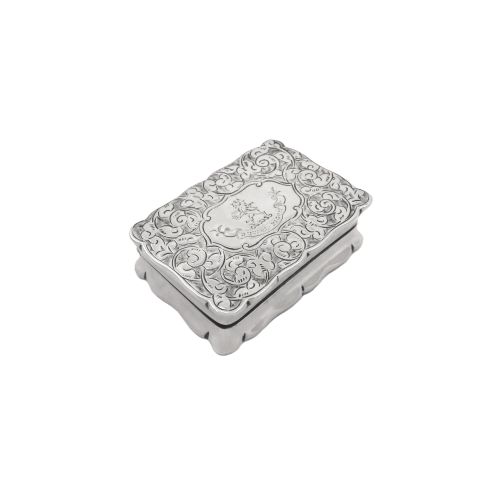
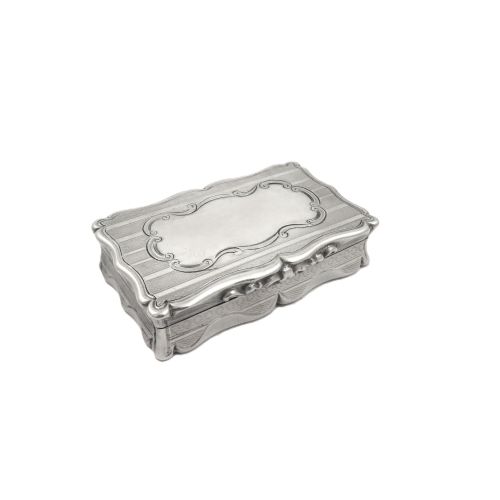
When you search for a Victorian tobacco box, you enter a field of smoking accessories spanning the nineteenth century, from mid-century pocket pieces to larger table cabinets. The pieces listed here range across the Victorian era, taking the form of desk jars, pocket boxes, and desktop humidors designed for leaf and plug.
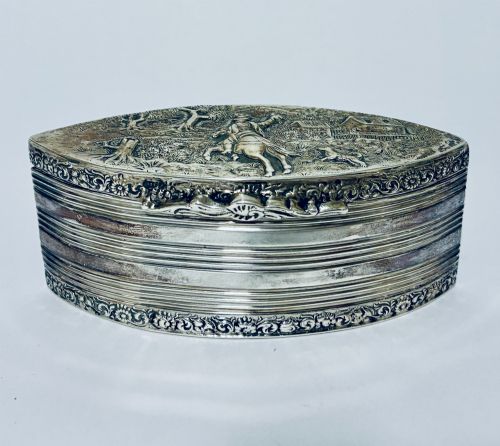
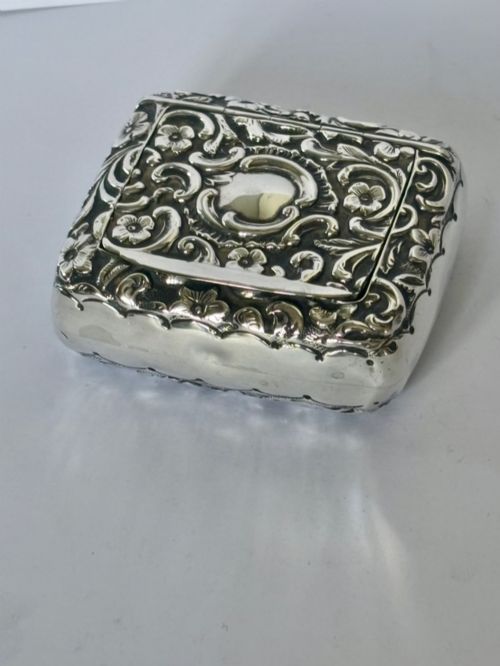
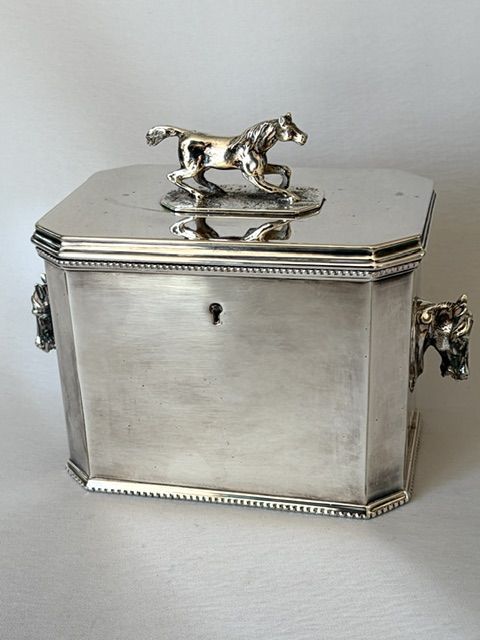
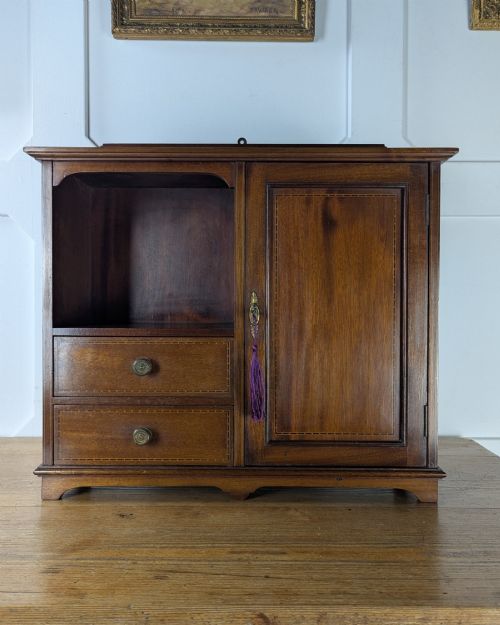
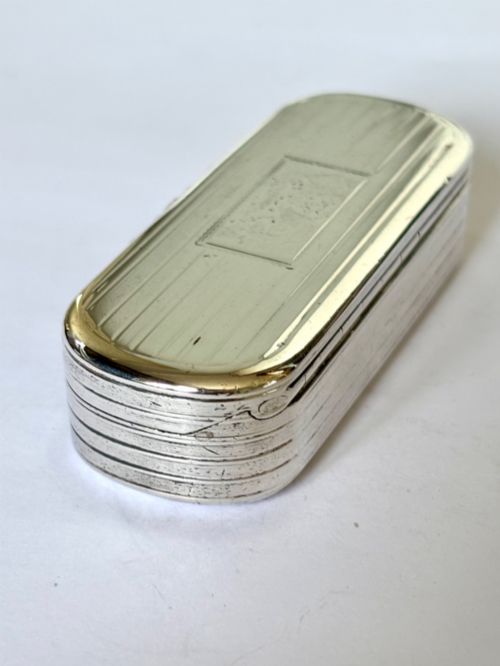
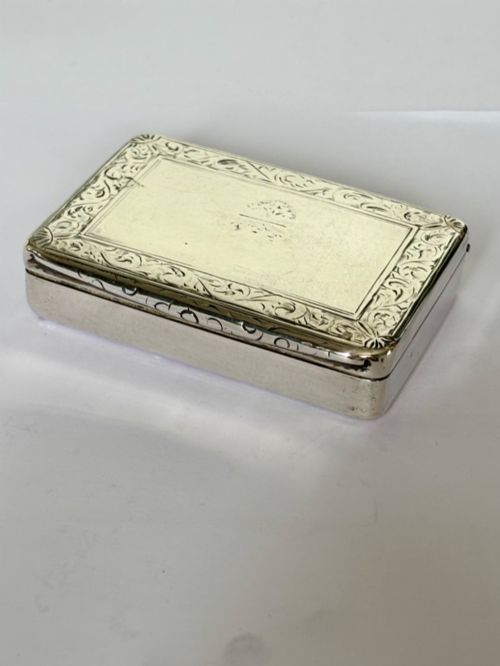
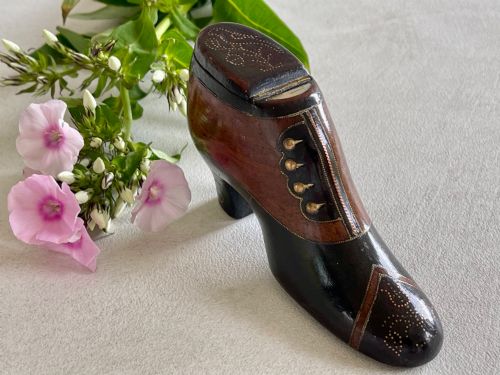
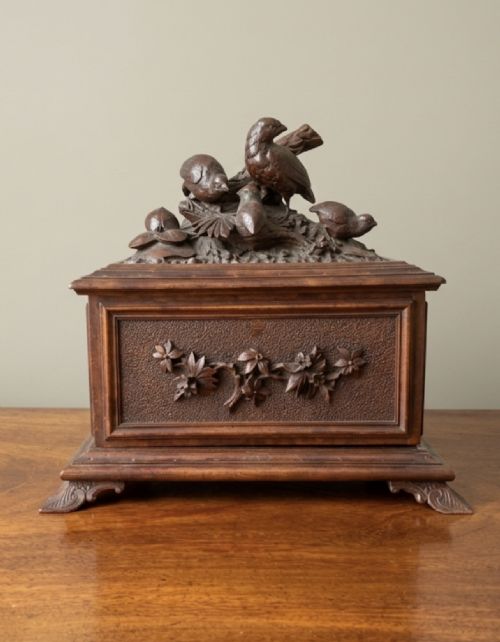
You will encounter pocket snuff boxes alongside larger silver cigar boxes and wooden humidors. The selection includes brass miners chew containers, salt glaze pottery cottages, and burr walnut locking cabinets.
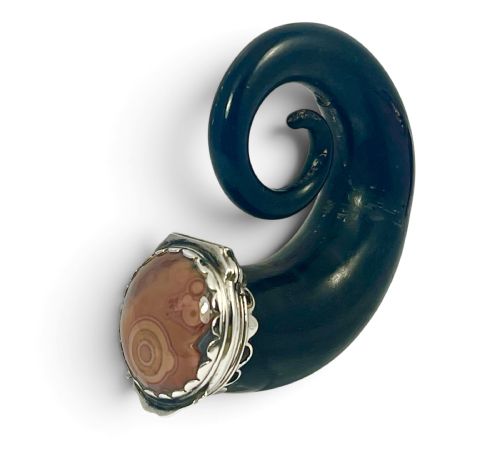
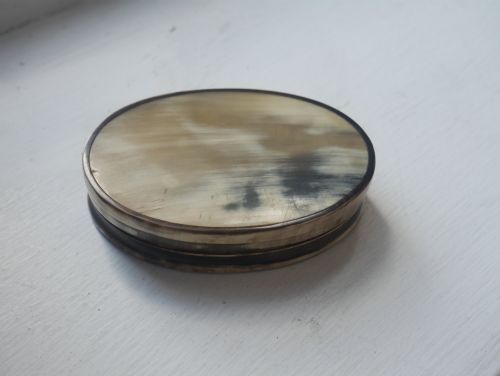
Materials shift between precious metals and practical substances. Silver, sterling silver, pewter, and brass appear alongside horn with citrine, carved wood from the Black Forest, and salt glaze pottery.
Materials and construction methods
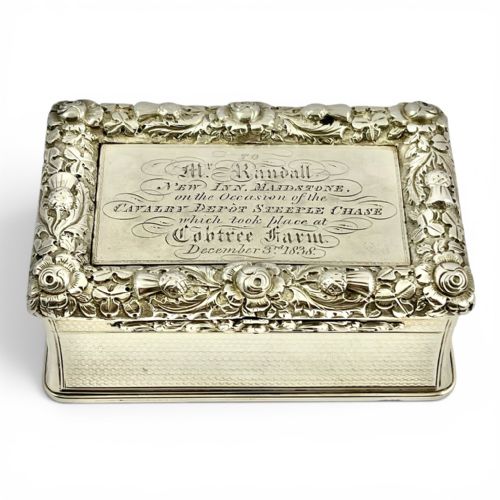
Metals are worked through stamping, casting, and silversmithing, producing solid silver pebble-shaped receptacles and heavy brass containers. Makers utilise sterling silver and pewter to shape sturdy pocket lids and hinged boxes that seal tightly against air.
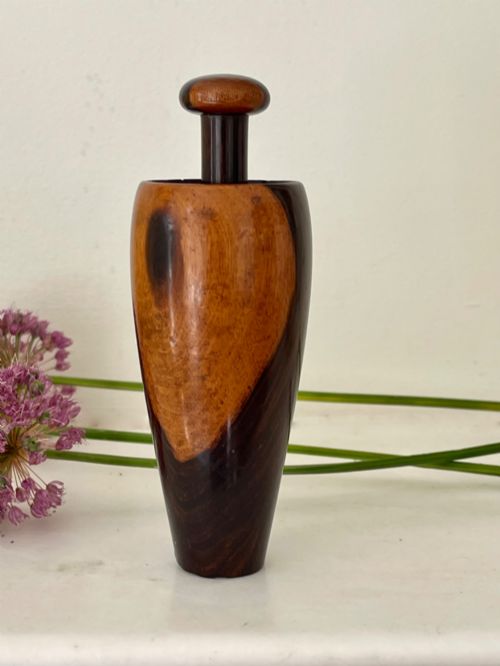
Organic materials receive careful hand-working, evident in the carved wooden Black Forest humidors and the polished horn adorned with faceted citrine. Burr walnut is polished to show deep grain, while pottery is salt-glazed and shaped into cottage forms.
Retail Price Guide 2026
Typical UK retail prices for victorian tobacco box, calculated from the Sellingantiques database of over a million retail prices indexed since 2003. This retail price guide relies exclusively on Sellingantiques data; no external sources or auction records are used, so the figures do not describe the wider market.
Listings span silver, brass, horn, citrine, burr walnut, leather, carved wood, pewter, and salt glaze pottery.
Distinctions in grade and execution
The division between standard workshop items and finer pieces rests in the selection of materials and the ambition of the design. A simple brass miner box serves a utilitarian function, whereas a burr walnut locking cabinet or a silver box by a named maker displays superior joinery and metalwork.
Decoration separates the ordinary from the distinguished. Surface carving on Black Forest wood, faceted citrine inset into horn, and crisp hallmarks on sterling silver elevate the piece from a basic utility container to a decorative object of substance.
George Unite·William German
The Victorian Tobacco Box Glossary
- Salt Glaze
- A pottery technique where common salt is thrown into the kiln during firing, producing a textured, pitted surface resembling orange peel.
- Citrine
- A yellow-to-orange quartz variety often faceted and set into nineteenth-century horn and metal boxes as decorative ornamentation.
- Humidor
- A moisture-controlled box or cabinet designed to keep cigars and tobacco fresh over extended periods of storage.
- Pebble Shaped
- A smooth, rounded organic contour favoured for pocket snuff boxes designed to fit comfortably in the hand or waistcoat.
- Burr Walnut
- Timber taken from a walnut tree growth, prized by cabinet makers for its complex, swirling grain patterns.
Frequently Asked Questions
What fits inside these boxes?
These containers were originally built to hold pipe tobacco, cigars, snuff, or plug tobacco. Their internal capacity varies from pocket-sized compartments for daily leaf to larger desktop cabinets designed for multiple cigars.
The smaller horn and silver pieces suit loose snuff or small portions, while the wooden humidors and brass containers accommodate larger smoking supplies.
How do I date a Victorian piece?
Dating relies on stylistic clues, materials, and occasionally hallmarks stamped into the metal. The Victorian period spans from eighteen thirty-seven to nineteen oh one, encompassing diverse revival styles and regional manufacturing.
Examining the hinges, locks, and inner linings provides further context, as mechanical construction methods shifted across the decades of the nineteenth century.
Were these used at home?
Pocket boxes travelled in waistcoats and pockets for on-the-go use, particularly the brass miners boxes and pebble-shaped silver snuff cases. Larger items remained stationary on desks, tables, and smoking room sideboards.
Table cabinets and pottery jars stayed in the domestic interior, holding reserves of leaf ready for the evening pipe or cigar.
How should I clean horn and silver?
Silver benefits from gentle polishing with a soft cloth to maintain its finish without removing antique patination. Horn requires dry dusting and occasional treatment with neutral oils to prevent drying out.
Harsh chemical dips and abrasive cleaners should be avoided on all nineteenth-century surfaces to preserve the original material integrity.