





19th Century Humidor
These 19th century humidor examples bring genuine period character to a desk or study, offering solid timber construction and rich historical detail for storing cigars.
19th Century Humidor
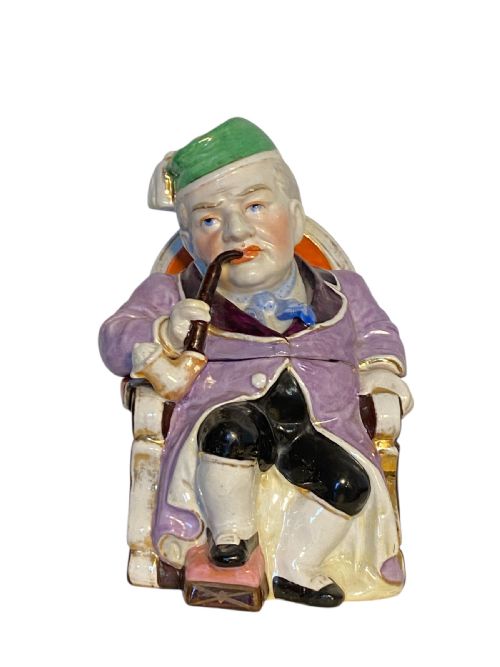
A 19th century humidor serves as a dedicated container designed to preserve the moisture of cigars and tobacco using dense woods and fitted metal or glass interiors. Buyers searching this phrase encounter a range of forms, from desktop caskets to figural carved wood pieces.
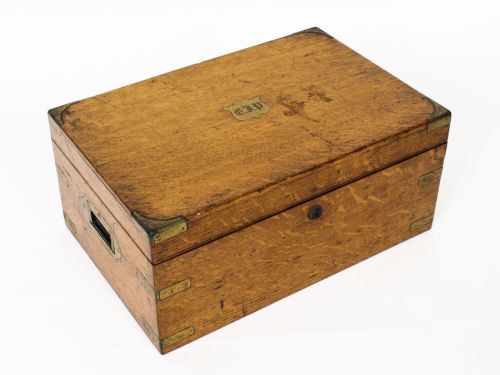
The pieces appearing on this page span the Victorian era, the Regency period, and specific decades such as the 1860s, 1870s, 1880s, and 1900. They include Black Forest carvings, oak railway boxes, and burr walnut cigar cabinets.
Many examples double as decorative objects or desktop collector cases, utilising materials like pollard oak, linden wood, and brass mounts. The selection ranges from architectural safes to animal carvings and silver-mounted boxes.
How they were made
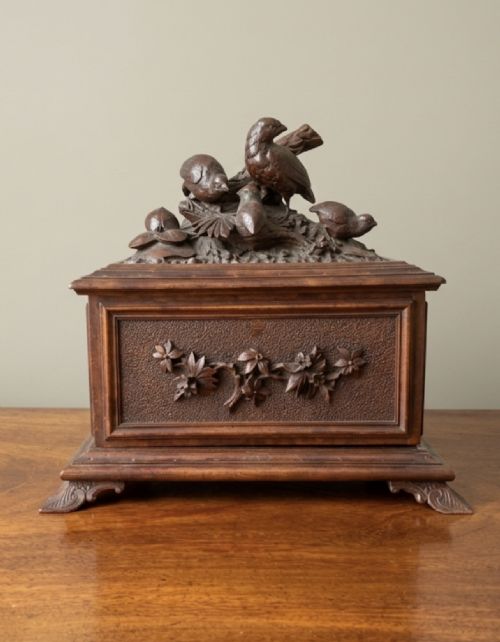
Cabinet makers utilised dense hardwoods like burr walnut, pollard oak, and linden wood to construct the main bodies of these boxes, ensuring stability and moisture retention. These timbers were selected for their pronounced grain patterns and ability to take deep hand-carved details.
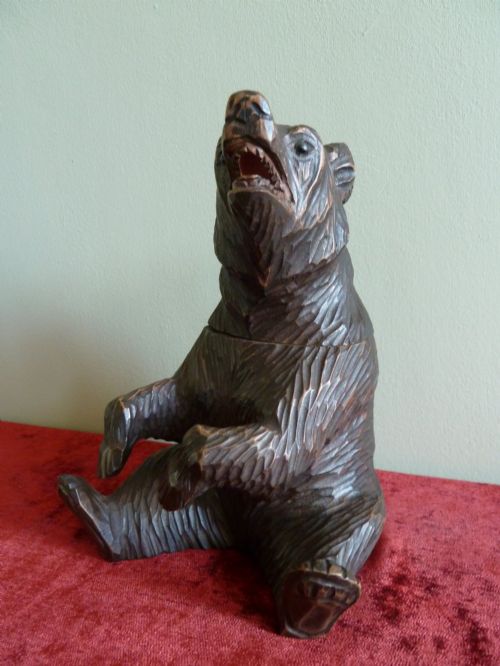
Carvers employed hand tools to shape figural subjects, such as bears and dogs, particularly within Black Forest traditions, working directly from solid blocks of wood. Metalworkers added brass bindings, silver plate, and gilt brass hinges to reinforce corners and secure lids.
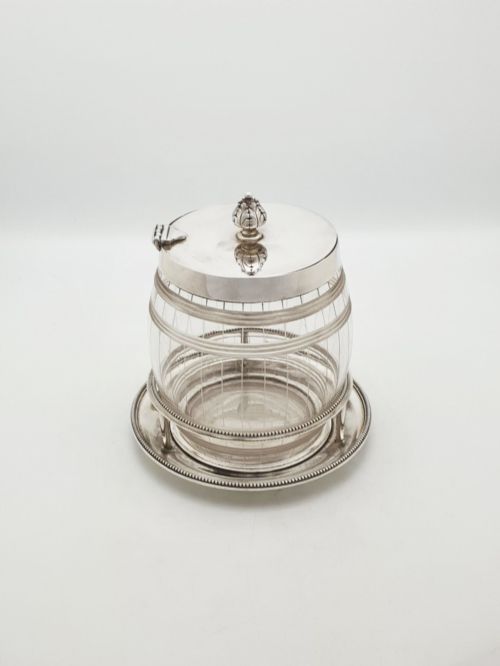
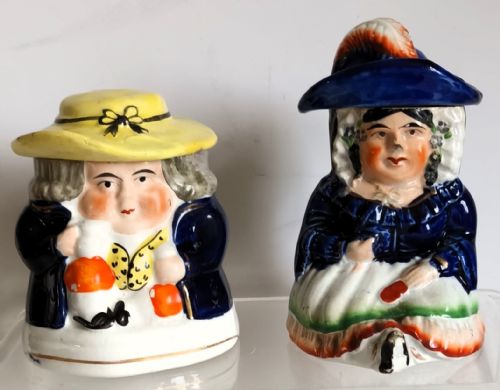
Interiors often incorporated crystal decanters, glass jars, or fitted compartments designed to separate smoking paraphernalia. Enamel panels and porcelain inserts occasionally provided decorative contrast to the warm tones of the timber.
Listings feature oak, burr walnut, brass, and glass materials across Victorian and Regency periods.
What varies in quality
The depth and precision of the hand-carved ornamentation separate standard containers from exceptional pieces, particularly in figural animal works where anatomical accuracy matters. Crisp undercutting and expressive detailing indicate a maker of higher skill.
The choice of timber grain and the complexity of the cabinet construction influence the overall character of the piece. Matched burr veneers and substantial brass mounts demonstrate superior workshop standards compared to plain constructions.
The retention of original interior fittings, working locks with keys, and internal glass or metal linings preserves the integrity of the design. Altered interiors or replaced hardware alter the original state of the box.
Elkington·Wright & Davies·Bernard Bloch·H. Greaves
The 19th Century Humidor Glossary
- Humidor
- A sealed box designed to store cigars at a constant humidity. These containers often feature tight-fitting lids and internal wooden or metal linings.
- Black Forest carving
- A style of wood carving originating from the Brienz region of Switzerland and the Black Forest in Germany. Pieces frequently depict local fauna such as bears and dogs rendered in linden wood.
- Burr walnut
- Timber taken from a walnut tree growth where the grain has grown in a deformed, swirling manner. Cabinet makers prized this wood for its decorative figured patterns on veneered surfaces.
- Tantalus
- A locking drink cabinet holding decanters visible behind a wooden bar. Certain examples incorporate humidor compartments alongside the glassware.
- Pollard oak
- Oak timber taken from trees that were pollarded, creating tightly grained wood with rich knot clusters. This material was frequently utilised by Victorian cabinet makers.
19th Century Humidor: Frequently Asked Questions
What is a 19th century humidor used for?
These boxes provided a secure, enclosed environment for storing cigars and loose tobacco during the Victorian period. The heavy timber construction helped maintain moisture levels for daily smoking.
Many wealthy households kept them in studies, libraries, or smoking rooms as functional desktop accessories. They also served as decorative presentation pieces for gentlemen.
How do I identify Black Forest carvings?
Black Forest pieces are typically carved from linden wood and depict naturalistic animals, most commonly bears, dogs, or stags. They often feature textured fur and glass eyes.
These items date from the 19th century and were produced primarily in European mountain regions for the tourist and export market.
What woods were used for these boxes?
Cabinet makers relied on durable hardwoods such as oak, walnut, and pollard oak to build the primary structures. Burr walnut veneers provided decorative patterned surfaces on Victorian examples.
Linden wood was favoured specifically for figural and deep relief carvings due to its fine grain and ease of working.
How do I date a Victorian cigar box?
Dating relies on stylistic clues, construction methods, and materials such as brass mounts, silver plate, or maker marks. Tax stamps or inscriptions on interior hardware occasionally provide precise decades.
Victorian pieces often display Gothic Revival, Regency influence, or naturalistic carving styles associated with the second half of the 19th century.
Can I still store cigars in them?
Most antique humidors lack modern humidification units and airtight seals required for long-term cigar storage today. Timber shrinkage over the decades can affect the closure of the lid.
Collectors generally appreciate them as decorative historical objects rather than relying on them for active cigar conditioning.