


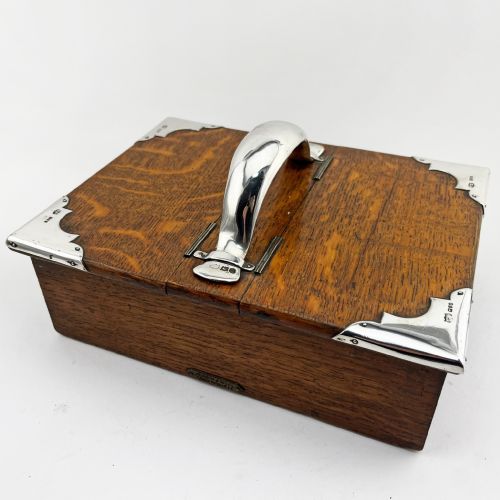
Antique Cigar Box
An antique cigar box holds the smokehouse heritage of the study and smoking room, offering a tactile receptacle shaped by past craftsmanship.
Antique Cigar Box
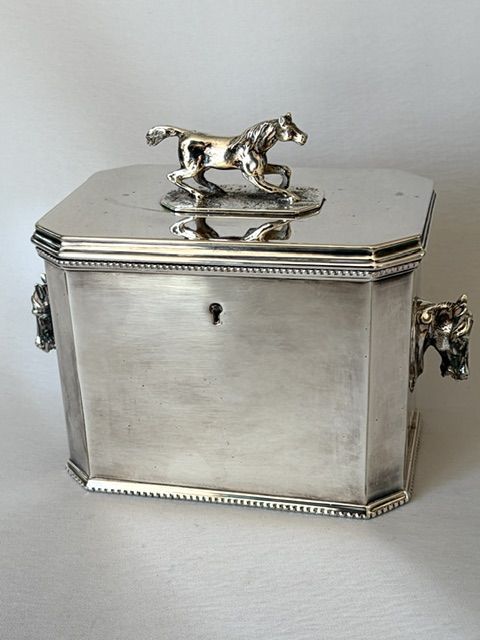
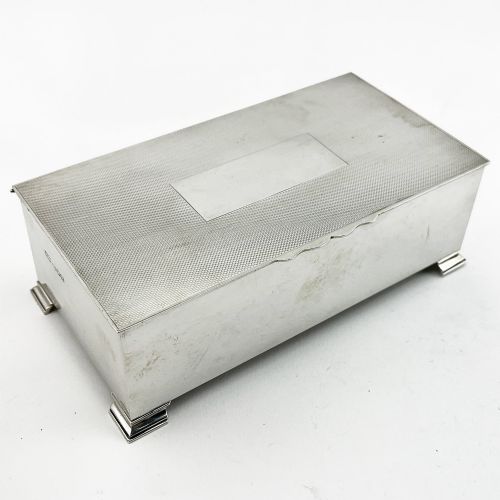
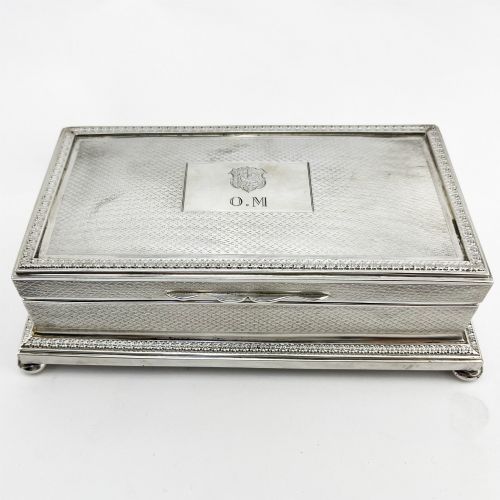
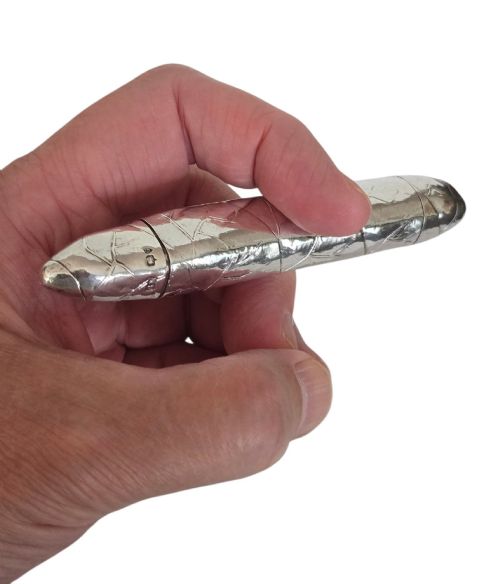
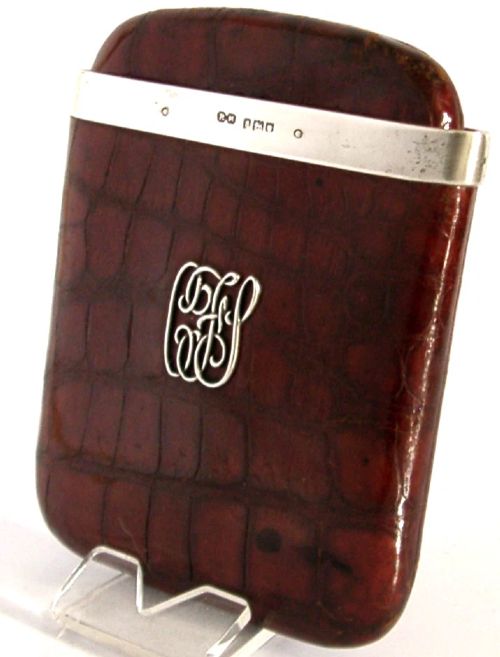
An antique cigar box serves as a functional receptacle designed to store and preserve smoking paraphernalia, spanning periods from the Georgian era through the mid-twentieth century. Collectors encounter varied formats, from modest pocket-sized cases to large desk cabinets and humidors intended for domestic or travel use.
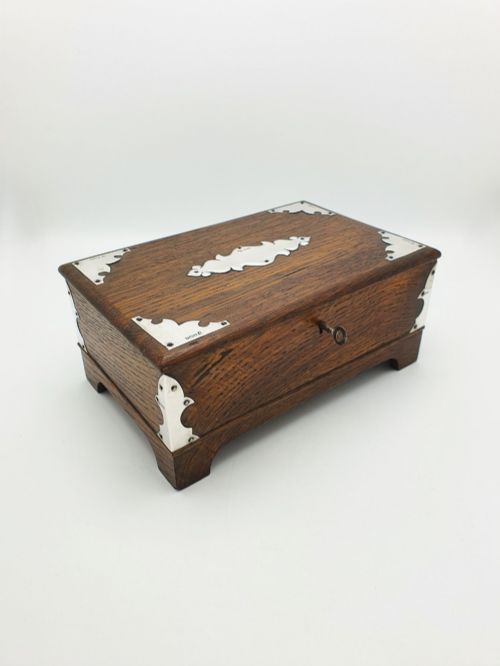
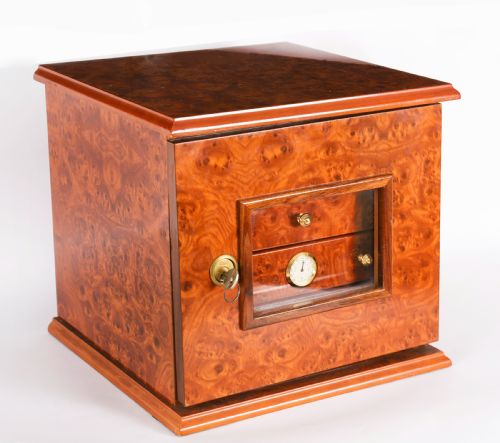
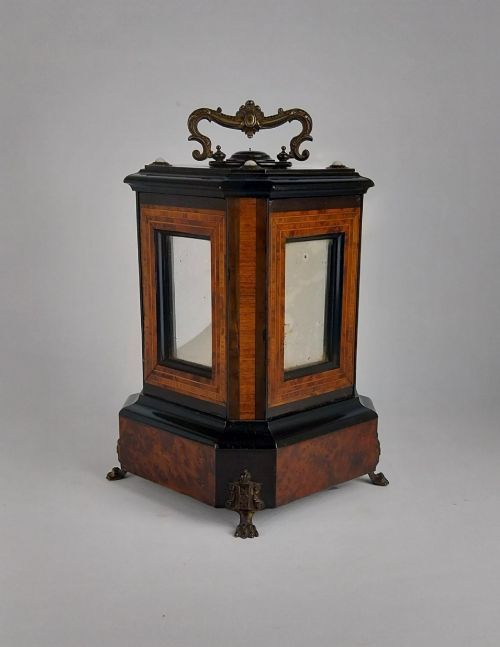
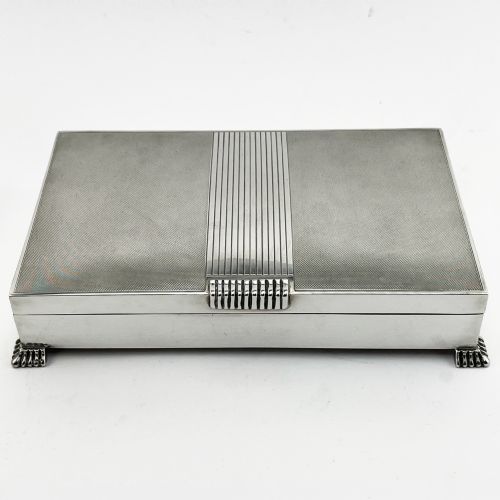
Wooden examples frequently utilise figured timbers like burr walnut, pollard oak, and linden wood, often configured with internal drawers, compartments, or humidifying mechanisms. Metal alternatives range from heavy sterling silver table boxes to copper and brass vessels bearing embossed or engraved ornamentation.
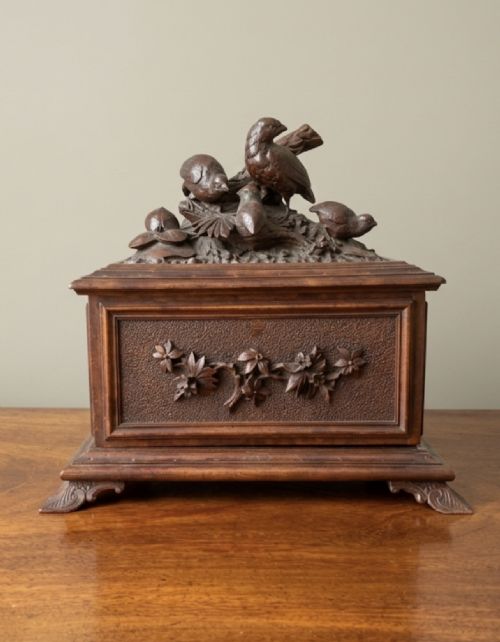
Novelty and regional iterations also appear within the genre, including hand-carved Black Forest animal figures, Dutch repoussé silver scenes, and Anglo-Indian export pieces. These functional objects reflect the changing domestic habits and social rituals surrounding tobacco consumption across the nineteenth and twentieth centuries.
How They Were Made
Cabinetmakers constructed wooden humidors using dense domestic and exotic hardwoods, frequently employing fine veneers such as burr elm and satinwood over stable carcases, supplemented by brass hinges, locks, and escutcheons. Interior fittings required precise joinery to ensure secure drawer alignment and compartment division.
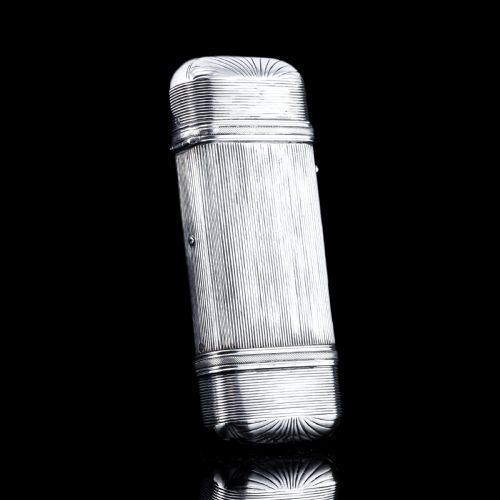
Metal boxes utilised heavy gauge sterling silver, copper, or brass, shaped through techniques including casting, hand-hammering, engine-turning, and repoussé relief work. Silversmiths mounted these metallic skins onto wooden linings or structured them as independent rigid containers with tight-fitting lids.
Materials span sterling silver, oak, burr walnut, and carved linden wood across Victorian, Edwardian, and Art Deco periods.
What Varies in Quality
The standard of an antique cigar box relies upon the integrity of its materials and the execution of its decorative details, whether through crisp hand-carving in wood or sharp, deep punch-work on silver mounts. Superior examples maintain original interior linings, operational locks with functioning keys, and tight lid closures.
Maker attribution and provenance elevate certain pieces, distinguishing standard commercial production from bespoke workshop creations bearing hallmarks of renowned silversmiths or specialist cabinetmakers. The complexity of internal mechanics, such as multi-drawer configurations or concealed compartments, further separates utilitarian containers from luxury desk furnishings.
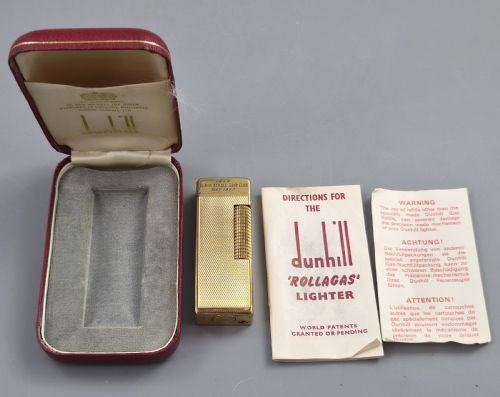
Mappin & Webb·Sampson Mordan & Co·Georg Jensen·Wang Hing & Co·Alfred Dunhill
The Antique Cigar Box Glossary
- Humidor
- A specialised moisture-controlled box designed to keep cigars fresh. These internal chambers often feature cedar linings to maintain proper humidity.
- Repoussé
- A metalworking technique where the artisan hammers the design from the reverse side to create relief ornament. This method decorates many silver table boxes.
- Engine-turned
- A geometric surface pattern mechanically etched into metal using a rose engine lathe. This decorative milling appears frequently on nineteenth-century silver cases.
- Black Forest
- A nineteenth-century style of intricate wood carving originating from central Europe. Pieces in this tradition often depict naturalistic animals.
Antique Cigar Box: Frequently Asked Questions
What is an antique cigar box used for?
These boxes provided secure storage and humidity control for cigars and cheroots in nineteenth and twentieth-century homes.
Today, collectors utilise them as decorative desk containers or secure receptacles for keepsakes and jewellery.
How do I date an antique cigar box?
Silver mounts and metal bodies carry official assay office hallmarks and date letters that identify the exact year of production.
Wooden cabinets require stylistic analysis of timber choice, brass hardware, and joinery techniques to determine the period.
Are wooden humidors still functional?
Many vintage wooden boxes retain tight-fitting lids and sound cedar or mahogany interiors suitable for modern storage.
Collectors should inspect internal seals and humidifying elements carefully before introducing fresh tobacco to older timber.
What materials are common in these boxes?
Examples frequently feature solid sterling silver, brass, copper, and plated metals alongside dense hardwoods like oak, walnut, and mahogany.
More decorative items incorporate carved linden wood, tortoiseshell, horn, and exotic skin overlays.