
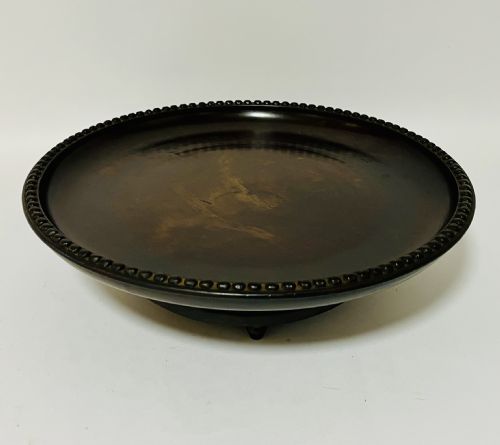
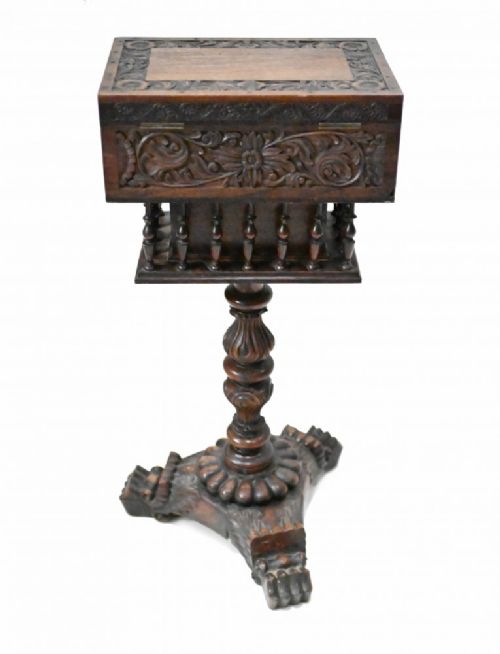
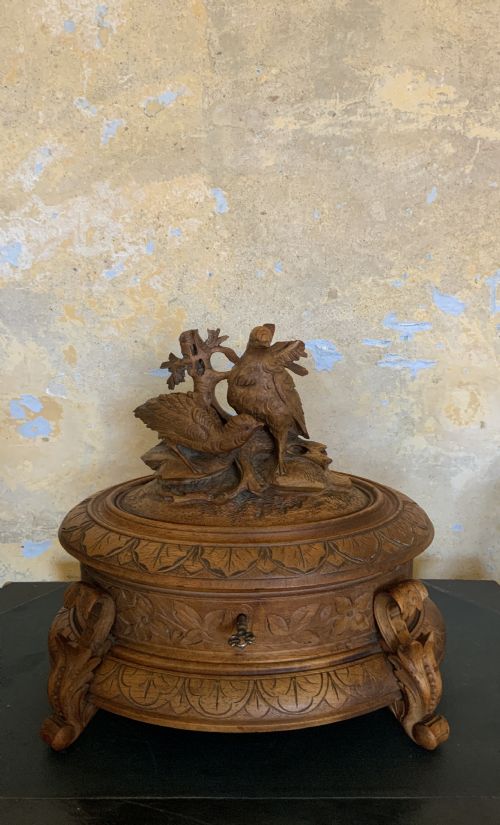
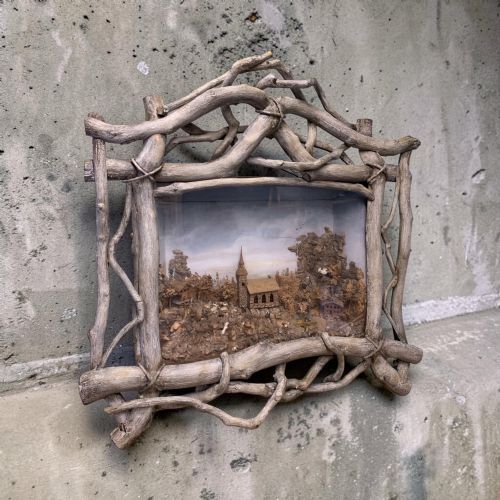
Victorian Carved Wood Box
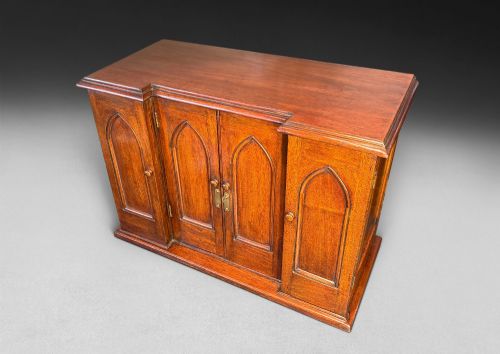
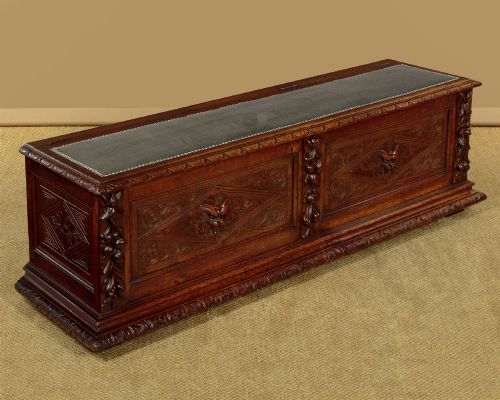
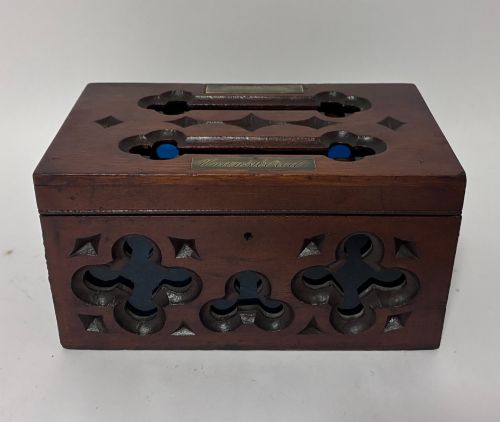
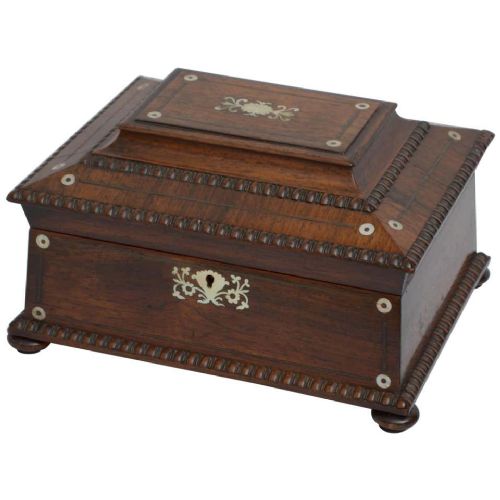
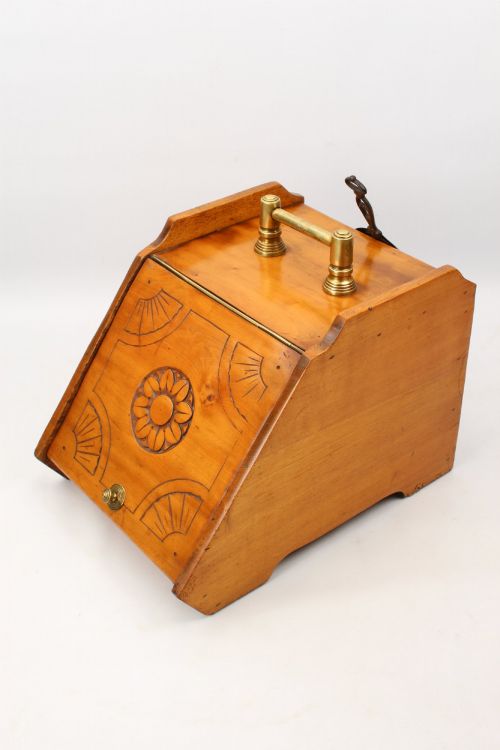
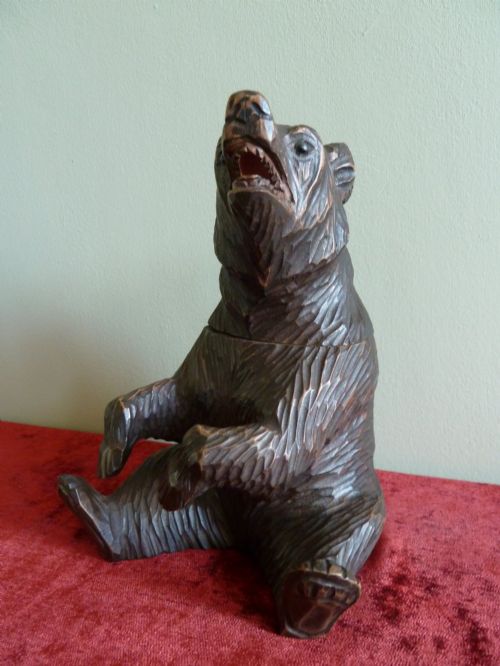
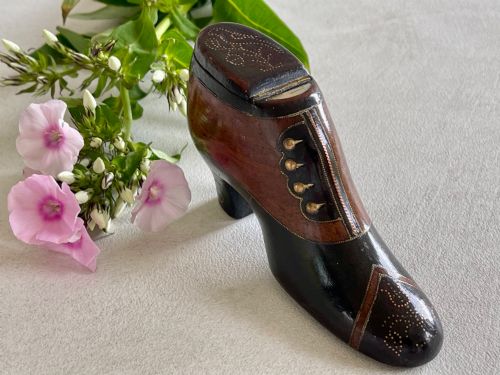
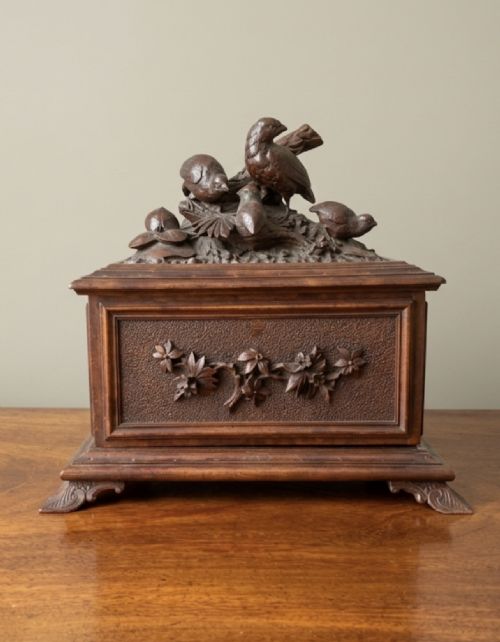
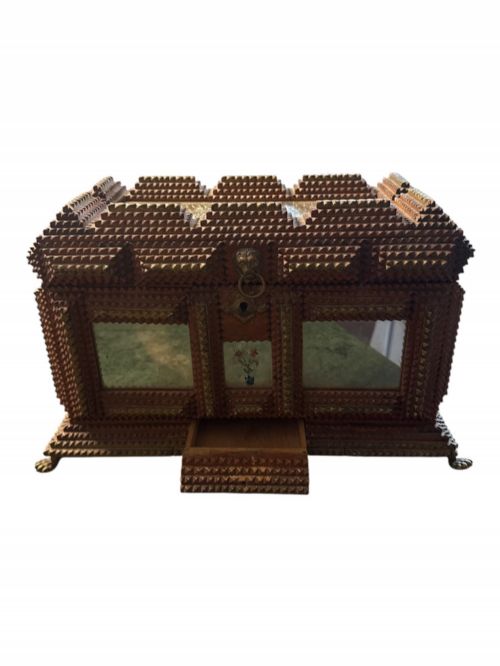
These Victorian carved wood box examples range from Black Forest tobacco holders to intricate jewellery chests.
Victorian Carved Wood Box
A victorian carved wood box serves various domestic storage needs, appearing on this page as correspondence boxes, jewellery chests, and small caskets. The pieces span the nineteenth century, including specific dates such as eighteen eighty and eighteen ninety.
Makers fashioned these items from dense timbers like oak, mahogany, walnut, and rosewood, often integrating brass hardware or glass elements.
Stylistic influences vary widely across the selection, encompassing Black Forest animal carvings, Anglo-Indian bone inlays, and Gothic Revival architectural motifs.
Materials and construction
Craftsmen utilised solid hardwoods including oak, mahogany, walnut, and rosewood, carving them directly or applying intricate surface chip-carving and marquetry inlays.
Many boxes incorporate secondary materials such as brass hinges, glass viewing panels, and bone details to complement the carved wooden structures.
Listings feature nineteen-century materials including brass, glass, oak, mahogany, walnut, rosewood, and carved wood across multiple box styles.
Assessing quality
The standard of a carved wooden box depends heavily on the depth and crispness of the hand-carving, particularly in complex figural representations like Black Forest animal studies.
Superior examples demonstrate precise joinery, well-fitted lids, and high-grade timber selection such as burr walnut or coromandel rather than simpler deal or basic oak.
The Victorian Carved Wood Box Glossary
- Black Forest
- A nineteenth-century style originating in Switzerland and Germany, known for realistic animal carvings in linden wood and walnut.
- Marquetry
- The art of applying thin slices of wood veneers to a structure to form decorative patterns and pictures.
- Treen
- Small handmade wooden domestic objects, ranging from snuff boxes to small bowls, collected for their utility and age.
- Cellarette
- A lockable cabinet or box designed to hold bottles of wine, frequently rendered in mahogany or oak.
Victorian Carved Wood Box: Frequently Asked Questions
What were carved wood boxes used for?
Victorian households utilised these containers to store correspondence, jewellery, tobacco, and small personal valuables securely.
Their decorative nature also allowed them to sit prominently on desks, tables, and mantlepieces as ornamental furnishings.
How do I date a wooden box?
Dating relies on examining the timber species, construction methods, hinge types, and stylistic cues like Gothic Revival or Black Forest motifs.
Makers marks, inscriptions, or dated inlays occasionally provide precise manufacturing years within the nineteenth century.
Are these boxes made of solid wood?
Many pieces utilise solid hardwoods such as oak, mahogany, rosewood, or walnut throughout their primary construction and carved elements.
Others incorporate decorative wood veneers applied over secondary timbers, frequently enhanced with marquetry or inlay work.
How should I clean a carved box?
Maintenance requires gentle dusting with a soft, dry cloth to protect fragile carved details and delicate wooden surfaces.
Avoid using harsh chemical polishes or water, applying only appropriate antique wax sparingly if the timber appears dry.