

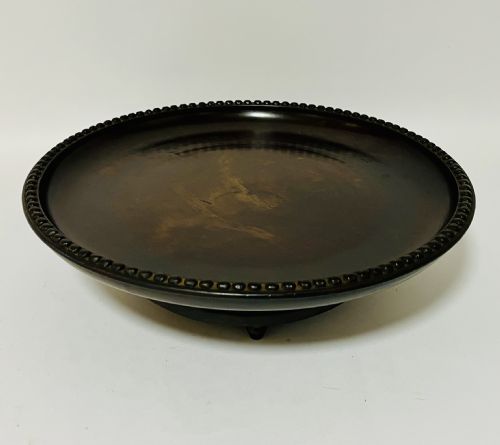


Swiss Carved Wooden Box
These swiss carved wooden box pieces bring expressive animal carvings and intricate foliage straight into a room, offering both practical storage and distinctive nineteenth century folk art charm.
Swiss Carved Wooden Box
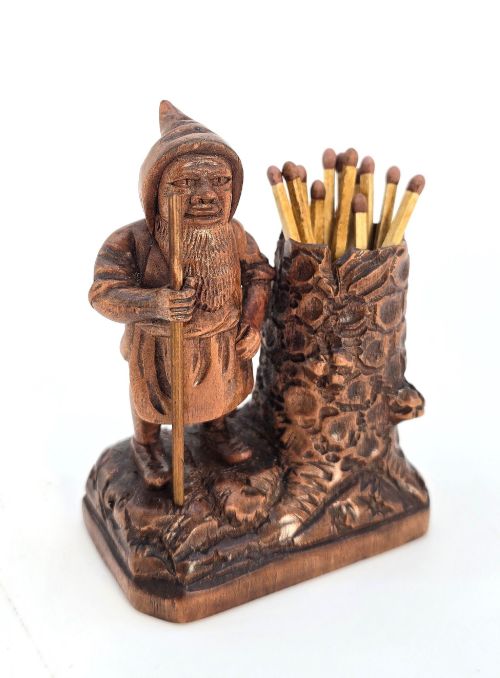
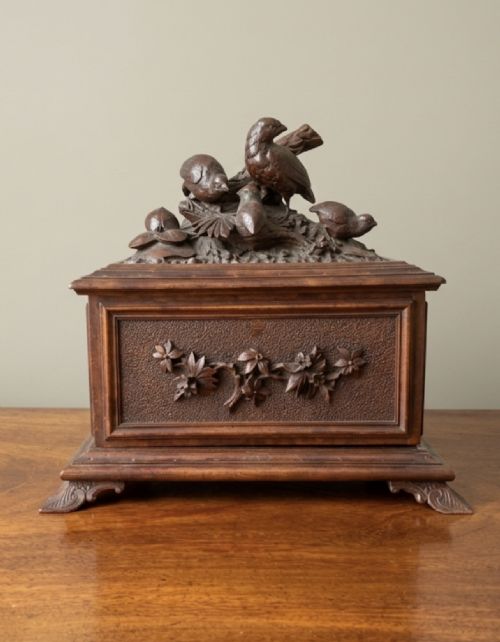
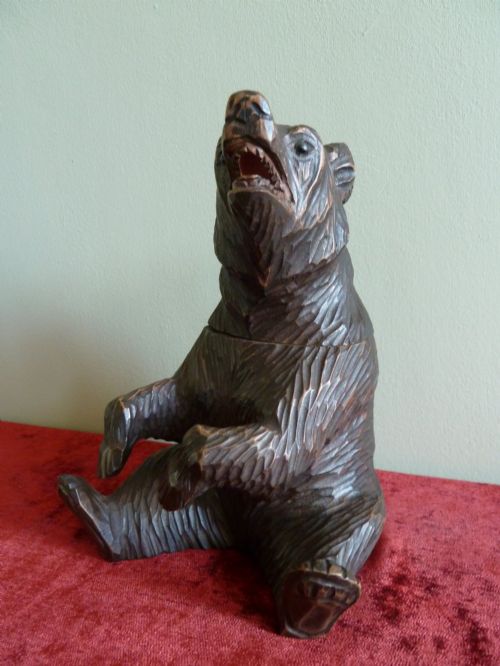
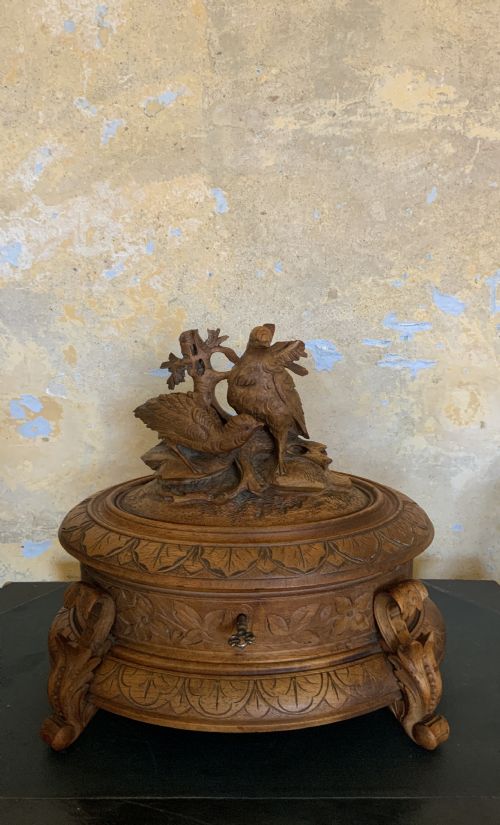
A swiss carved wooden box typically takes the form of a linden wood or walnut casket, humidor, or tobacco jar, often featuring detailed representations of bears, dogs, or gnomes. These items emerge primarily from the nineteenth century and the early decades of the twentieth century, bridging Victorian decorative arts and regional folk traditions.
Buyers encounter a variety of functional forms, including match holders, jewellery boxes, musical bowls, and desk tidies alongside standard lidded caskets. The Black Forest style dominates these selections, bringing deep relief carving and naturalistic animal subjects directly to domestic interiors.
Makers shaped these functional containers from native timbers to serve specific roles in smoking rooms, hallways, and boudoirs. The regional craftsmanship balances rustic charm with precise chisel work, creating items that function equally well as display objects and secure receptacles.
How they were made
Carvers utilised regional timbers such as linden wood, limewood, and walnut, selecting woods with tight grain structures that allowed for deep, crisp undercutting without splintering. These softer hardwoods responded readily to hand gouges and chisels, enabling artisans to model fur texture, facial expressions, and complex foliate motifs with high fidelity.
Construction techniques combined traditional joinery with applied relief elements, sometimes incorporating brass hardware, glass inserts, or musical movements within the wooden carcass. Surfaces received careful finishing with wax or dark stain to highlight the tonal variations and grain patterns of the carved walnut and limewood bodies.
Swiss Carved Wooden Box Retail Price Guide 2026
Typical asking prices for swiss carved wooden box among the pieces listed under this phrase on Sellingantiques today, from the lower quarter to the upper quarter. They describe what is for sale here now, not the wider market.
Materials documented across the inventory include carved limewood, brass, glass, and dark stained wood.
What varies in quality
Material selection and decorative complexity also define the grading, with fine examples integrating marquetry inlay, specialised brass fittings, or fully functional musical movements into the wooden structure. The crispness of the finishing work ensures that intricate foliage and fur details remain sharp rather than softened by excessive sanding or later over-polishing.
B A Bremond
The Swiss Carved Wooden Box Glossary
- Black Forest
- A regional style of wood carving originating in central Europe during the nineteenth century, known for naturalistic animals, foliage, and rustic household objects. This tradition heavily influenced Swiss and German workshops producing decorative caskets and furniture.
- Linden wood
- A pale, fine-grained timber frequently utilised by nineteenth century carvers due to its soft yet stable properties. It allows intricate, deep relief work without splitting along the grain.
- Humidor
- A specialised moisture-controlled box designed to store cigars or tobacco safely. These containers often featured airtight lidded compartments and carved animal motifs.
- Marquetry
- The art of applying small pieces of veneer to a wooden structure to form decorative patterns or pictures. Walnut bases frequently incorporated this technique alongside carved elements.
- Desk tidy
- A small compartmentalised tray or box intended for holding stationery, inkwells, and writing accessories. These practical items often doubled as miniature sculpture in folk art collections.
Swiss Carved Wooden Box: Frequently Asked Questions
What were swiss carved wooden boxes used for?
These boxes served domestic roles as humidors, tobacco jars, jewellery caskets, and match holders in nineteenth century interiors. Their compartments kept valuable or aromatic items secure while displaying fine craftsmanship.
Over time, owners also utilised them simply as decorative centrepieces on desks, side tables, and mantelpieces. Their sculptural forms allowed them to function simultaneously as art objects and practical storage.
How do you date a carved wooden box?
Dating relies on examining the timber species, the style of carving, the hardware, and any regional hallmarks or signatures present on the piece. Nineteenth century examples typically show hand-tool marks and traditional joinery methods.
Comparisons with documented Swiss and Black Forest production eras help narrow the manufacturing window. Elements like integrated musical movements or brass hinges provide additional chronological markers.
How do I care for antique carved wood?
Preserving these pieces involves keeping them away from direct sunlight, extreme heat sources, and rapid humidity fluctuations. Stable environmental conditions prevent the linden wood or walnut from shrinking and cracking.
Applying a light, microcrystalline wax periodically helps nourish the timber and protect the hand-carved surface without attracting dust. Avoid harsh chemical cleaners and modern polishes.
What is the Black Forest style?
The Black Forest style encompasses deeply carved wooden items featuring naturalistic representations of animals, trees, and native foliage. Bears, dogs, and alpine scenery dominate the visual vocabulary of this tradition.
Originating in central European forest regions, workshops produced everything from large hall stands to small tobacco boxes using this distinct sculptural approach. The aesthetic prioritizes texture and dynamic movement over rigid symmetry.