



Victorian Collector Chest
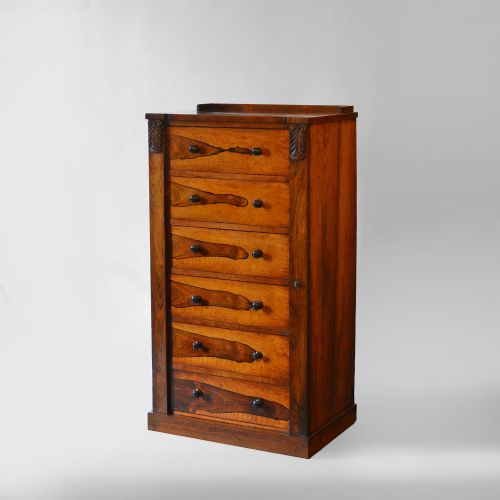
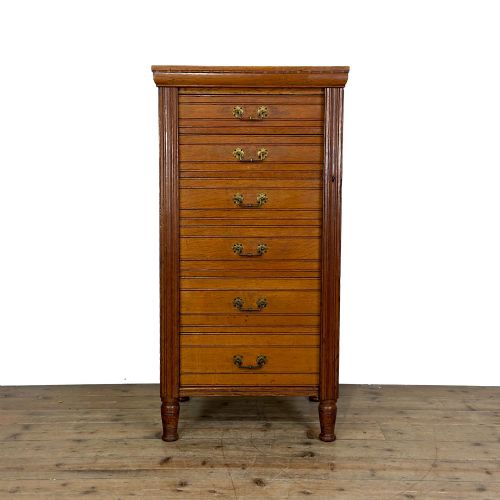
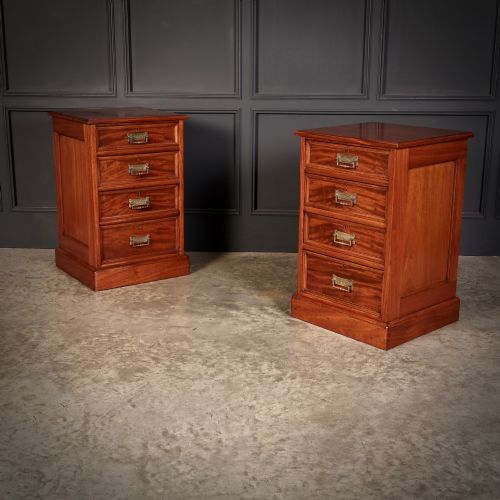
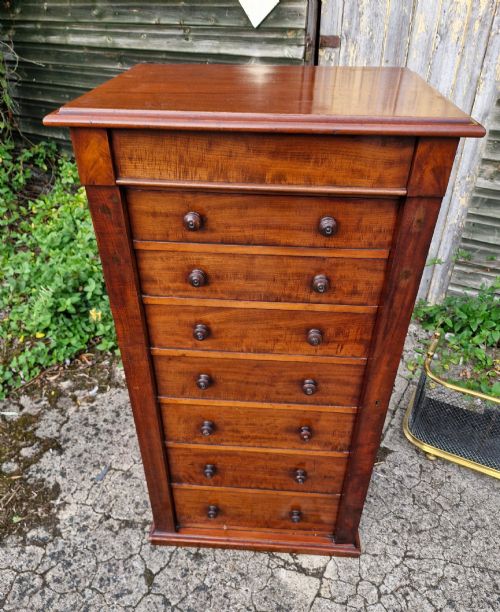
A victorian collector chest is a specialist piece of storage designed for specimens and curiosities, combining secure drawer arrangements with fine timber craftsmanship.

Victorian Collector Chest
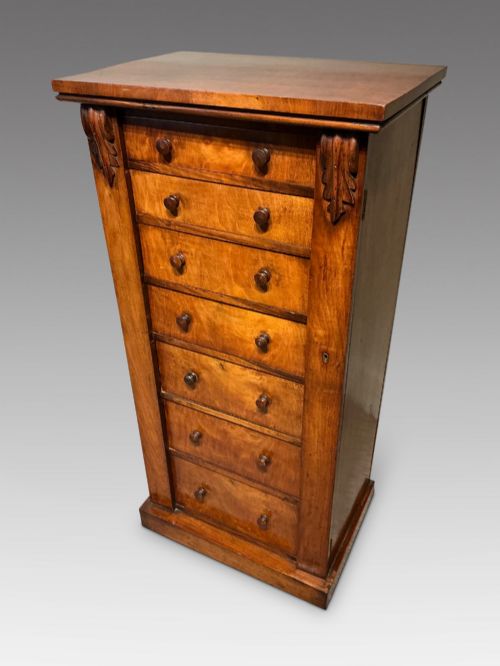
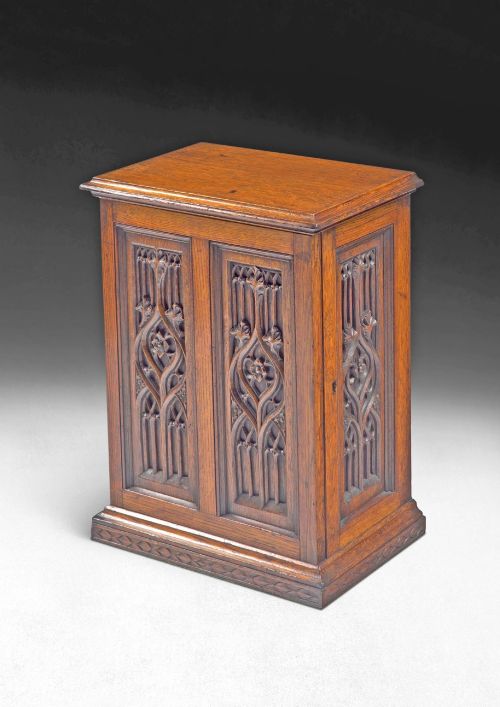
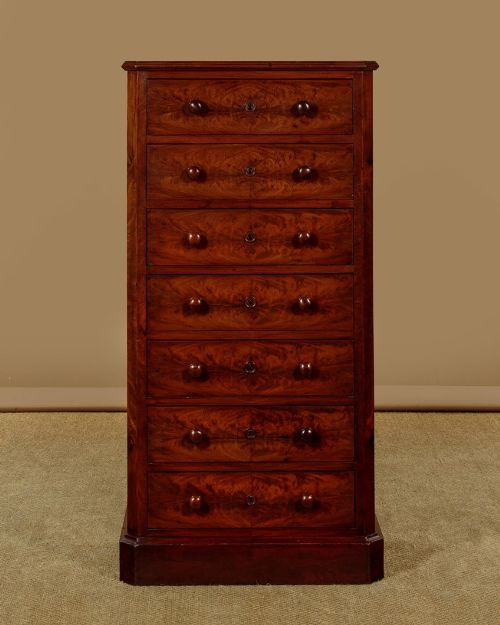
A victorian collector chest serves as a dedicated cabinet for housing natural history specimens, coins, minerals, and documents. These pieces generally take the form of multi-drawer case furniture designed to protect delicate items from dust and light.
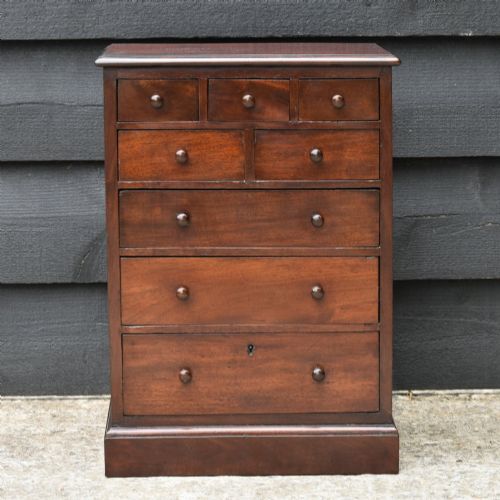
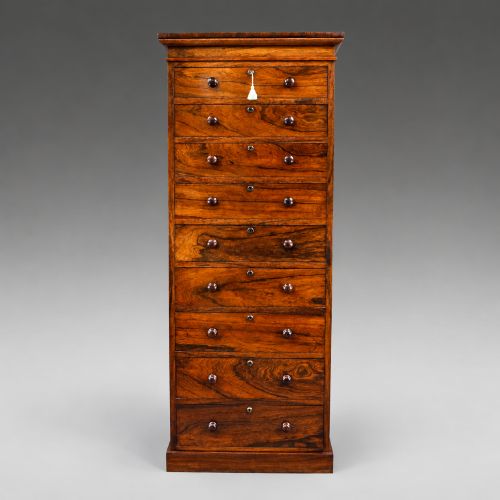
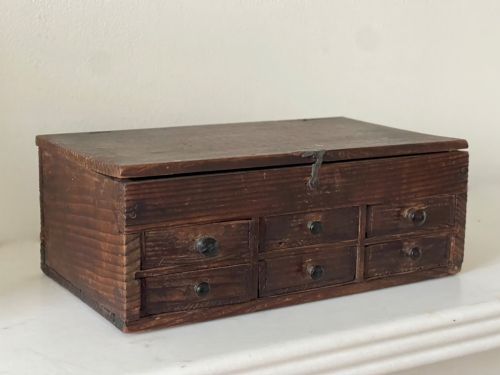
Mahogany, walnut, and burr walnut dominate the construction of these cabinets, alongside occasional examples in deal, oak, satinwood, ash, and pine. Wellington styles and miniature or apprentice formats also appear frequently across the selection.
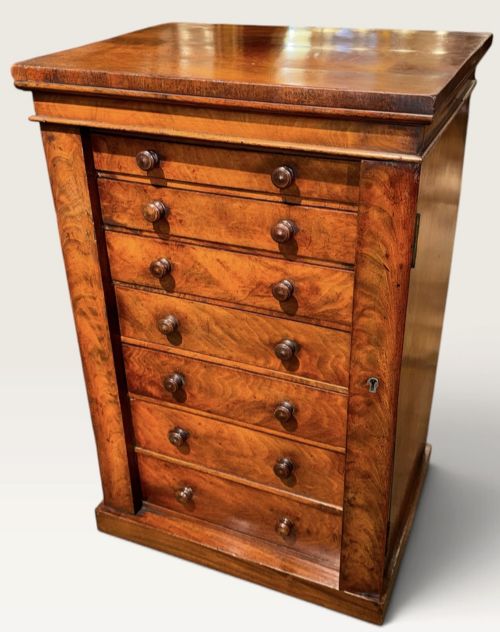
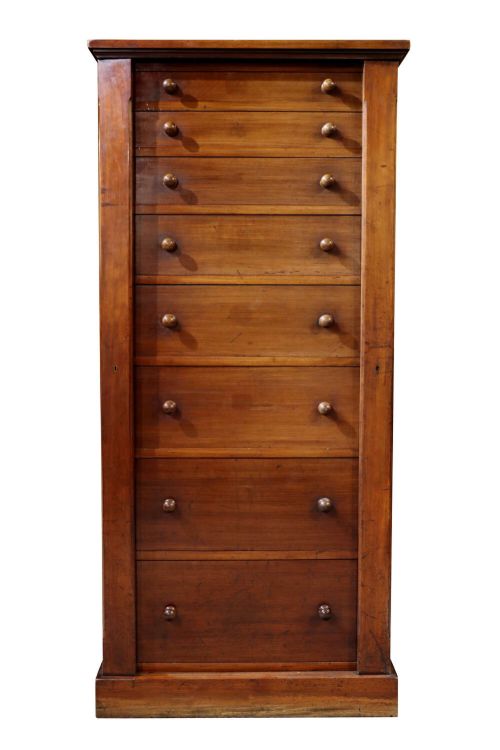
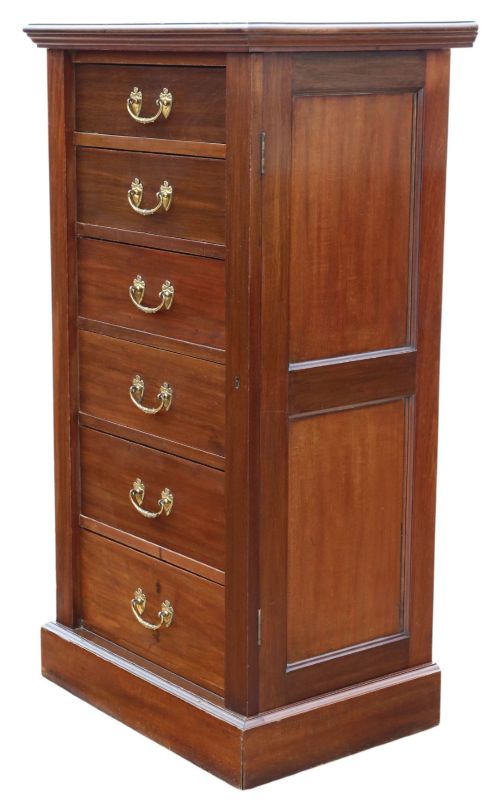
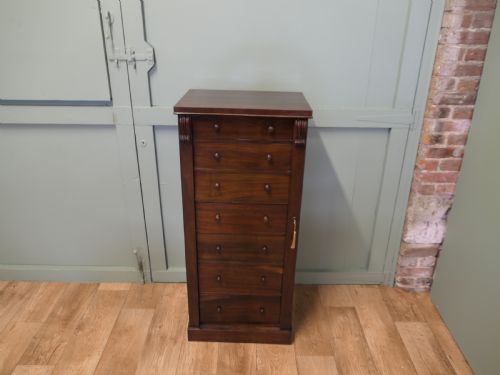
The layout incorporates numerous shallow drawers fitted within a vertical carcase, sometimes secured by a locking side stile typical of Wellington designs. Interiors often feature velvet linings and boxwood inlay details.
Construction and Materials
Cabinetmakers utilised dense timbers such as mahogany and walnut for the primary carcases and drawer construction, applying decorative veneers like burr walnut and satinwood to primary surfaces. Brass hardware, glass panels, and boxwood inlay provide functional and visual contrast.
Interiors frequently incorporate velvet linings to cushion specimens, alongside precise boxwood stringing and brass locks such as Chubb mechanisms. Deal and pine serve as secondary woods for internal framing and drawer linings in various examples.
Victorian Collector Chest Retail Price Guide 2026
Typical asking prices for victorian collector chest among the pieces listed under this phrase on Sellingantiques today, from the lower quarter to the upper quarter. They describe what is for sale here now, not the wider market.
Listings feature mahogany, burr walnut, walnut, deal, oak, satinwood, ash, and pine across various Victorian specimen and Wellington formats.
Quality Variations
The standard of timber selection and veneer matching defines the visual hierarchy among these cabinets, with burr walnut and figured mahogany representing high-status execution. Finely figured grains and intricate boxwood inlay require advanced carpentry skills.
Mechanical integrity in the locking mechanisms, such as original Chubb locks and smooth-running drawer tiers, separates superior examples from utilitarian storage pieces. The presence of specialised interior fittings like glass display elements elevates the execution.
The Victorian Collector Chest Glossary
- Wellington chest
- A tall, vertical chest of drawers featuring a hinged locking stile on one side that secures all drawers simultaneously. This mechanism became popular during the nineteenth century for secure document and specimen storage.
- Specimen chest
- A specialised cabinet containing numerous shallow drawers intended for organising natural history items, insects, or coins. These drawers often feature glass lids or dust lips.
- Burr walnut
- A highly decorative wood veneer obtained from walnut tree growths, characterised by swirling grain patterns. Cabinetmakers utilised this timber for luxury facades during the Victorian period.
- Deal
- A soft timber derived from pine or fir species, frequently employed for secondary carcase parts, drawer sides, and backs. Stained deal served as a cost-effective alternative to hardwoods.
- Boxwood inlay
- Narrow strips of pale boxwood embedded into contrasting darker wood surfaces to create geometric borders and decorative lines. This technique highlights the edges of drawers and panels.
Victorian Collector Chest: Frequently Asked Questions
What were collector chests originally used for?
These cabinets housed scientific specimens, botanical samples, coins, and small artefacts gathered during the nineteenth century. Collectors required shallow, dust-proof drawers to preserve delicate items safely.
Natural history and antiquarian pursuits drove the demand for specialised cabinetry that kept collections organised and protected from environmental damage.
How do Wellington styles differ from standard chests?
Wellington chests feature a distinctive locking stile on the right side that fastens over the drawer edges. A key secures the entire vertical stack at once.
This design provided heightened security for confidential documents, specimens, or valuables stored within the multiple shallow tiers.
What timbers are most common in these pieces?
Mahogany and walnut form the primary structure for the majority of surviving examples. Burr walnut veneers appear on finer decorative models.
Alternative materials include oak, deal, pine, satinwood, and ash, depending on the intended utility and regional workshop traditions.
How can I integrate a collector chest at home?
The shallow drawers suit the storage of jewellery, stationery, and small flat collections in modern interiors. Tabletop and miniature versions fit easily on desks or sideboards.
Larger freestanding variants function effectively as focal points in studies or living spaces while continuing their original archiving role.