
Vintage Collector Chest
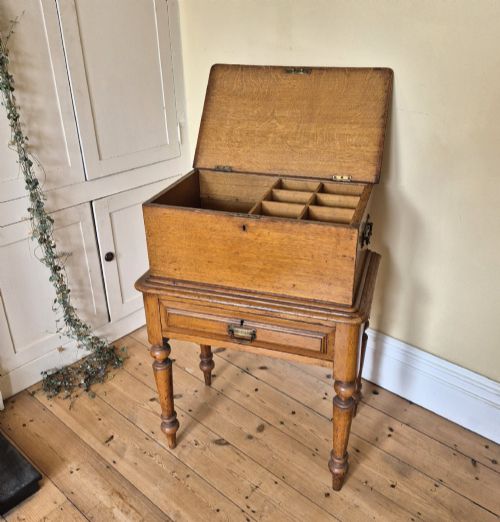
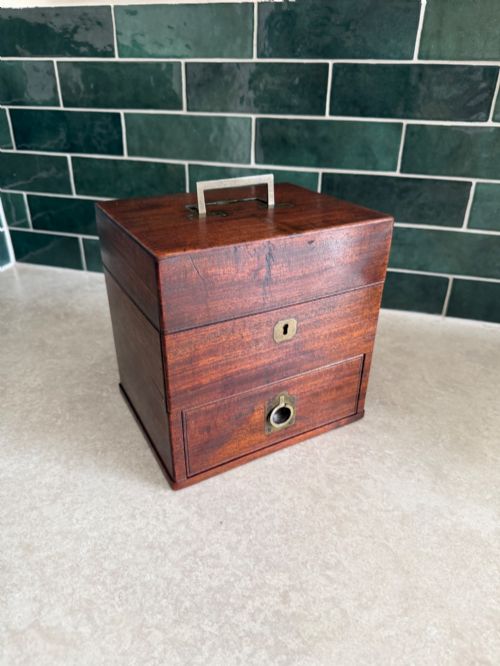
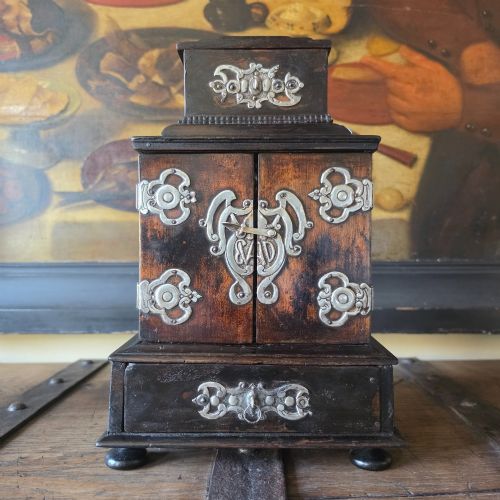
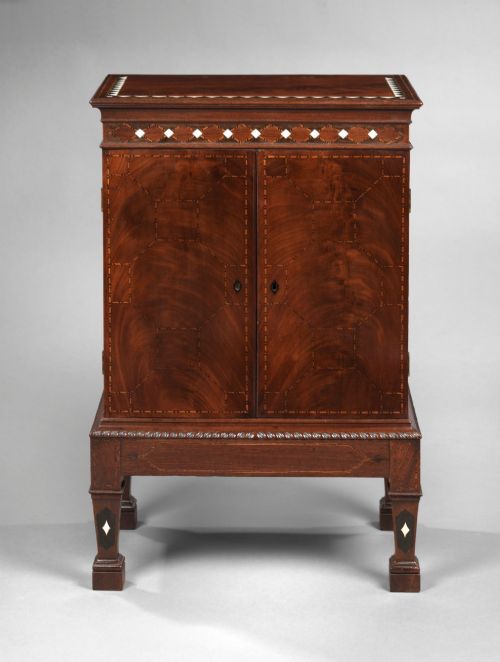
A vintage collector chest gathers small drawers and fitted compartments designed to hold specimens, letters, or tools in compact domestic or office spaces.
Vintage Collector Chest
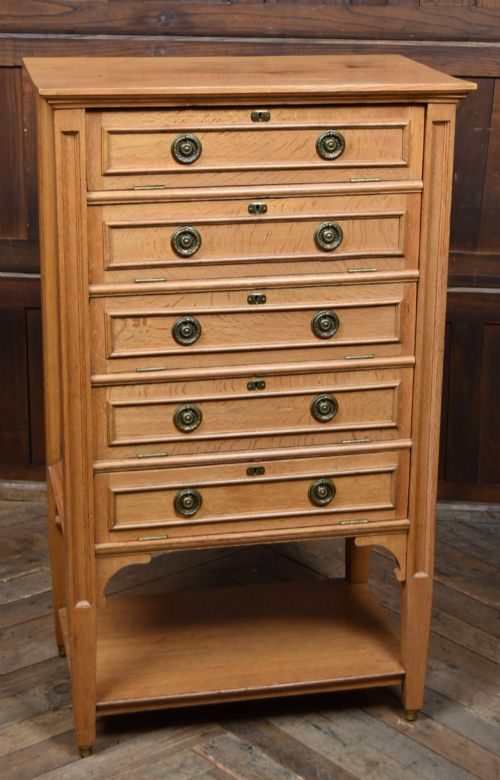
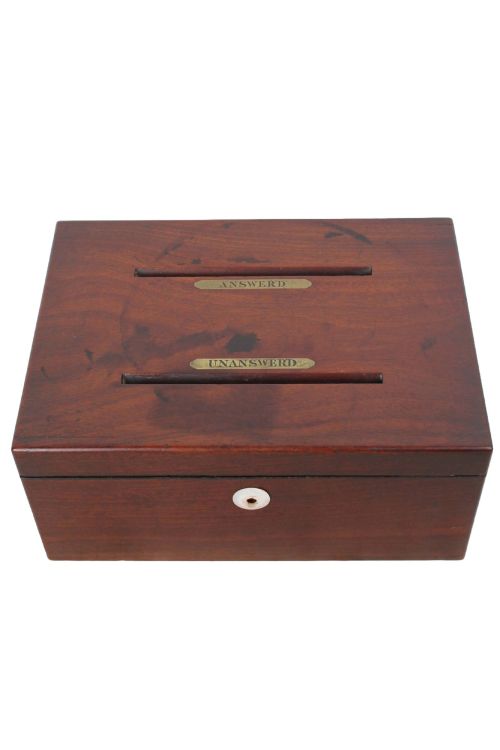
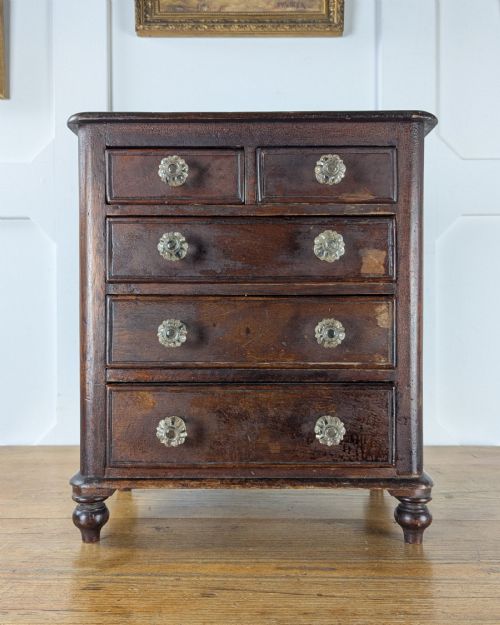
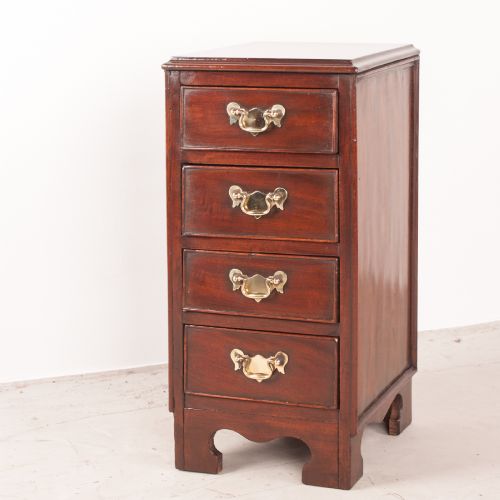
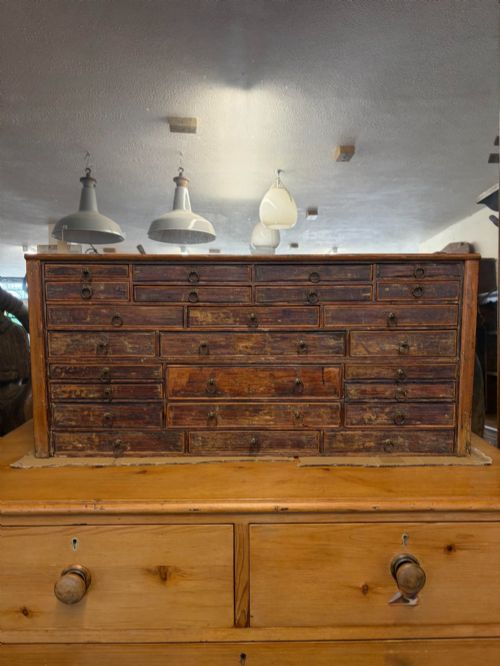
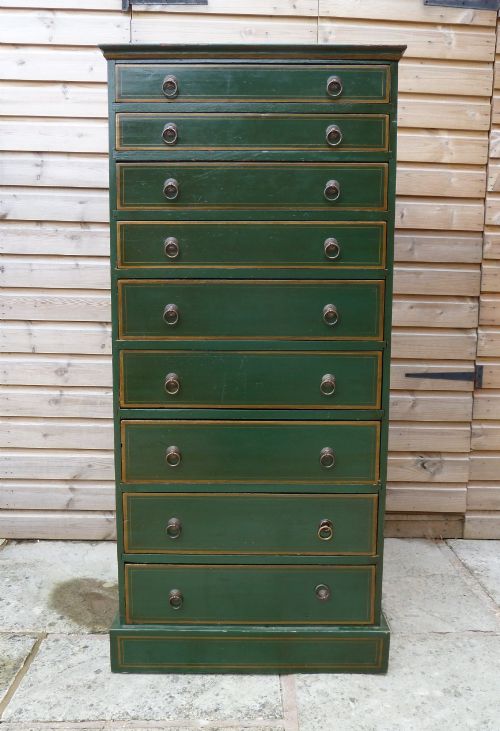
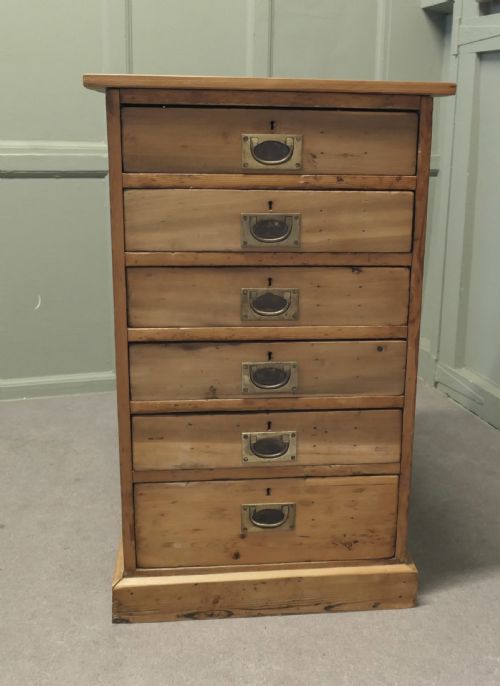
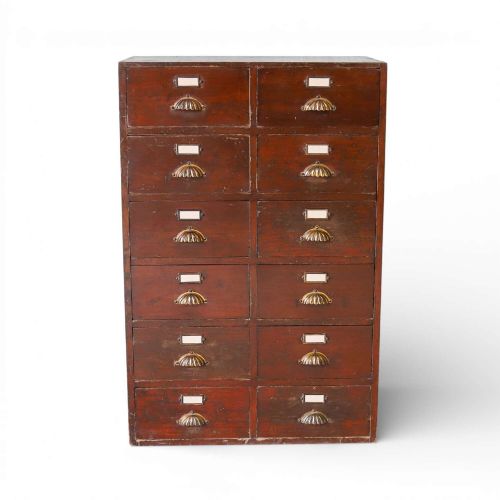
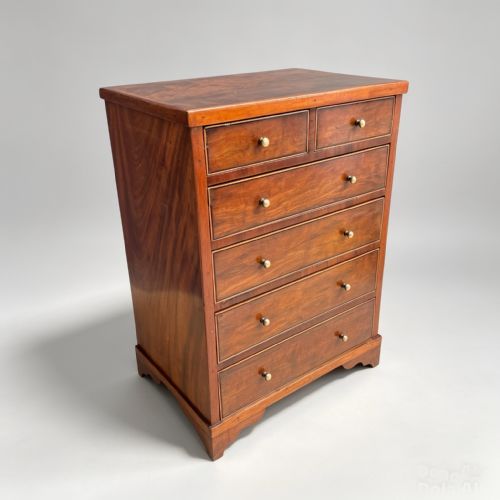
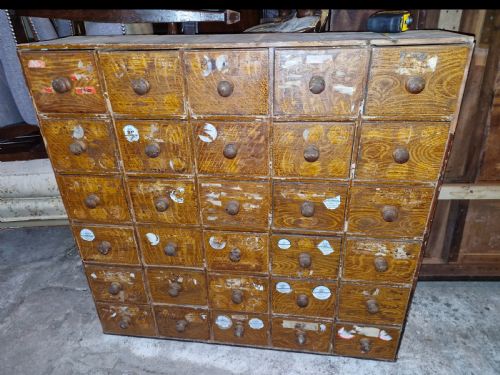
A vintage collector chest encompasses a wide variety of multi-drawer cabinetry spanning from the Georgian period through the Edwardian era and into the early twentieth century. Buyers encounter forms ranging from apothecary and spice drawers to campaign filing cabinets, miniature apprentice chests, and large banks of office drawers.
The materials utilised reflect both utilitarian and domestic origins, moving from country pine and oak to fine mahogany, satin walnut, and fruitwood. Many examples originate from specific institutional or commercial settings, such as railway offices, florists, and chemists, while others served private collectors of specimens, jewellery, and letters.
Materials and Construction
Makers constructed these cabinets primarily in solid hardwoods like mahogany and oak, alongside softer woods such as pine and deal for utilitarian office and workshop storage. Joinery relied on sturdy methods suited to heavy daily use, housing numerous small drawers within tight carcases.
Hardware played a functional role, utilising brass label holders, shell pulls, and flush campaign handles designed to withstand frequent handling. Surfaces were frequently stained, polished, or left with painted finishes depending on whether the piece destined a polite interior or a working office.
Some nineteenth-century spice drawers still retain faint herbal aromas locked into their pine sides after two hundred years.
Design and Execution
Quality reveals itself in the scale and proportion of the multi-drawer arrangement, particularly in the precision required to house dozens of small compartments uniformly. Finer pieces employ dense timbers like mahogany and walnut alongside careful secondary woods, while simpler utility versions rely on painted or stained pine.
The integrity of original brass fixtures, shell pulls, and integrated label holders distinguishes standard utilitarian banks from superior cabinetwork. Superior examples show refined secondary details, such as inlaid brass work or finely turned feet, maintaining structural cohesion across numerous drawer tiers.
Luxmore's of Ilfracombe·North Eastern Railway·Brady of Edmonton·D Napier and Sons
The Vintage Collector Chest Glossary
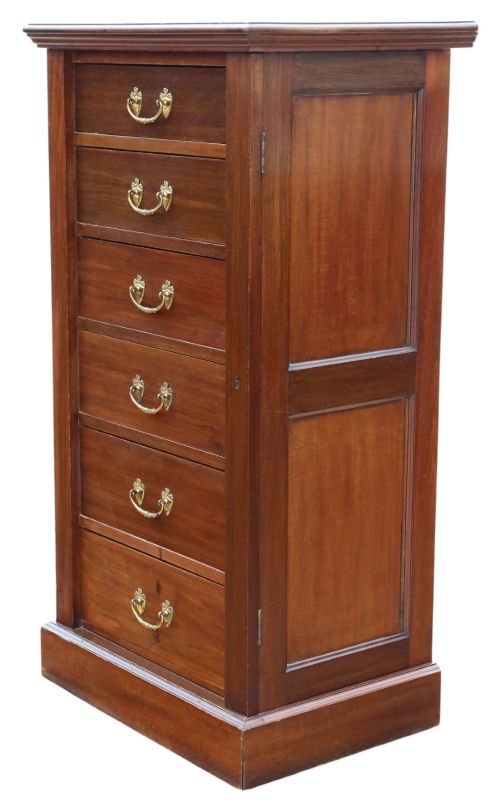
- Wellington chest
- A tall, narrow chest of drawers secured by a hinged locking stile on one side that fastens with a key. This form originated in the nineteenth century for efficient storage.
- Bank of drawers
- A multi-drawer unit designed for commercial, office, or workshop storage rather than domestic clothing. These often feature dozens of shallow drawers with original label holders.
- Apothecary chest
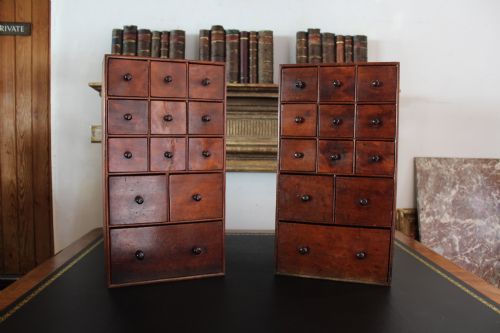
- A specialised cabinet containing numerous small drawers or compartments for storing medical ingredients and preparations. They date across the eighteenth and nineteenth centuries.
- Campaign style
- Furniture constructed for portability, incorporating flush brass handles and reinforced corners. These pieces were designed to be packed and transported easily during military or civil travel.
- Apprentice piece
- A miniature version of a larger furniture form created to demonstrate a maker's skill. They often replicate full-sized chests of drawers with exact proportions.
Vintage Collector Chest: Frequently Asked Questions
What were apothecary chests used for?
Apothecary chests stored medicinal roots, powders, and dried ingredients in pharmacies and doctors' surgeries. The numerous small drawers kept specific remedies organised and protected from light.
In domestic settings, smaller versions held precious items, spices, or miniature collections. Their compartmentalised design made them practical for sorting items requiring careful separation.
How do I identify a campaign filing cabinet?
Campaign filing cabinets feature recessed brass handles and reinforced corners designed to prevent damage during transit. The construction prioritises sturdy portability for travel.
These pieces often divide into sections or include built-in locking mechanisms. Their robust timber frames ensure stability despite frequent relocation.
What is the difference between an office bank and a collector cabinet?
Office banks of drawers focus on high-density document or ticket storage, often displaying utilitarian label holders and shell pulls. They were built for railway offices, florists, and businesses.
Collector cabinets typically feature finer timbers like mahogany or walnut and house specimens or jewellery. Their internal drawers are proportioned specifically for small items rather than standard papers.
Where should I place a multi-drawer chest at home?
Multi-drawer chests suit home offices, studies, or living rooms where they provide functional tabletop storage. Their compact footprints allow them to fit into alcoves or act as standalone surface units.
The shallow drawers work well for organising stationery, letters, or small collections while keeping surfaces clear. Placing them away from direct heat sources protects the timber and original finishes.