
English Oak Chest
An English oak chest brings sturdy domestic utility and rich timber grain to a room.
What an english oak chest is
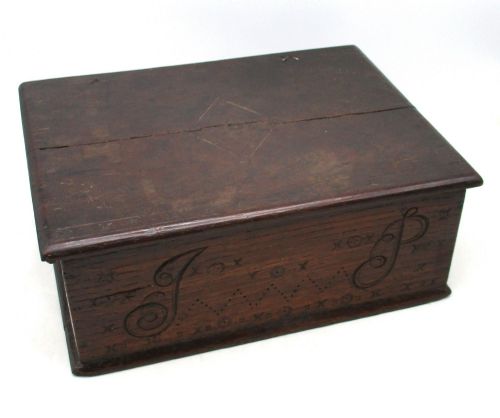
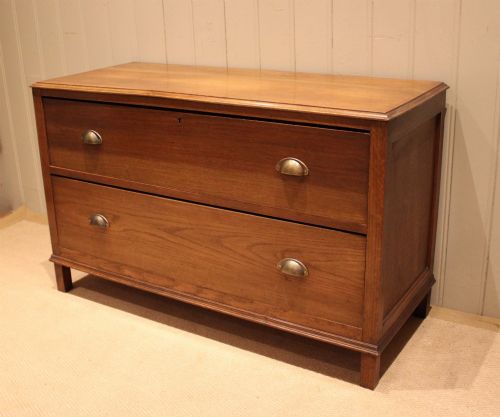
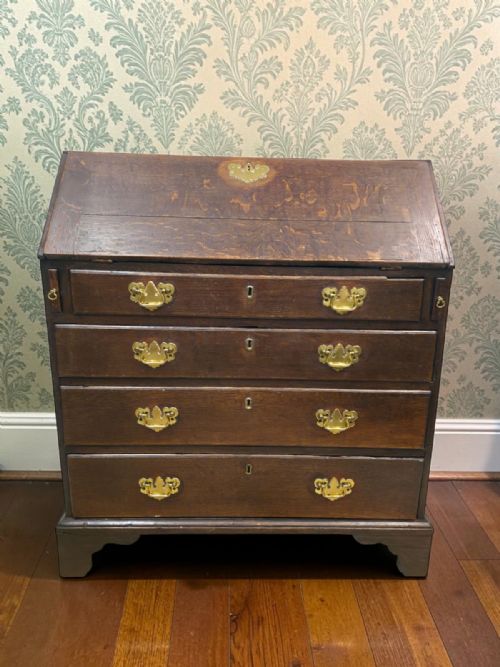
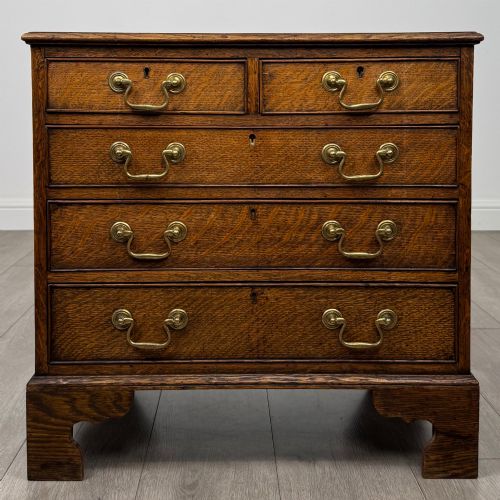
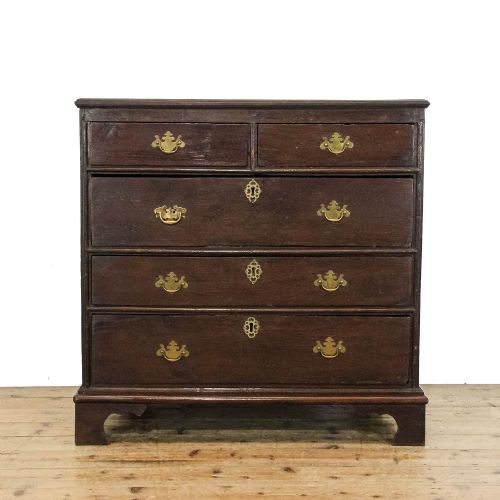
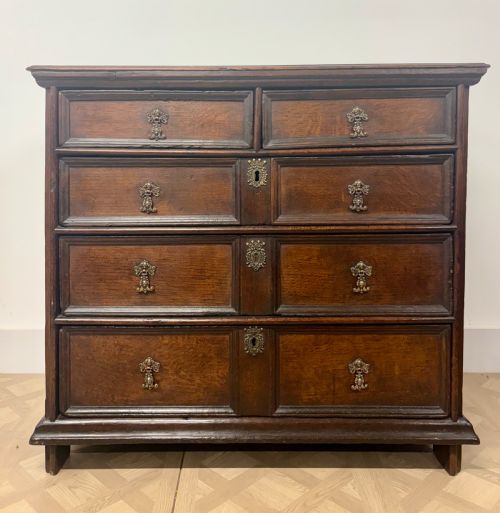
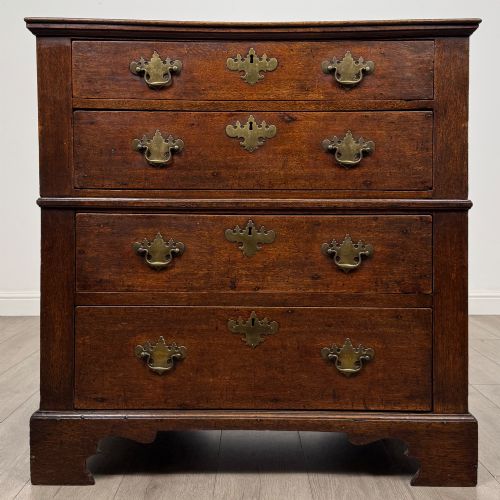
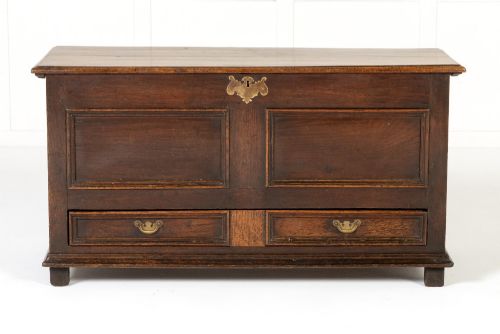
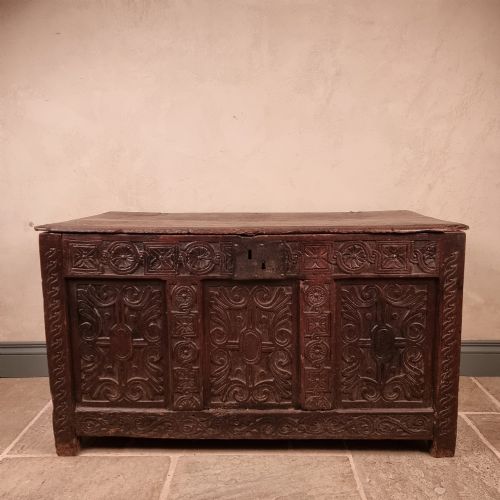
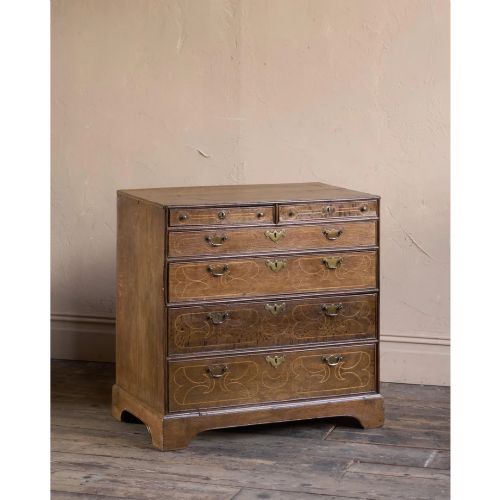
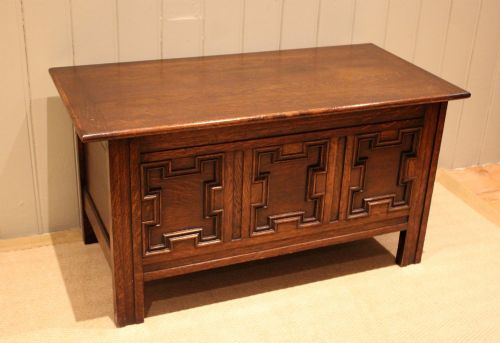
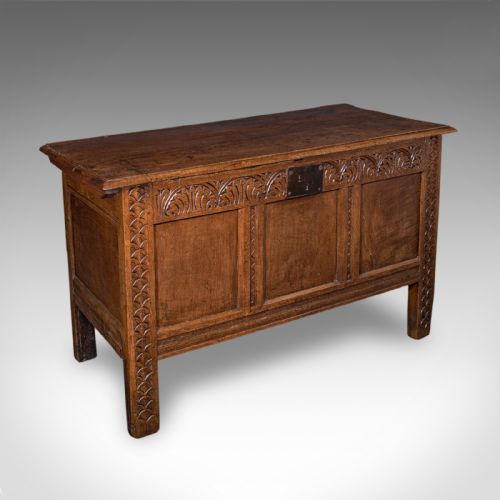
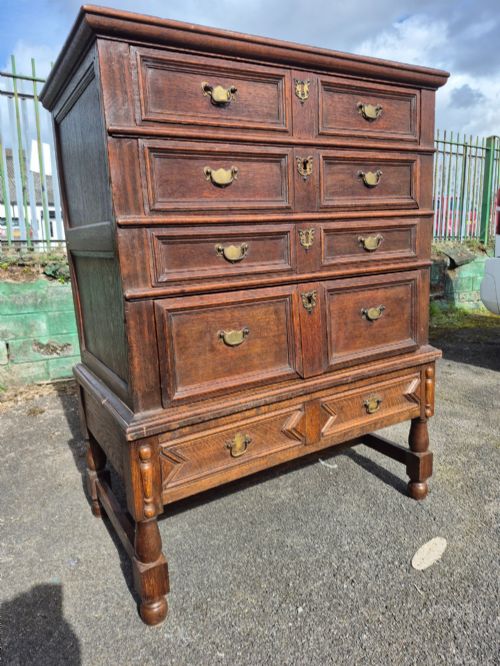
An english oak chest spans several functional forms, from simple boarded coffer boxes and blanket trunks to tall chests of drawers, collectors cabinets, and mule chests fitted with lower drawers.
The pieces appearing on this page stretch across the seventeenth, eighteenth, nineteenth, and early twentieth centuries, encompassing styles from plain country utility to formal Georgian and Edwardian cabinetmaking.
Buyers encounter both single-compartment storage trunks and multi-drawer formats, reflecting how domestic storage evolved from basic lidded boxes to compartmented drawer units.
How they were made
Cabinetmakers utilised solid oak boards, frequently supplemented by secondary timbers such as pine, elm, and walnut, alongside pollard oak for figured decorative surfaces.
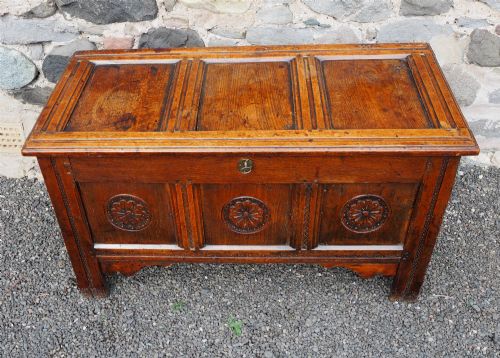
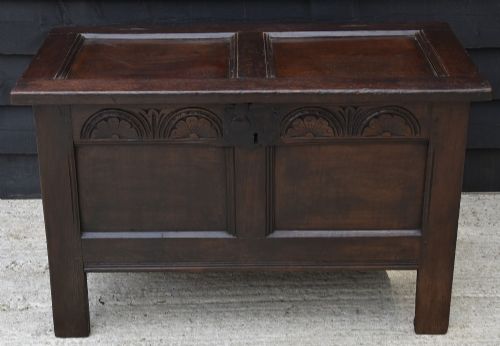
Construction techniques include six-plank boarding, panelled framing with geometric mouldings, and dovetailed drawer construction secured with brass and iron hardware.
Retail Price Guide 2026
Typical UK retail prices for english oak chest, calculated from the Sellingantiques database of over a million retail prices indexed since 2003. This retail price guide relies exclusively on Sellingantiques data; no external sources or auction records are used, so the figures do not describe the wider market.
Listings feature oak alongside iron, brass, pine, and pollard oak across Georgian and Edwardian styles.
What varies in quality
The standard of an english oak chest depends on the selection of timber grain, particularly figured pollard oak or quarter-sawn oak showing distinct medullary rays.
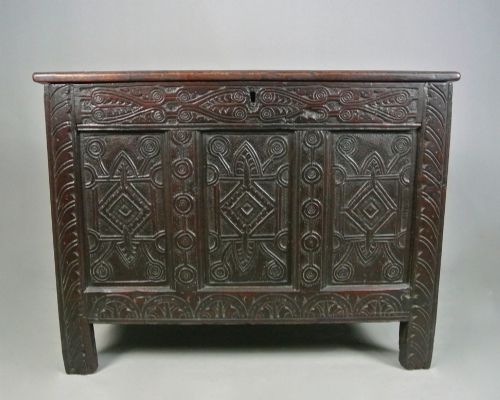
Manner of construction and depth of carved detail separate utilitarian pieces from high-status examples, with crisp geometric mouldings and well-preserved surface patination indicating superior workshop execution.
The English Oak Chest Glossary
- Mule chest
- A storage trunk featuring one or more drawers beneath the main lidded compartment. This hybrid form emerged as domestic storage needs shifted toward accessible drawer space.
- Geometric moulding
- Raised wooden profiling applied in repetitive patterns across drawer fronts or panels. Popularised in the seventeenth century, this technique added visual depth to flat timber surfaces.
- Six plank chest
- A rudimentary storage box constructed from six individual boards joined at the edges. These represent early domestic furniture forms.
- Chest on chest
- A tall storage unit comprising an upper chest of drawers stacked directly upon a lower, often wider base section. Also known as a tallboy.
- Panelling
- Frame-and-panel construction used on coffers and chests to accommodate seasonal timber movement. This method prevents the wood from splitting as humidity changes.
Frequently Asked Questions
What is the difference between a coffer and an english oak chest?
A coffer typically describes a lidded storage box intended for blankets or valuables, often featuring panelled construction.
An english oak chest frequently refers to drawer units or specialised trunks designed for specific domestic storage tasks.
How do I date an antique oak chest?
Dating relies on examining construction joints, hardware types, and timber preparation methods.
Hand-cut dovetails, tool marks, and specific moulding profiles help place pieces into periods spanning the seventeenth to twentieth centuries.
Were these chests used for clothing?
Early lidded trunks held textiles, linens, and personal valuables before dedicated wardrobes and drawer units became common.
Later multi-drawer versions accommodated folded garments and specialised collector items.
How do I care for solid oak furniture?
Solid oak requires stable indoor humidity levels away from direct heat sources to prevent timber splitting.
Occasional applications of appropriate wax maintain the finish and preserve the natural patina.