


Golden Oak Chest
When searching for a golden oak chest, a buyer encounters pieces distinguished by warm timber tones and practical storage.
Golden Oak Chest
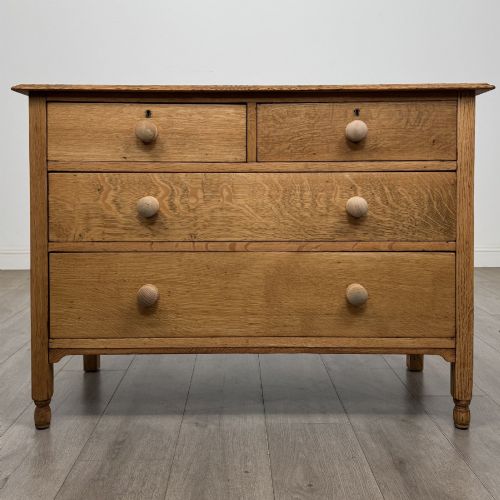
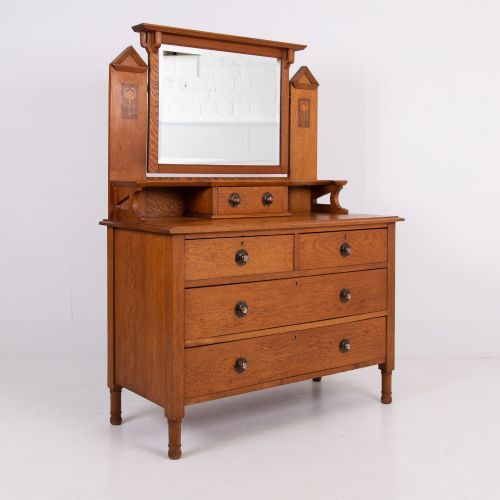
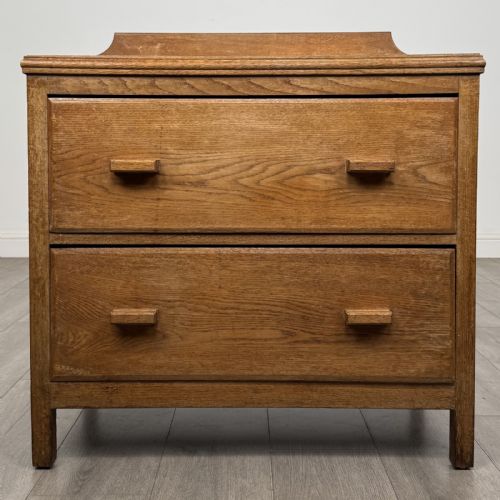
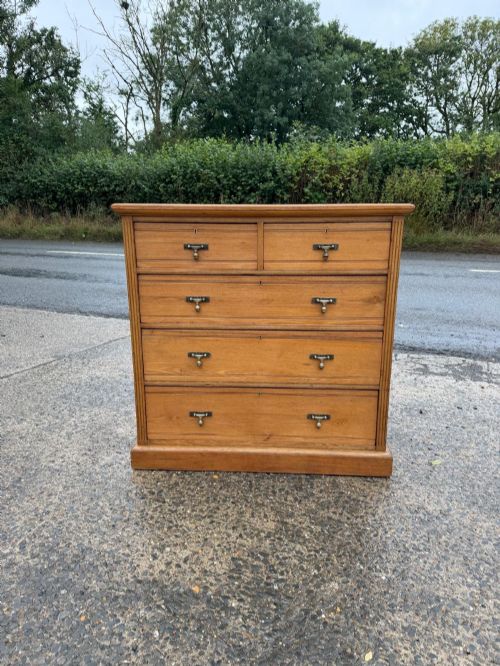
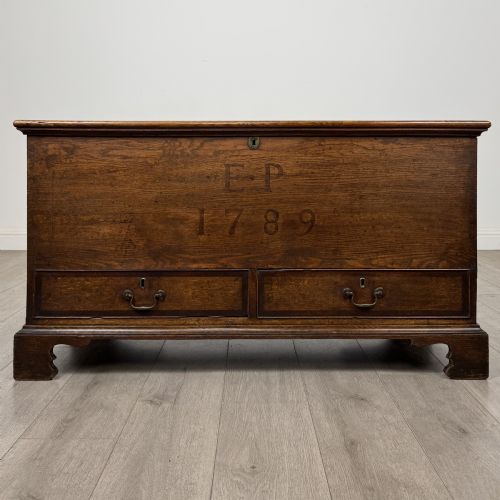
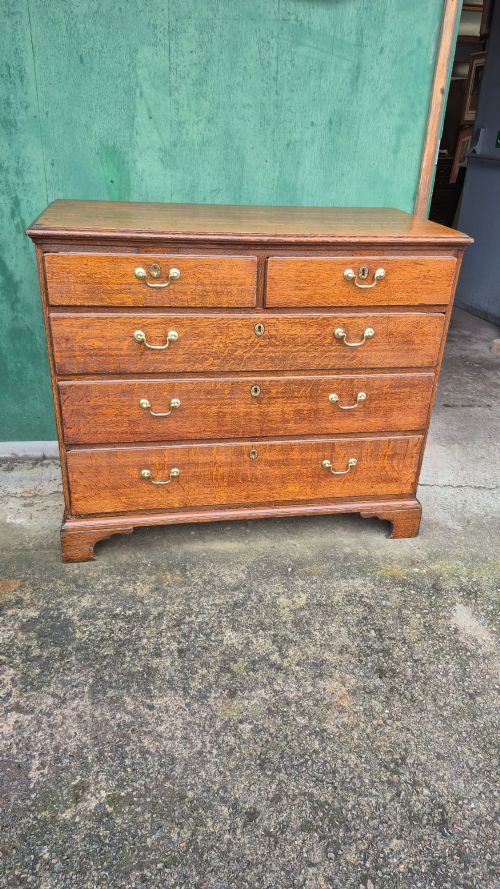
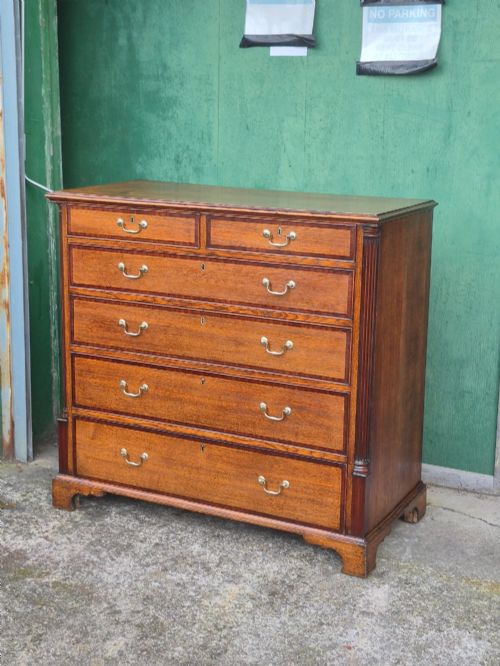
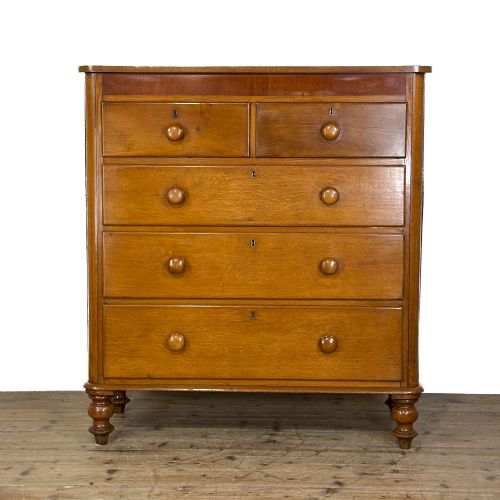
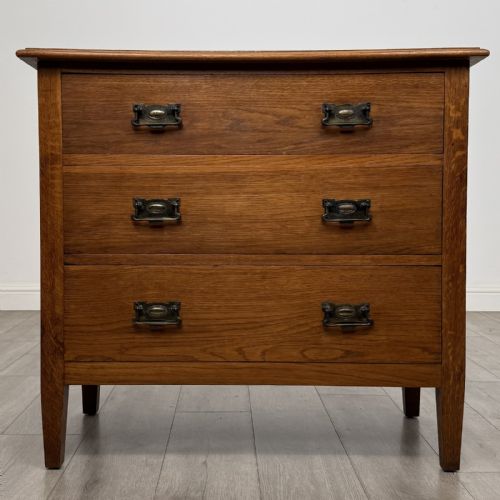
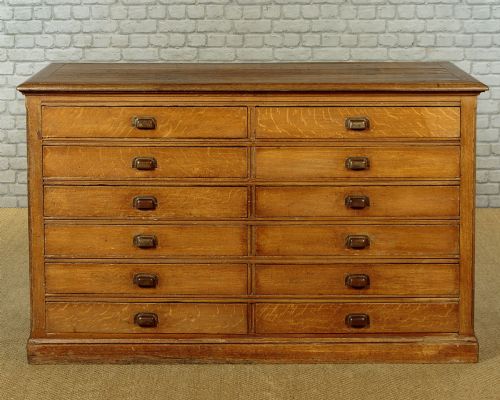
The pieces on this page lean heavily towards nineteenth-century and twentieth-century examples, alongside Georgian period specimens. Domestic chests of drawers and specialised cabinets dominate the selection, offering varied drawer configurations and depths.
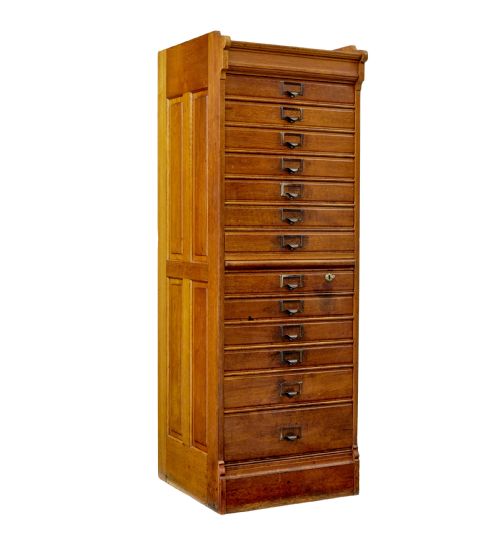
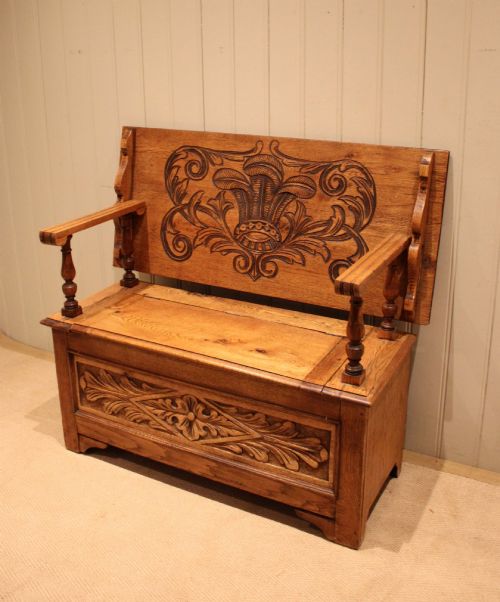
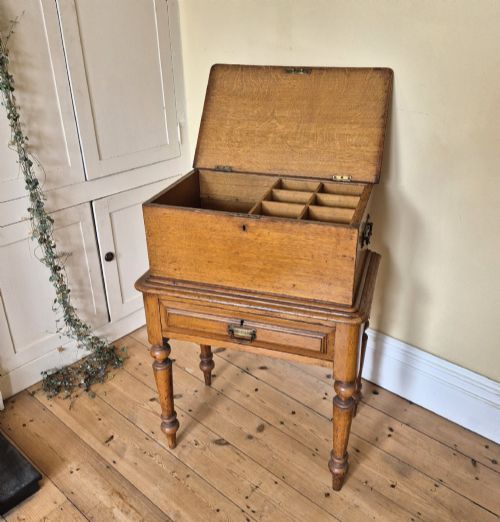
Beyond standard drawer units, the category includes trunks, medical cabinets, and smaller boxes utilising pollard oak and solid timber. These items reflect both utilitarian purposes and decorative craftsmanship across different stylistic eras.
Materials and construction
Makers utilised solid oak, pollard oak, and timber veneers, often pairing the primary wood with secondary softwoods for internal drawer linings and carcass backs. Brass handles, escutcheons, and iron bindings provided functional reinforcement and contrast against the warm timber grain.
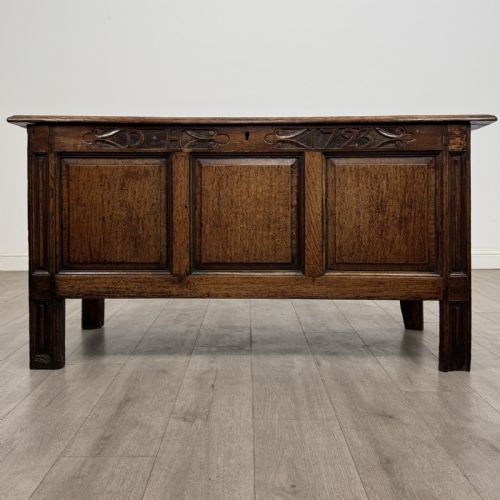
Joinery methods involved traditional dovetailing for drawer construction and panel-in-frame assembly for coffers and larger chests. Surface finishes relied on polishing and waxing to accentuate the natural figuring and golden hue of the oak.
Golden Oak Chest Retail Price Guide 2026
Typical asking prices for golden oak chest among the pieces listed under this phrase on Sellingantiques today, from the lower quarter to the upper quarter. They describe what is for sale here now, not the wider market.
Several chests previously housed railway tickets, cigars, or dental instruments rather than household linens.
Distinctions in quality
Quality rests in the selection of timber figures, such as pollard oak or quarter-sawn oak displaying prominent medullary rays. Superior pieces exhibit precise dovetail joinery, original brass or iron hardware, and balanced proportions across the drawers and carcass.
Integrity of the timber and the preservation of original surface patination distinguish finer examples from altered pieces. The refinement of carved details, such as those found on Arts and Crafts or Jacobean Revival specimens, marks the distinction in craftsmanship.
Heal & Sons·Elkington·George Walton·Maple & Co·Army & Navy CSL
The Golden Oak Chest Glossary
- Pollard oak
- Timber taken from trees that have been pollarded, producing a highly figured, mottled grain pattern utilised for decorative veneers.
- Wellington chest
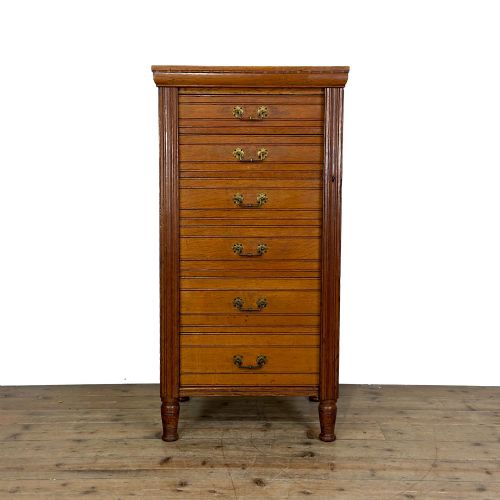
- A tall, narrow chest of drawers secured by a locking hinged side stile that fastens over the drawer edges.
- Campaign chest
- A modular chest made in sections with recessed brass handles, designed for easy transport by military officers.
- Medullary rays
- The visible radial cellular lines in oak timber that create a distinctive silver fleck pattern when quarter-sawn.
- Coffer
- A large wooden chest traditionally used for storing valuables, linens, or documents, often featuring panelled construction.
Golden Oak Chest: Frequently Asked Questions
What periods do these chests come from?
The selection includes pieces originating from the eighteenth century, the Victorian era, and the early twentieth century.
Craftsmanship reflects stylistic shifts from Georgian proportions through Arts and Crafts movements to Art Deco designs.
How were campaign chests used?
Campaign chests served military officers on active service by providing sturdy, modular storage that packed securely for travel.
Their brass corners and recessed handles protected the timber during frequent transit.
What is a Wellington chest?
A Wellington chest is a tall, narrow configuration of drawers featuring a locking side flap that secures the entire stack.
This design originated in the nineteenth century to provide secure personal storage in modest spaces.
How do I care for golden oak furniture?
Maintain the timber by applying traditional beeswax periodically to preserve the moisture and natural sheen of the oak.
Keep pieces away from direct heat sources and strong sunlight to prevent the golden finish from fading.