

Victorian Oak Drawers
When seeking victorian oak drawers, collectors look at solid timber chests, desks, and cabinets built to last generations.
Victorian Oak Drawers
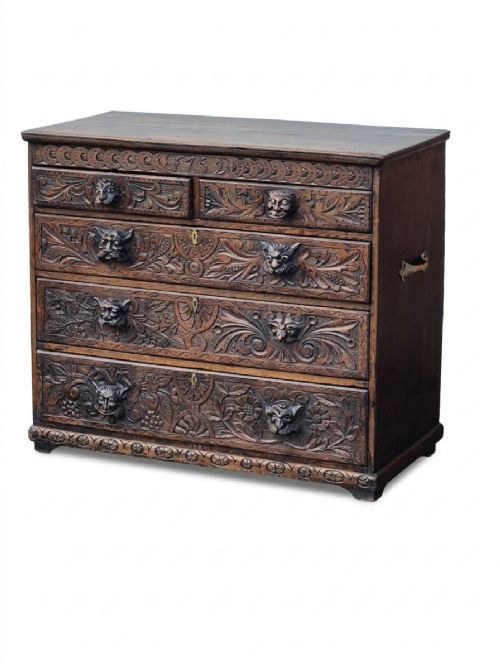
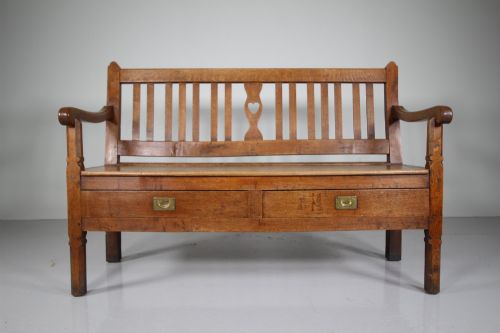
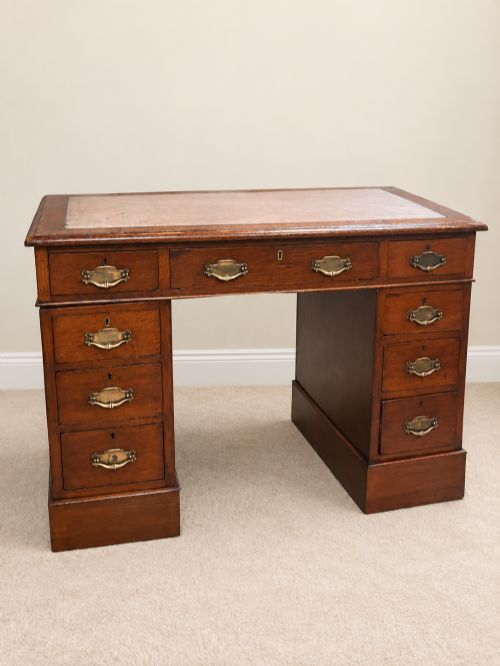
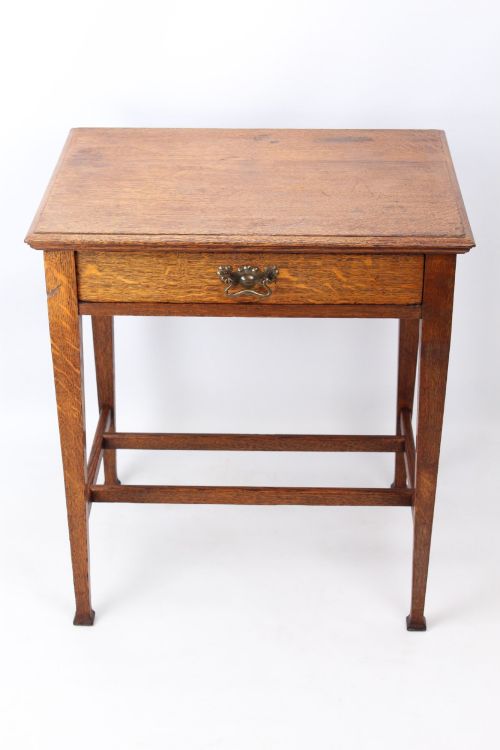
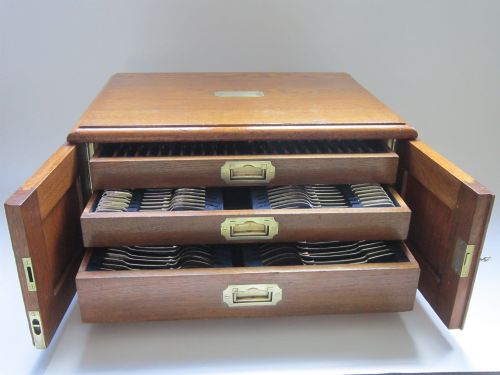
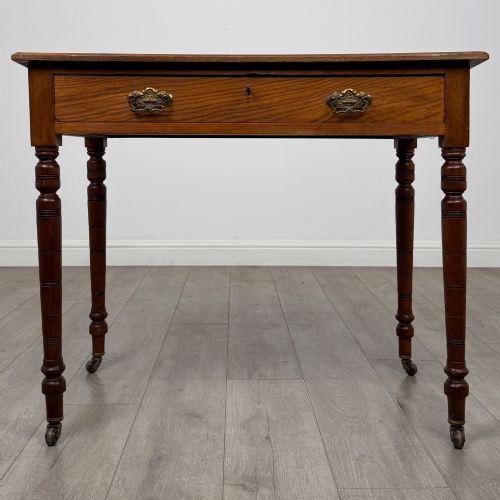
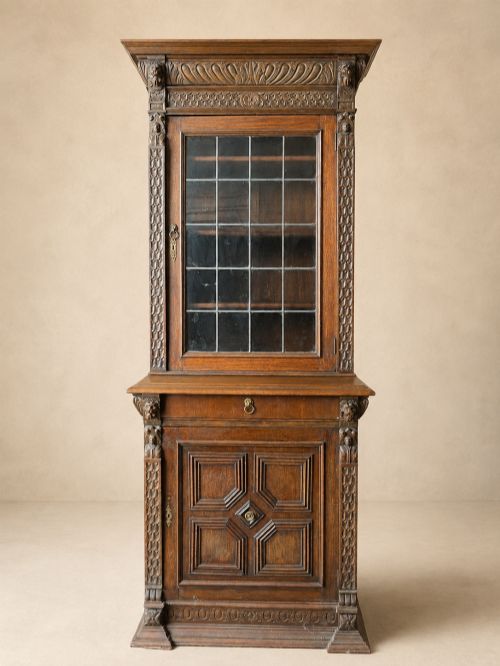
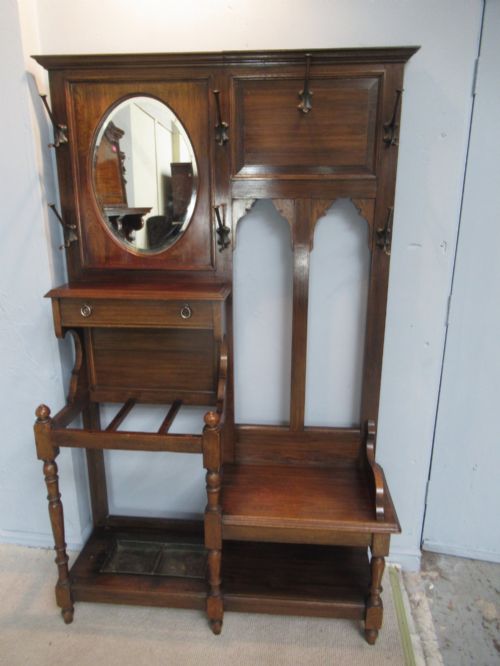
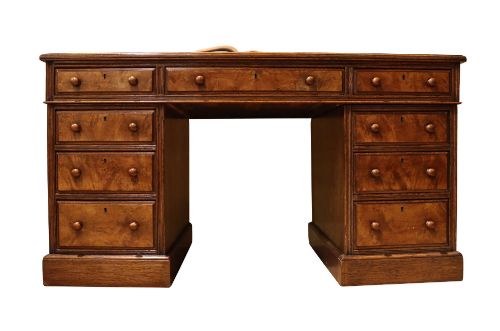
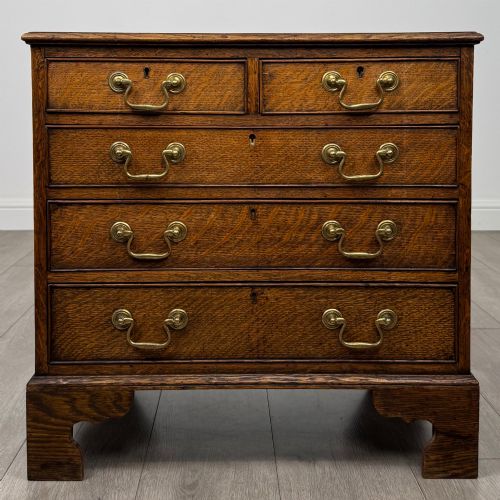
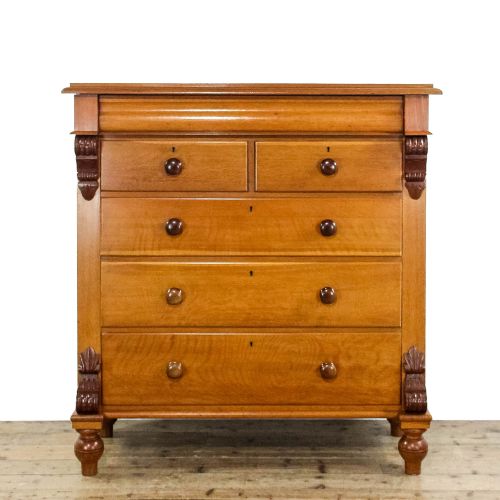
Victorian oak drawers encompass a wide range of household furniture, from straight-front chests and pedestal desks to diminutive tabletop pieces and larger dresser bases. The items appearing on this page span the nineteenth century into the early twentieth century, showing influences from Gothic Revival, Arts and Crafts, and English Country styles.
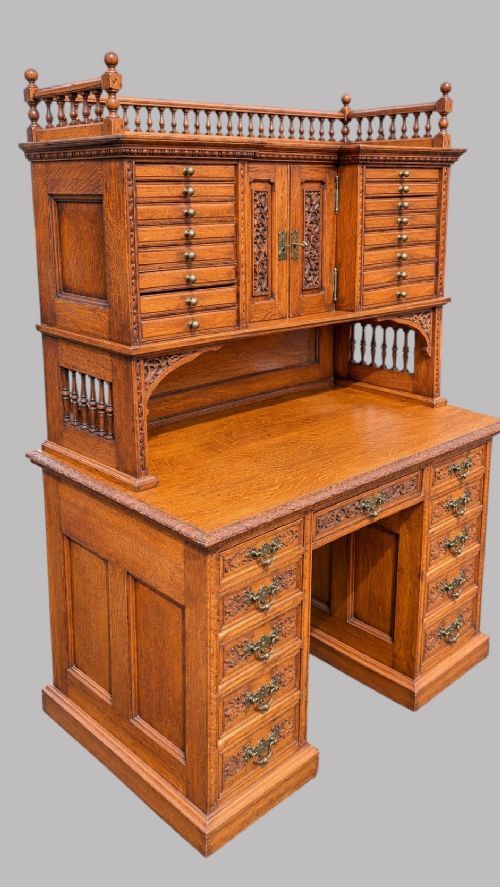
Buyers frequently encounter standard chests of drawers alongside writing tables and kneehole desks featuring built-in compartments. Timber variations include golden oak, pale oak, and figured burr oak, sometimes accented with mahogany secondary woods or brass hardware.
Materials and Construction
Makers utilised solid oak alongside secondary timbers like pine and mahogany, pairing the sturdy wood with brass handles, iron fittings, and bevelled glass. Leather inserts often lined the top surfaces of desks and writing tables.
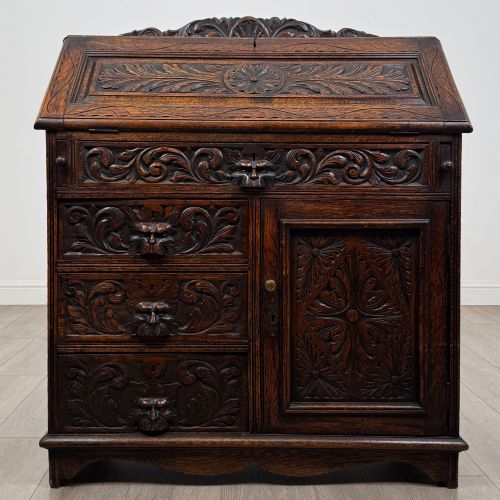
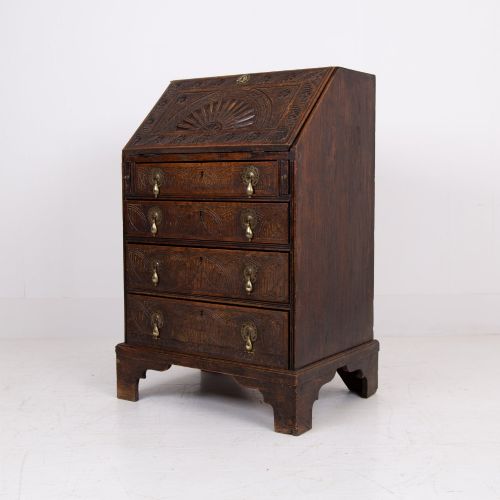
Joinery techniques ranged from straightforward carcase construction to intricate hand-carved foliate motifs and Green Man masks. Drawers frequently incorporated secret locking mechanisms, mahogany linings, and graduated proportions.
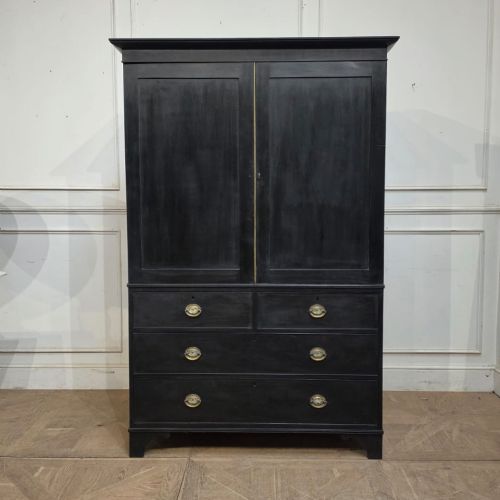
The documented object types range from full-sized kneehole desks and linen presses down to miniature tabletop chests of drawers.
Distinctions in Quality
Quality rests upon the choice of timber and the precision of the joinery, with figured grains like burr oak commanding greater attention. The presence of secondary details, such as hand-carved panels, secret compartments, and original brass hardware, elevates a piece above standard utility items.
Blyth and Son London
The Victorian Oak Drawers Glossary
- Kneehole desk
- A writing table featuring a central recess for the legs, flanked by pedestals of smaller drawers. This form became popular during the nineteenth century for studies and libraries.
- Wellington chest
- A tall, narrow chest of drawers secured by a hinged side locking bar that fastens with a key. These cabinets typically comprise multiple graduated drawers.
- Green Man
- A sculptural architectural ornament depicting a human face entwined with foliage and vines. Carvers applied this motif to Victorian desks and chest facades.
- Linen press
- A tall cupboard featuring upper shelving for textiles above a lower section fitted with drawers. These pieces served as primary storage furniture in period bedrooms.
- Secret drawer
- A concealed compartment built into a desk or chest behind movable panels or false bottoms. Cabinetmakers used these spaces to secure valuables.
Victorian Oak Drawers: Frequently Asked Questions
How do I spot a secret drawer?
Secret drawers are typically concealed behind dummy drawer fronts, within plinths, or disguised beneath movable partitions inside larger compartments. Cabinetmakers engineered these hidden spaces to blend seamlessly into the surrounding woodwork.
Finding them often requires pressing spring-loaded catches, sliding panels, or removing internal dividers within pedestal desks and chests of drawers.
Where were these pieces used?
These items populated studies, libraries, bedrooms, and grand hallways across nineteenth-century homes. Desks and filing cabinets served administrative tasks, while chests and linen presses managed household garments.
Smaller tabletop chests and miniature drawers functioned as apprentice pieces or specialised specimen cabinets for collectors.
How do I care for oak furniture?
Solid oak requires stable indoor humidity levels to prevent timber from splitting or warping over time. Keep pieces away from direct heat sources and strong sunlight that can dry out the grain.
Apply traditional beeswax periodically to nourish the surface and maintain the natural lustre of the wood without sealing it in modern chemical finishes.
What defines Arts and Crafts oak?
Arts and Crafts pieces emphasise honest construction, visible joinery, and simpler structural lines that highlight the natural grain of the oak. Ornamentation relies on subtle carving rather than excessive factory-made embellishment.
This aesthetic emerged in reaction to mass production, resulting in sturdy chests and desks built by hand.