




Golden Oak Chest Drawers
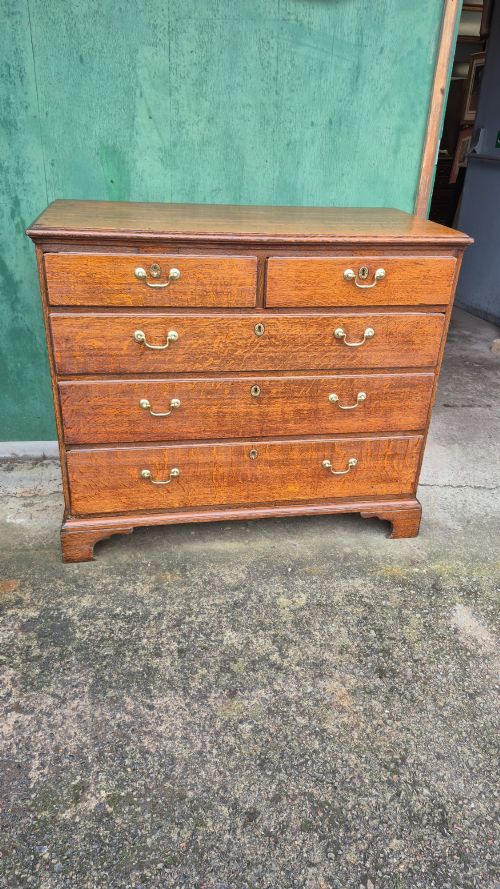
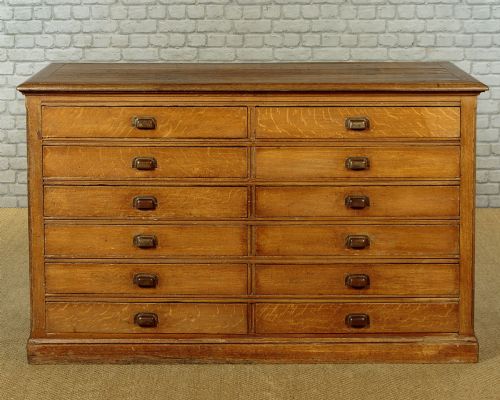
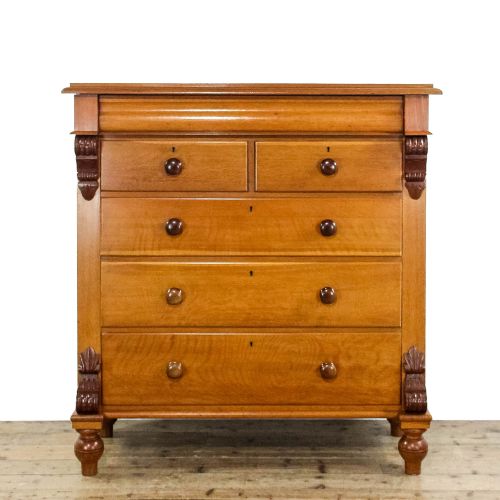
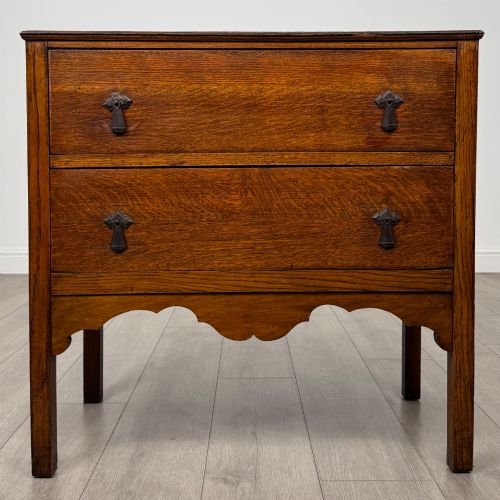
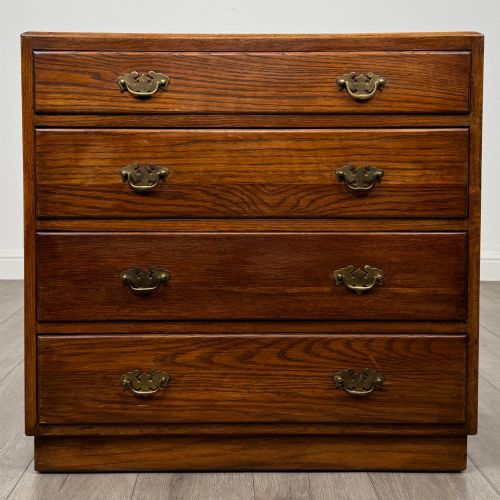
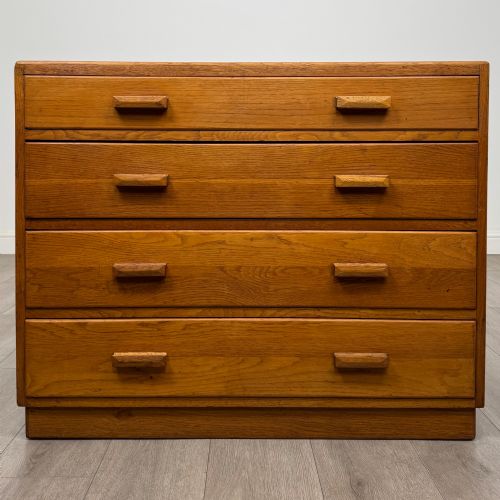
These golden oak chest drawers bring warm tones and practical storage to a room, appearing in forms from compact Edwardian builds to tall Georgian heights.
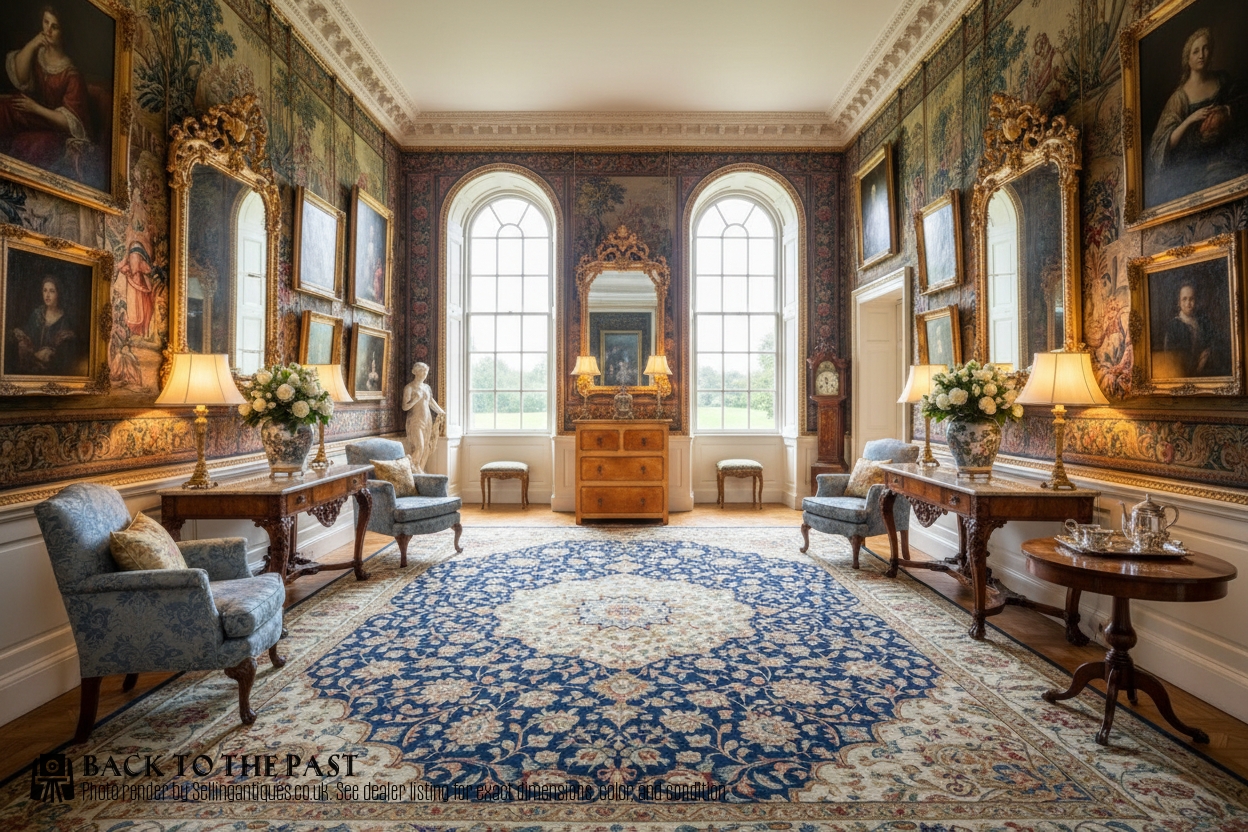
Golden oak chest drawers
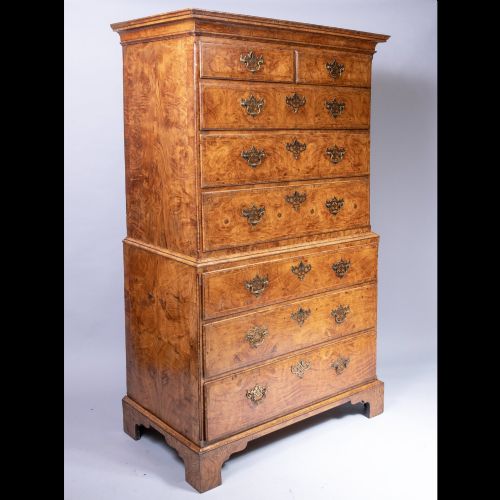
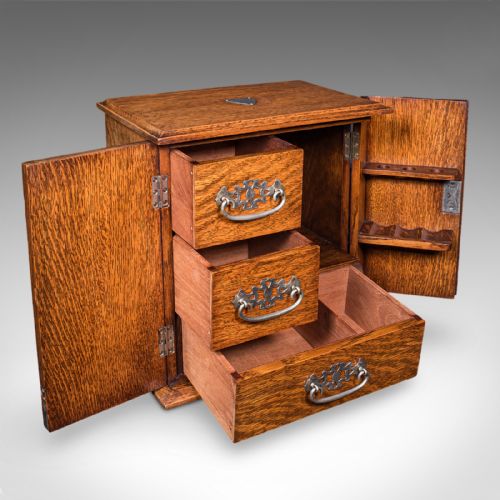
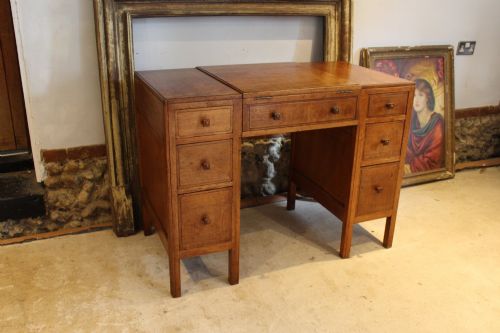
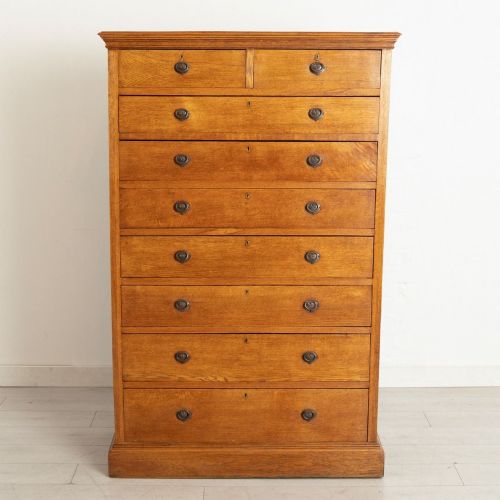
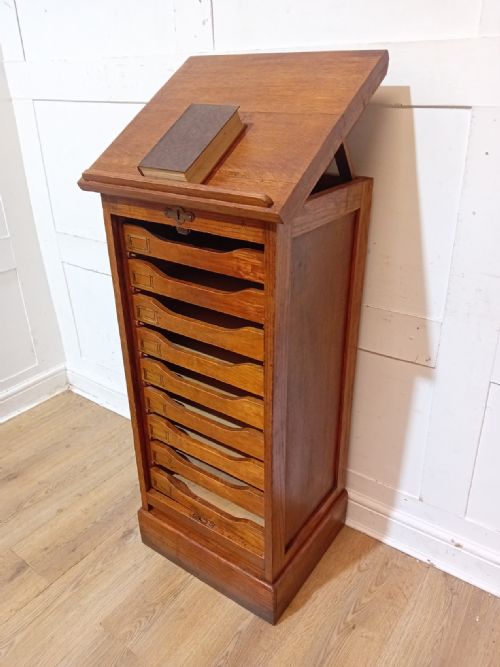
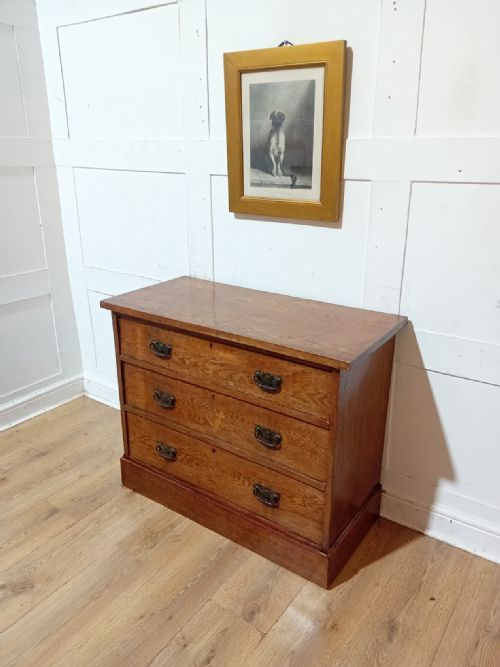
A golden oak chest drawers stands as a robust storage piece, appearing frequently in twentieth-century Edwardian formats and earlier eighteenth-century Georgian proportions. Buyers searching for a golden oak chest drawers will encounter diverse builds ranging from small proportions to tall narrow formats and double chest configurations.
The archive records specialised regional and stylistic variations, including Arts and Crafts examples alongside military campaign styles fitted with metal hardware. Gillows, Liberty, Heals style, and Army & Navy CSL appear among past pieces, showing the breadth of workshop traditions associated with the form.
Mid-century modern and Art Deco expressions also emerge alongside traditional crossbanded mahogany details on carcases of oak and burr walnut. This variety means a buyer can select everything from a simple practical domestic storage unit to a heavily detailed campaign piece.
What varies in quality
The sophistication of the timber selection dictates the visual appeal, where rich figuring in the golden oak and the application of burr walnut or mahogany crossbanding elevate the piece. Plain utilitarian carcases differ significantly from those bearing maker attributions like Liberty or Gillows.
Hardware execution and structural hardware integration separate standard domestic chests from campaign styles featuring integrated brass binding and flush handles. The precision of the drawer construction and the overall harmony of the proportions determine the standing of each example.
Listings and past archives feature golden oak chest drawers across Edwardian, Georgian, and Victorian periods, utilising oak, metal, and burr walnut.
Gillows·Liberty·Army And Navy CSL
The Golden Oak Chest Drawers Glossary
- Golden oak
- A bright, warm hue of oak timber achieved through finishing and natural ageing, characteristic of specific period furniture. It highlights the open grain of the wood.
- Crossbanding
- A decorative border technique where strips of veneer, often mahogany, are laid perpendicular to the main grain of the drawer front or top. This frames the primary golden oak panels.
- Campaign chest
- A modular chest of drawers built in sections with recessed metal handles and corner brasses for military transport. These pieces separate into distinct stacked boxes.
- Burr walnut
- A highly figured wood veneer taken from the burl growths of walnut trees, used as an accent material on drawer fronts. It offers swirling grain patterns that contrast with straight oak.
Frequently Asked Questions
What periods do these chests come from?
The pieces span multiple centuries, with examples originating from the Georgian era, the Victorian period, and twentieth-century Edwardian workshops.
Craftsmen produced these chests across successive design movements, including Arts and Crafts, Art Deco, and mid-century modern phases.
How do campaign chests differ from standard ones?
Campaign chests feature brass bindings and flush recessed handles designed to protect the corners and hardware during military transport.
They typically separate into two stacked sections for ease of movement, unlike standard single-piece domestic chests of drawers.
What woods besides oak appear on these pieces?
Makers frequently incorporated mahogany for crossbanding borders around the primary golden oak drawer fronts and carcase tops.
Burr walnut also appears as a contrasting veneer material on select smaller drawer configurations and decorative panels.
Are all golden oak chests tall?
Dimensions vary considerably, ranging from tall narrow six-height Georgian proportions to compact small Edwardian and twentieth-century formats.
Buyers find both wide double chest layouts and low bedside-height storage units depending on the specific workshop origin.