


Small Oak Commode
A small oak commode is a compact storage chest shaped by centuries of regional cabinet-making, offering understated timber grain and practical scale for modern interiors.
Small Oak Commode
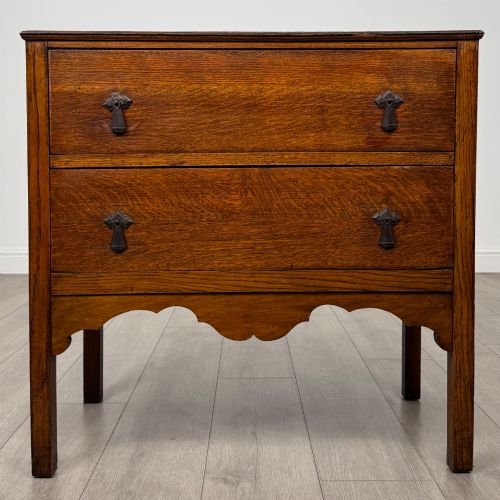
A small oak commode functions primarily as a low chest of drawers, a bedside cabinet, or a specialised close stool designed to conceal utilitarian functions beneath domestic respectability. When searching for a small oak commode, buyers encounter pieces spanning the seventeenth, eighteenth, and nineteenth centuries, alongside Edwardian and Victorian interpretations.
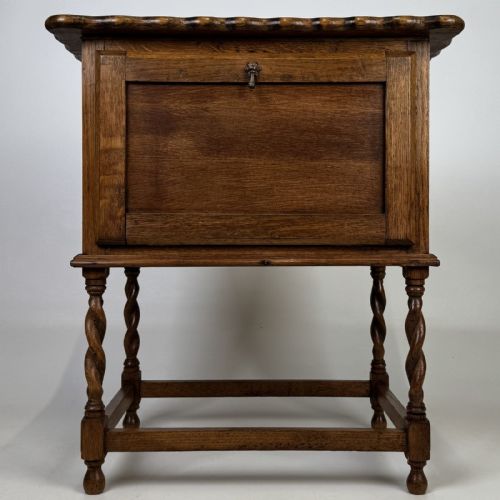
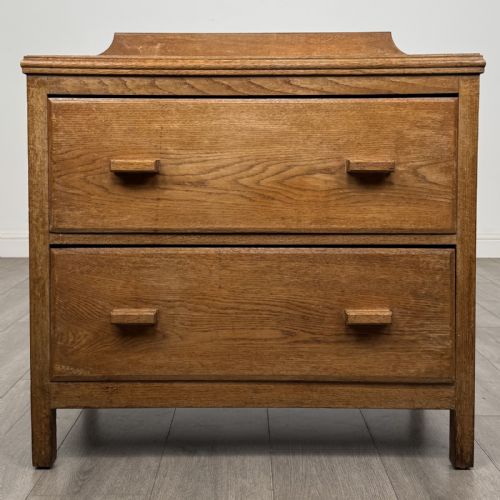
The material focus centres firmly on oak, though mahogany cross-banding, painted wood, pine, and brass hardware appear across English, French, Dutch, and Welsh origins. Forms vary from simple two-drawer provincial designs and miniature apprentice pieces to sophisticated bachelor chests and serpentine commodes.
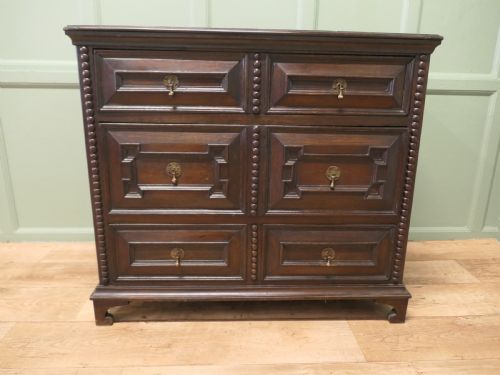
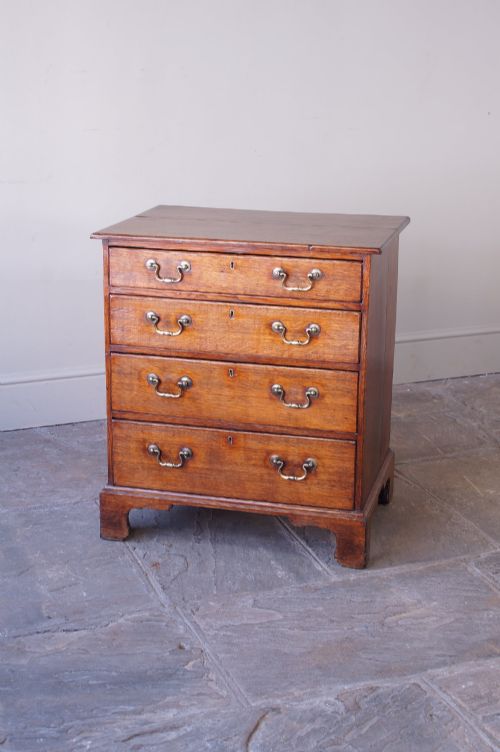
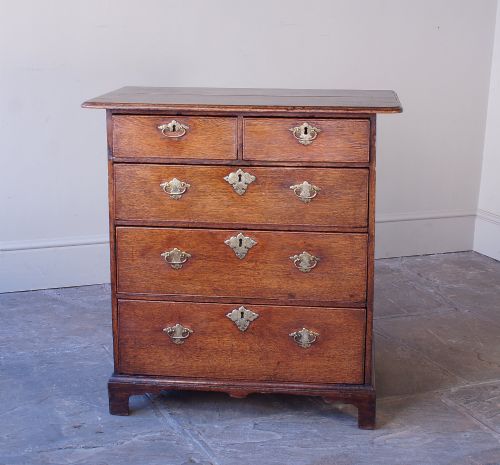
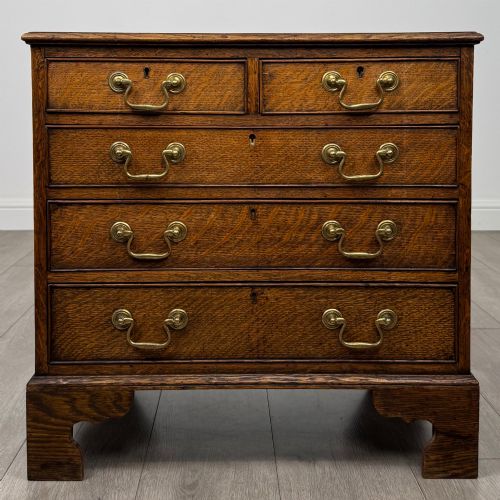
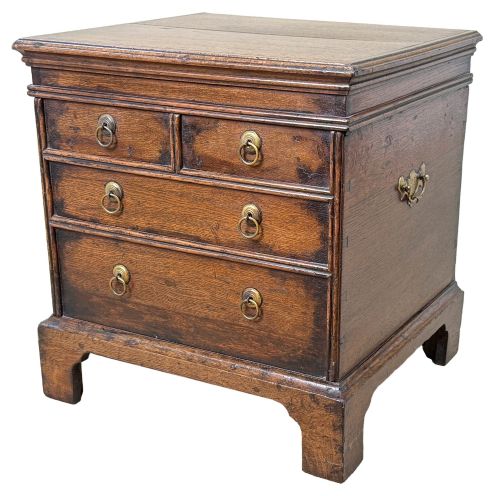
The most frequent examples on this page are eighteenth-century Georgian chests and compact vernacular pieces originating from country workshops. These items combine modest proportions with robust timber construction, suiting narrow hallways or alcoves where full-sized furniture overwhelms the room.
Distinguishing quality in timber and form
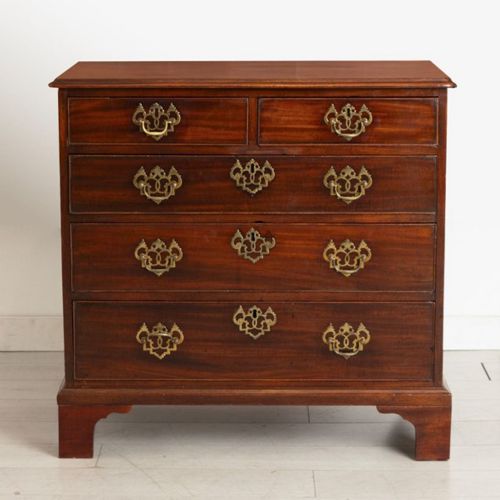
Quality rests in the crispness of the moulded fronts, the integrity of the timber selection, and the restraint of the proportions. Superior examples maintain their original brass hardware, uncompromised bracket feet, and undisturbed surface patination accumulated through decades of use.
Lower tiers of quality involve heavy surface alterations, replaced drawer linings, or coarse vernacular execution that lacks the refined joinery seen in workshop pieces. The presence of original backboards and unwarped timber panels distinguishes better-surviving specimens from heavily restored equivalents.
Listings span periods from the 17th century through the Edwardian era, featuring oak, mahogany, brass, and painted wood across chests and close stools.
The Small Oak Commode Glossary
- Commode
- A low chest of drawers or cabinet designed for domestic storage. The term encompasses French and Dutch influenced pieces as well as English variations.
- Bachelor's chest
- A small compact chest of drawers featuring a fold-over top or sliding shelf. These versatile pieces served writing and personal grooming needs in eighteenth-century bedchambers.
- Close stool
- A box or small cabinet enclosing a commode seat or chamber pot. Eighteenth-century versions often disguised these sanitary items as modest bedside chests.
- Cross-banding
- A decorative border technique where narrow strips of veneer are laid across the grain of the primary timber. Mahogany cross-banding frequently frames oak drawer fronts on Georgian pieces.
- Apprentice piece
- A miniature model constructed by a trainee craftsman to demonstrate mastery of joinery techniques. These small chests replicate full-scale furniture with precise proportions.
Small Oak Commode: Frequently Asked Questions
What is a small oak commode used for?
These compact chests serve as bedside tables, hallway storage units, or decorative focal points in rooms with limited floor space. Their multiple drawers accommodate small items while maintaining a low profile beneath mirrors or artwork.
Historically, similar forms functioned as close stools or specialised dressing chests. Today, owners utilise them purely for domestic organisation and display.
How do I date a small oak commode?
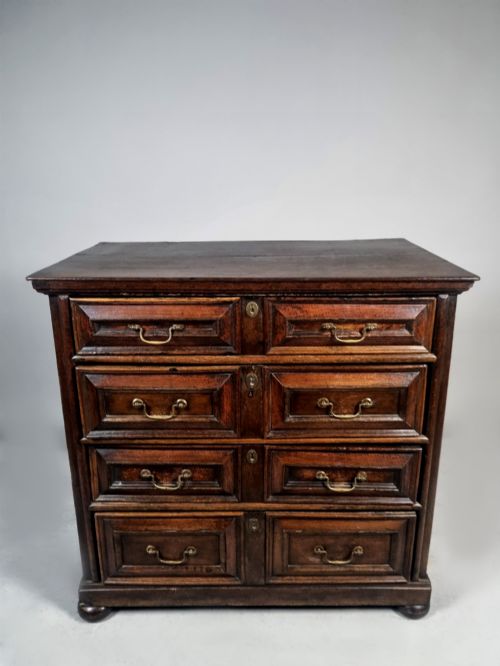
Dating relies on examining construction methods, timber choice, and hardware styles. Seventeenth-century examples display heavy moulded fronts and pegged frames, whereas eighteenth-century Georgian pieces often feature bracket feet and dovetailed drawer construction.
Later Victorian and Edwardian interpretations reveal standardised machine sawing and softer secondary timbers like pine. Comparing the drawer linings and backboards provides further clues to the period of manufacture.
Are all small oak commodes English?
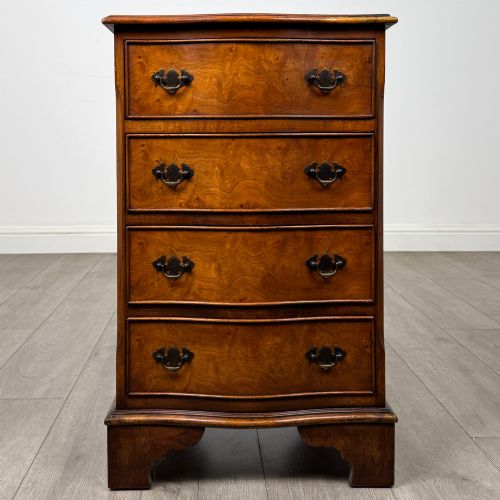
Not all pieces originate from British workshops; many examples hail from France and the Netherlands. Dutch and French commodes often incorporate serpentine fronts, painted finishes, or distinct brass mounts.
English and Welsh pieces tend to emphasise the natural figuring of solid oak with minimal embellishment. Regional vernacular styles vary significantly between countries.