
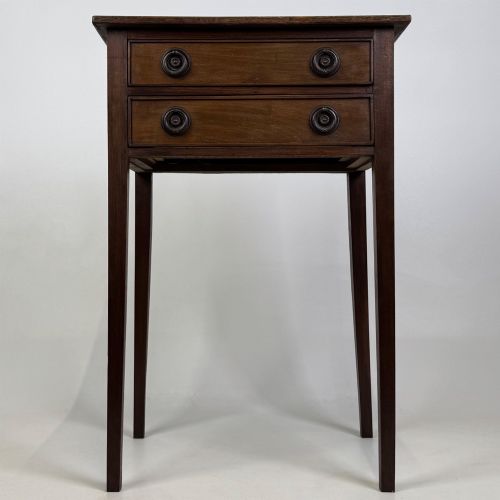
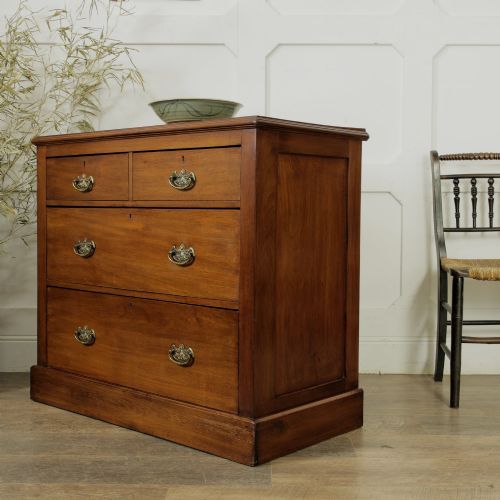
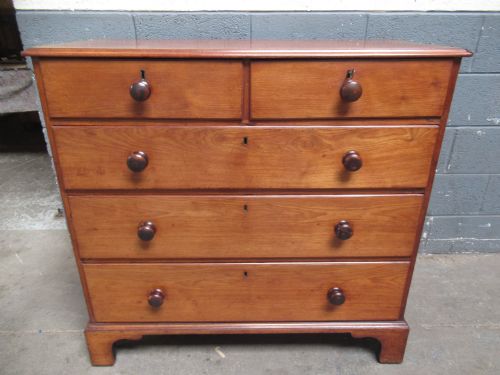
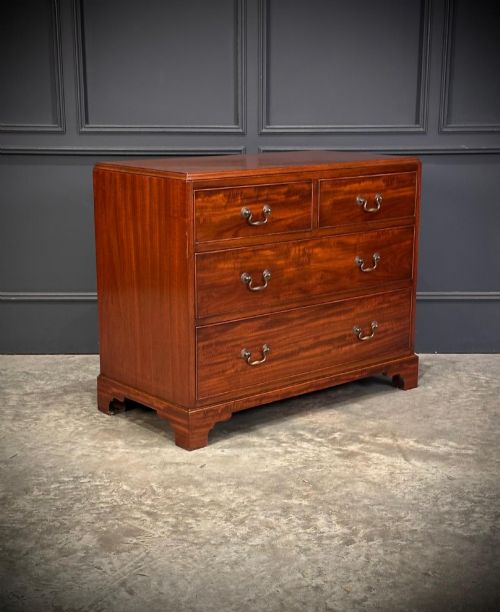
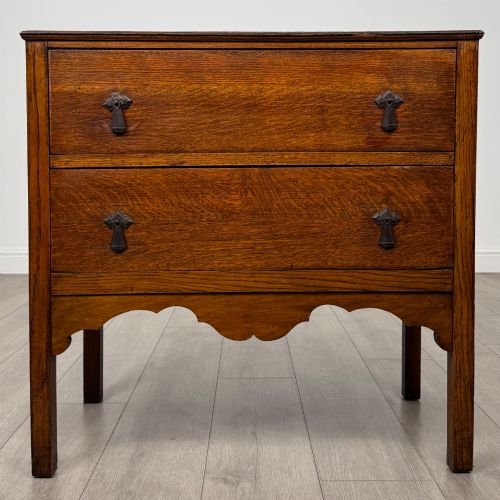
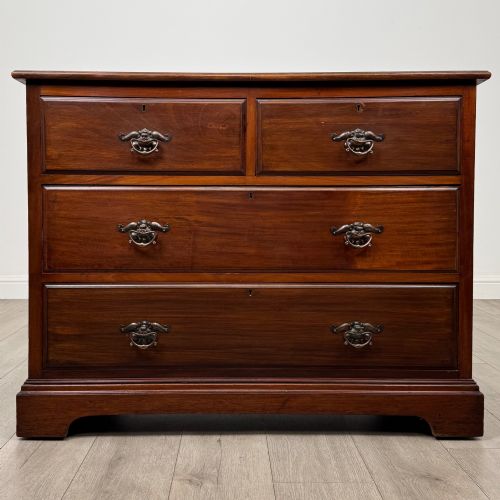
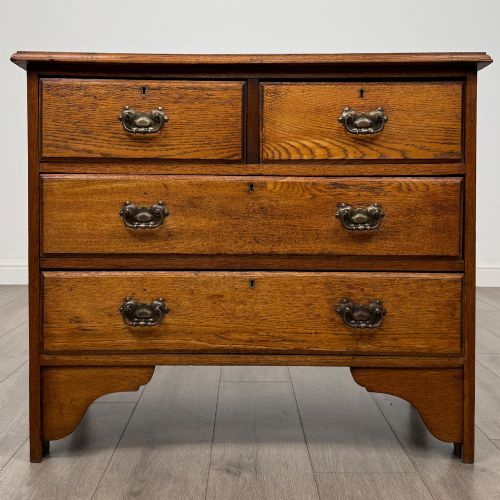
Edwardian Two Drawer Chest
An edwardian two drawer chest offers compact proportions and period character, bringing practical bedside or hall storage to traditional and modern rooms.
Edwardian Two Drawer Chest
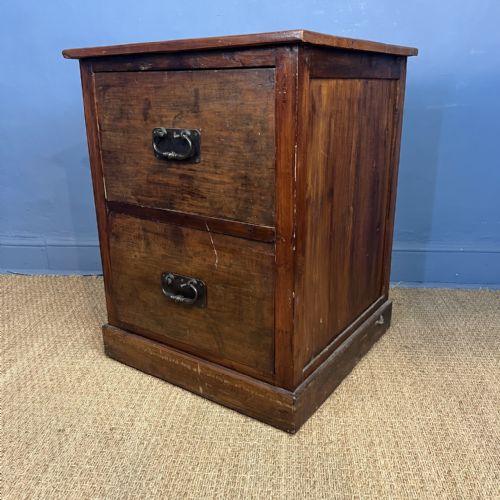
An edwardian two drawer chest typically presents a low-slung, manageable profile suited to smaller spaces, emerging from a period spanning the late nineteenth and early twentieth centuries. These pieces sit alongside related forms such as side tables and filing cabinets within the broader category of chests of drawers.
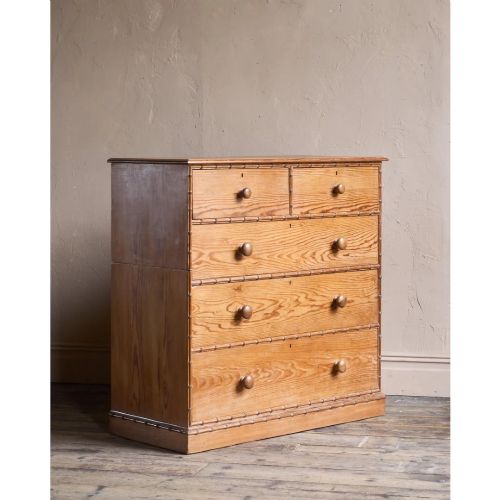
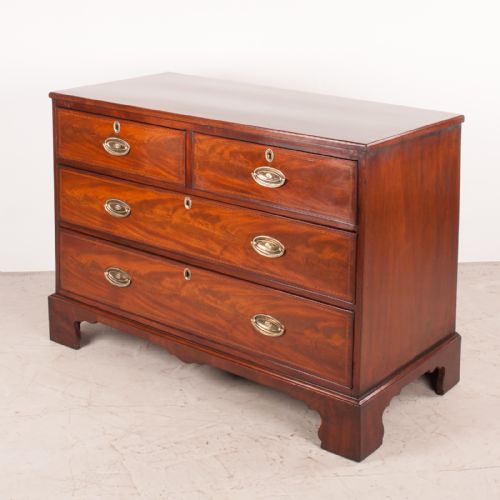
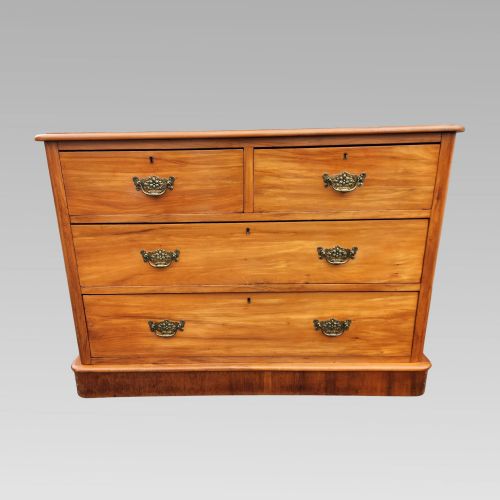
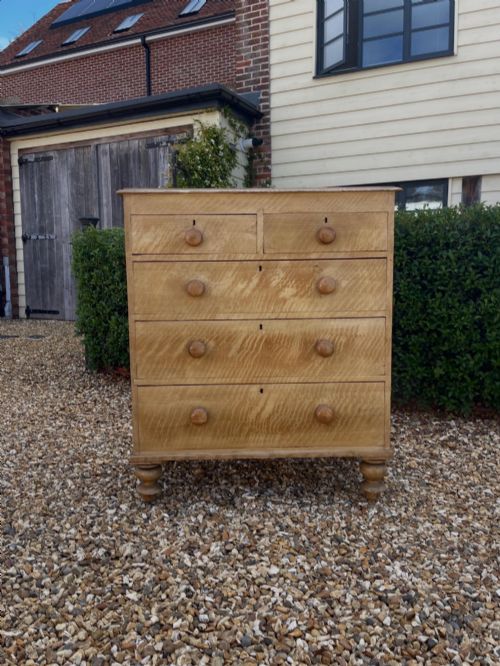
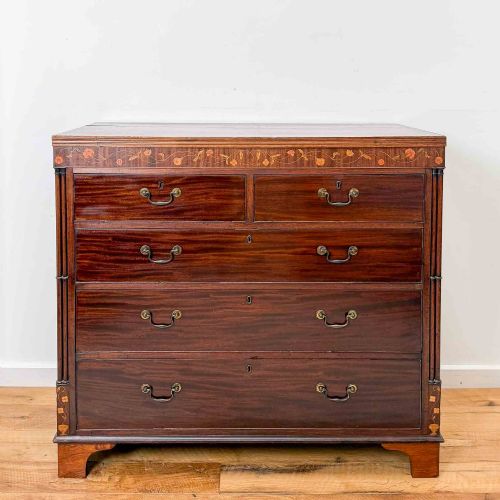
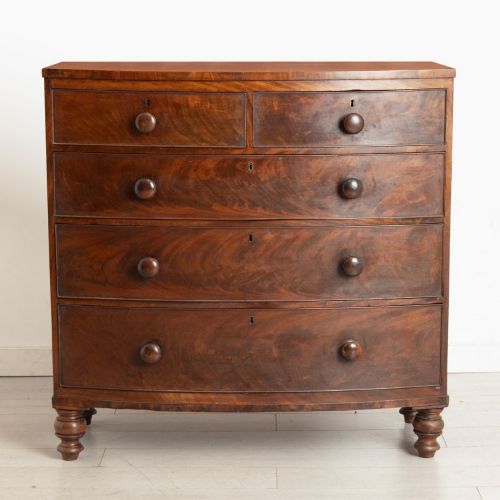
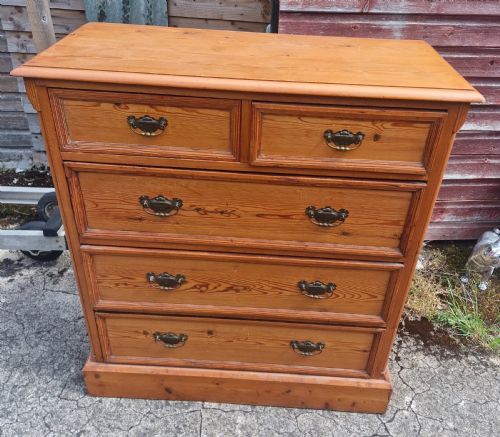
Makers of the Edwardian era frequently drew upon earlier Victorian and Georgian proportions while lightening the overall construction. The items seen in this selection range from straightforward pine pieces to refined satinwood and mahogany designs.
Materials and Construction
Cabinetmakers of the period relied heavily on hardwoods like mahogany and oak, alongside softer timbers such as pine for secondary elements and regional furniture. Selected surfaces often display decorative floral inlay details or flame mahogany veneers that catch the light.
Metal fittings such as brass handles and campaign-style hardware secure the drawers and corners, combining utility with decorative contrast. Traditional joinery methods ensure the frames remain sturdy across decades of daily use.
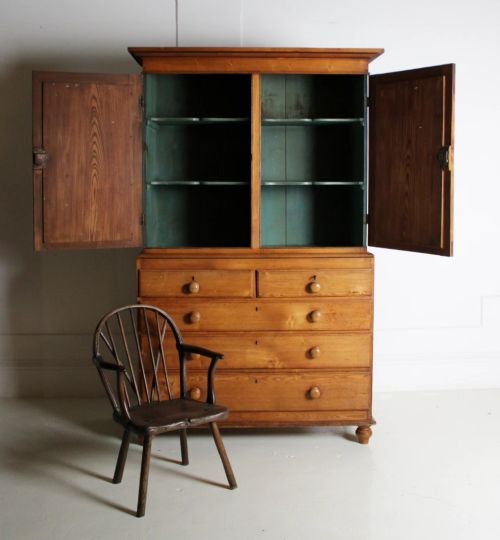
The archive includes campaign chests, filing cabinets, side tables, and linen presses alongside standard chests of drawers.
Quality and Finishes
The standard of a piece rests largely on the choice of timber and the crispness of any inlay work. Finer examples utilise carefully figured satinwood or mahogany, whereas utilitarian versions rely on plain pine or painted surfaces.
Original hardware and untouched surface patinas elevate a piece above those with replaced handles or stripped finishes. The tightness of the drawer joints and the smoothness of the drawer action indicate the care taken during initial construction.
Howard and Sons
The Edwardian Two Drawer Chest Glossary
- Edwardian
- A stylistic period spanning the reign of King Edward VII from 1901 to 1910, though pieces from the broader turn-of-the-century years often share these lighter aesthetics. Furniture from this time frequently employs satinwood inlay and simpler lines than heavy Victorian predecessors.
- Satinwood
- A durable, lustrous timber native to India and Sri Lanka used extensively for high-grade cabinetmaking and decorative stringing. It provides a pale, golden yellow finish that brightens smaller bedroom furnishings.
- Inlay
- A technique where pieces of contrasting wood, shell or metal are inserted into recessed cavities to create decorative patterns on the surface. Floral motifs are common on pieces from this era.
- Campaign chest
- A modular form of furniture designed to dismantle into sections for easy transport by military officers on active service. These pieces feature recessed brass handles and protected corners.
- Flame mahogany
- A veneer cut from the fork of the mahogany tree where the branch meets the trunk, producing a distinctive, fiery ripple pattern. It was favoured for drawer fronts on finer chests.
Edwardian Two Drawer Chest: Frequently Asked Questions
Where should I put an Edwardian chest?
These compact pieces fit well as bedside tables, in hallways, or as low storage units in guest bedrooms. Their reduced height makes them particularly useful under windows or in rooms with limited floor space.
Ensure you measure the available depth and clearance for the drawers to open fully before placing your furniture in position.
How do I clean mahogany surfaces?
Dust the timber regularly with a soft, dry cloth to prevent dirt accumulation. Avoid silicone-based polishes and instead use a quality beeswax sparingly to nourish the grain.
Keep the chest away from direct heat sources and strong sunlight to prevent the timber and any veneer from drying out or fading.
How do I date an Edwardian piece?
Look for construction clues such as machine-sawn timber elements alongside hand-finished dovetails, which mark the transition into the twentieth century. Style indicators include lighter wood tones, inlaid stringing, and restrained proportions.
Comparing the hardware and secondary woods like pine or oak against known period examples helps confirm the approximate age.