
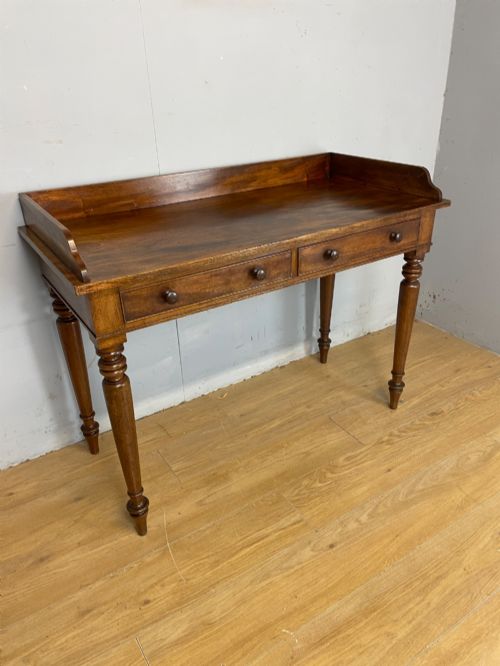
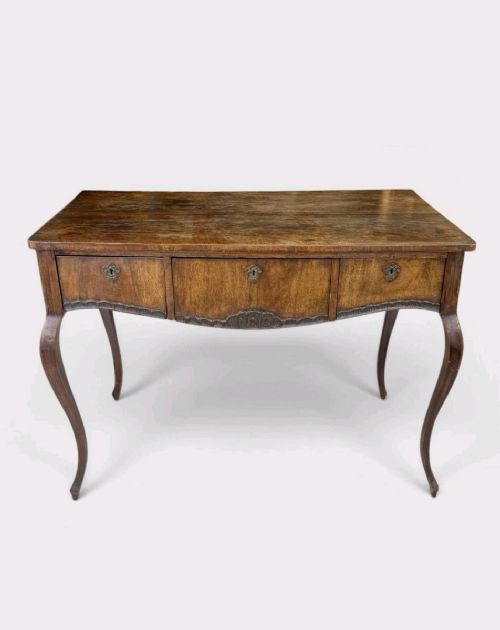
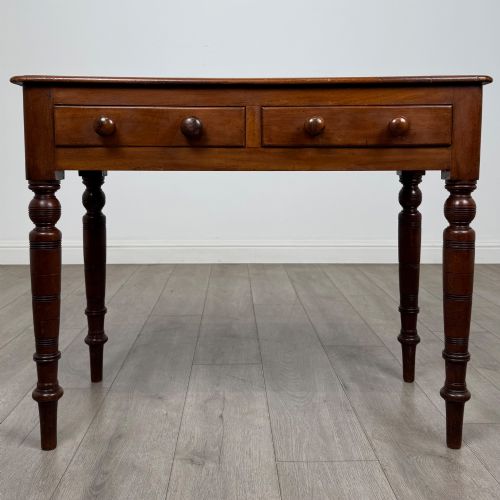
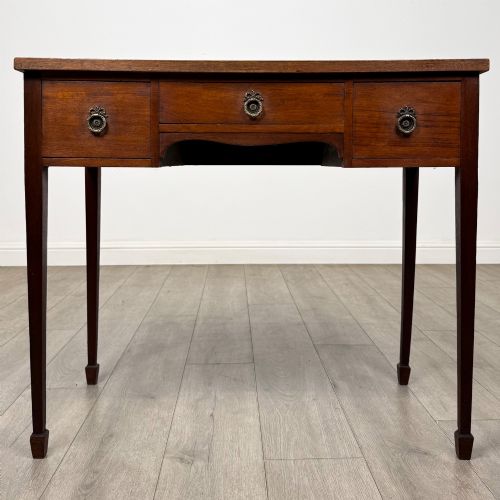
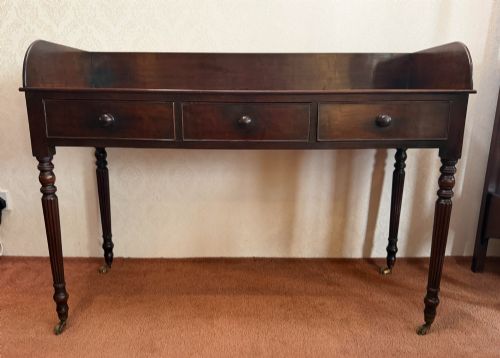
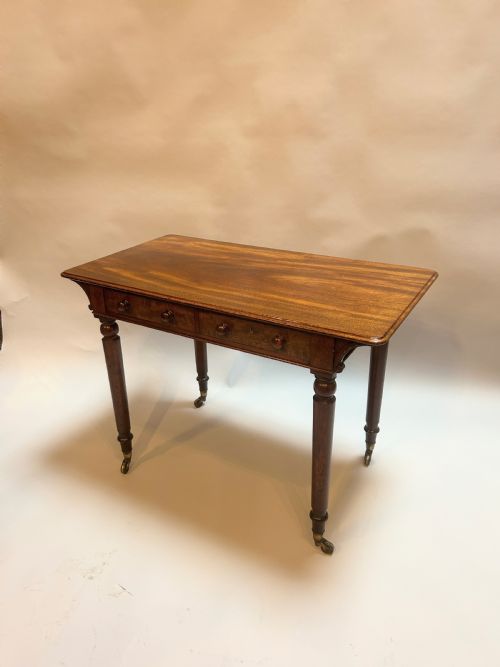
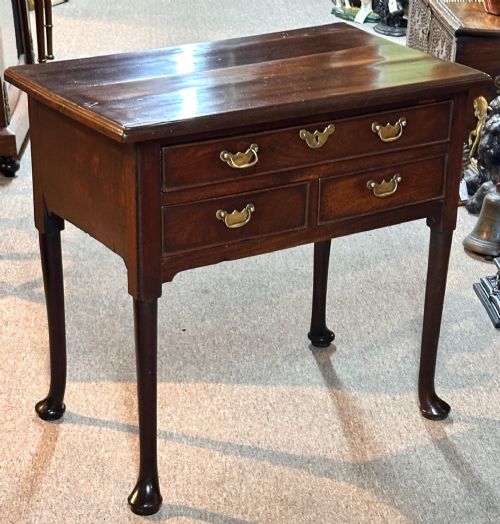
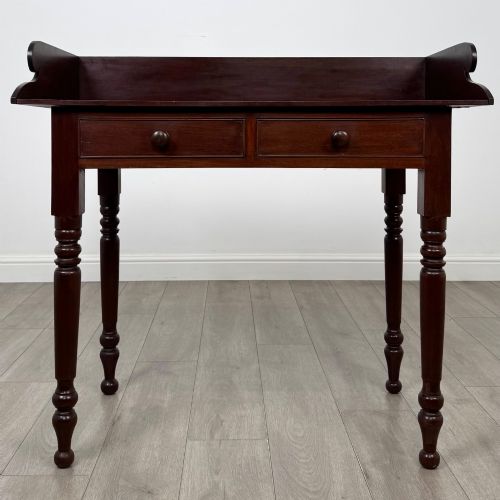
Mahogany Hall Table Drawers
These mahogany hall table drawers combine practical storage with the rich timber tones demanded in traditional hallways.
Mahogany Hall Table Drawers
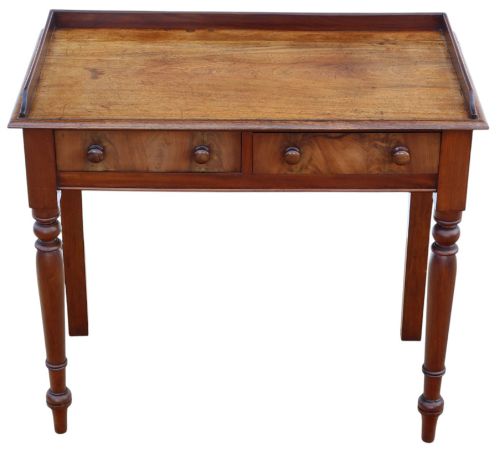
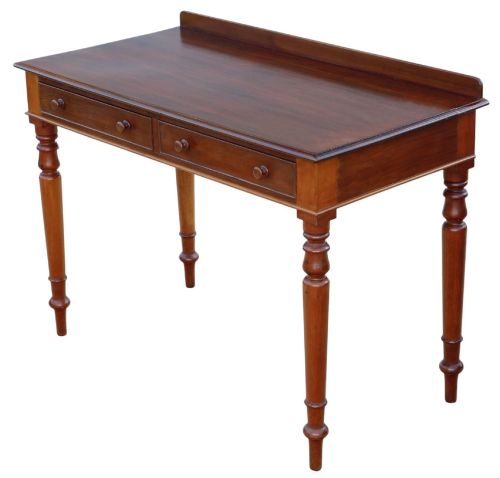
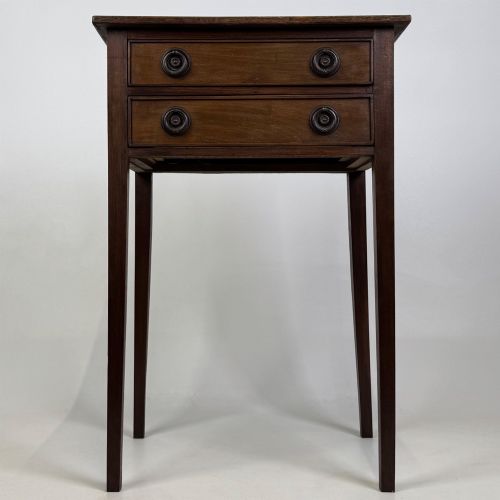
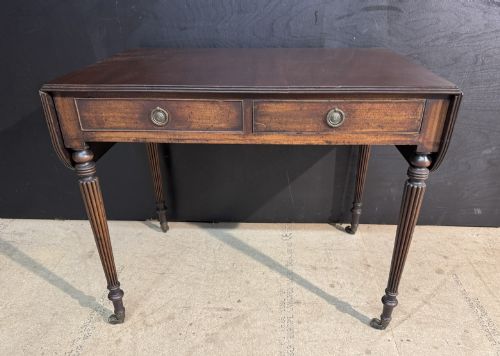
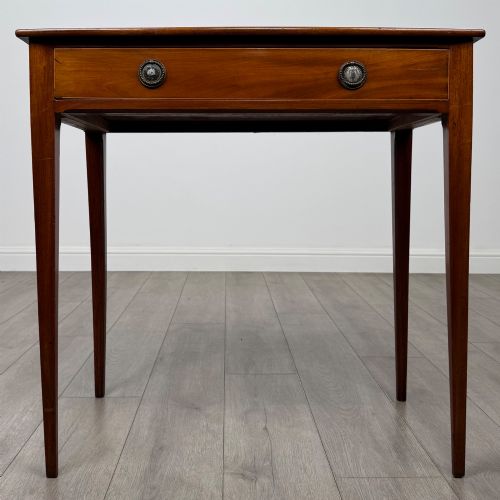
When searching for mahogany hall table drawers, buyers encounter a diverse selection of side tables, lowboys, writing desks, and console tables equipped with functional storage. These pieces span multiple eras, with Georgian, Victorian, and Edwardian examples forming the core of the selection.
The practical function of these tables centres on their integrated drawer storage, which suits narrow entrance spaces and hallways. Side tables and lowboys from the eighteenth and nineteenth centuries appear frequently alongside later Edwardian console variants.
Originating primarily across British periods, the selection demonstrates how cabinet makers adapted writing desks and side tables for hallway use by incorporating compact dimensions and accessible drawers.
Construction and Materials
Cabinet makers relied principally on solid mahogany and flame mahogany veneer, often pairing the rich primary timber with secondary woods such as oak and pine for drawer linings and internal framing.
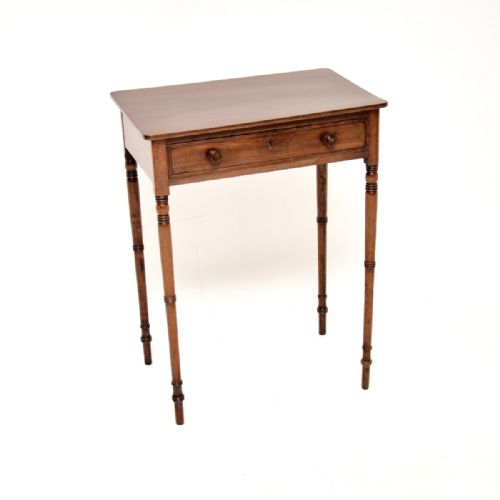
Decorative detailing was achieved through specialised techniques, utilising brass hardware for drawer pulls and handles, alongside subtle elements like barley twist legs and Gothic pierced brackets.
Object types include side tables, lowboys, console tables, and writing desks fitted with drawers.
Distinctions in Quality
Quality in these tables is defined by the selection of timber, particularly the depth and movement found in flame mahogany veneers versus standard plain mahogany boards. Superior examples exhibit careful grain matching across drawer fronts and tops.
Heal and Son·Gillows
The Mahogany Hall Table Drawers Glossary
- Flame mahogany
- A veneer cut from the fork of the mahogany tree to create a distinctive, fiery pattern. This figured timber was favoured by cabinet makers for principal display surfaces.
- Lowboy
- A small pedestal table or low dressing table fitted with drawers, originating in the eighteenth century. These pieces function well as compact hallway tables.
- Side table
- A small table designed to stand against a wall, frequently equipped with one or more drawers. They appear across Georgian, Victorian, and Edwardian periods.
- Console table
- A table supported against a wall by fixed brackets or legs, often utilised in entrance halls. Edwardian and Victorian makers produced numerous variants.
- Sofa table
- A rectangular occasional table traditionally placed in front of a sofa, featuring drop leaves and usually two opposing drawers. Regency examples display particularly refined proportions.
Mahogany Hall Table Drawers: Frequently Asked Questions
What periods do these tables come from?
The pieces span several centuries, including Georgian, Regency, Victorian, and Edwardian eras. Each period brings distinct proportions and decorative details to the design.
Earlier examples from the eighteenth century focus on clean lowboy forms, while later nineteenth and twentieth-century versions often incorporate writing surfaces and console arrangements.
How were these tables used originally?
These tables served multiple domestic purposes, acting as writing desks, dressing surfaces, and side storage in living areas or halls. The integrated drawers held writing implements, documents, or household keys.
In hallway settings, they provided a convenient surface for incoming post and small personal items while keeping entryways tidy.
How do I style a mahogany table in a hallway?
A mahogany table introduces dark timber tones and traditional craftsmanship to an entrance space. Pairing the rich wood with neutral walls allows the grain and drawer fronts to stand out.
Keeping the surface uncluttered preserves the historical character of the piece while maintaining the practical function of the drawers underneath.
How can I tell a Georgian table from a Victorian one?
Georgian pieces, particularly those from the eighteenth century, typically display restrained classical proportions, simpler bracket feet, and solid mahogany or subtle veneer work. They often take the form of lowboys or slender side tables.
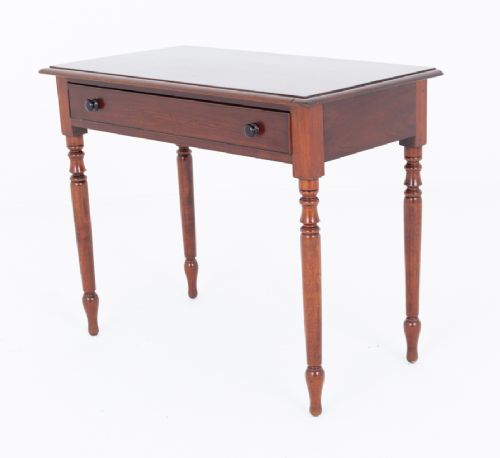
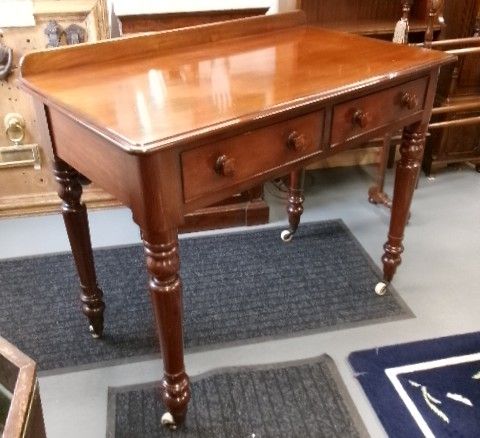
Victorian and Edwardian versions tend to feature heavier turned legs, more varied gallery edges, and sometimes more complex drawer configurations reflecting later industrial production methods.