
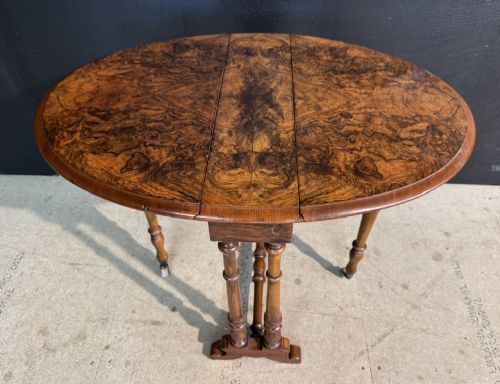
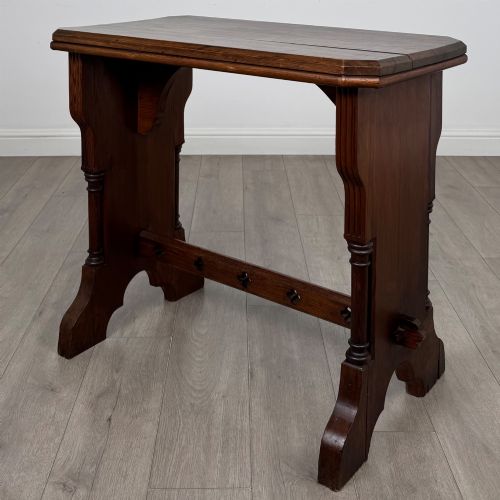
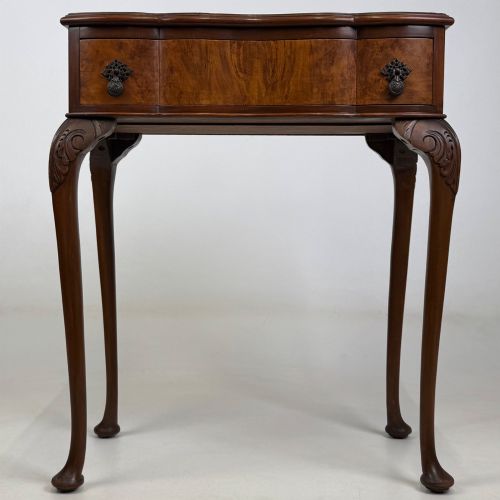
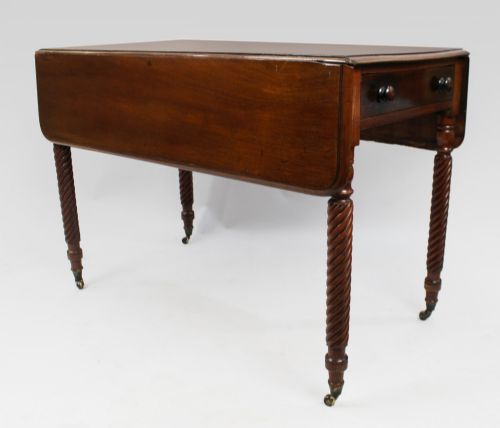
Brown Wood Sofa Table
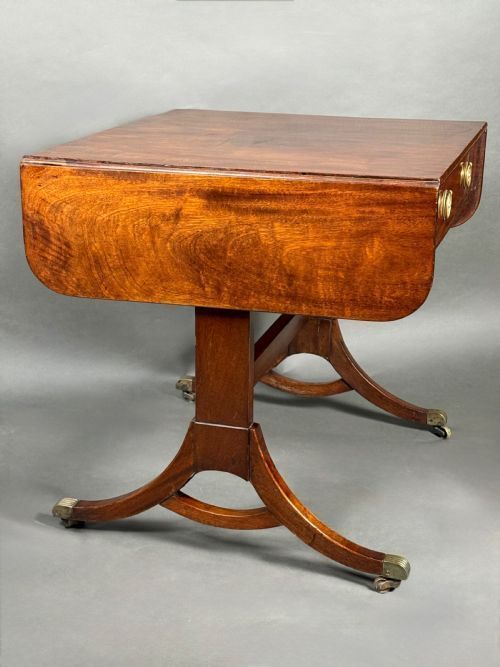
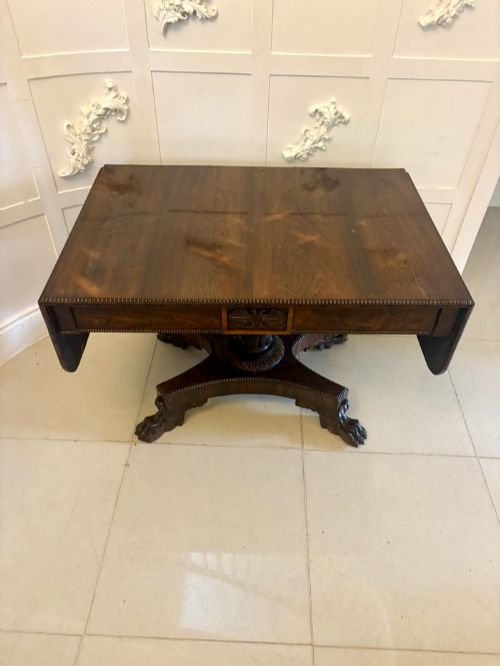
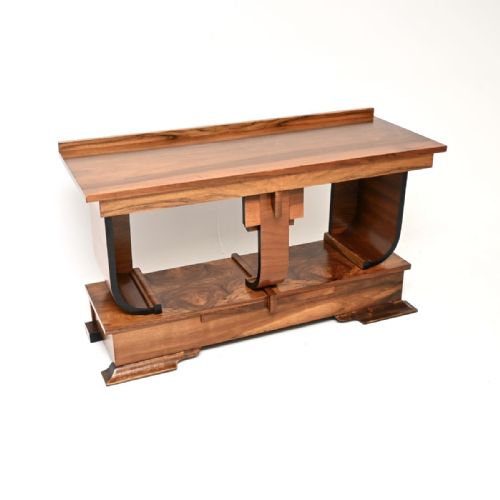
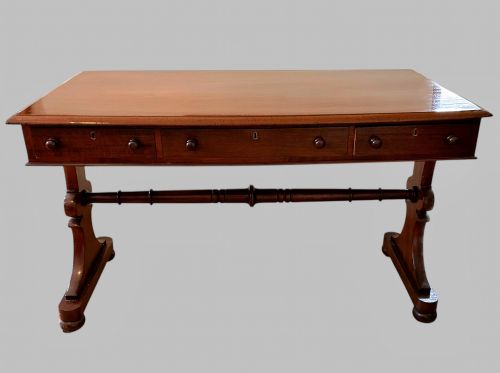
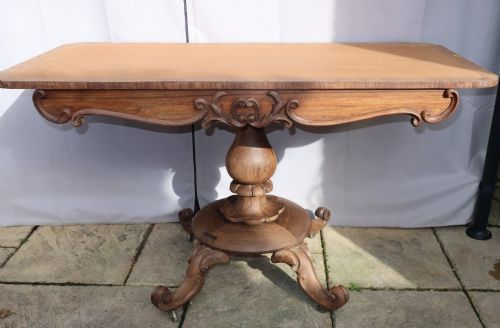
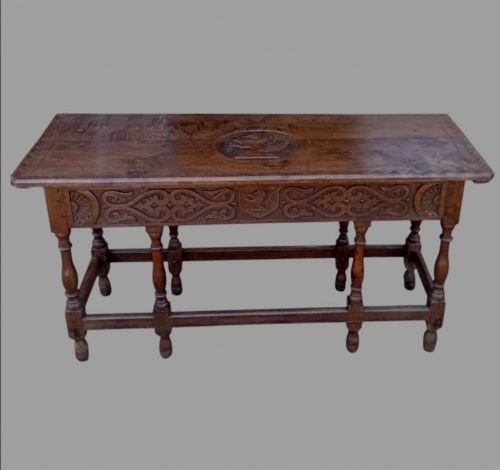
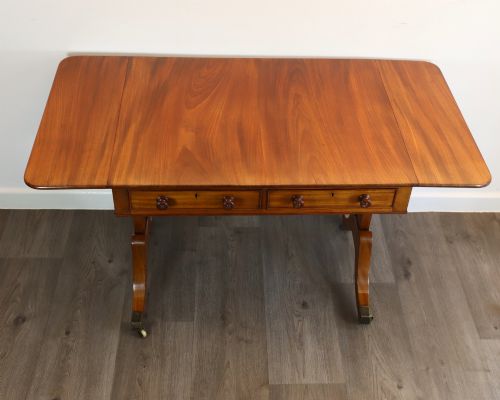
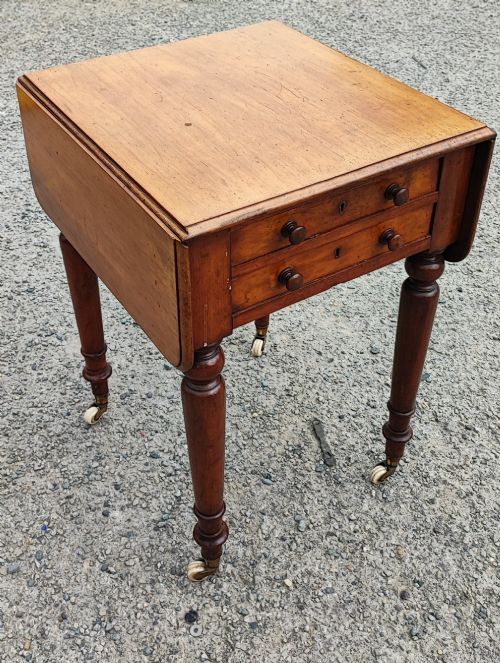
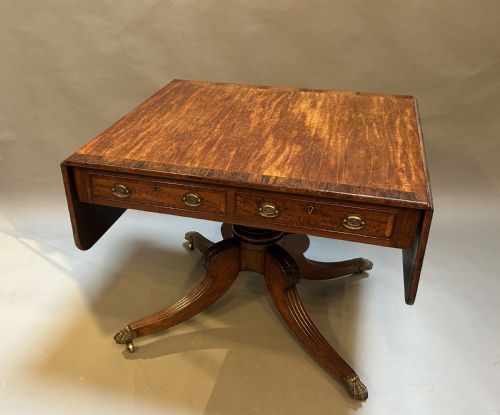
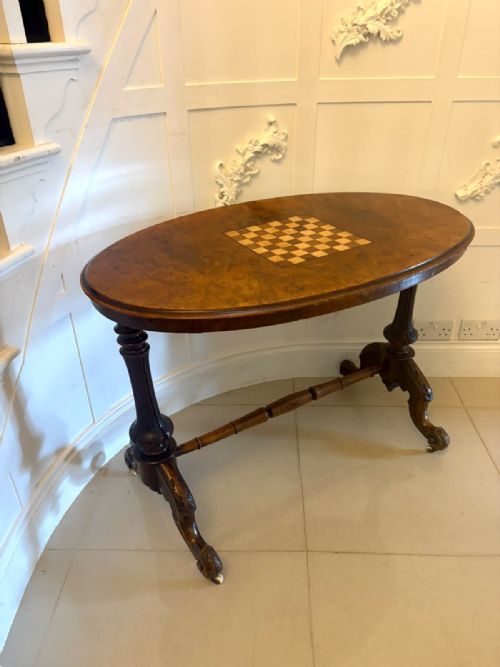
These brown wood sofa table pieces are versatile twin-flap tables designed to sit behind a sofa, crafted from figured timbers across multiple periods.
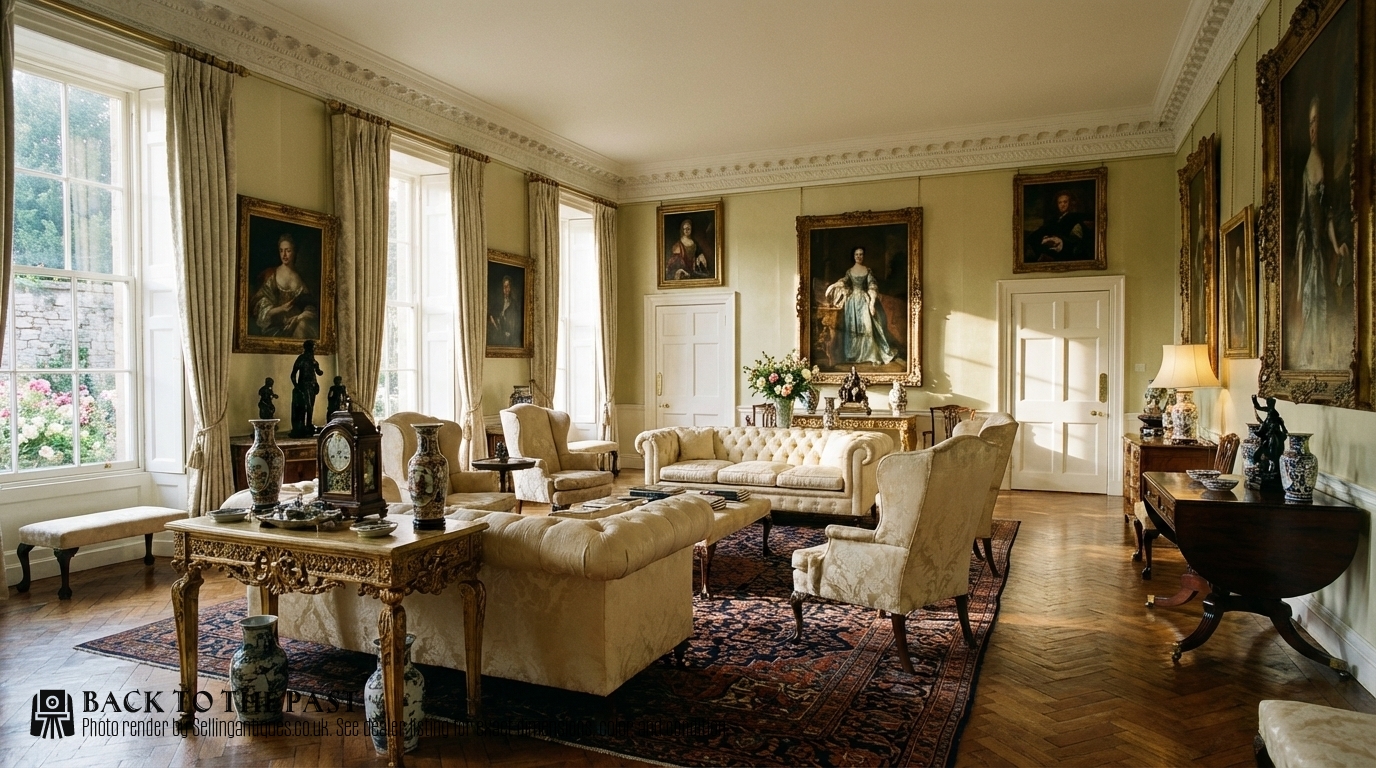
Understanding the Brown Wood Sofa Table
A brown wood sofa table is a drop-leaf occasional form traditionally positioned behind a seating arrangement, featuring rectangular tops with hinged leaves at either end. The selection includes examples from the George III, Regency, William IV, and Edwardian periods, alongside nineteenth-century iterations.
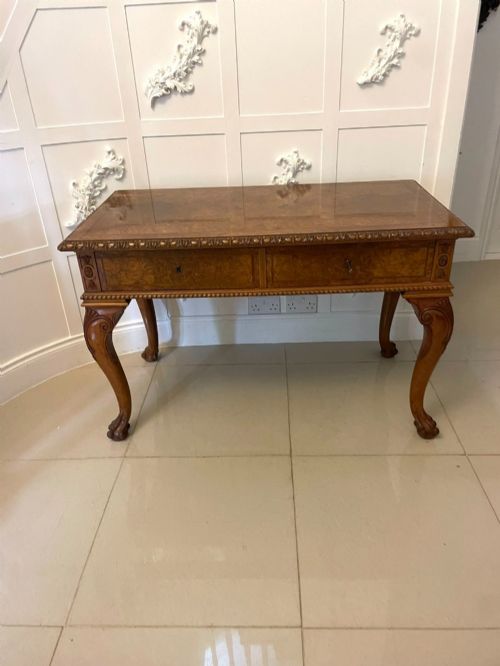
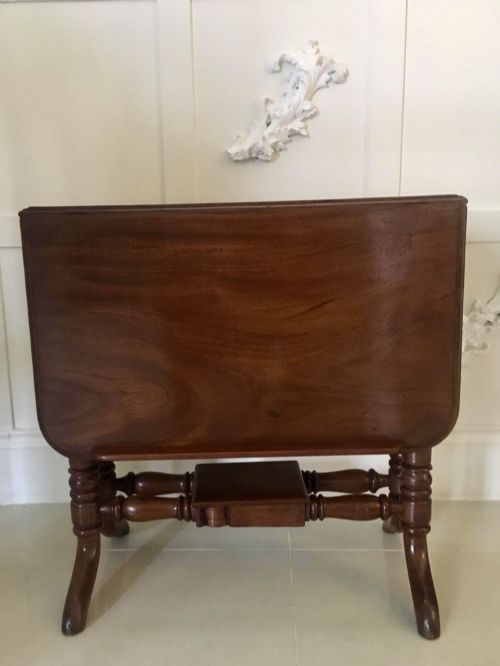
The primary object types recorded are sofa tables and writing tables, accompanied by occasional table variants such as the Sutherland table. Makers and designers utilised rich hardwoods to create practical surfaces with frieze drawers.
Pieces span various stylistic interpretations from the grand Regency aesthetic to Edwardian refinement. Buyers encounter both formal library or drawing-room furniture and more compact nineteenth-century designs.
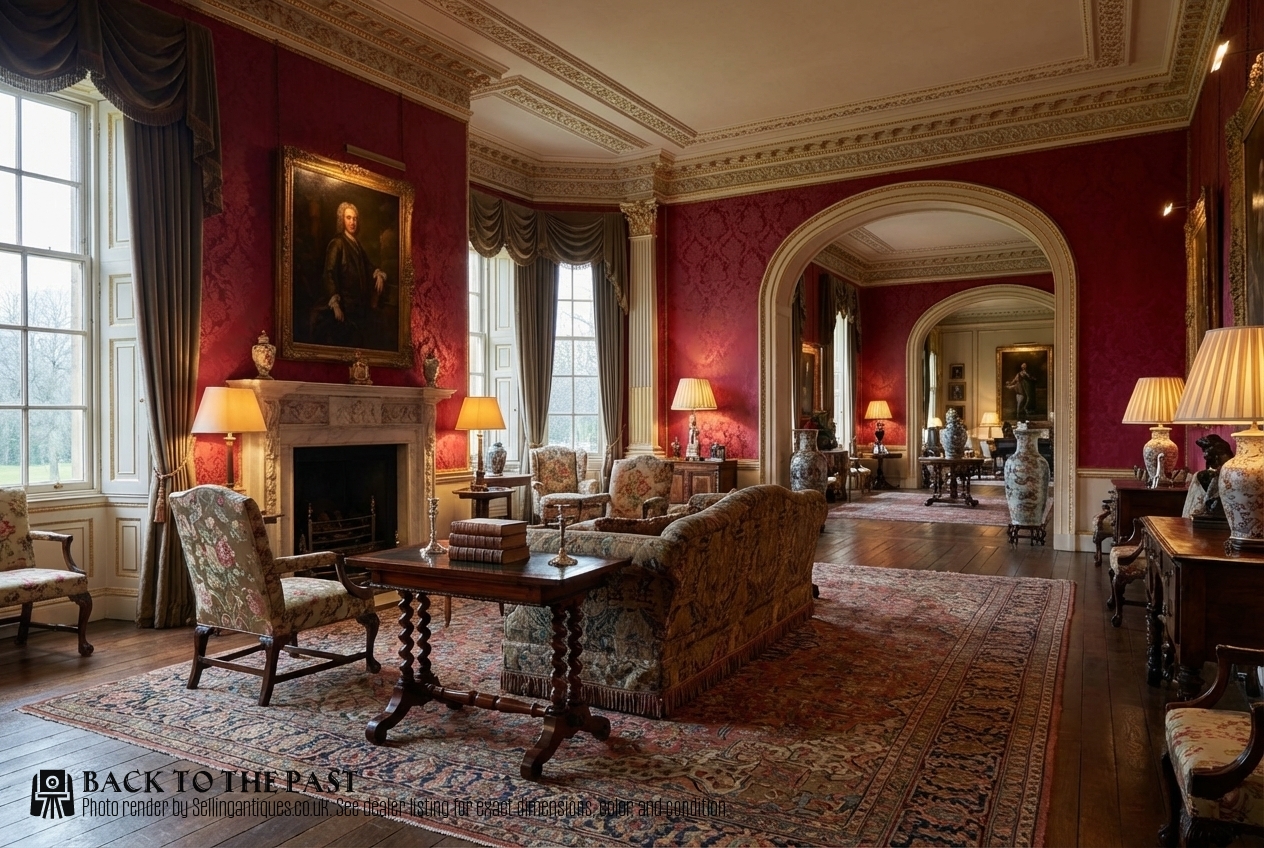
Materials and Construction
Construction relies heavily on dense hardwoods, with mahogany appearing alongside exotic timbers such as goncalo alves, walnut, rosewood, and satinwood. These dense timbers provide the structural integrity required for drop-leaf mechanisms and slender supporting legs.
Detailing involves contrasting metalwork and decorative inlays, with specific items incorporating brass inlay work. Workshops combined solid timber frames with carefully selected veneers to highlight the natural grain patterns of the wood.
Retail Price Guide 2026
Typical UK retail prices for brown wood sofa table, calculated from the Sellingantiques database of over a million retail prices indexed since 2003. This retail price guide relies exclusively on Sellingantiques data; no external sources or auction records are used, so the figures do not describe the wider market.
The listings span four distinct periods: the 18th Century, Regency, 19th Century, and Edwardian era.
Distinctions in Quality
Quality rests upon the choice of timber and the sophistication of the decorative scheme, distinguishing straightforward utility pieces from grander salon examples. The selection of figured mahogany or rarer woods like goncalo alves elevates a piece visually.
Refinement in secondary details, such as precise brass inlay and the harmonious integration of drop-leaf supports, separates standard workshop production from exceptional cabinet work.
The Brown Wood Sofa Table Glossary
- Sofa Table
- A freestanding table with hinged drop leaves on two opposing sides, originally designed to stand behind a sofa. These tables typically feature two drawers in the frieze.
- Goncalo Alves
- A dense, highly figured tropical hardwood displaying contrasting dark brown and lighter streaks, utilised in high-status nineteenth-century furniture. It provides a striking decorative surface.
- Sutherland Table
- A narrow drop-leaf table where both leaves fold down almost vertically, supported by swinging gate legs. This compact form gained popularity during the nineteenth century.
- Frieze
- The horizontal band situated directly beneath the tabletop, frequently housing one or more drawers in these table designs. It offers a structured space for decorative mounts or inlay.
- Drop Leaf
- A hinged flap of wood attached to the main tabletop that can be raised to extend the surface area or lowered when space is constrained. It forms the defining characteristic of this table type.
Frequently Asked Questions
Where did they place sofa tables?
These pieces traditionally sat in the middle of a room behind a central sofa, rather than against a wall. This placement allowed the finished back and dual drop leaves to remain fully visible.
Over time, owners adapted them as writing surfaces or occasional tables positioned beside seating groupings.
How do I identify a Regency period table?
Regency pieces often display classical proportions, bold timber figuring, and specific decorative elements such as brass inlay. The styling reflects the early nineteenth-century taste for ancient Greek and Roman motifs.
They stand apart from later Edwardian iterations through their heavier structural presence and distinct joinery techniques.
What are drop leaves used for?
The hinged leaves allow the table to expand or contract depending on the immediate spatial requirement. Dropping the flaps reduced the footprint when the table stood behind a sofa.
Raising both leaves created a larger surface suitable for writing or serving.
Are writing tables different from sofa tables?
While sharing similar proportions and timber construction, writing tables focus specifically on surface utility for correspondence. Sofa tables incorporate the characteristic drop leaves designed for flexible placement.
Both forms utilise frieze drawers for storage.