

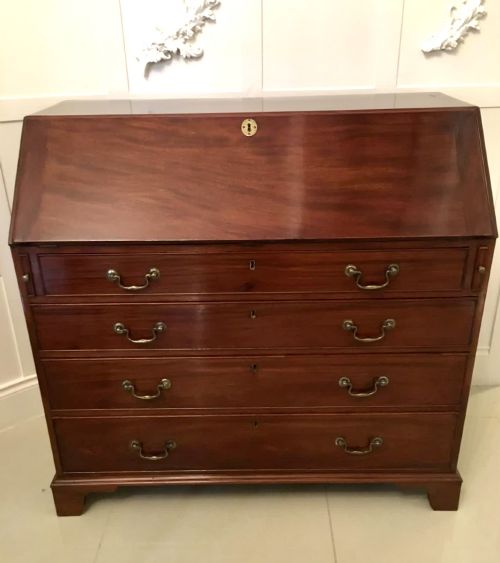
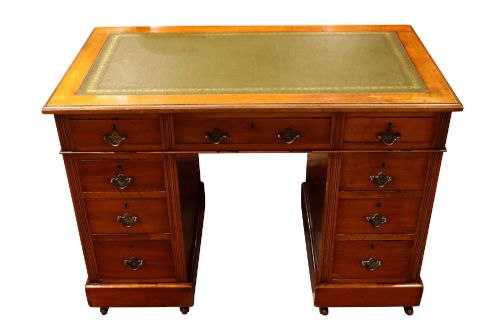
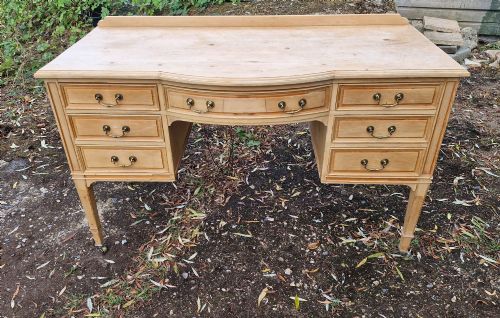
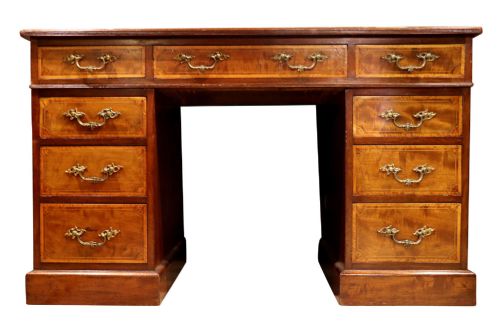
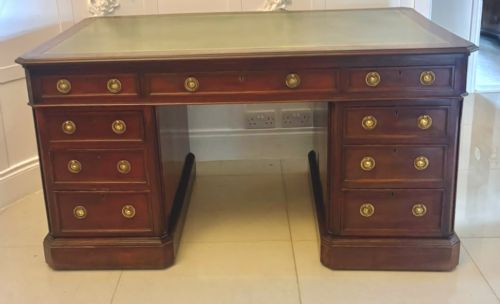
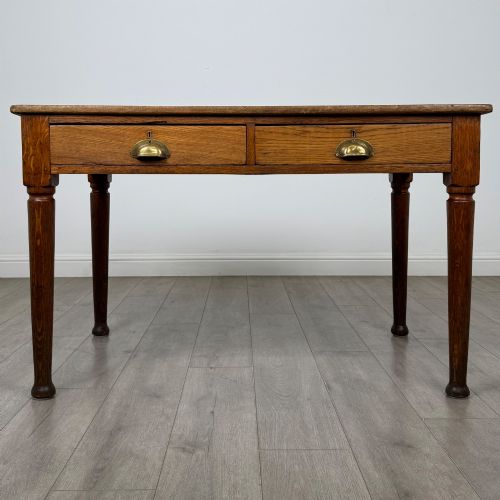
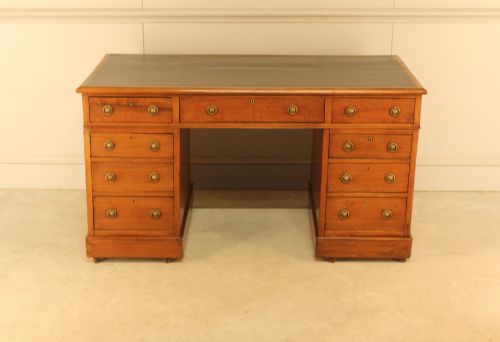
Vintage Office Drawers
Vintage office drawers combine solid craftsmanship and working storage, bringing practical character and period materials straight into a modern study.
Vintage Office Drawers
Vintage office drawers encompass functional workspace furniture designed for storage and administration, appearing across periods from the nineteenth century to the early twentieth century.
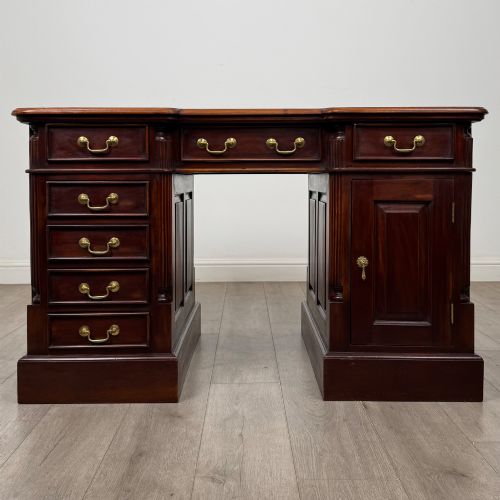
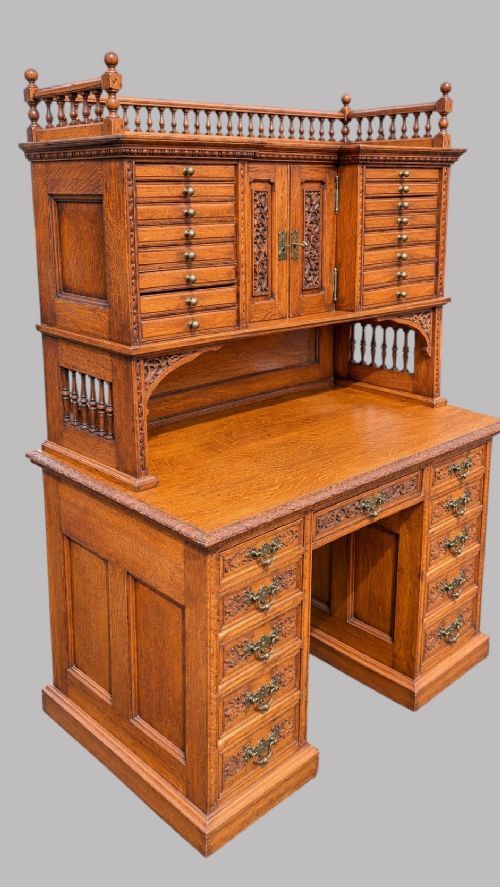
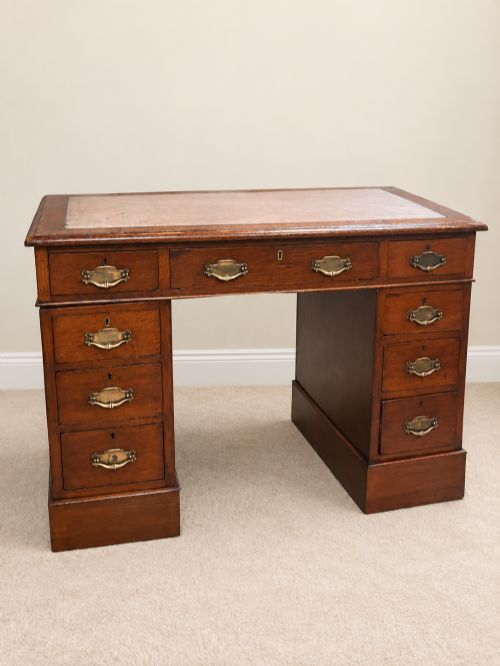
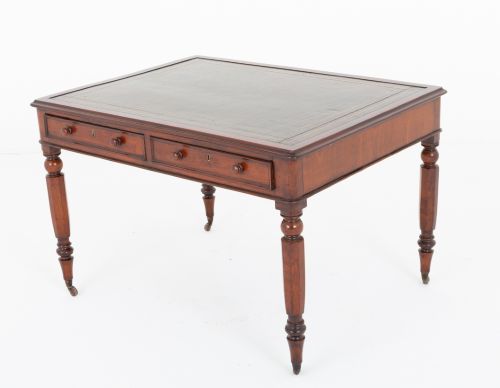
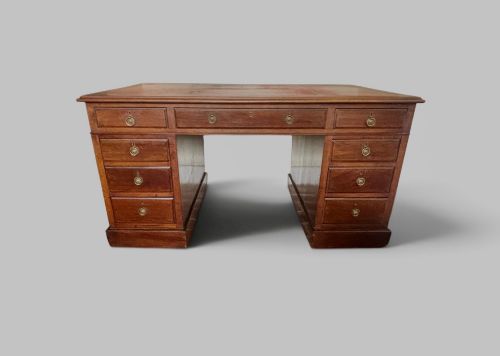
Buyers most frequently encounter pedestal desks, writing tables, and banks of drawers executed in oak, mahogany, and walnut across styles such as Victorian and Edwardian.
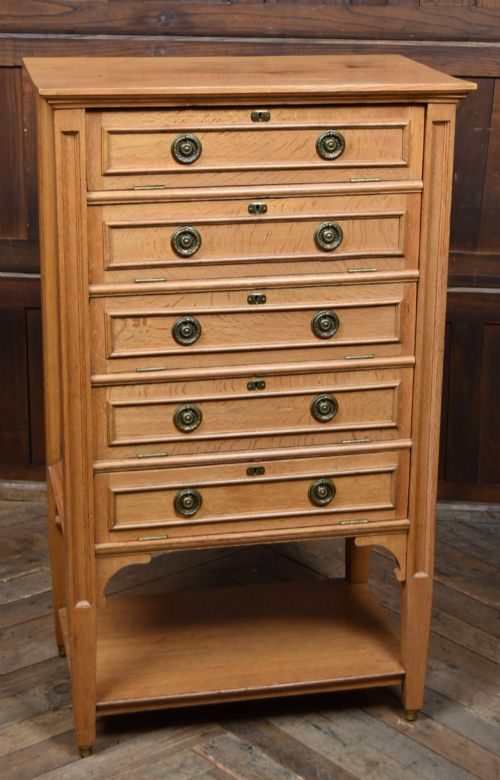
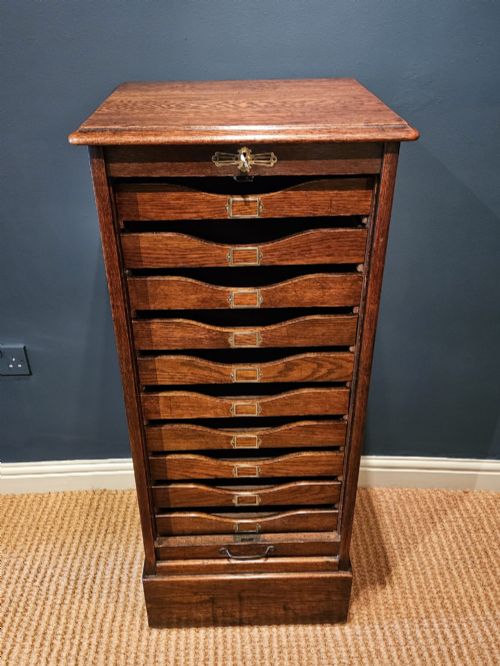
These pieces range from multi-drawer filing cabinets and tambour front units to compact kneehole desks suited for daily administrative tasks.
How they were made
Cabinet makers utilised dense hardwoods like mahogany, oak, and burr walnut, frequently pairing them with secondary softwoods such as pine for internal framing.
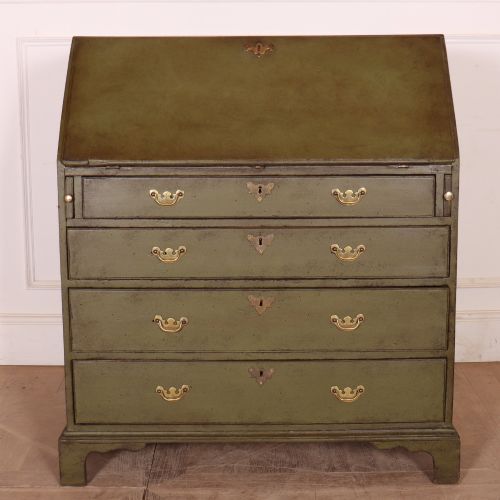
Hardware details included brass handles, shell pulls, and leather writing surfaces inset into timber tops with distinctive grain patterns.
Listings feature woods spanning mahogany, oak, burr walnut, pine, rosewood, and metal alongside brass hardware.
What varies in quality
The standard of a piece depends on timber selection, evident in the choice of figured burr walnut or solid oak over simpler painted pine.
Construction methods and original hardware, such as makers' locks or intact brass shell pulls, separate standard utilitarian storage from finer cabinet work.
Edwards & Roberts·Hobbs & Co.
The Vintage Office Drawers Glossary
- Pedestal desk
- A heavy writing table supported by two banks of drawers resting on the floor. These pieces typically feature a central kneehole.
- Tambour front
- A sliding slatted wooden shutter that rolls in a track to conceal internal shelving or small drawers.
- Kneehole desk
- A compact writing desk with a central recess for the legs, flanked by pedestals of drawers on either side.
- Bank of drawers
- A tall or wide chest primarily intended for filing and sorting documents rather than domestic clothing storage.
Vintage Office Drawers: Frequently Asked Questions
How do I choose the right size?
Measure your available floor space and consider knee clearance for comfortable daily seating at desks or writing tables.
Take note of depth dimensions, especially when choosing pedestal desks or multi-drawer filing cabinets that require room to pull out fully.
Were these used in homes?
Many pieces served in domestic studies, libraries, and estate offices, alongside examples originating from commercial and industrial premises.
Solid construction in oak and mahogany allowed these items to transition easily between working environments and residential rooms.
How do I care for leather tops?
Keep leather writing surfaces away from direct sunlight and excessive heat to prevent the material from drying out and cracking.
Apply specialised leather balms sparingly to maintain suppleness while preserving the original colour and texture.
How do I date an oak desk?
Examine the timber grain, drawer construction methods, and overall style cues such as Edwardian linearity or Victorian mass.
Hardware elements like brass shell pulls and manufacturer stamps also provide reliable indicators of the period of production.