
Vintage Filing Cabinet
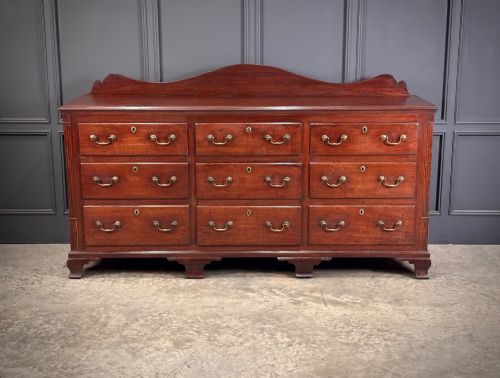
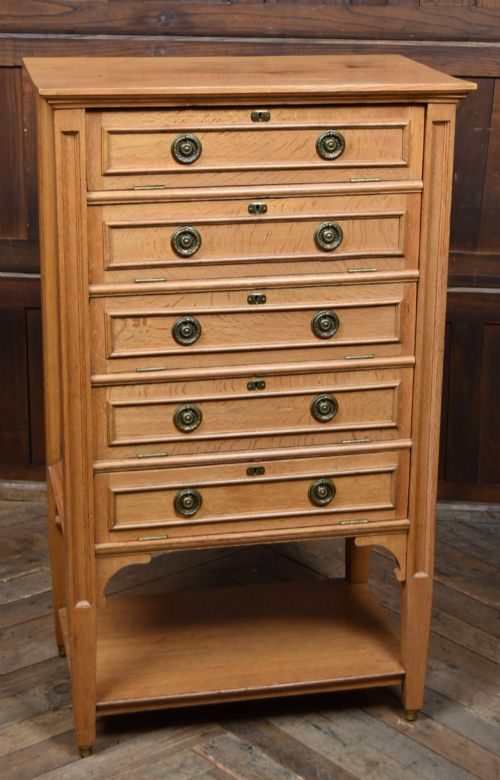
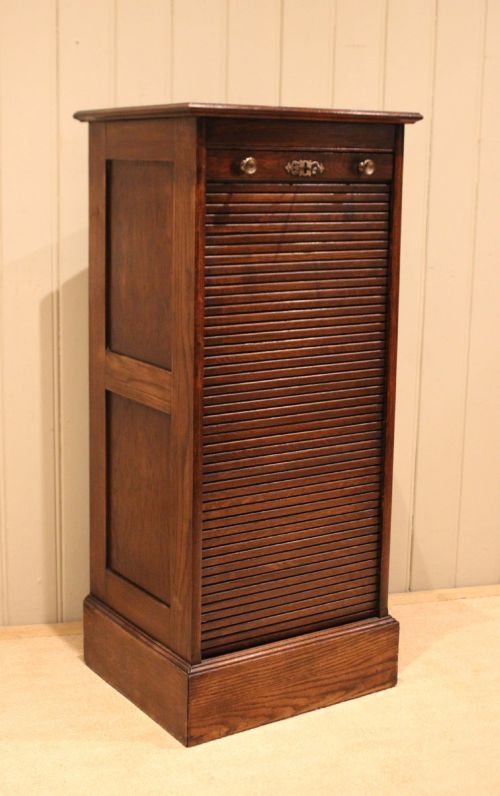
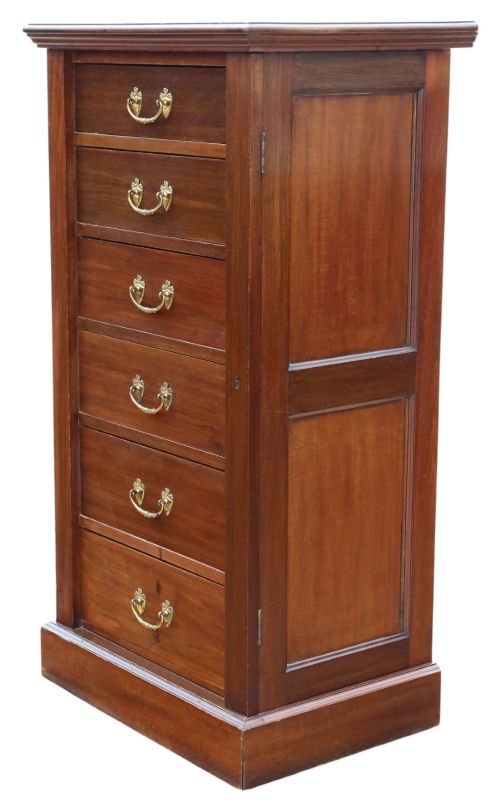
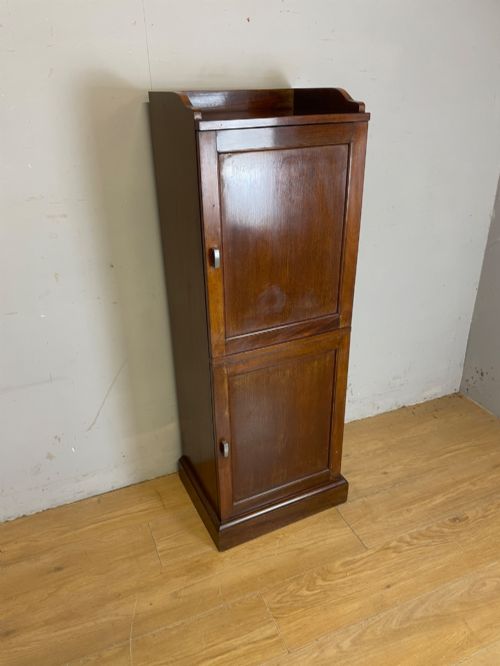
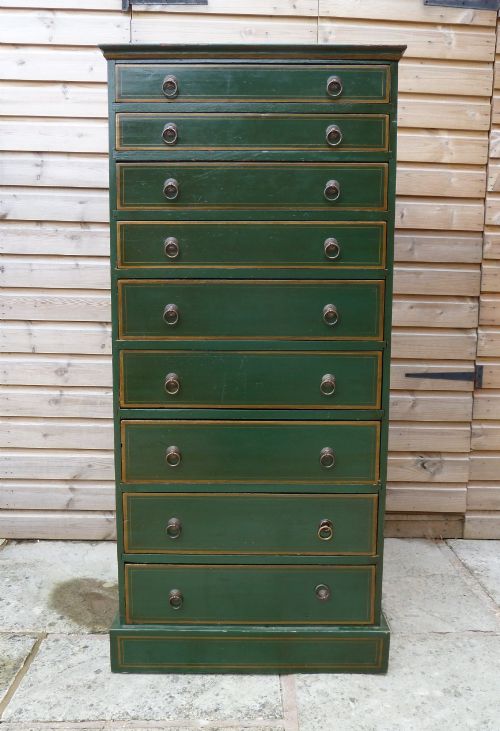
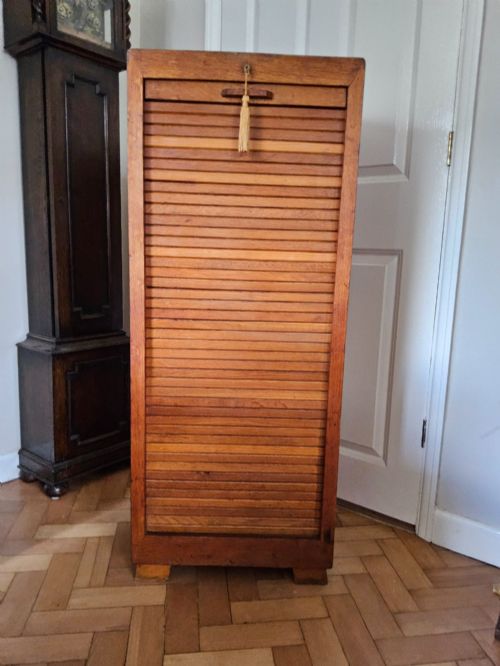
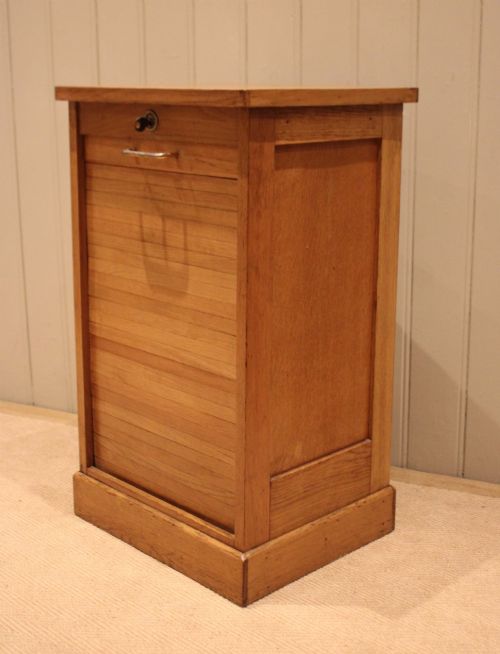
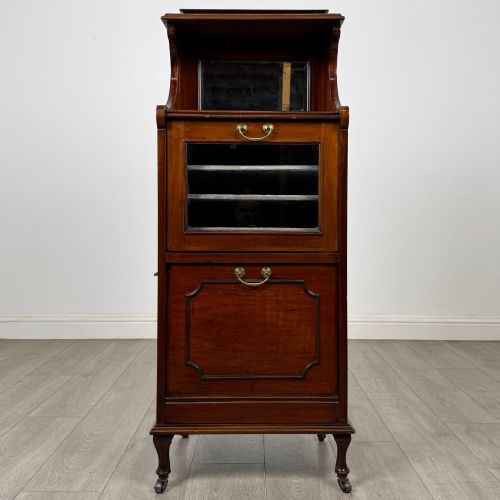
These vintage filing cabinets range from sturdy oak tambour front designs to multi-drawer mahogany banks built for heavy daily paper storage.
Vintage Filing Cabinet
The selection includes pieces spanning from the nineteenth century through the early decades of the twentieth century. Forms range from compact single-column cabinets to large industrial banks of drawers and plan chests.
How They Were Made
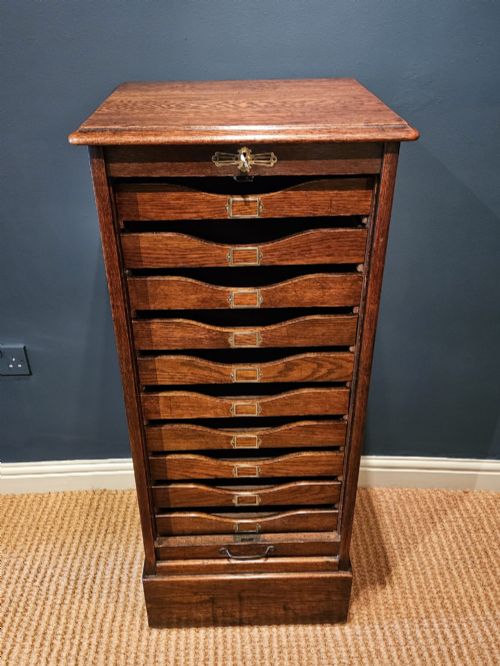
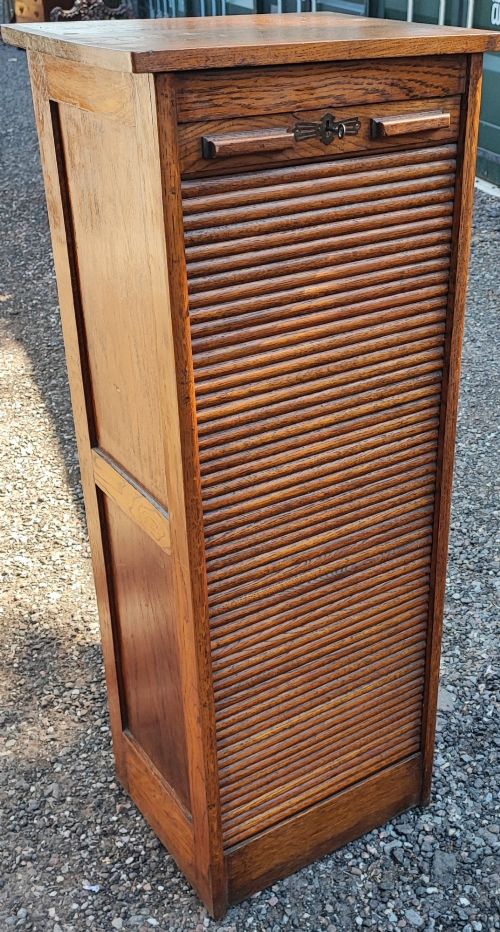
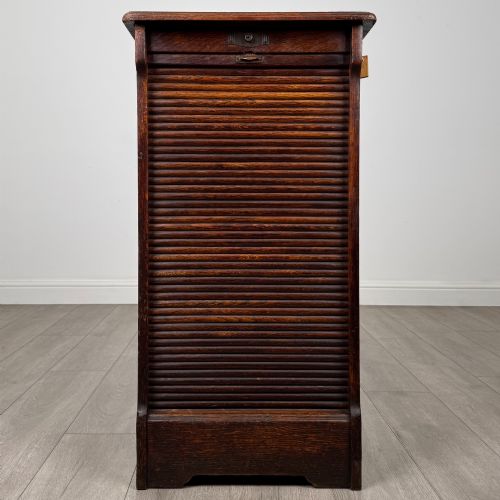
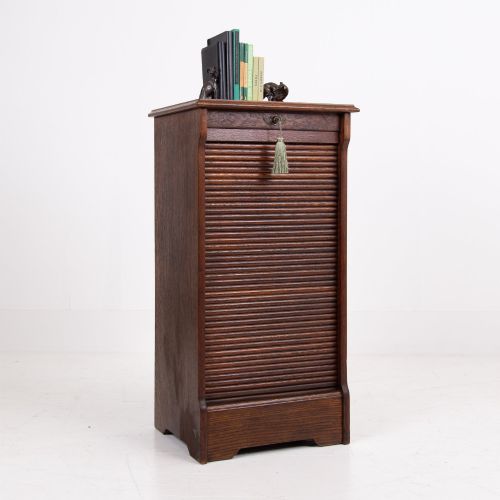
Joinery relies heavily on durable timbers such as oak, mahogany, teak, and pine, frequently paired with brass hardware and label holders. Many cabinets incorporate slatted wooden tambour shutters that slide smoothly around tracks to conceal the interior shelves.
Metal and steel elements appear in industrial variants, while secondary woods support structural carcass work. Finishes range from polished mahogany surfaces to pale wax coatings on utility pine and oak.
Listings feature woods including oak, mahogany, pine, teak, and rosewood alongside structural brass, steel, and canvas.
What Varies in Quality
Distinction across the range lies in the complexity of the mechanism and the choice of primary timber. Pieces featuring operable tambour doors running smoothly on original slats sit apart from simpler static drawer units.
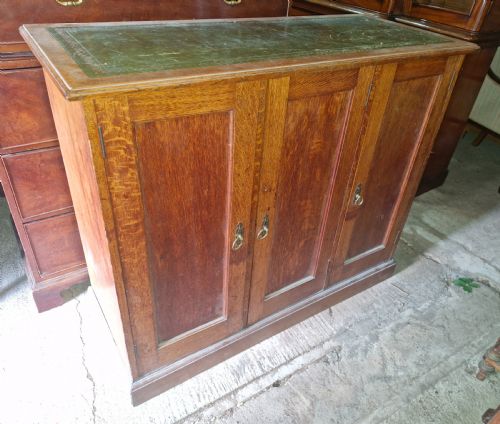
Hardware integrity and timber selection dictate overall merit. Original brass shell pulls and intact label holders elevate utility pieces into finer collector examples.
The Vintage Filing Cabinet Glossary
- Tambour
- A flexible shutter door constructed from narrow strips of wood glued to canvas backing, allowing it to slide around a curved track. This mechanism conceals the interior compartments of office cabinets without requiring swing clearance for doors.
- Bank of Drawers
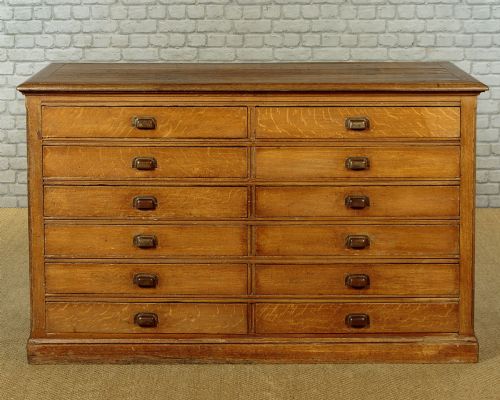
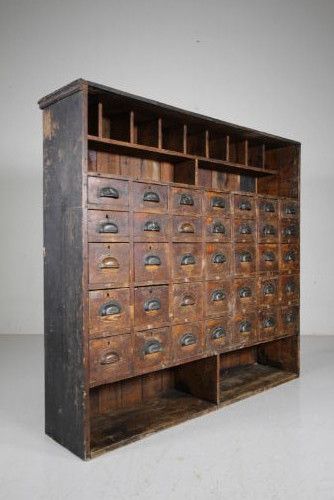
- A multi-tiered stack of storage compartments housed within a single tall or wide carcass. These units typically served commercial offices and workshops for sorting large volumes of paperwork.
- Plan Chest
- A wide, shallow cabinet designed originally for storing architectural drawings, maps, and large sheets of paper. The shallow depth of each drawer prevents large documents from curling or sustaining damage.
- Wellington Chest
- A tall, slender set of drawers secured by a hinged vertical locking bar on one side that fastens with a padlock. This design originated in the nineteenth century to keep confidential documents secure.
Vintage Filing Cabinet: Frequently Asked Questions
How do tambour doors work?
Tambour doors consist of narrow wooden slats attached to a flexible fabric backing that slides along routed vertical or horizontal tracks. This allows the shutter to roll open smoothly around a tight radius.
They offer practical space-saving benefits in compact offices where traditional swinging doors would obstruct walkways or adjacent furniture.
What woods were used for these cabinets?
Cabinet makers relied primarily on durable hardwoods such as oak and mahogany for high-end office furniture. Pine and teak appear frequently in utility or regional pieces.
Secondary timbers often form internal drawer carcases while polished primary veneers face the exterior facades.
How do I date an office cabinet?
Dating relies on construction methods, timber choices, and hardware styles associated with specific periods from the nineteenth century onward. Brass label holders and shell pulls often indicate Edwardian or early twentieth-century manufacture.
Industrial variants from the interwar decades display utilitarian steel and painted finishes rather than polished cabinetwork.
Are these cabinets suitable for modern paper sizes?
Many vintage filing cabinets accommodate standard modern paper formats within their deep or multi-drawer configurations. Plan chests and wide drawer banks offer expansive flat storage surfaces.
Internal dividers and card index slots may require minor adjustments depending on the specific filing system used.