

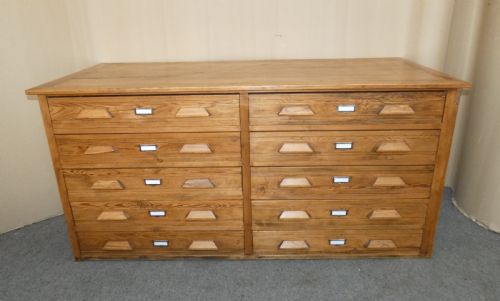

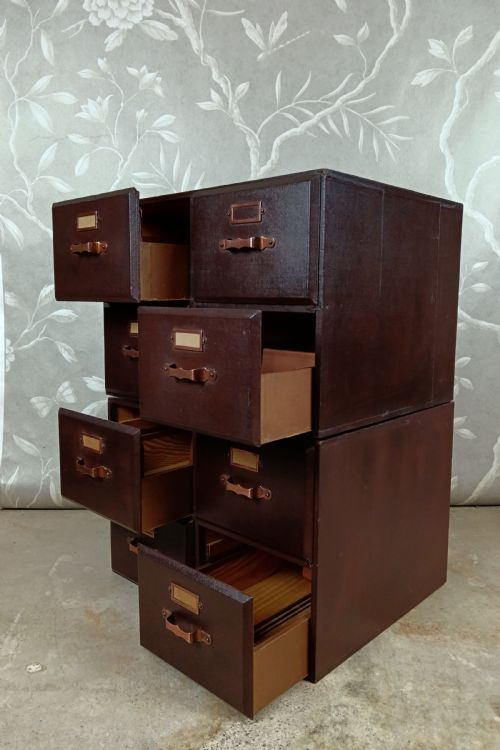


Card Index Cabinet
A card index cabinet organises small records with precision, offering heavy-duty storage scaled for desktop or floor use.
Card Index Cabinet
A card index cabinet provides partitioned wooden or metal drawers designed specifically to hold standard index cards, library slips, or business correspondence. These pieces serve domestic collectors and workspace organisers who require systematic categorisation within a compact footprint.
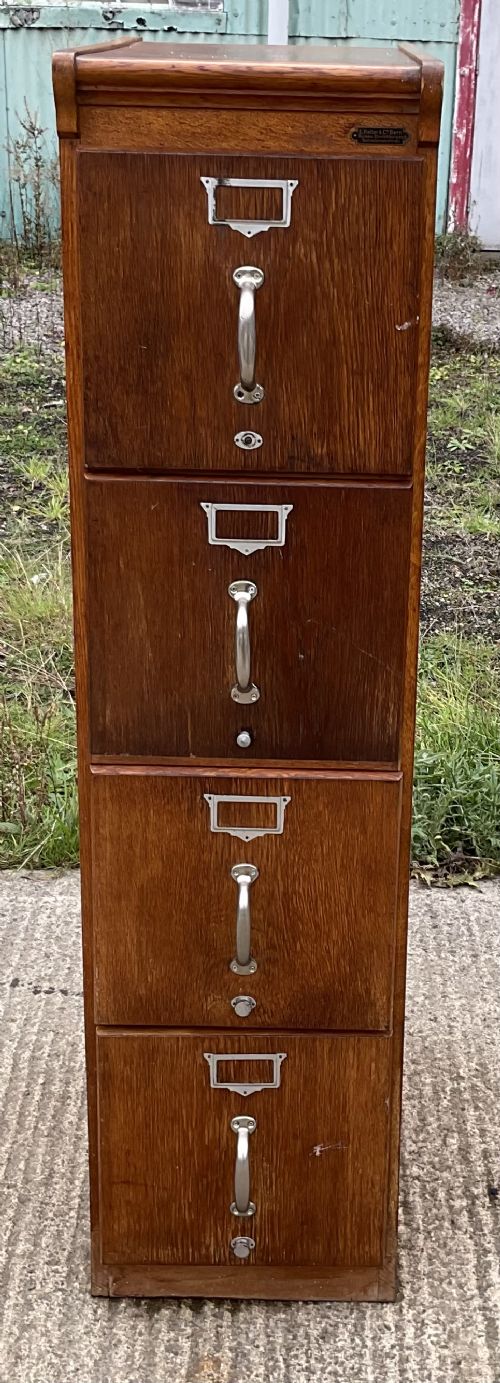
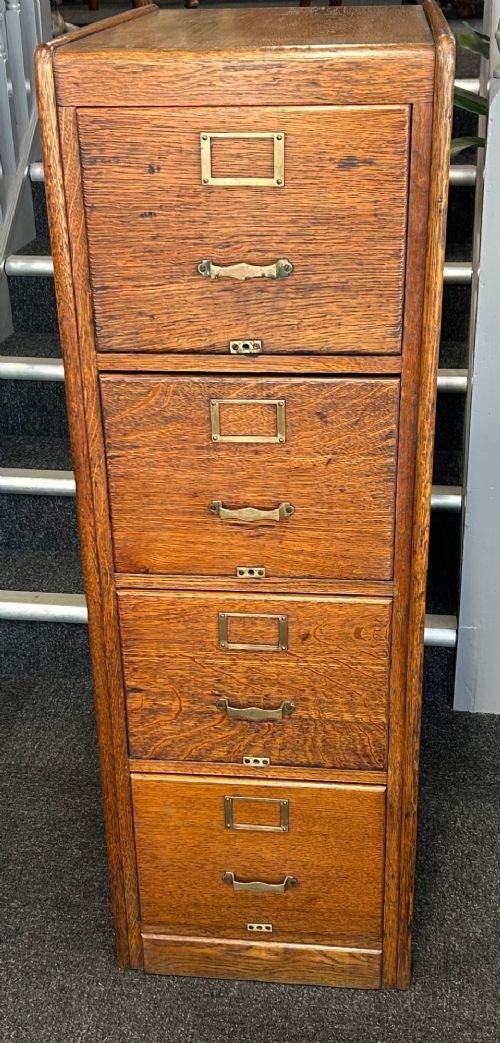
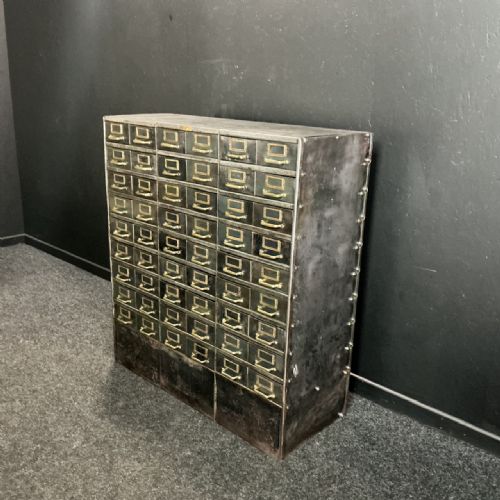
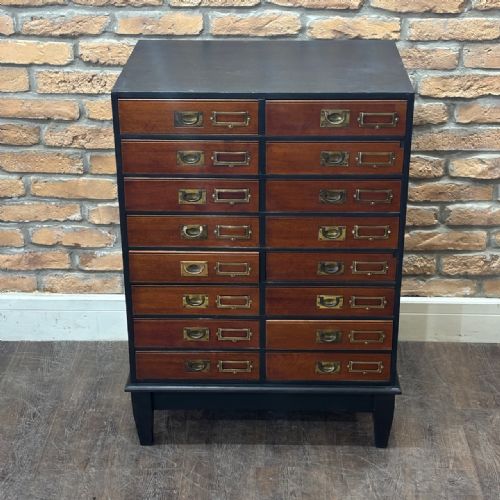
The versions most common here span the late nineteenth century through to the mid-twentieth century, heavily featuring oak and mahogany timbers alongside utilitarian steel structures. These cabinets often appear as banks of multiple small drawers, sometimes retaining their original brass label holders and pulls.
Materials and construction
Makers built these cabinets predominantly using solid oak, mahogany, and walnut, frequently constructing carcases with durable dovetail joints to withstand the repetitive pulling of drawers. Metal and steel examples utilise pressed plates and reinforced framing to achieve a robust industrial resilience.
Hardware consists of cast brass or iron drawer pulls, often integrated with slotted label frames that allowed clerks to identify contents instantly. Interiors rely on precisely fitted wooden dividers or metal rods designed to secure index cards upright during daily consultation.
Card Index Cabinet Retail Price Guide 2026
Typical asking prices for card index cabinet among the pieces listed under this phrase on Sellingantiques today, from the lower quarter to the upper quarter. They describe what is for sale here now, not the wider market.
Several former filing cabinets enjoy retirement holding wine bottles instead of index cards.
Assessing quality in filing furniture
Quality rests heavily on the integrity of the drawer action and the completeness of original internal mechanisms, such as brass compression rods and label holders. Superior examples retain matching timber grains across multiple banks of drawers and display clean, uncompromised structural joinery.
Surface finish and material selection also divide standard utilitarian models from finer pieces; golden oak and figured mahogany examples show greater cabinetmaking ambition than basic painted pine or utilitarian steel office furniture.
Amberg·Shannon·Libraco
The Card Index Cabinet Glossary
- Bank of drawers
- An assembly of multiple small drawers arranged in vertical or horizontal tiers. This configuration maximises storage capacity while keeping individual compartments shallow for quick sorting.
- Golden oak
- A bright, warm finish applied predominantly to quarter-sawn oak furniture during the Edwardian period. This treatment highlights the distinctive medullary rays in the timber.
- Patent cabinet
- A storage unit incorporating a specific mechanical filing system protected by intellectual property registration. Examples include Amberg designs which utilised specialised vertical drop-front mechanisms.
- Shop fitting
- Heavy-duty commercial cabinetry designed for retail environments rather than domestic rooms. These pieces often feature extensive banks of small compartments to hold haberdashery or hardware.
- Industrial utility
- A style arising from early twentieth-century workplaces where aesthetic ornamentation gave way entirely to function. These items prioritise robust metal or plain wooden construction over decorative flourish.
Card Index Cabinet: Frequently Asked Questions
What were card index cabinets used for?
Offices, libraries, and businesses used these cabinets to store small records, customer accounts, and bibliographic references systematically.
Each shallow drawer held specific categories of cards, allowing clerks to retrieve and file information rapidly before digital databases existed.
How do I date an oak index cabinet?
Dating relies on examining the timber selection, hardware style, and construction methods used in the carcase.
Edwardian pieces often feature golden oak finishes and cast brass label pulls, whereas industrial steel or painted pine versions frequently date from the interwar period or later.
Are these drawers suitable for modern storage?
The shallow dimensions of the drawers suit the organisation of stationery, craft supplies, and small collection items rather than bulky clothing.
Many buyers repurpose multi-drawer sections as desktop organisers or adapt them for alternative domestic storage roles.
What is the difference between an index cabinet and a haberdashery unit?
Index cabinets feature narrow, compartmentalised drawers engineered specifically for paper cards and standard filing systems.
Haberdashery units typically provide wider, shallower trays with glass fronts or pulls intended for displaying textiles and ribbons in shops.