


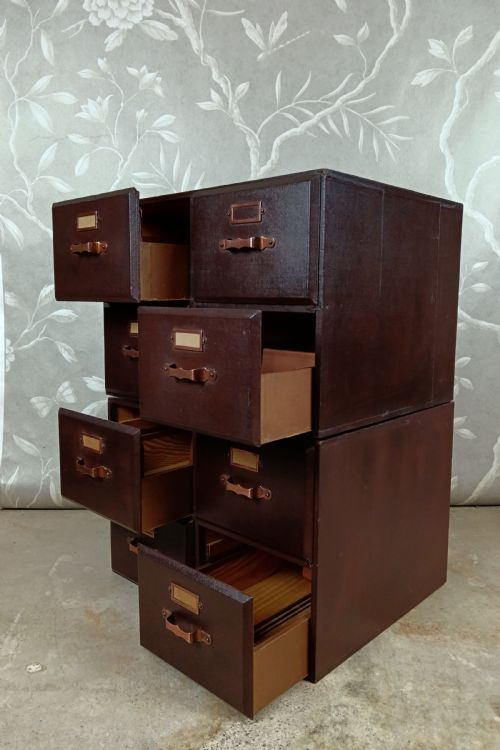


Antique Index Cabinet
An antique index cabinet organises papers or small objects in multiple drawers, offering sturdy utility and timeless storage for a study.
Antique Index Cabinet
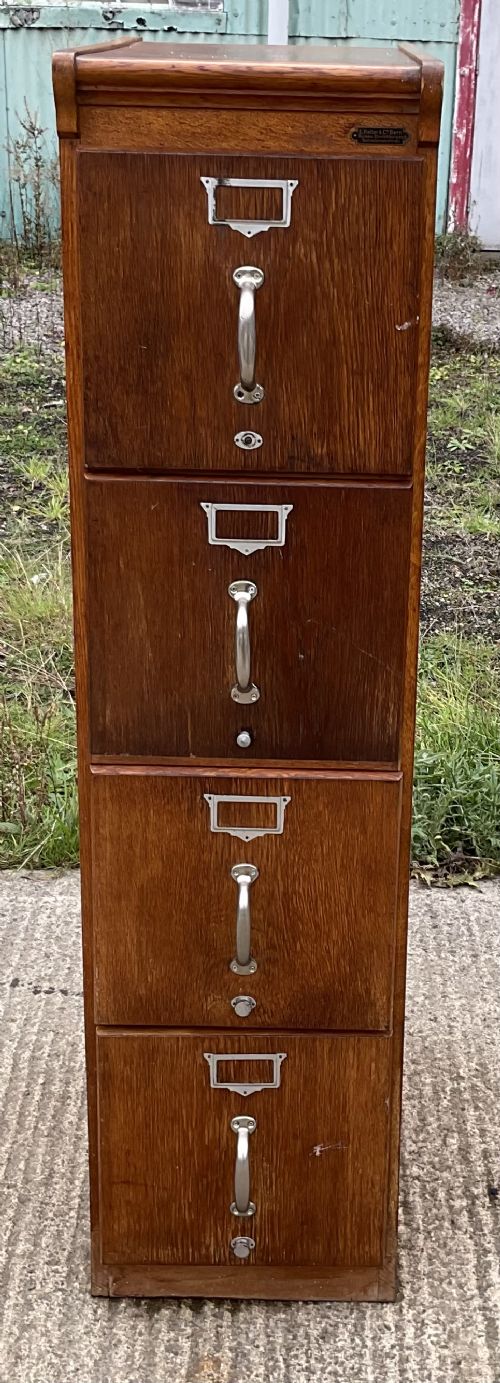
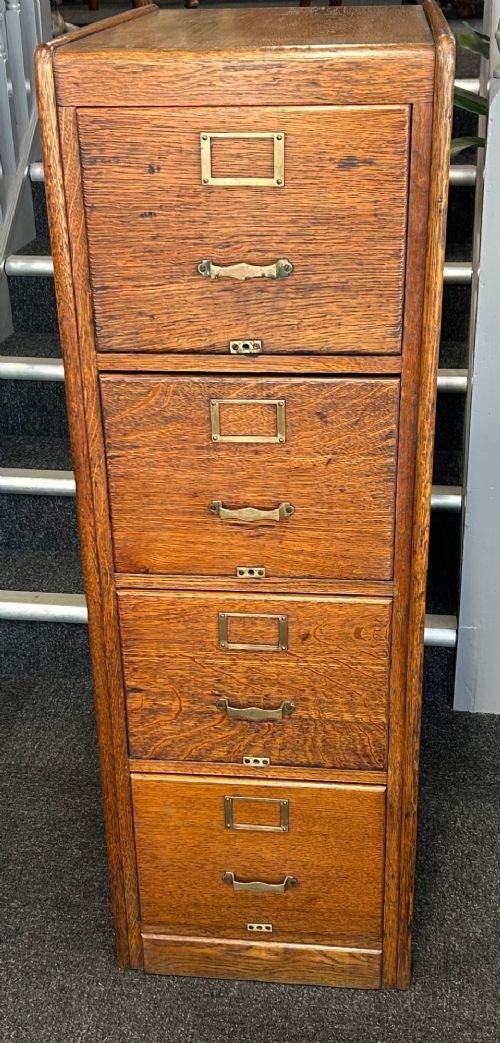
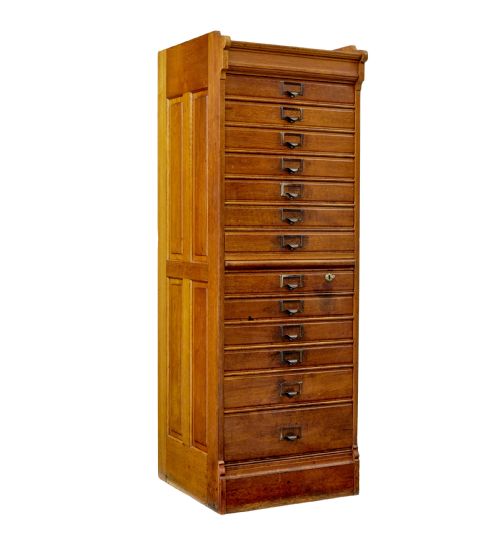
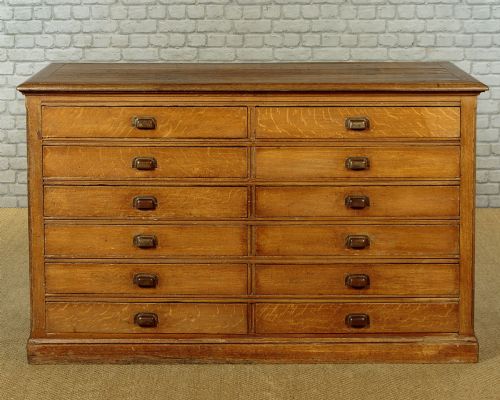
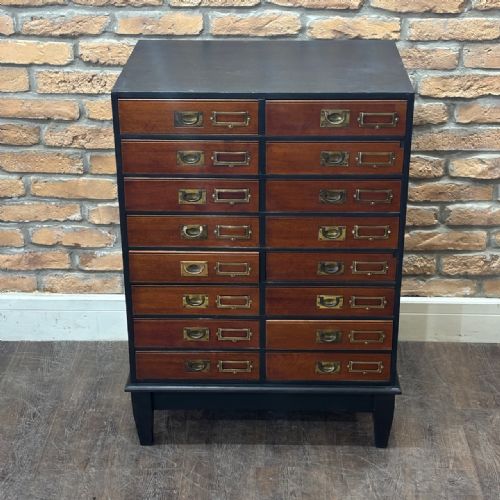
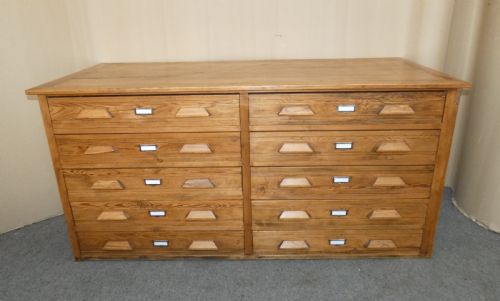
An antique index cabinet provides multiple small drawers designed for sorting cards, letters, and documents. These storage pieces appear frequently in oak, mahogany, and pine across this page.
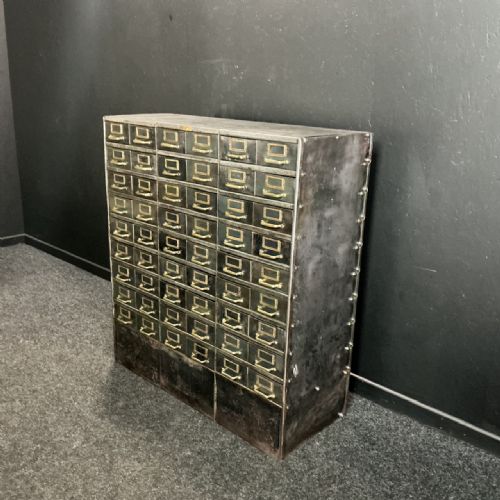
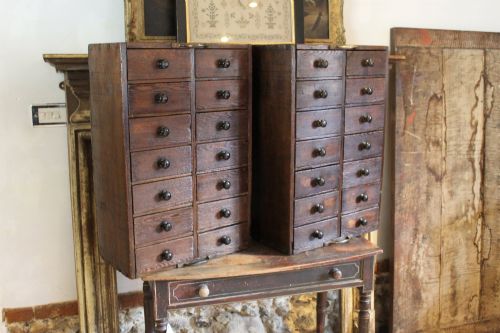
Makers produced these units for offices, shops, and libraries during the Victorian, Edwardian, and early twentieth-century periods. The surviving examples range from compact desktop filing drawers to large banks of fifty or more drawers.
Materials and construction
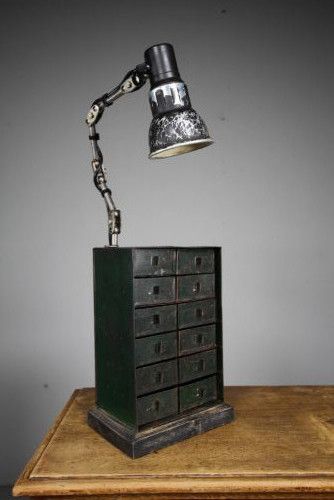
Carpenters utilised durable hardwoods like oak, mahogany, and walnut alongside softer timbers such as pine and beech for the drawer carcasses. Metal and steel elements also appear in industrial and patent filing designs.
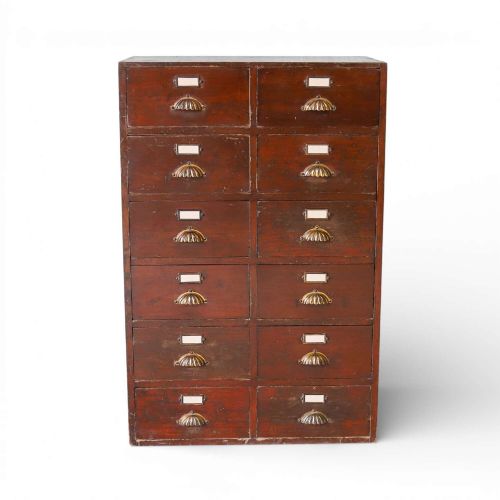
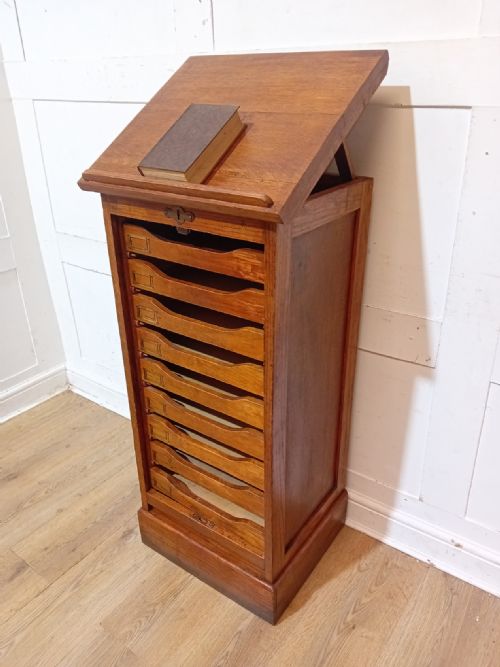
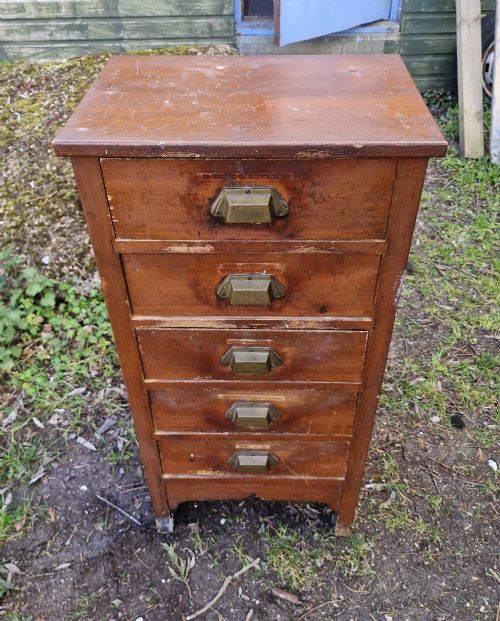
Makers fitted these cabinets with brass handles, shell pulls, and integrated label holders to assist with cataloguing. Patent mechanisms such as tambour fronts and specialised letter file systems are found on select examples.
Antique Index Cabinet Retail Price Guide 2026
Typical asking prices for index cabinet among the pieces listed under this phrase on Sellingantiques today, from the lower quarter to the upper quarter. They describe what is for sale here now, not the wider market.
Some workshops housed up to sixty-six tiny drawers for a watchmaker, perfect for stashing endless paperclips.
Variations in quality
The standard of timber selection and drawer construction dictates the tier of the piece. Fine furniture employs dense hardwoods with clean dovetail joints, whereas utilitarian office variants rely on simpler softwood construction.
The presence of original hardware, including designated brass label holders and maker-marked locking mechanisms, elevates the standing of a cabinet. Alterations or replacement fittings alter the original character of the piece.
Amberg·Shannon·Brady·Globe Wernicke·D Napier and Sons
The Antique Index Cabinet Glossary
- Shell pull
- A pressed metal or brass handle shaped like a small shell, often incorporating a slot for a paper index label.
- Tambour front
- A flexible sliding shutter made of narrow slats of wood that travels in a groove to conceal the drawers.
- Cartonniere
- A decorative desktop filing cabinet or set of boxes designed to hold papers, frequently leather-bound.
- Bank of drawers
- A multi-drawer storage unit designed for commercial, office, or workshop organisation.
Antique Index Cabinet: Frequently Asked Questions
What is an index cabinet used for?
These cabinets were originally designed for filing library index cards, business correspondence, and office documents.
Today, they suit modern storage needs for stationery, craft materials, and small collections.
How do I date an antique cabinet?
Dating relies on timber choices, construction methods, and hardware styles found across Victorian and Edwardian periods.
Patent marks and maker stamps on brass fittings provide further clues to the exact decade of manufacture.
Are these cabinets suitable for small spaces?
Desktop filing drawers and compact five-drawer office units fit easily onto modern desks and tabletops.
Larger banks of drawers require floor space but offer substantial vertical storage capacity.
What woods were used for these cabinets?
Common timbers include oak, mahogany, walnut, and pine, chosen for their durability in daily office environments.
Some industrial or utilitarian pieces also incorporate metal and steel components.