

Edwardian Office Furniture
Edwardian office furniture combines solid timbers and practical compartments, offering desks and filing cabinets built for daily business.
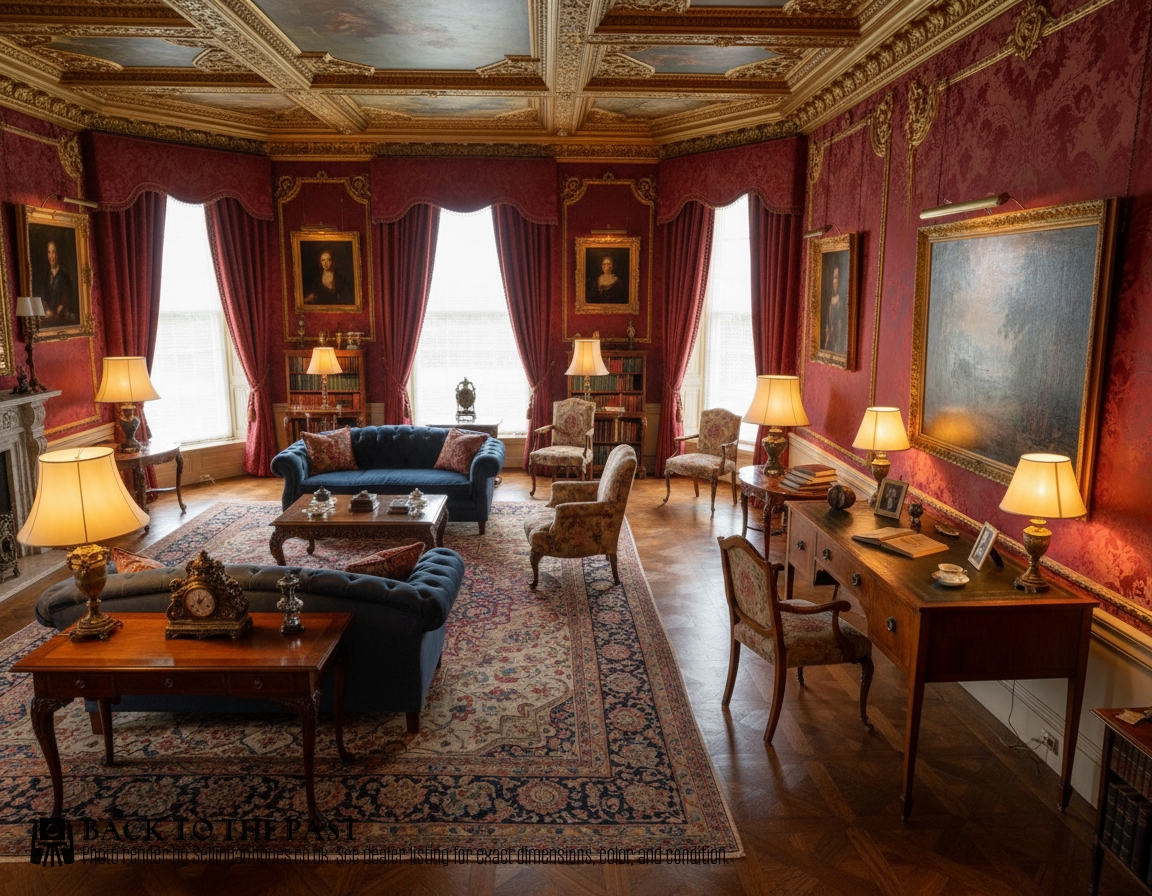
Edwardian Office Furniture
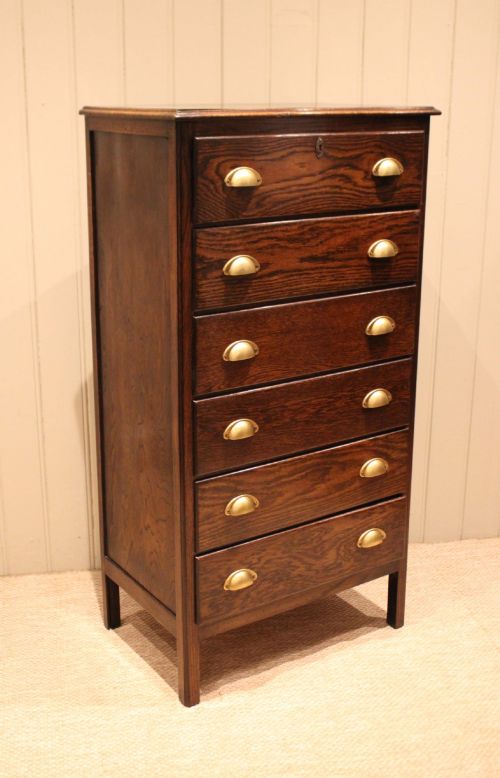
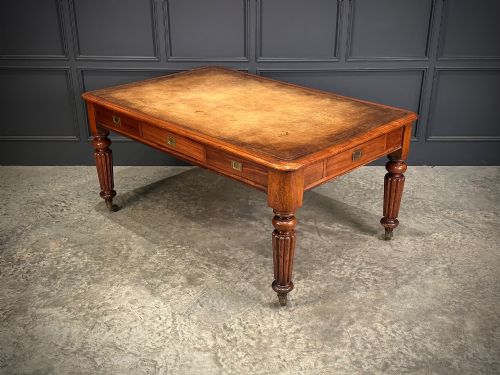
Edwardian office furniture spans functional working pieces designed for commercial and domestic studies during the early twentieth century. Desks, filing cabinets, and revolving chairs form the core of what collectors encounter in this category.
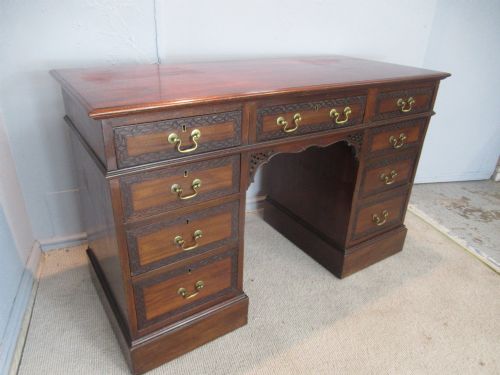
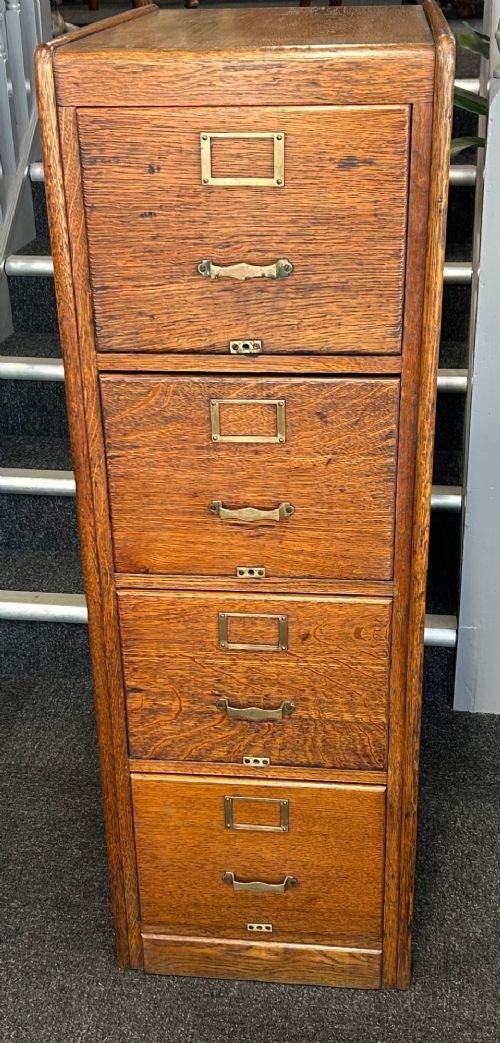
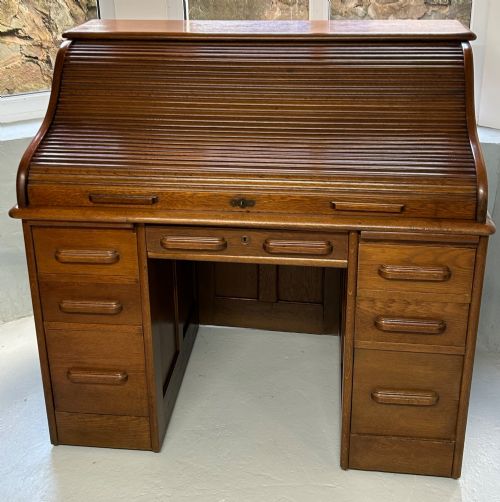
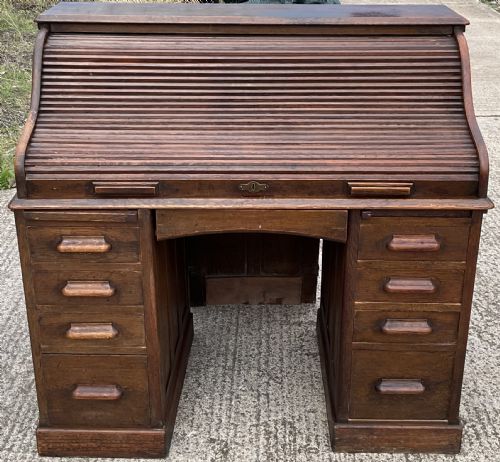
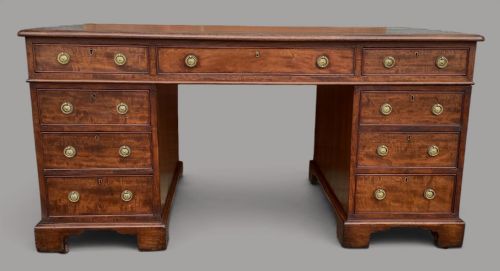
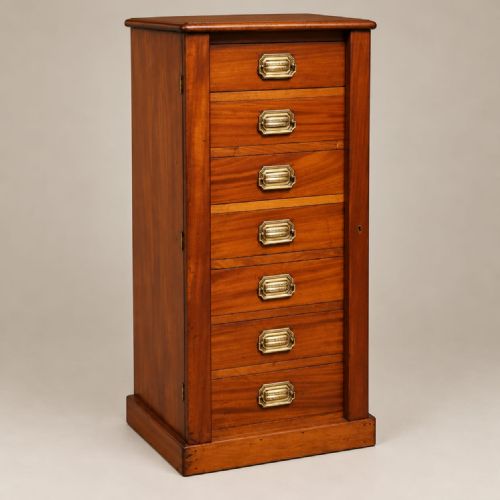
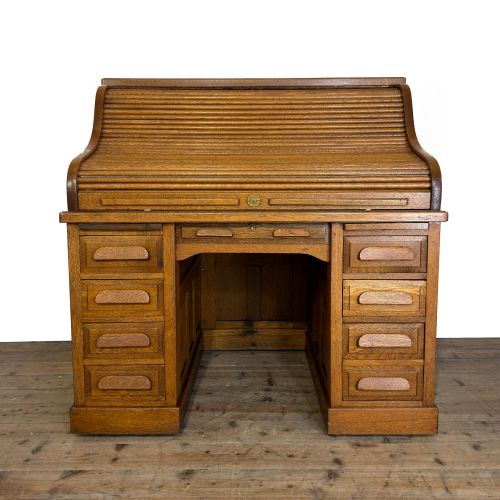
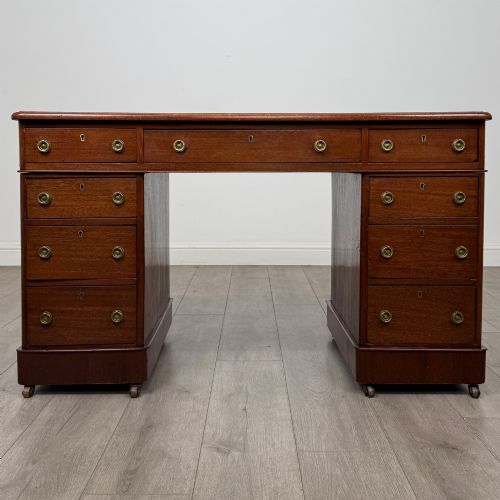
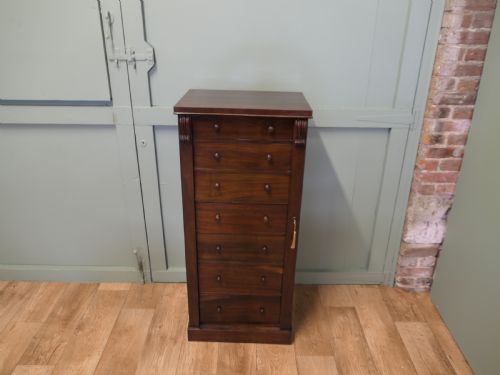
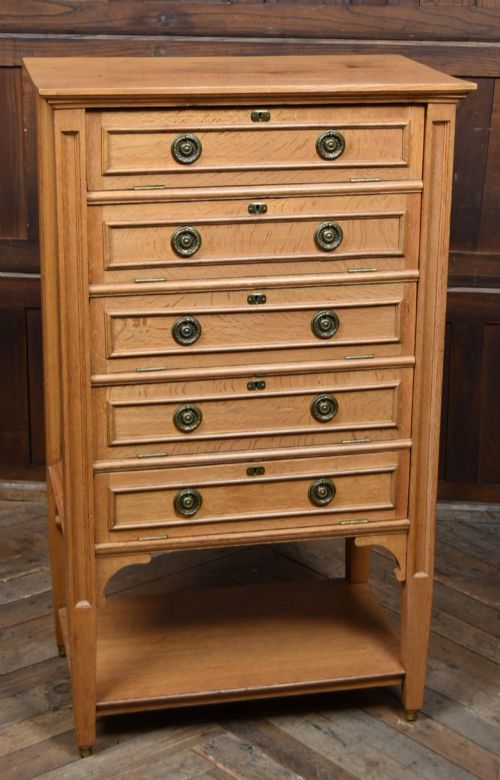
Pedestal desks and tambour front filing cabinets dominate the selections currently available on the market. Oak and mahogany appear frequently across these utilitarian forms.
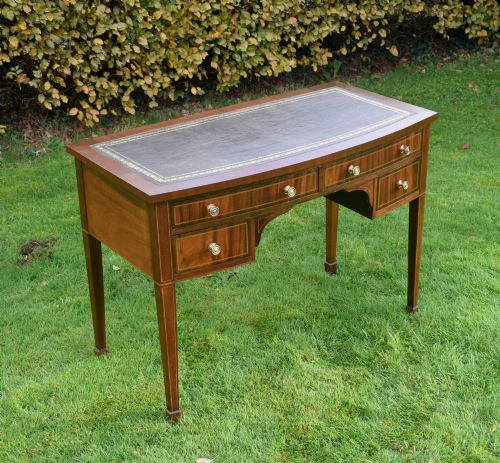
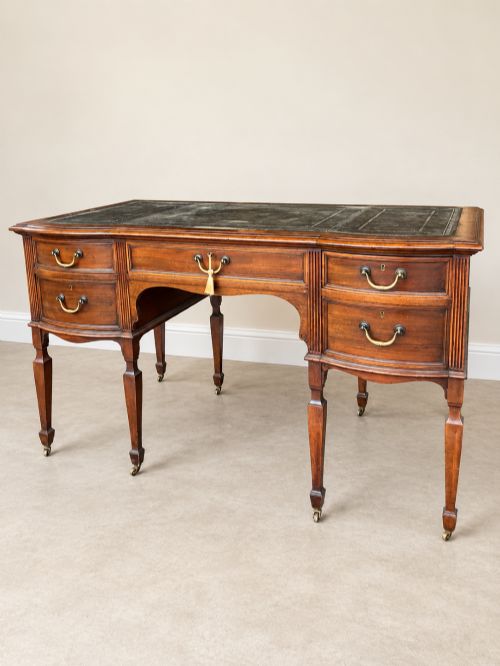
Makers adapted earlier Victorian formats into lighter, more streamlined configurations suitable for growing administrative tasks. Period examples often integrate brass hardware with leather writing surfaces.
Materials and construction methods
Carpenters utilised dense hardwoods such as oak, mahogany, walnut, and burr walnut to construct durable frames capable of withstanding heavy daily use. Tambour doors required precise individual slats glued to flexible fabric backing to slide smoothly around curved tracks.
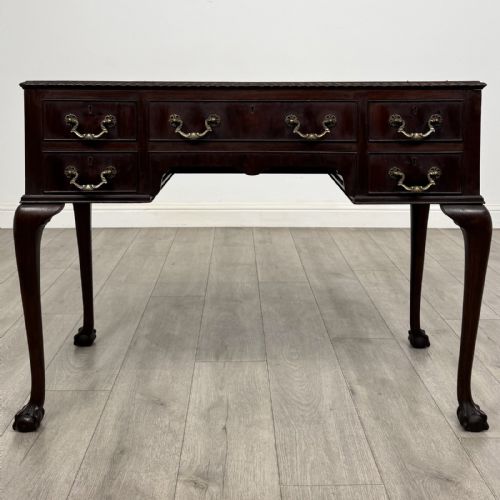
Metal components like brass handles, hinges, and drawer pulls added structural security and functional contrast to the dark timber surfaces. Leather inserts provided tactile writing surfaces set into wooden desktop insets.
Edwardian Office Furniture Retail Price Guide 2026
Typical asking prices for edwardian office furniture among the pieces listed under this phrase on Sellingantiques today, from the lower quarter to the upper quarter. They describe what is for sale here now, not the wider market.
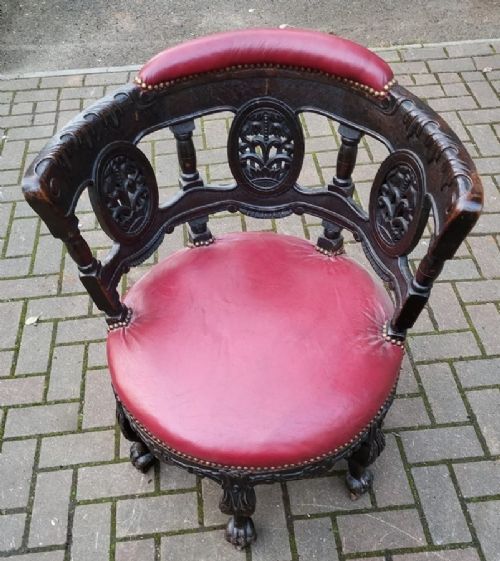
Smoker's bow armchairs await anyone determined to modernize their correspondence with traditional seating.
Distinctions in construction and design
Quality separates mass-produced administrative items from bespoke cabinetmaker commissions through timber selection and joinery detail. Figured veneers, internal drawer configurations, and signed maker plaques indicate superior workshop standards.
Hardware weight and secondary timber choices dictate overall durability and finish retention over decades of active service. Fully finished backs on freestanding pedestal desks distinguish higher-grade commissions from simpler wall-facing models.
Trollope & Sons·Wylie & Lochhead Glasgow·Whytock & Reid of Edinburgh·Cookes of Finsbury London·Maples of London
The Edwardian Office Furniture Glossary
- Tambour
- A flexible shutter door formed of narrow wooden slats attached to canvas, sliding in vertical or horizontal tracks. This mechanism conceals document pigeonholes or file compartments efficiently.
- Pedestal desk
- A heavy double-sided writing table supported by two banks of small drawers rather than simple legs. These provide substantial storage space beneath the main writing surface.
- Partners desk
- A large format writing table designed with drawers and cupboards on both opposing sides to accommodate two users simultaneously. These pieces typically feature inset leather tops.
- Captain chair
- A low-backed wooden armchair with steam-bent arms and a revolving or wheeled base for office mobility. Slatted backs and sculpted seats provide ergonomic support.
- Burr walnut
- Timber sliced from the gnarled growth on walnut trees, displaying intricate swirling grain patterns. Cabinetmakers applied this veneer to high-status desk surfaces and drawer fronts.
Edwardian Office Furniture: Frequently Asked Questions
What defines an Edwardian desk?
Edwardian desks demonstrate practical construction using timbers like oak and mahogany, often featuring arrangement drawers and inset leather writing surfaces.
Cabinetmakers balanced traditional proportions with lighter framing suited to early twentieth-century domestic and commercial studies.
How do tambour cabinets function?
Tambour cabinets utilise flexible wooden slats mounted on fabric strips that travel along recessed tracks to conceal interior shelving.
This mechanism allowed access to files without requiring clearance space for traditional swinging doors.
Where were pedestal desks placed?
Pedestal desks served as central workspace units in administrative offices, libraries, and private home studies.
Freestanding versions allowed users to sit away from walls while accessing storage drawers positioned on either side.
How do I care for leather desk inserts?
Leather desk surfaces benefit from periodic cleaning with damp cloths followed by neutral wax or specialised leather treatments to prevent drying.
Avoiding direct sunlight and excess moisture preserves the supple texture and gold-tooled borders characteristic of period writing tables.