


Antique Document Chest
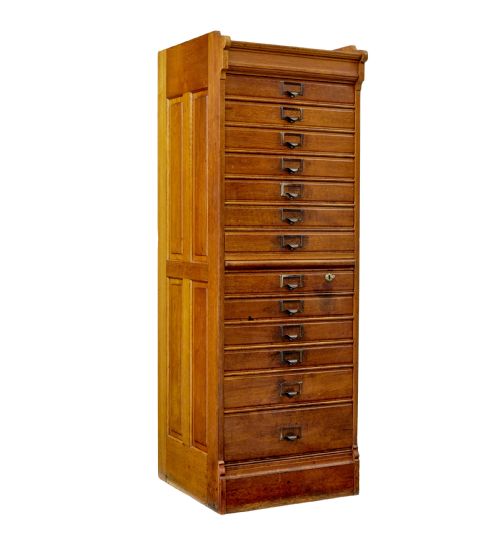
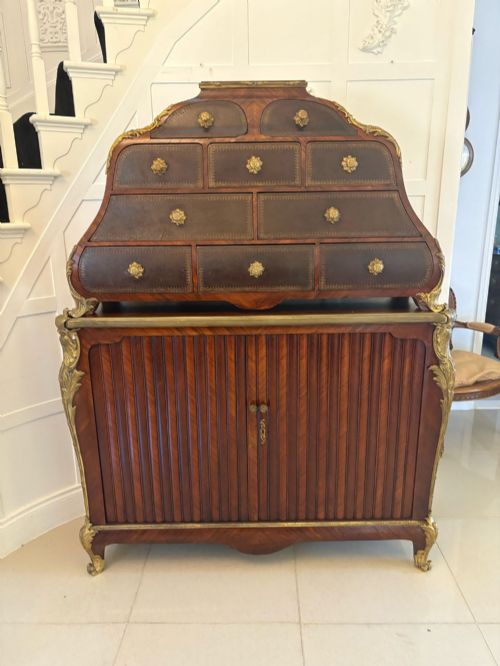
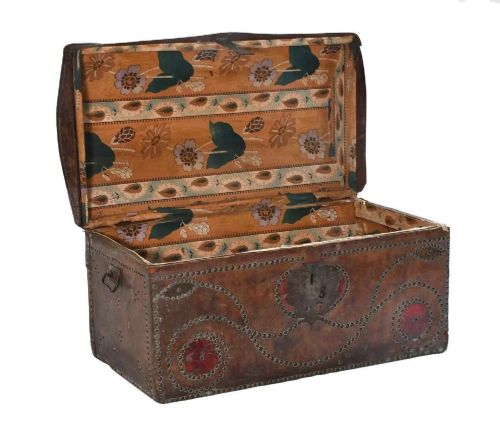
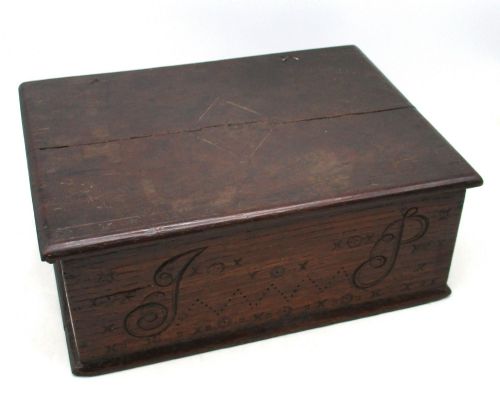
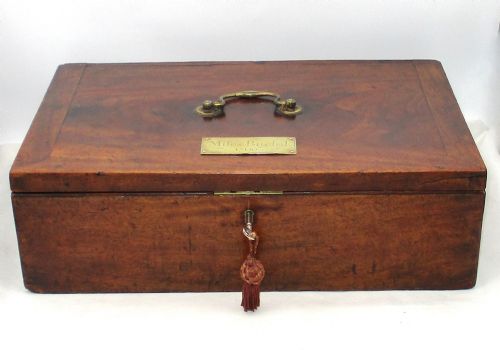
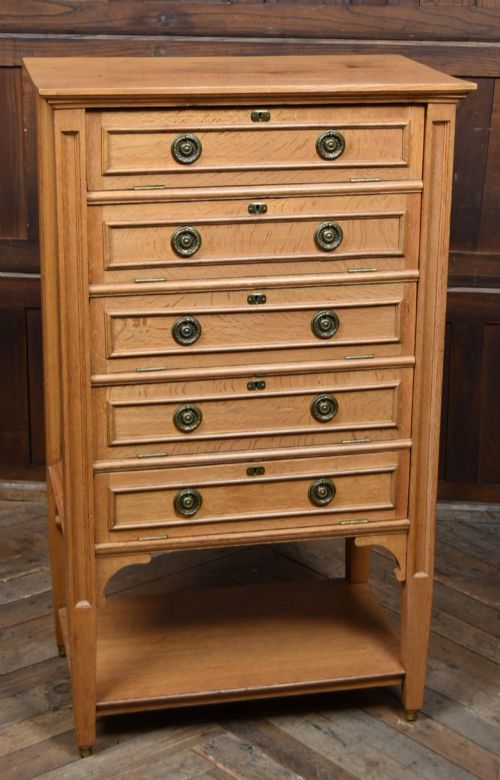
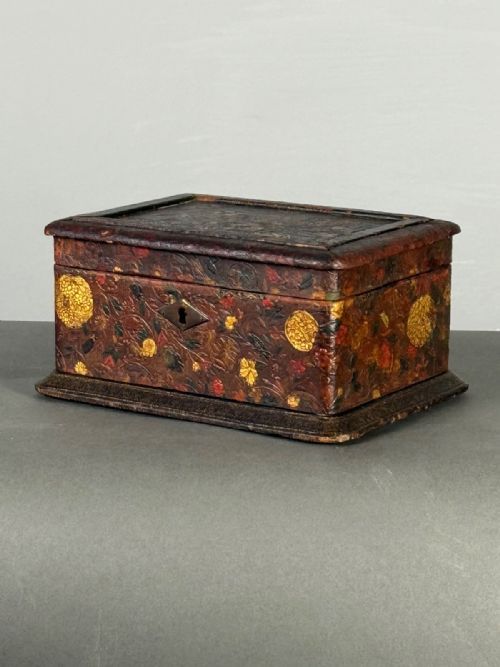
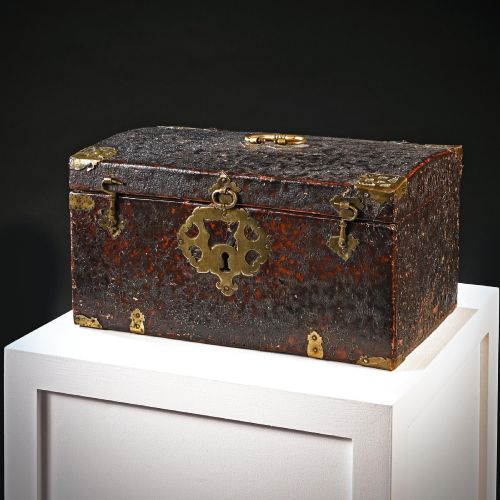
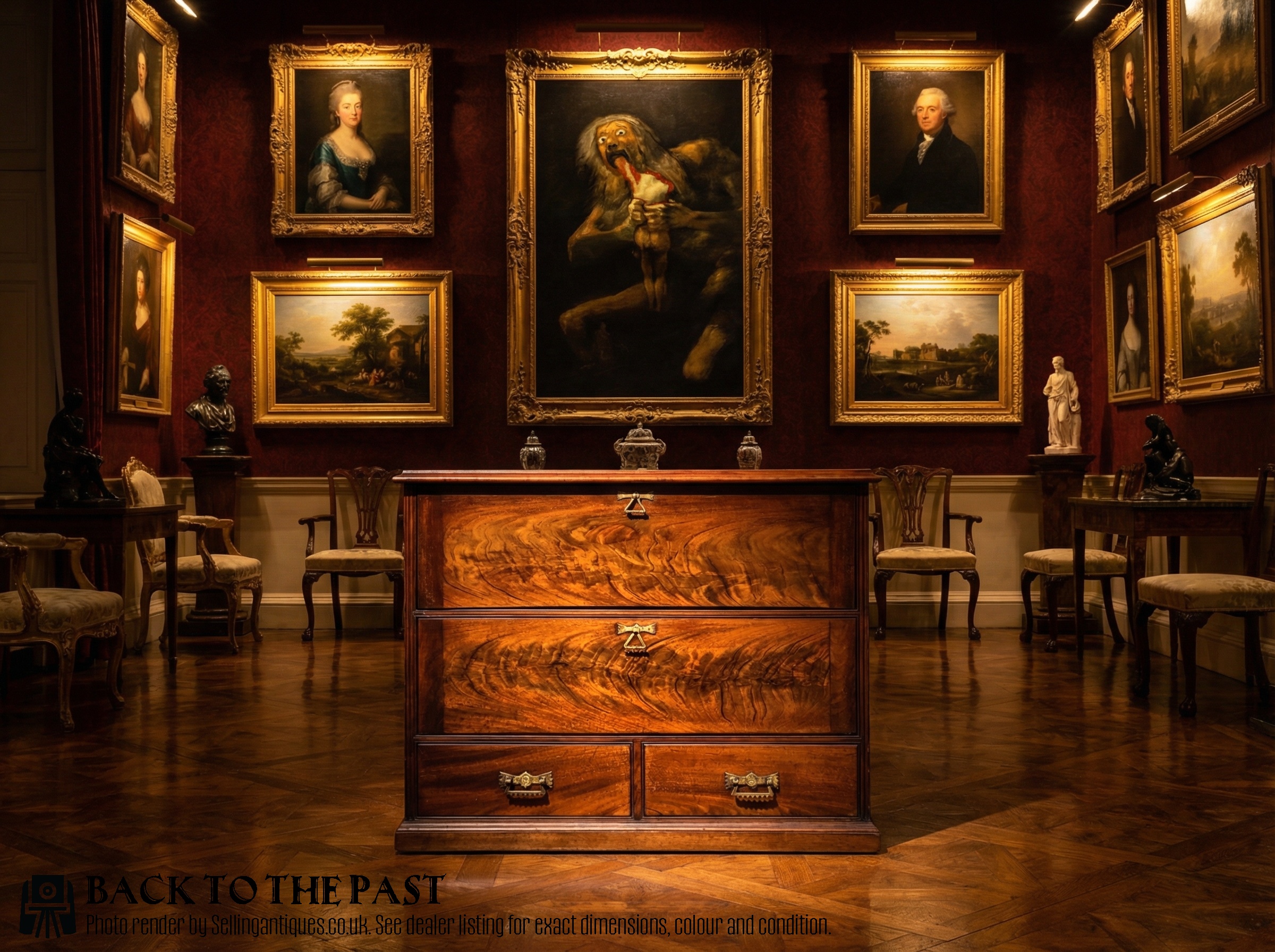
An antique document chest is a sturdy receptacle designed to safeguard papers, appearing here in heavy oak, rich mahogany, and leather.
Antique Document Chest
An antique document chest serves as a secure storage container for papers, deeds, and correspondence, taking forms such as tabletop boxes, deed boxes, and multi-drawer filing cabinets.
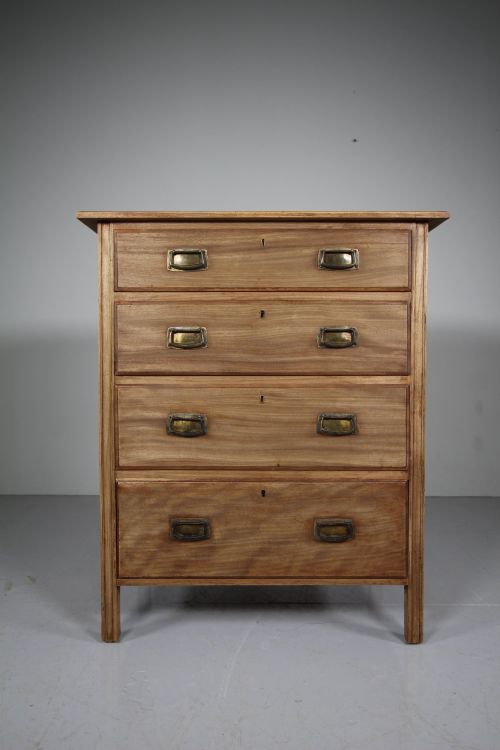
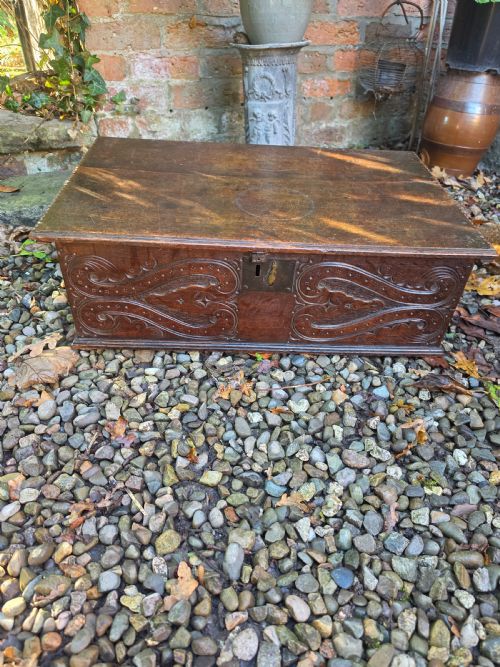
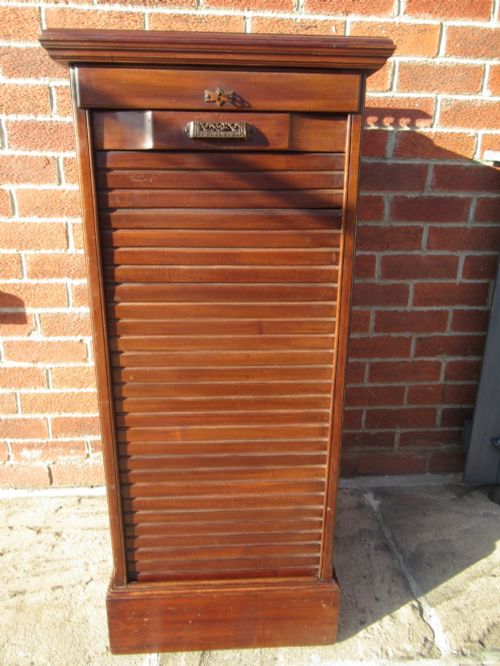
The versions most commonly met on this page span from the seventeenth-century oak Bible box to Georgian mahogany sliding lid boxes and Edwardian tambour front filing cabinets.
Makers produced these pieces in various regional styles, including early English oak examples, Scandinavian country pieces, and French campaign styles.
How they were made
Joiners and cabinetmakers utilised solid timbers like oak, mahogany, walnut, and pine, often constructing boxes with dovetailed joints for structural strength.
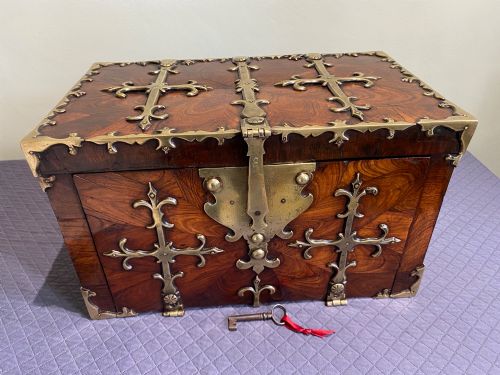
Many receptacles incorporate robust iron and brass hardware, including corner mounts, carrying handles, strapwork, and intricate locking mechanisms to protect valuable contents.
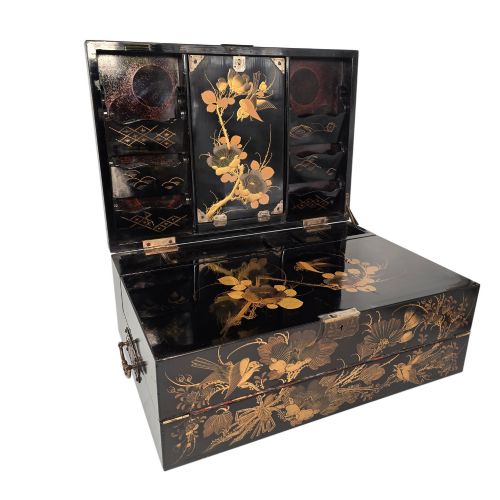
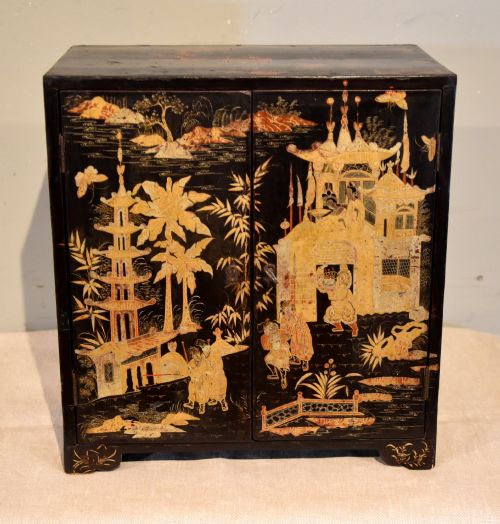
Surface finishes range from plain polished wood and leather covering to polychrome paint, lacquer, and kingwood veneers.
Antique Document Chest Retail Price Guide 2026
Typical asking prices for document chest among the pieces listed under this phrase on Sellingantiques today, from the lower quarter to the upper quarter. They describe what is for sale here now, not the wider market.
Some nineteenth-century railway offices kept ticket dispensing boxes on stands to keep passengers moving.
What varies in quality
The standard of timber selection and interior arrangement distinguishes the superior examples, particularly where secondary woods match the primary facade and internal drawers feature careful joinery.
The integrity of original brass mounts, working locks with operational keys, and retained paper labels or shell pulls significantly influence the overall grade of a piece.
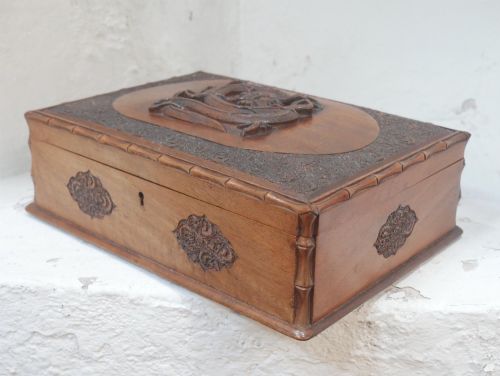
The subtlety of hand-carved ornamentation on seventeenth-century oak surfaces or the precision of brass inlay on campaign chests marks the distinction between standard utility items and finer workshop production.
Susse Freres Paris·Luxmore of Ilfracombe
The Antique Document Chest Glossary
- Tambour front
- A flexible door constructed from narrow vertical strips of wood glued to a canvas backing, allowing it to slide smoothly around a track.
- Bible box
- A small, sloping-lidded wooden box originally intended to hold sacred texts or writing materials.
- Campaign style
- Furniture designed to dismantle or fold easily for military travel, typically reinforced with brass corners and recessed handles.
- Cartonnier
- A decorative chest or cabinet fitted with compartments and drawers specifically designed for holding papers, files, and documents.
- Coffre forte
- A French term denoting a strong box or heavy chest reinforced for secure storage.
Antique Document Chest: Frequently Asked Questions
What is an antique document chest?
An antique document chest is a secure receptacle designed to hold papers, deeds, and correspondence.
They appear in formats ranging from early timber boxes to multi-drawer filing cabinets.
How were document chests used?
These boxes protected important household, legal, and commercial papers from damp, fire, and unauthorised access.
Travellers utilised sturdy brass-bound campaign versions, while offices employed multi-drawer banks for filing.
How do I date an oak document box?
Seventeenth and eighteenth-century examples display hand-cut dovetails, pegged joints, and characteristic board thicknesses.
Later Victorian and Edwardian pieces show machine-sawn components and different locking technology.
Where should I place a document chest at home?
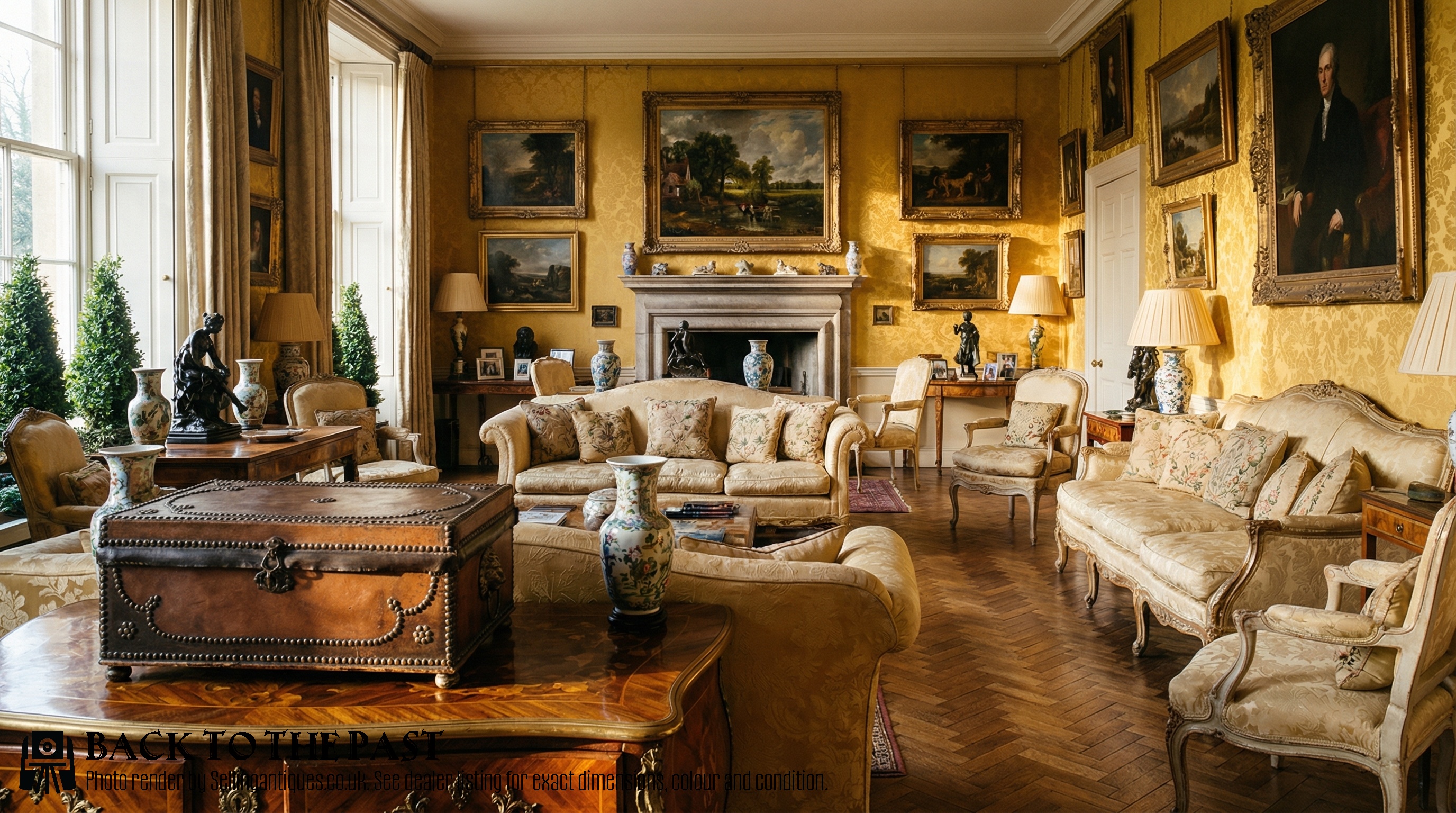
Tabletop boxes sit well on desks, sideboards, or low tables where their construction can be appreciated.
Larger filing cabinets and banks of drawers function practically as standalone storage in studies.