
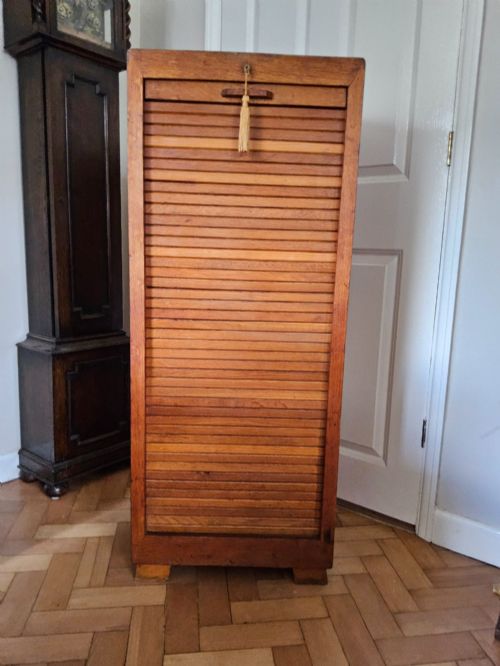
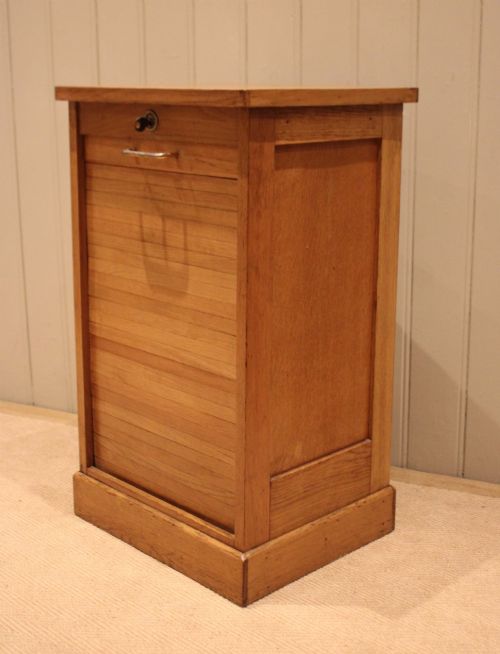
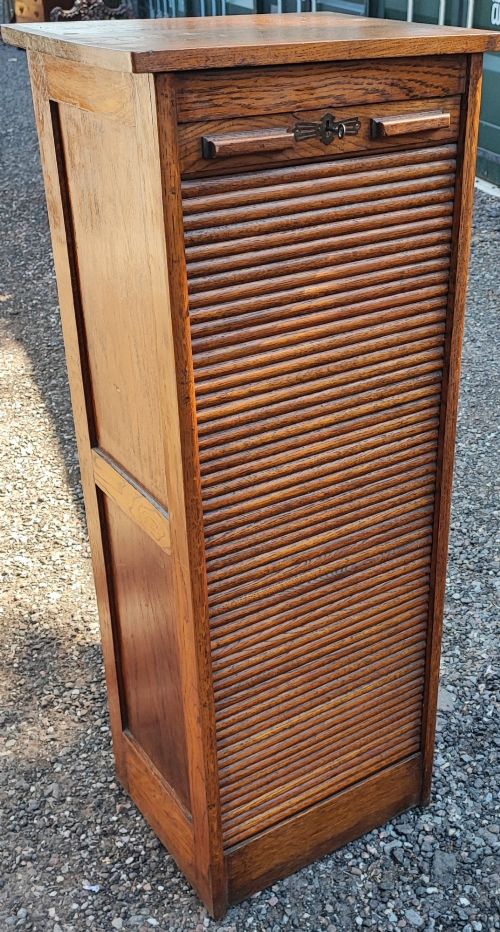
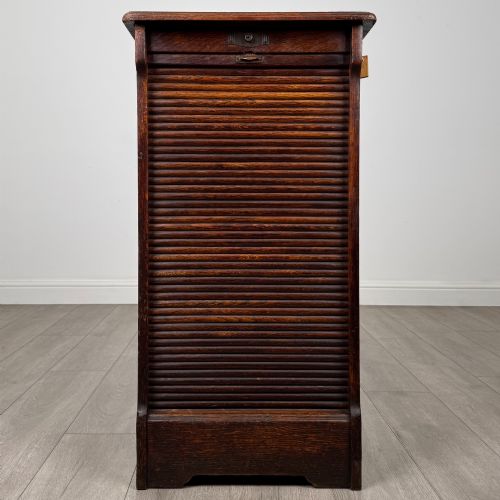
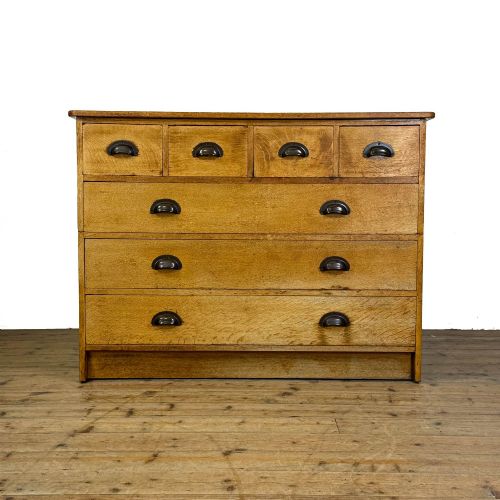

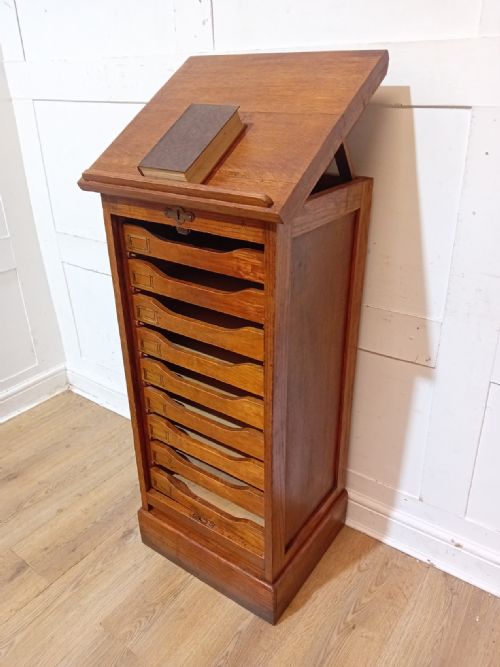
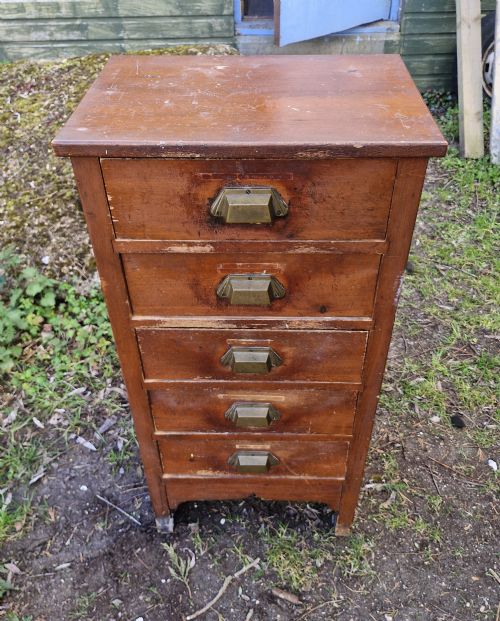
Antique Oak Filing Cabinet
When you search for an antique oak filing cabinet, you are looking for sturdy office storage built to last.
Understanding the antique oak filing cabinet
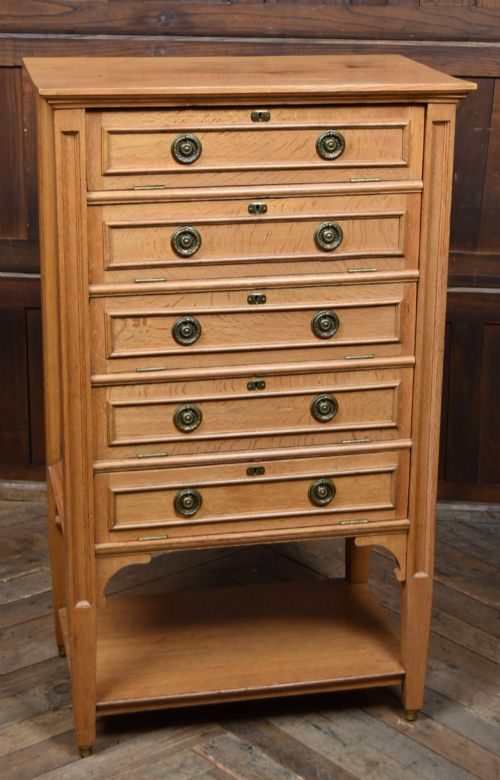
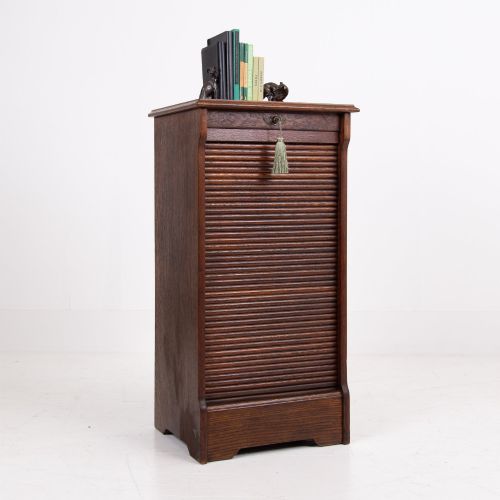
An antique oak filing cabinet provides practical document storage with traditional craftsmanship. These pieces span the early twentieth century, including Edwardian, French Utility, Industrial Utility, and Art Deco styles.
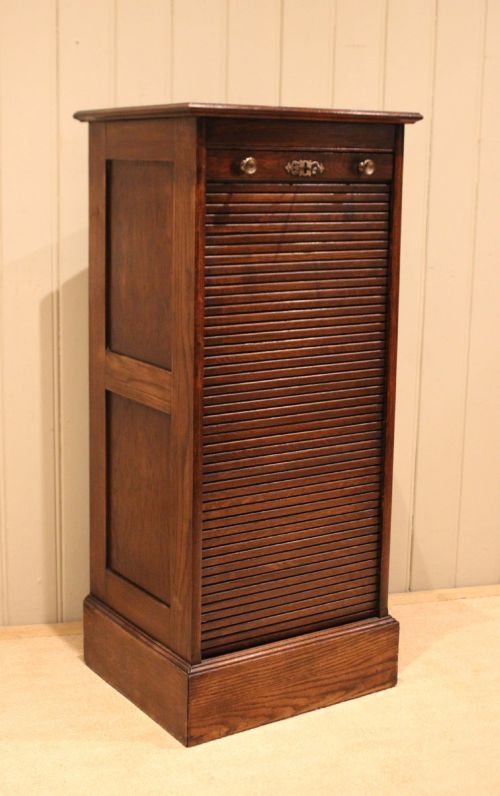
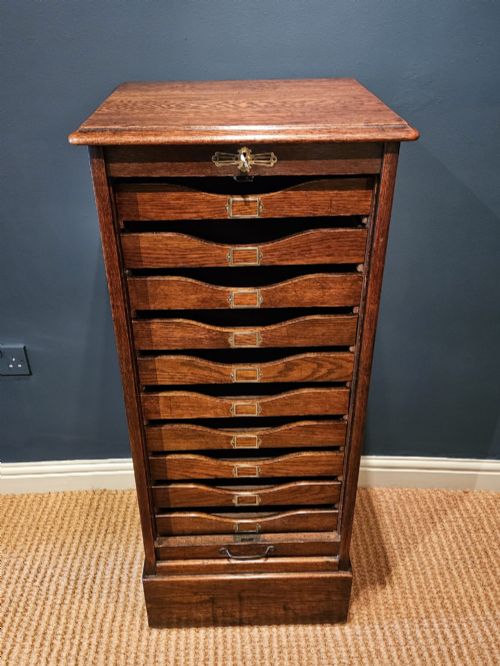
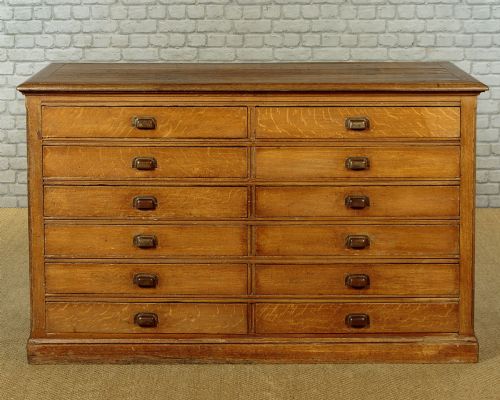
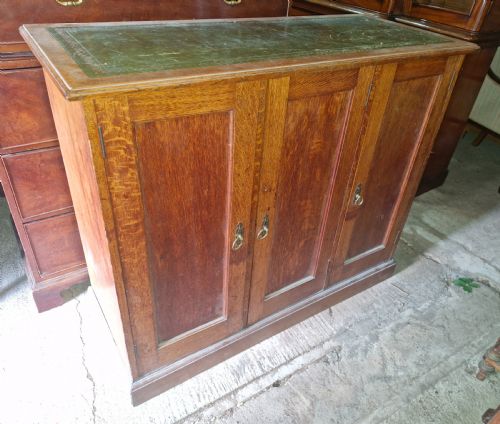
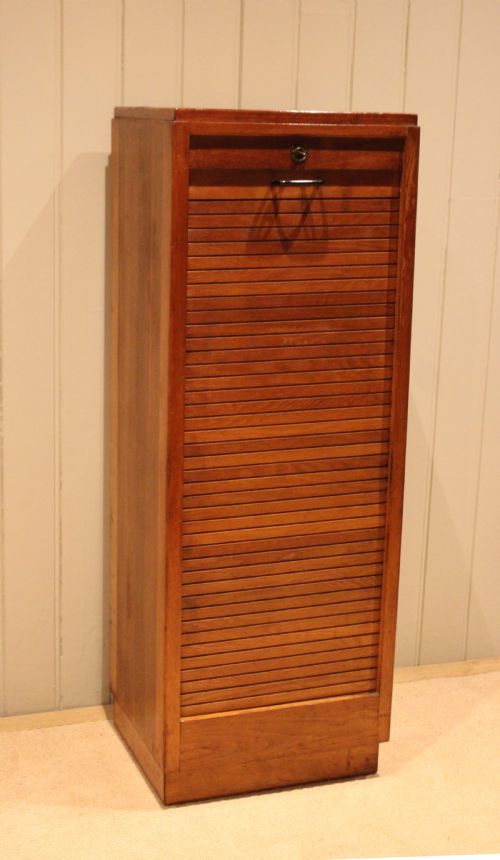
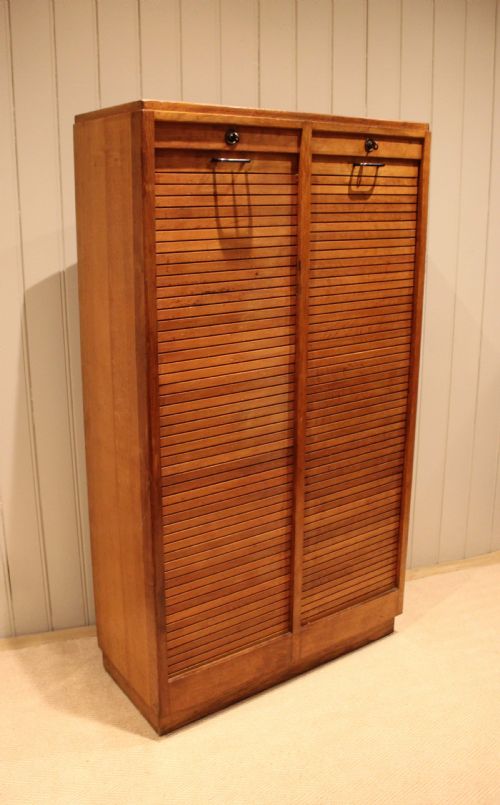
You will frequently encounter designs featuring tambour fronts, multi-drawer banks, and cupboard configurations. The selection ranges from single vertical stacks to double and triple tambour variations originating from British and French workshops.
These cabinets suit home studies and offices where durable wooden furniture adds character. The recurring forms combine utilitarian function with period detail, such as brass hardware and patented letter filing systems.
Materials and construction
Makers utilised solid oak alongside pine for internal framing and drawer construction. The timber exhibits distinct grain patterns, sometimes finished in a golden polish.
Hardware elements incorporate brass for handles, label holders, and locking mechanisms. Metal components support the internal filing mechanics, while leather accents occasionally appear on writing surfaces or trims.
Retail Price Guide 2026
Typical UK retail prices for oak filing cabinet, calculated from the Sellingantiques database of over a million retail prices indexed since 2003. This retail price guide relies exclusively on Sellingantiques data; no external sources or auction records are used, so the figures do not describe the wider market.
Secret letters often turn up wedged behind old drawer stops, left behind by busy clerks a century ago.
Assessing quality and craftsmanship
Quality rests on the smooth operation of mechanical elements like tambour shutters and drawer runners. Superior examples feature complex slatted wooden curtains that glide easily within their tracks.
The choice of timber selection and original brass hardware distinguishes finer pieces from standard utility items. Cabinets bearing maker stamps or patent marks reflect a higher tier of period production.
Maples of London·Maple and Co·Amberg
The Antique Oak Filing Cabinet Glossary
- Tambour
- A flexible sliding door made of narrow wooden slats attached to a canvas backing. This mechanism allows the door to curve around the sides of the cabinet.
- Edwardian
- A stylistic period spanning the reign of King Edward VII up to the First World War. Furniture from this era often retains traditional proportions with lighter ornamentation than Victorian pieces.
- Art Deco
- A design style emerging in the early twentieth century characterised by geometric forms and streamlined shapes. It influences the clean lines seen on later office furniture.
- Patent cabinet
- A specialised storage unit incorporating a proprietary filing mechanism designed by inventors like Amberg or Shannon. These systems introduced organised indexing for business correspondence.
Frequently Asked Questions
How do tambour doors work?
Tambour doors consist of thin wooden strips glued to a flexible fabric backing that runs in a grooved track. This allows the door to slide open around a curved corner rather than swinging outward.
Such mechanisms require careful alignment and clean tracks to operate smoothly. Regular waxing helps maintain the movement of the slats over time.
What is the difference between single and double tambour cabinets?
Single tambour cabinets feature one sliding shutter that covers a single column of drawers or shelving space. Double cabinets provide a wider format with two doors meeting in the middle or sliding independently.
Double and triple variations offer greater storage capacity and a more substantial visual presence. They typically serve larger office settings or dedicated studies.
How should I care for an oak filing cabinet?
Maintain the wood by applying a quality beeswax periodically to nourish the grain and protect the finish. Avoid placing the cabinet near direct heat sources or strong sunlight to prevent timber splitting.
Keep the internal tracks of tambour doors free from dust and debris to ensure the slats glide properly. Gentle cleaning with a soft cloth preserves the original brass hardware and polish.
Can these cabinets hold modern files?
Many period filing cabinets were designed for specific historical paper sizes or patented letter systems rather than modern suspension folders. Some interiors can be adapted with care, while others suit letters, documents, and stationery collections.
Checking the internal drawer dimensions helps determine compatibility with contemporary paperwork. Collectors often appreciate using them for organising prints, letters, and craft supplies.