

Wooden Office Filing Cabinet
A wooden office filing cabinet brings practical organisation and period character to a room, offering deep drawers and clever tambour doors.
Wooden Office Filing Cabinet
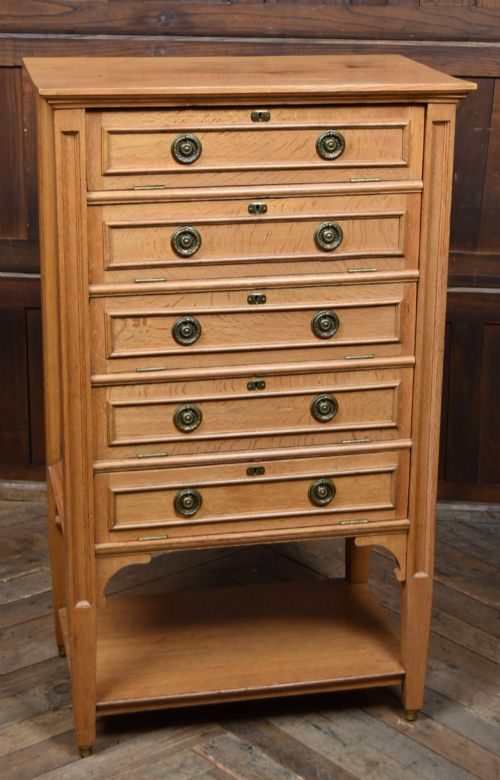
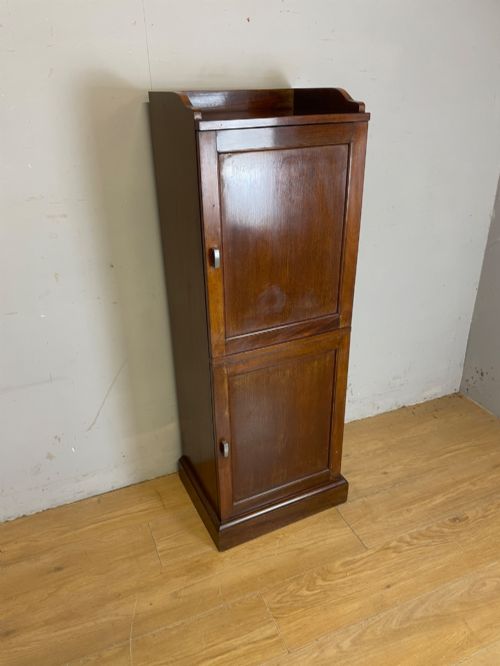
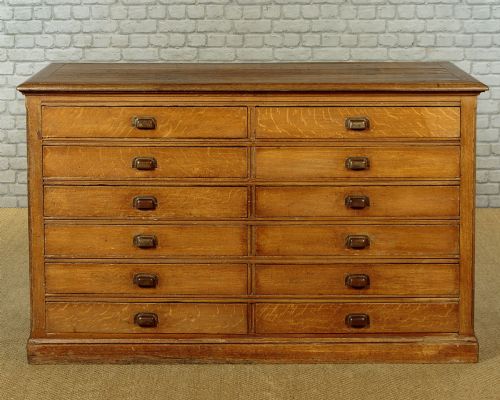
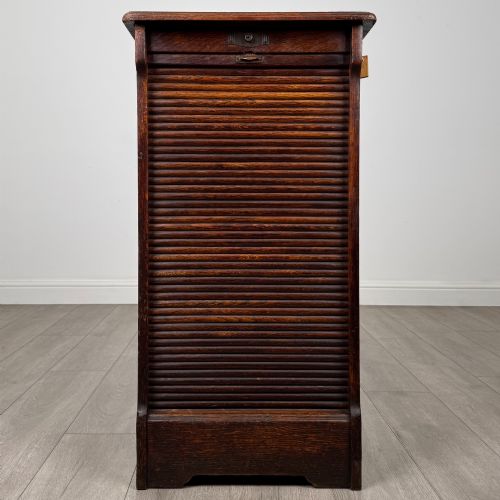
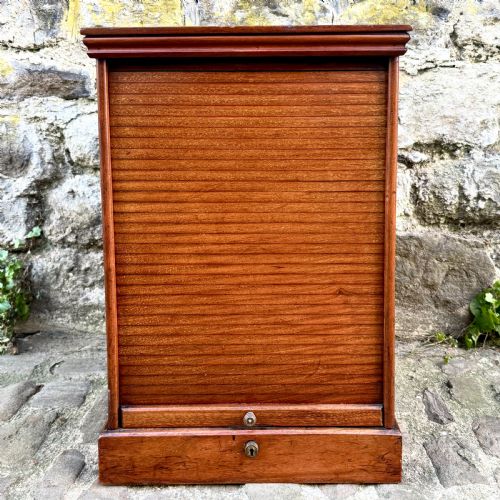
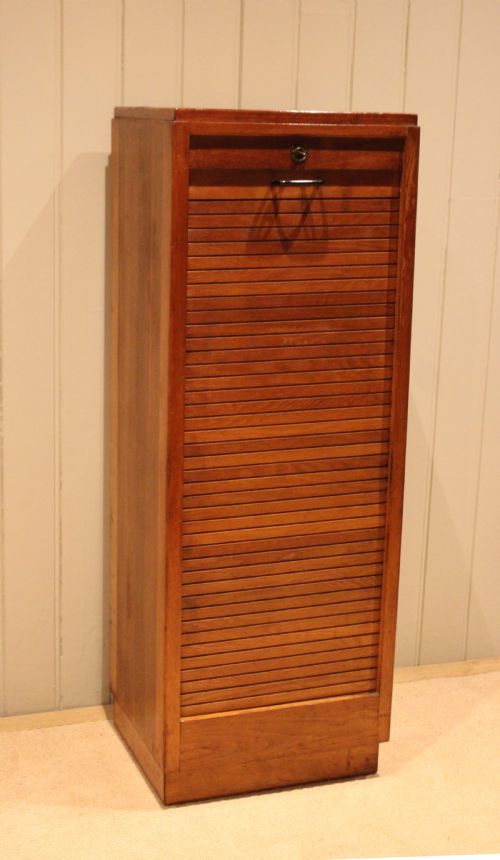
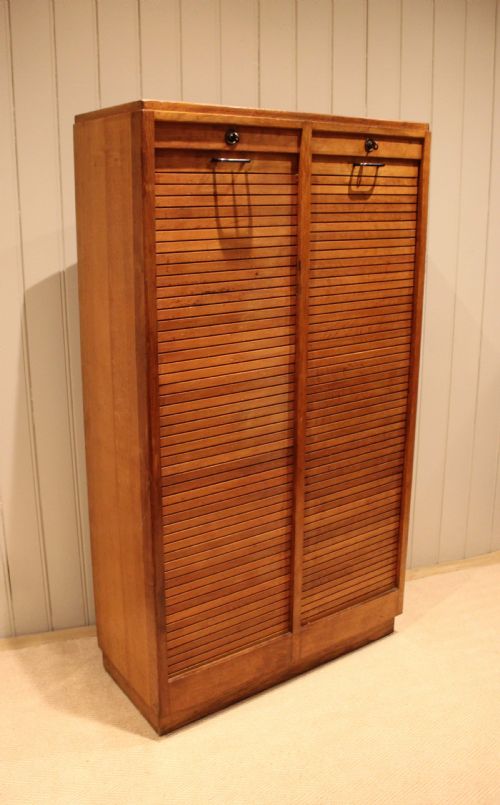
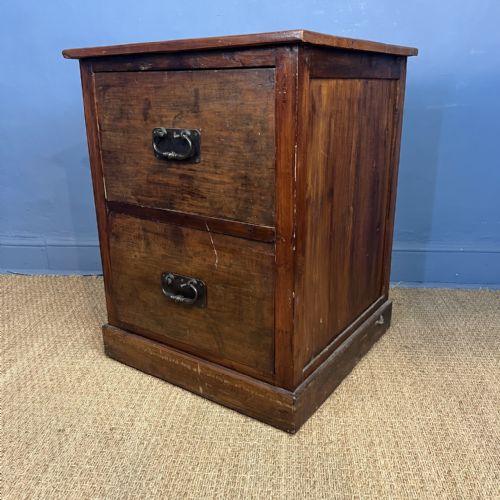
A wooden office filing cabinet serves as a functional storage piece originating from the Victorian, Edwardian, and early twentieth-century periods. These cabinets appear as banks of drawers, pedestal units, or tall vertical housings designed for administrative utility.
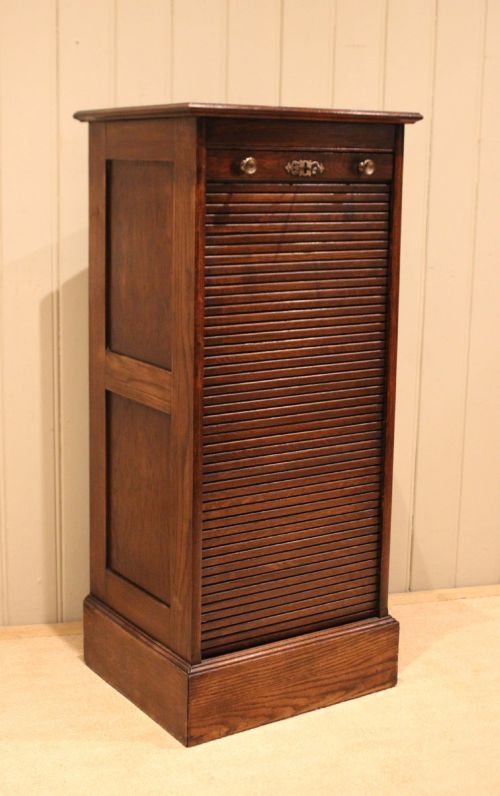
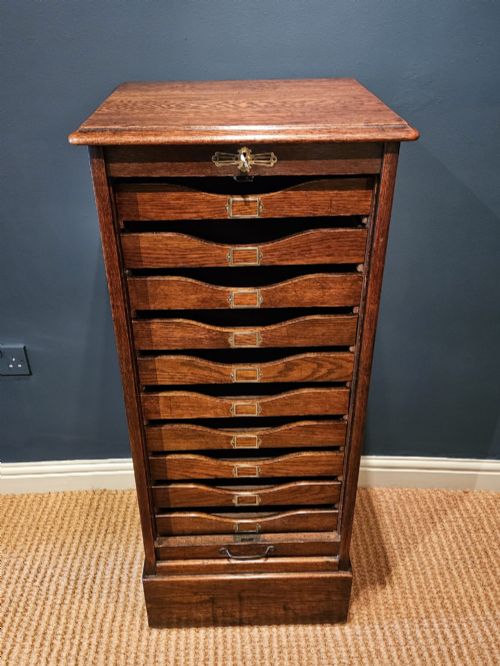
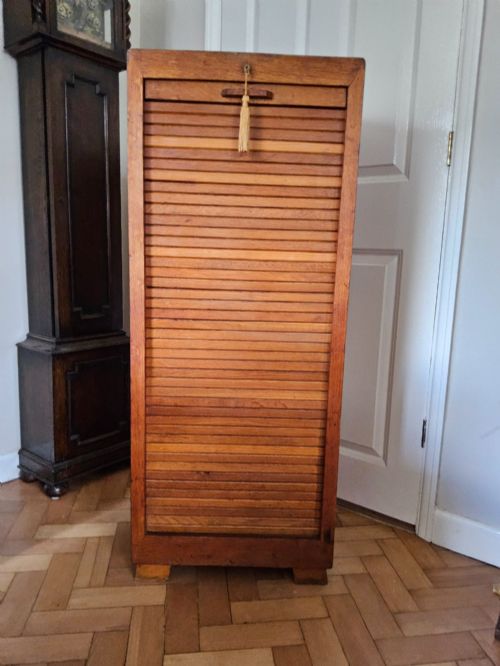
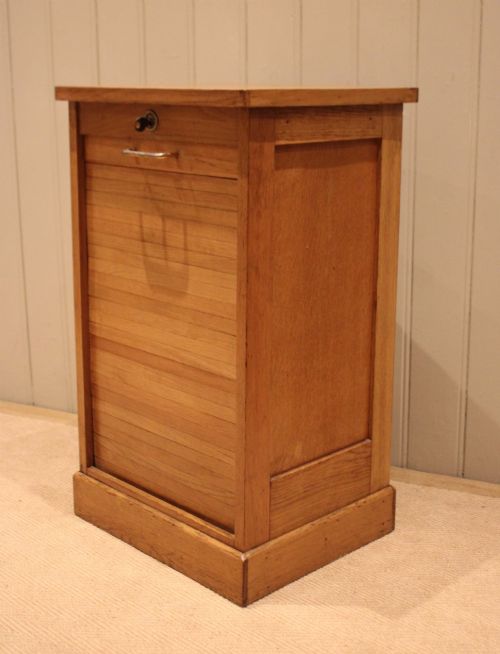
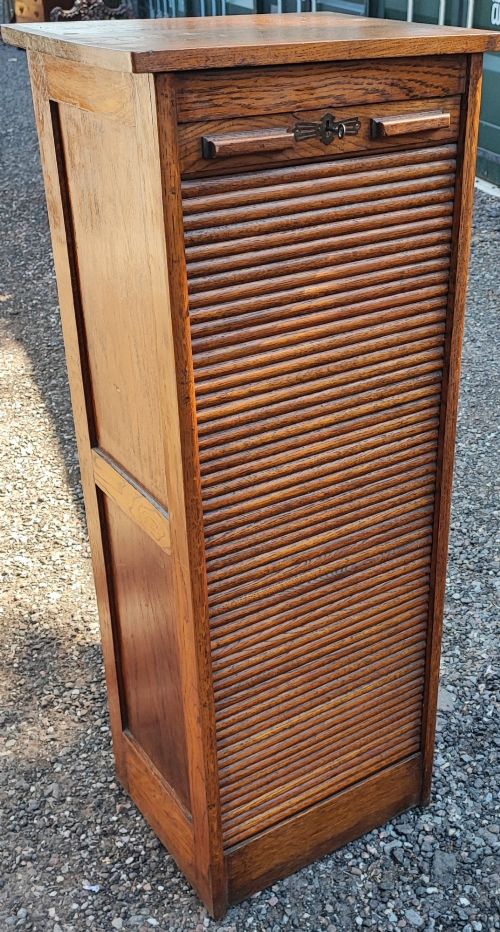
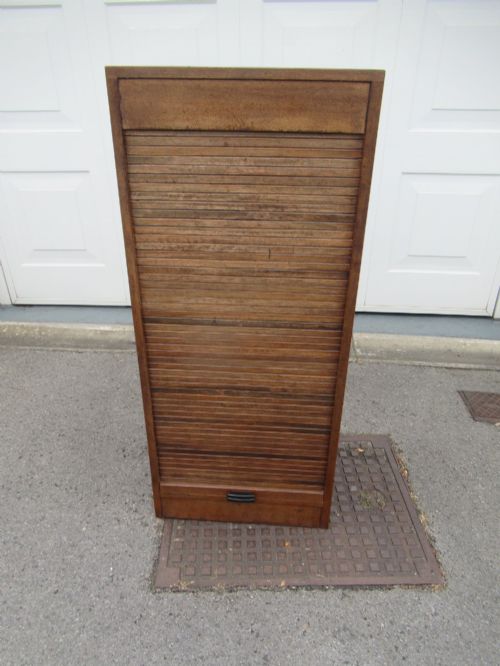
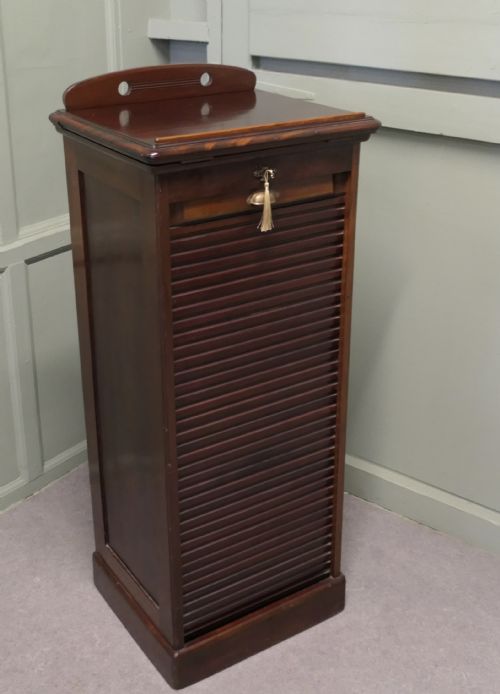
The version most commonly met on this page is constructed from oak with a tambour front, sliding smoothly to conceal internal letter files or card indexes. Other variations include multi-drawer workshop banks, modular music cabinets, and patent letter files from around nineteen hundred.
Materials and Construction
Makers utilised solid timbers such as oak, mahogany, walnut, and pine, building robust carcases to withstand daily commercial use. Tambour doors consist of narrow wooden slats glued to canvas backing, allowing the shutter to curve around internal tracks.
Hardware typically includes brass pull handles, cardholders, and panel fixings that complement the grain of the wood. Joints are constructed with traditional methods to endure the weight of heavy paper files and ledgers.
Listings feature oak, mahogany, walnut, and pine across periods from the nineteenth century through to the nineteen forties.
Distinctions in Standard
The distinction between tiers rests upon the choice of primary timber, the smoothness of the tambour mechanism, and the integrity of the original hardware. Superior examples display selected grain matching across drawer fronts and solid brass handles appropriate to the period.
Lesser items may show replaced fittings, stiff slat shutters, or utilitarian pine construction intended strictly for back-office storage rather than front-of-house reception display.
Maple and Co
The Wooden Office Filing Cabinet Glossary
- Tambour
- A flexible door or shutter formed of narrow wooden strips attached to a canvas backing, sliding in a grooved track to enclose cabinet shelves. This mechanism allows full access to the interior without requiring clearance space for hinged doors.
- Pedestal
- A free-standing vertical cabinet designed to sit beside a desk or reception counter, housing multiple shallow drawers. They provide accessible storage for active paperwork in professional environments.
- Bank of drawers
- A multi-tiered cabinetry unit featuring numerous horizontal receptacles stacked vertically for sorting documents or cards. These structures are frequently found in workshops, libraries, and administrative offices.
- Patent letter file
- A specialised filing apparatus incorporating spring-loaded clips, indexing systems, or mechanical retention devices to secure correspondence. These functional units often bear maker stamps or patent dates from the late nineteenth and early twentieth centuries.
Wooden Office Filing Cabinet: Frequently Asked Questions
How do tambour doors operate?
Tambour doors function via a series of small wooden slats mounted onto a flexible fabric backing that runs along recessed interior tracks. This allows the shutter to glide around corners and conceal the cabinet contents.
Ensuring the tracks remain clean and free from obstruction keeps the sliding action smooth and prevents the wooden slats from binding during daily office use.
Where were these cabinets used?
These cabinets served primarily in commercial premises, solicitors' offices, libraries, and Victorian reception desks for organising correspondence and ledgers. Their robust construction handled the heavy administrative demands of growing businesses.
Today, they transition easily into domestic studies or living spaces, providing concealed storage for modern paperwork and household items.
What woods are commonly found?
Oak is the predominant timber seen across these listings, alongside mahogany, walnut, pine, and teak. Selected woods were polished to showcase the natural grain while resisting the wear of a busy office.
Lighter oak finishes suit Edwardian interiors, while darker mahogany and walnut examples reflect earlier Victorian and nineteenth-century aesthetic preferences.
How do I care for the timber?
Maintaining the wood involves dusting with a dry cloth and applying natural beeswax periodically to nourish the surface and preserve the polished finish. Avoiding direct sunlight and excessive moisture prevents the timber from warping.
Working parts such as tambour tracks benefit from occasional light lubrication if the wooden slats become stiff during operation.