


Antique Oak Document Storage
Antique oak document storage brings together centuries of sturdy boxes, bible chests and vertical filing cabinets built to keep papers secure.
Antique Oak Document Storage
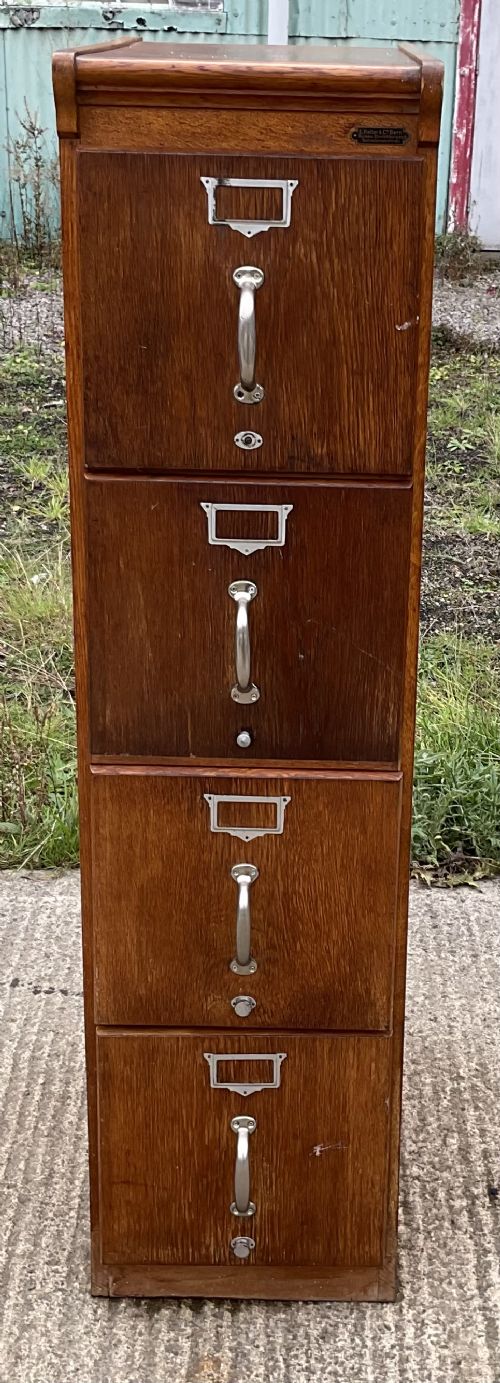
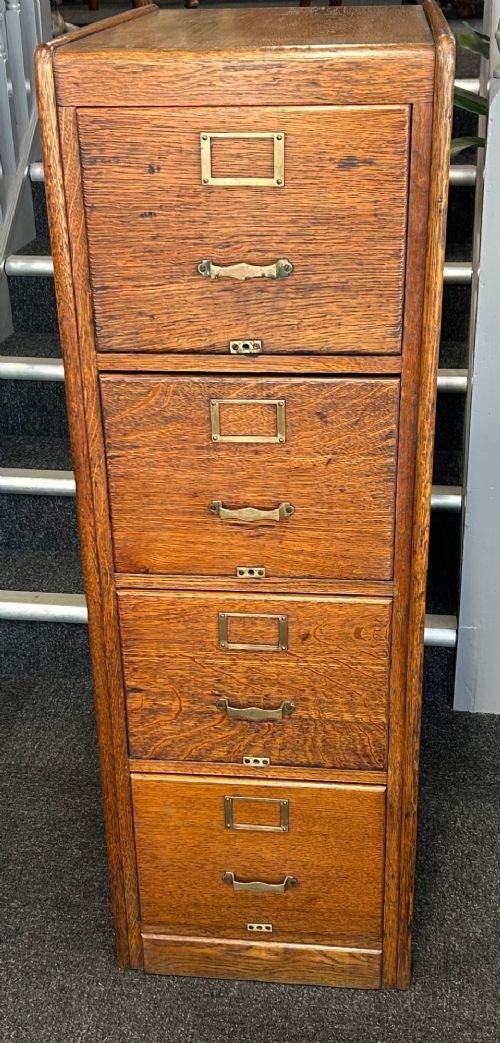
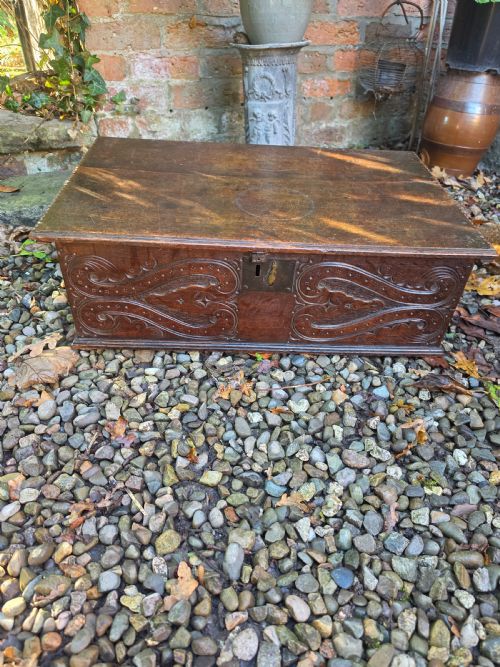
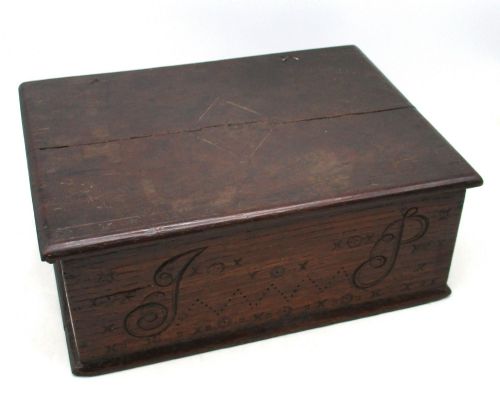
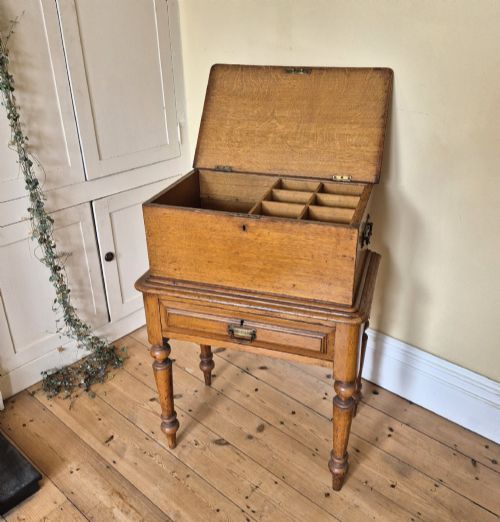
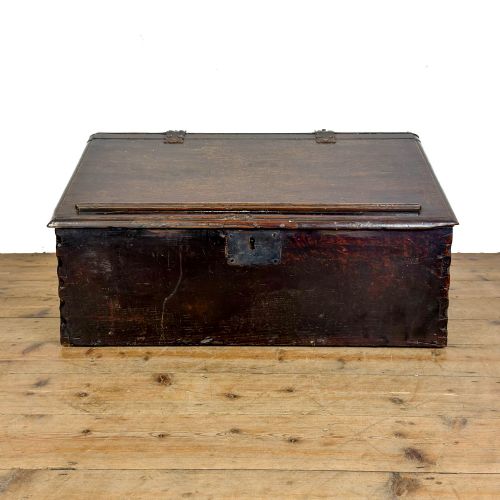
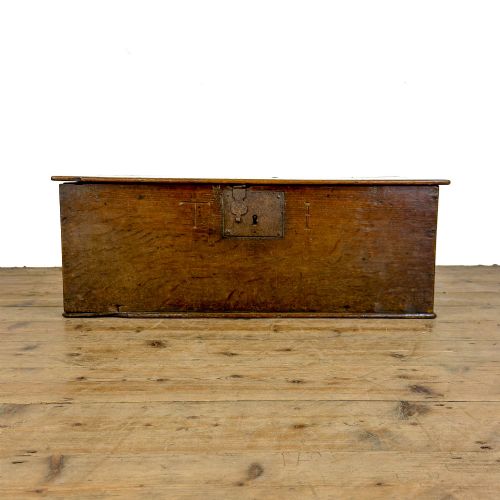
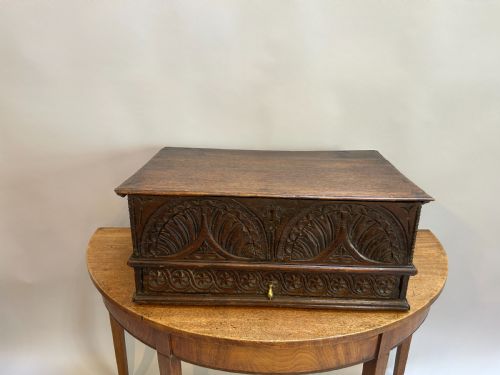
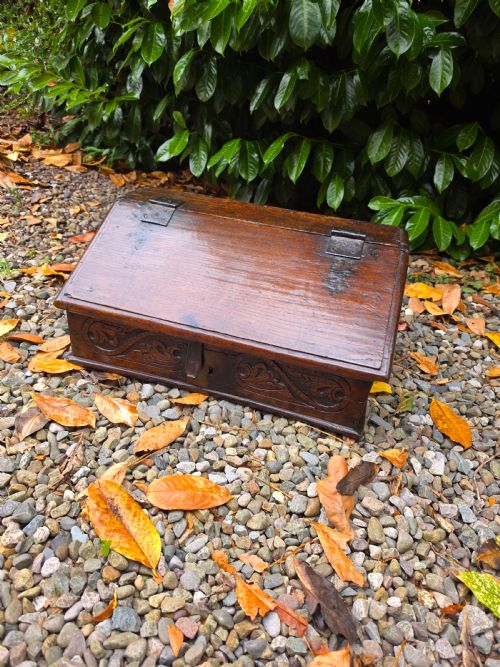
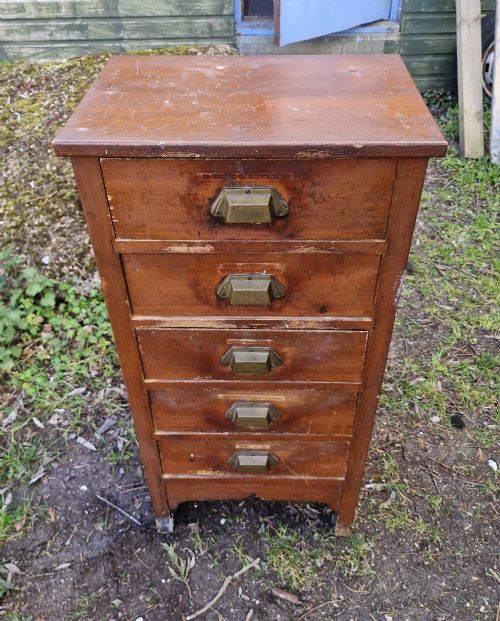
When you search for antique oak document storage, you encounter a practical category spanning heavy seventeenth-century bible boxes, eighteenth-century desk chests and towering twentieth-century vertical filing cabinets. These pieces served diverse needs, from ecclesiastical storage to early railway administration and office organisation.
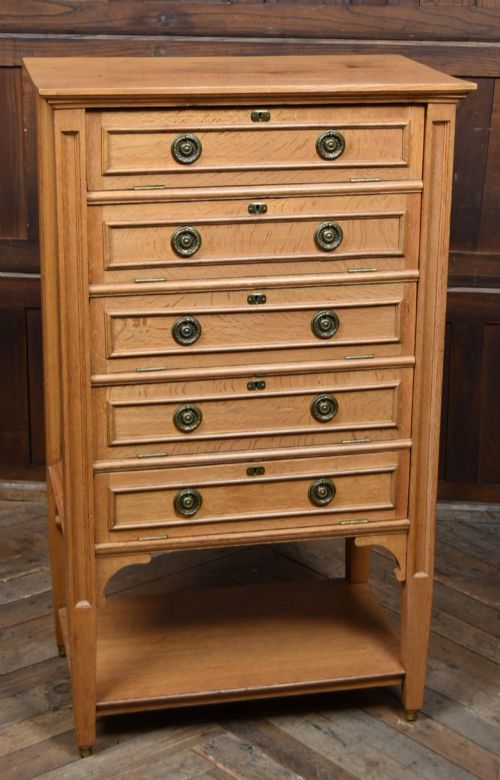
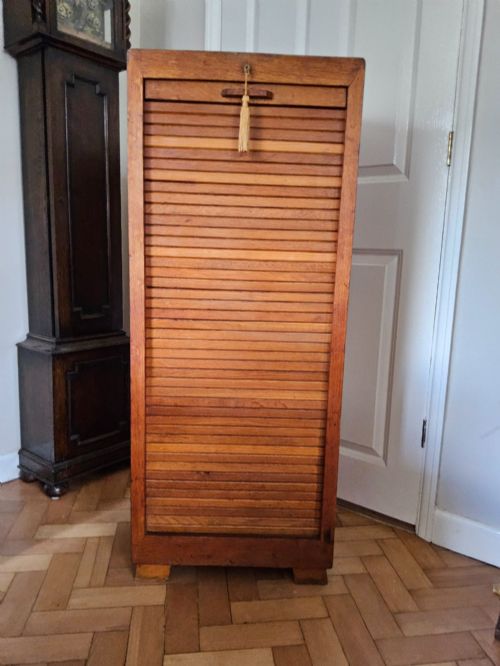
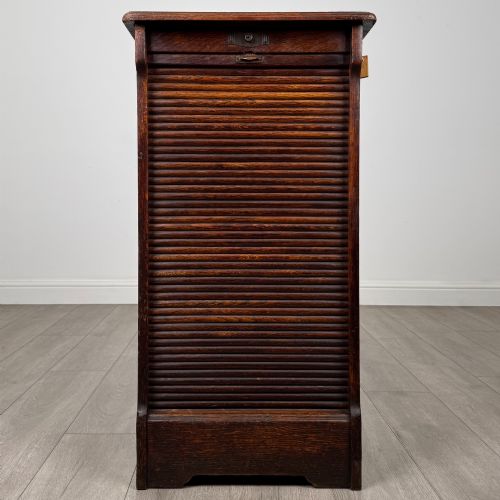
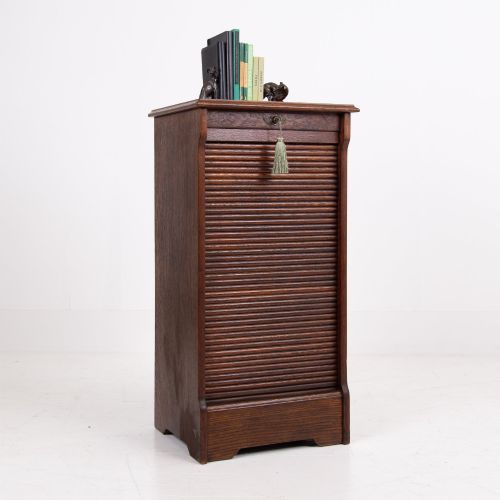
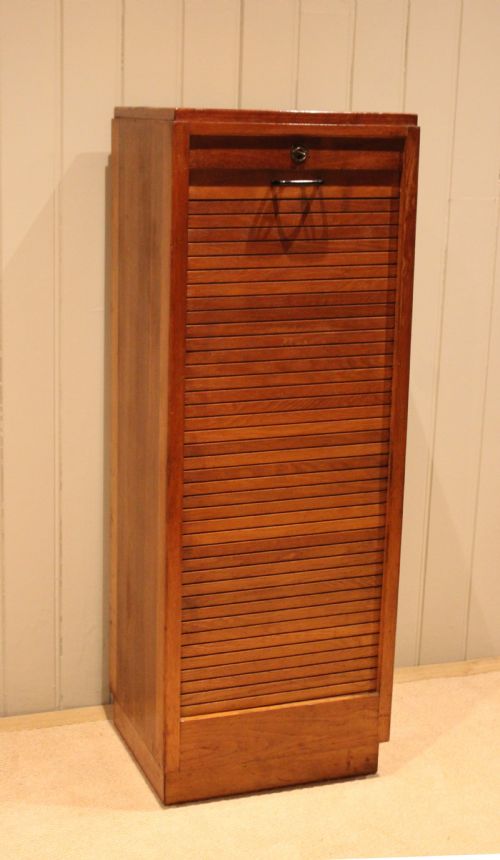
The versions you meet most frequently on this page range from compact table boxes with carved fronts to multi-drawer office cabinets fitted with tambour doors and brass hardware. Each item reflects the changing administrative demands of its era, moving from handwritten manuscripts to systematic vertical filing.
How they were made
The construction relies primarily on solid oak, chosen for its strength and durability, often complemented by secondary timbers like pine and decorated with holly or bog oak inlay. Metal components such as brass handles, iron hinges and wrought iron straps provide essential functional reinforcement.
Joinery techniques evolved significantly across the periods represented, shifting from hand-carved panels and pinned joints on early bible boxes to sliding tambour slats and mechanical drawer runners on commercial office furniture.
Antique Oak Document Storage Retail Price Guide 2026
Typical asking prices for oak document storage among the pieces listed under this phrase on Sellingantiques today, from the lower quarter to the upper quarter. They describe what is for sale here now, not the wider market.
Listings span from the seventeenth century through to the Edwardian era and the 1930s, constructed predominantly in oak with brass and iron hardware.
What varies in quality
Quality in these pieces depends heavily on the integrity of the timber and the depth of the hand-carving or joinery work. Early seventeenth-century boxes showcase crisp chip-carving and period provenance, whereas later industrial filing cabinets rely on smooth mechanical action and complete original hardware.
The presence of original fittings, such as period brass drop handles or functioning patent letter file mechanisms, distinguishes standard utility items from exceptional examples of period craftsmanship.
North Eastern Railway
The Antique Oak Document Storage Glossary
- Bible Box
- A desktop chest originally designed to hold a large family Bible or sacred texts, often featuring a sloping lid that doubled as a writing surface.
- Tambour
- A flexible door constructed from narrow vertical strips of oak glued to a canvas backing, allowing it to slide smoothly around a curved track on office cabinets.
- Plan Chest
- A wide, shallow multi-drawer cabinet built to store large architectural drawings, maps and oversized documents flat.
- Chip Carving
- A decorative technique where small chips are removed from the surface of the oak to create geometric patterns.
- Patent Letter File
- An indexed filing system housed within a wooden cabinet, designed to hold correspondence in an organised manner.
Antique Oak Document Storage: Frequently Asked Questions
What is a bible box?
A bible box is a small wooden chest featuring a flat or sloping lid, originally built to protect sacred texts and important household documents from dampness and wear.
These versatile boxes sat upon tables or desks and frequently doubled as writing slopes for correspondence before dedicated writing desks became common.
How do tambour doors work?
Tambour doors consist of thin slats of oak attached to a flexible fabric backing that runs along a recessed track within the cabinet frame.
This clever mechanism allows the door to slide open sideways or vertically, concealing the interior shelves or drawers without requiring clearance space for hinged doors.
How do I date an oak box?
Dating an oak box involves examining the joinery methods, hardware types, and decorative styles such as chip carving or inlaid holly and bog oak.
Early pieces from the seventeenth century typically display hand-carved panels and pegged joints, whereas twentieth-century office cabinets feature mechanical drawer runners and patent filing mechanisms.
Where were plan chests used?
Plan chests were utilised in architects' offices, engineering works and administrative departments to keep large paper documents flat and protected.
The shallow, wide drawers prevented maps and architectural drawings from curling or tearing during daily reference.