

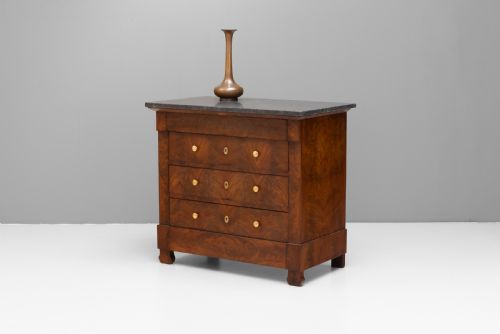
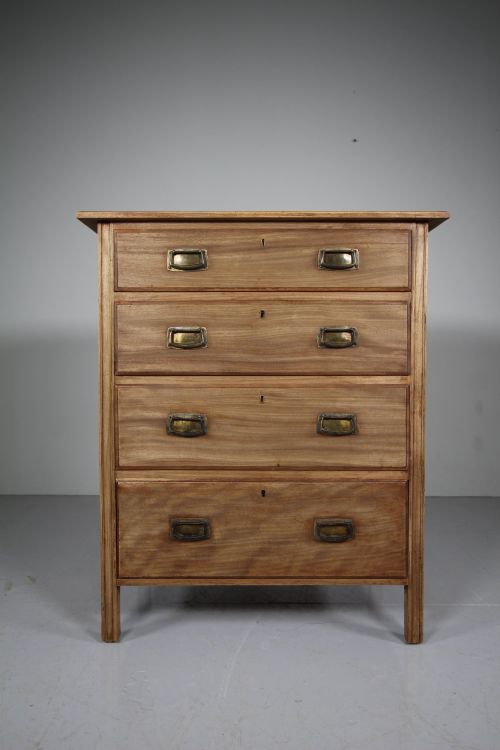
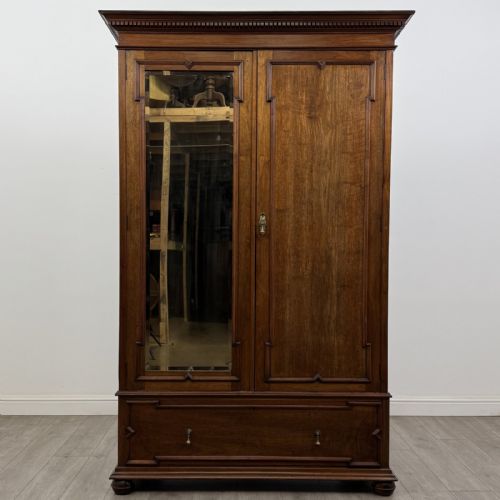
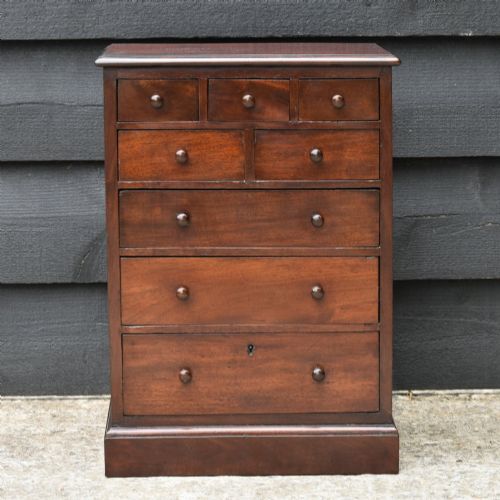

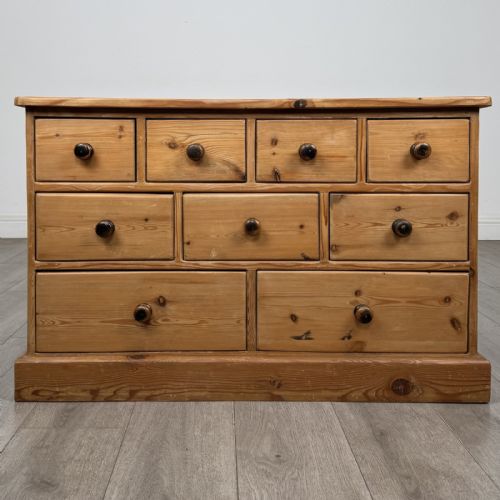
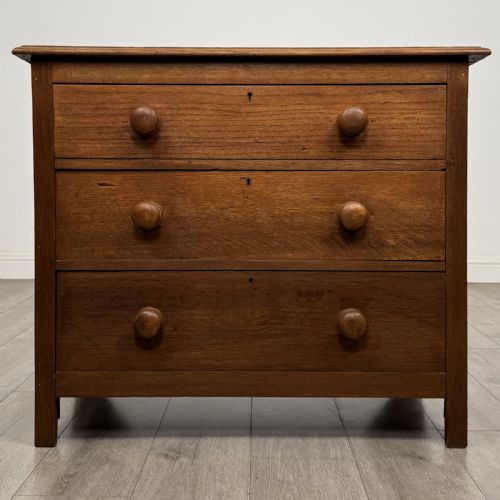
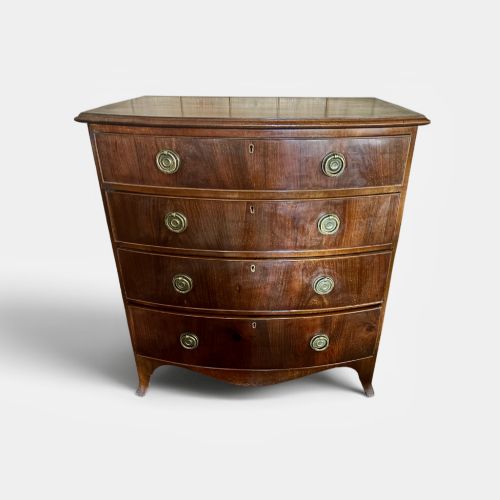
Vintage Wooden Cabinet Drawers
These vintage wooden cabinet drawers bring tangible history into daily spaces, offering enduring storage built from honest timber.
Vintage Wooden Cabinet Drawers
Vintage wooden cabinet drawers encompass a broad spectrum of storage forms, ranging from utilitarian filing chests to refined bedroom pieces. When searching for vintage wooden cabinet drawers, buyers encounter items built during the eighteenth, nineteenth, and early twentieth centuries.
The selections span Georgian, Victorian, Edwardian, and Art Deco eras, displaying distinct regional tastes and domestic functions. Common configurations include multi-drawer chests, bedside tables, specialised apothecary units, and compact miniature items.
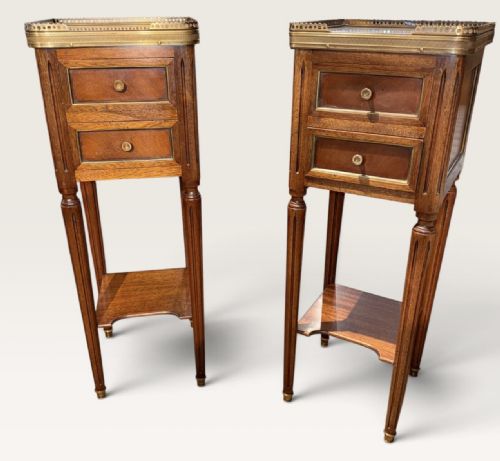
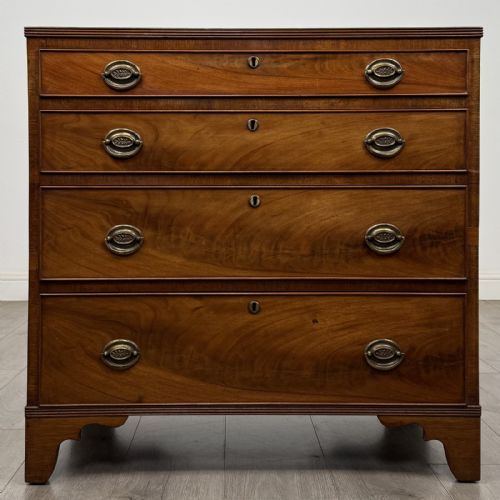
Mahogany and oak dominate the offerings, complemented by walnut, pine, and cherry wood. Many examples incorporate brass hardware or marble tops, reflecting the functional demands of their original owners.
Materials and construction
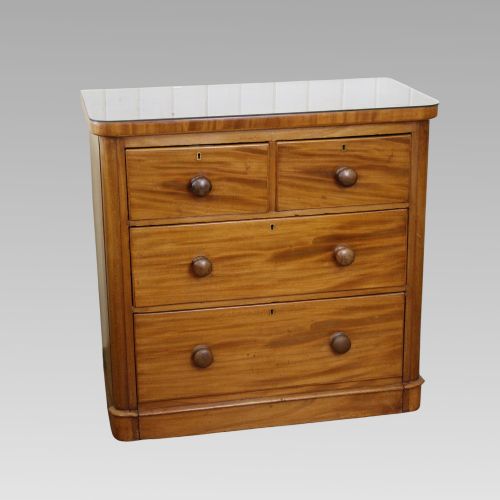
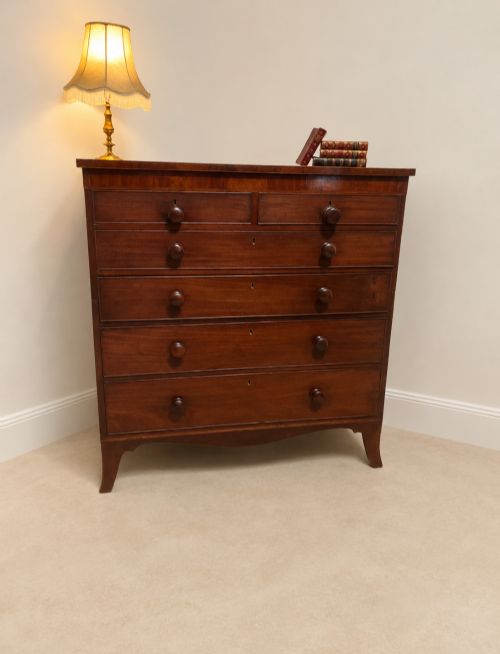
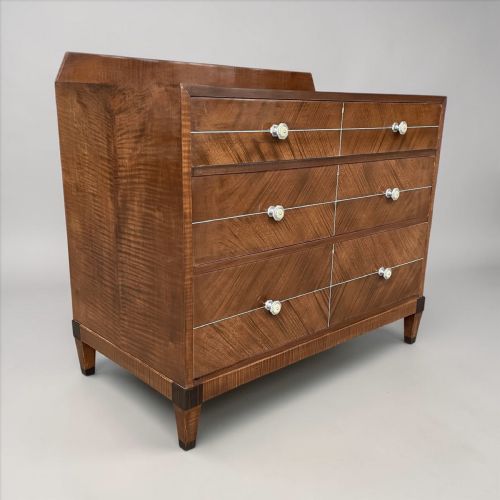
Cabinet makers relied primarily on solid hardwoods such as mahogany, oak, and walnut, often applying veneers like burr walnut or flame mahogany to visible surfaces. Pine served frequently for internal drawer construction and carcass frames in utilitarian items.
Joinery methods involved traditional techniques appropriate to each period, including dovetailed drawer boxes and bracket feet or raised galleries. Hardware ranged from simple turned wooden knobs to cast brass pulls and specialised locks.
Vintage Wooden Cabinet Drawers Retail Price Guide 2026
Typical asking prices for vintage wooden cabinet drawers among the pieces listed under this phrase on Sellingantiques today, from the lower quarter to the upper quarter. They describe what is for sale here now, not the wider market.
Watch and clock repairer chests provide tiny compartments once tasked with holding microscopic gears and fragile springs.
Factors determining quality
Excellence in these pieces rests upon the selection of timber figures, such as flame mahogany or burr walnut, and the precision of the underlying joinery. Superior examples maintain original drawer linings, functional locks, and period-appropriate brass handles.
The integrity of secondary woods and the subtlety of decorative inlays or carved details separate standard utility furniture from pieces produced by noted firms or skilled provincial cabinet makers.
Bath Cabinet Makers·Heals·Waring & Gillow
The Vintage Wooden Cabinet Drawers Glossary
- Apprentice piece
- A small-scale model demonstrating a craftsman's skill before gaining master status. These miniature chests replicate full-sized furniture joinery.
- Linen press
- A tall storage unit comprising upper sliding trays for textiles above lower clothes drawers. Georgian and Victorian examples frequently utilise mahogany.
- Bracket foot
- A structural support projecting beneath the corners of a cabinet or chest. This foot style often appears on Georgian and Victorian pieces.
- Filing cabinet
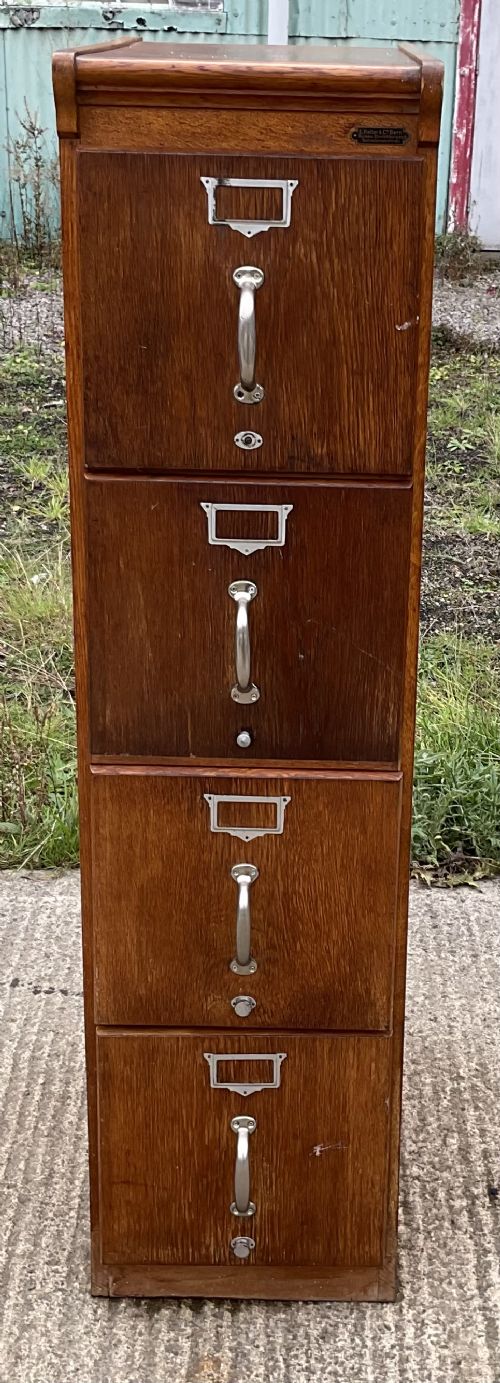
- An office storage unit designed to hold documents, built in oak or steel-accented wood. Early twentieth-century versions utilise vertical multi-drawer configurations.
Vintage Wooden Cabinet Drawers: Frequently Asked Questions
What periods do these drawers span?
The pieces date from the eighteenth century through to the Art Deco period of the 1930s. Styles shift from Georgian and Victorian formality to Edwardian lightness and early twentieth-century utilitarian designs.
Materials evolve alongside these eras, transitioning from solid oak and mahogany towards varied pine and specialised dental or filing cabinets.
How were miniature chests used?
Miniature chests often functioned as apprentice pieces to demonstrate fine woodworking skills or served as salesman samples. Their small scale required the same complex joinery found in full-size furniture.
Collectors prize them for their detailed execution and faithful reproduction of larger period styles.
What is a Wellington chest?
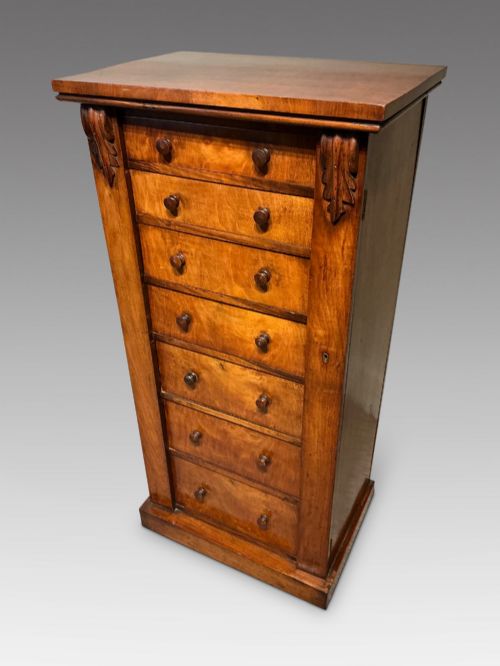
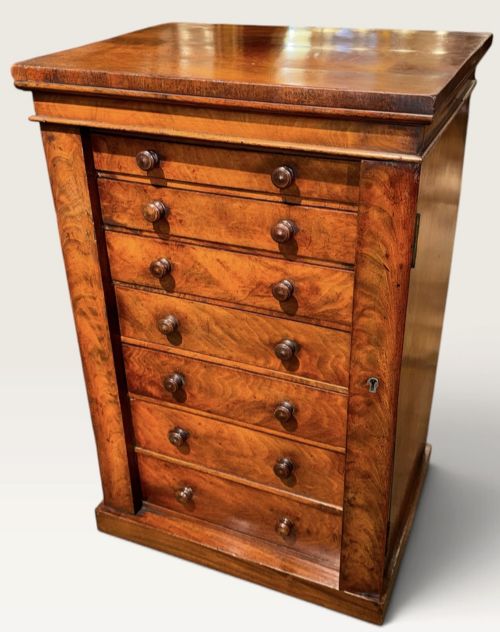
A Wellington chest is a tall, narrow set of drawers secured by a vertical locking flap on one side. This hinged stile locks all drawers simultaneously with a single key.
Victorian makers favored this format for storing papers, jewellery, or linens safely in private studies.
How do I identify apothecary styles?
Apothecary style cabinets feature numerous small drawers intended for organising medicines, herbs, or small specimens. They often appear in pine or oak with simple turned wooden knobs.
These pieces emphasise practical division and functional storage over decorative veneer work.