

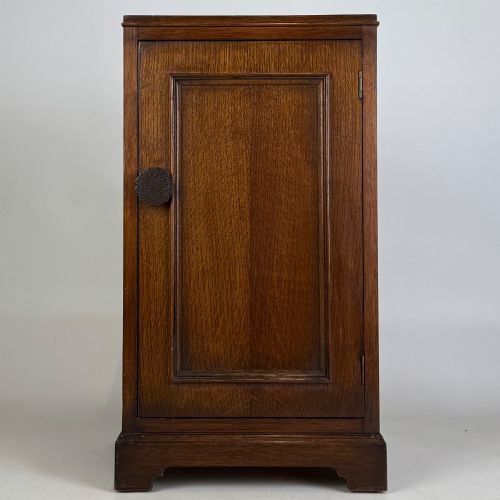
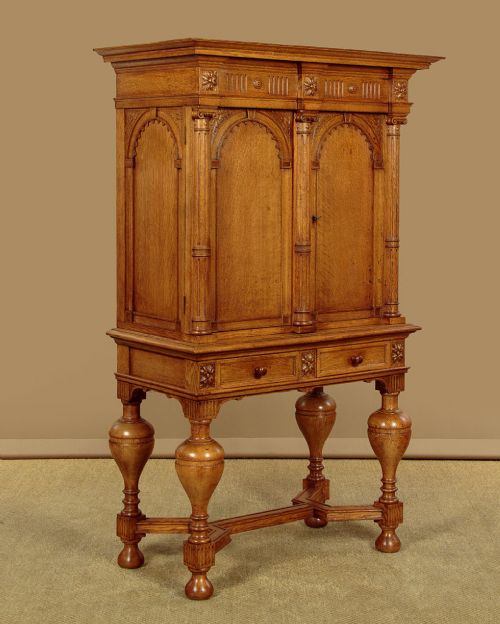
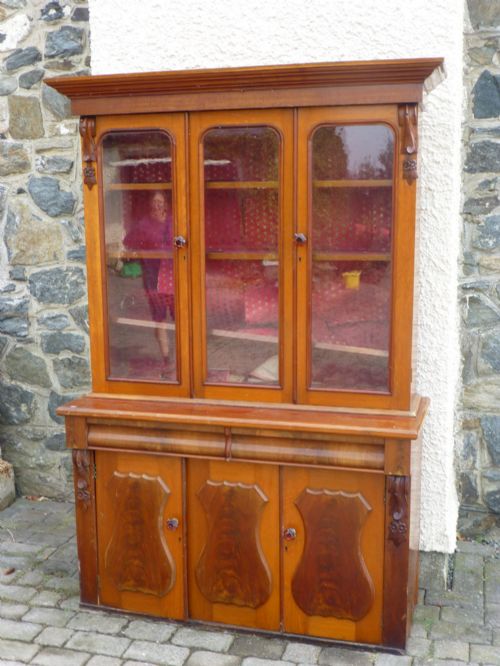
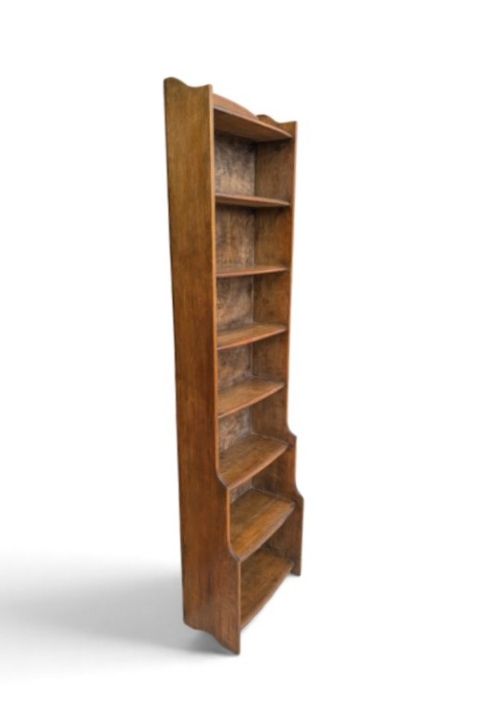
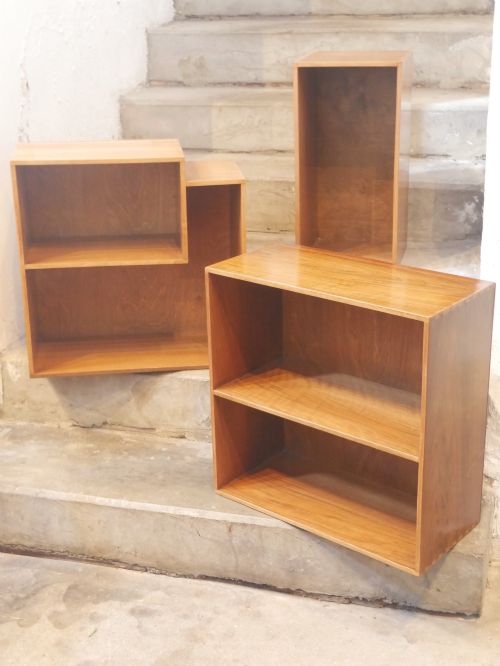
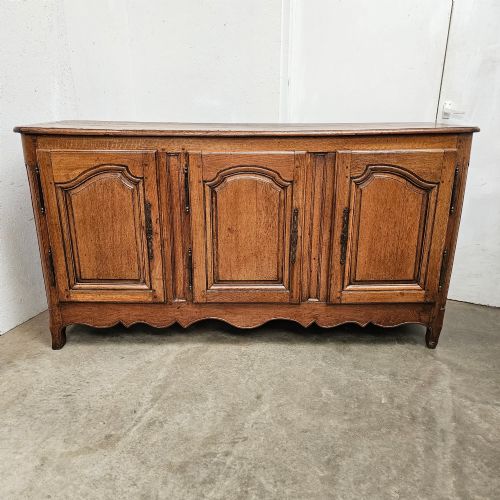
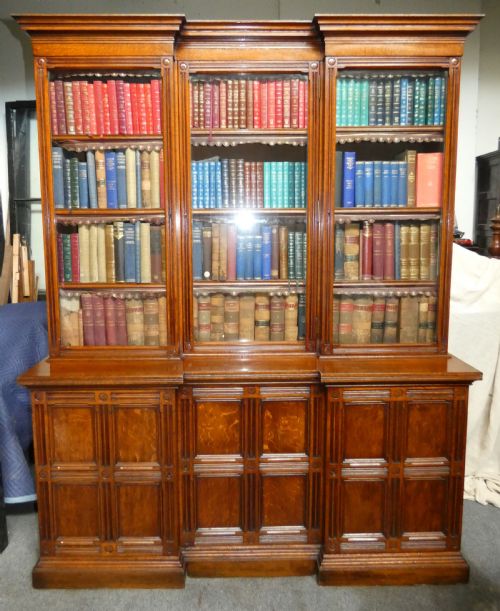
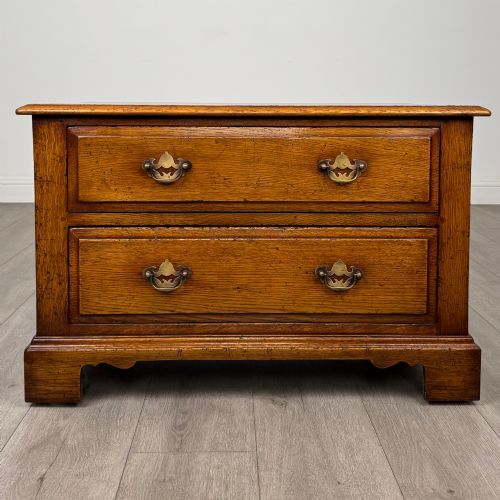
Warm Brown Oak Cabinet
A warm brown oak cabinet brings honest grain and deep patination to a room, offering sturdy storage rooted in centuries of vernacular tradition.
Identifying a warm brown oak cabinet
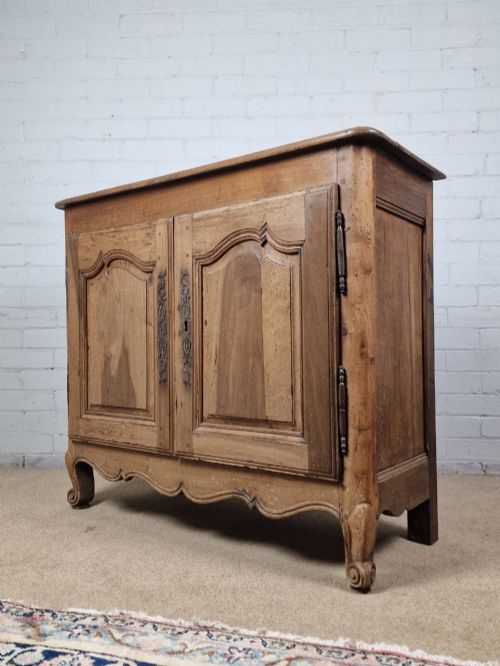
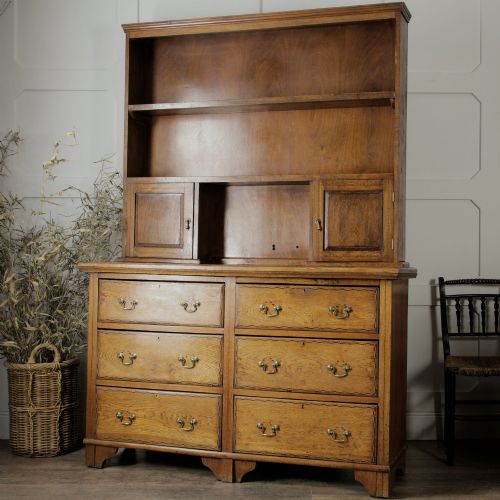
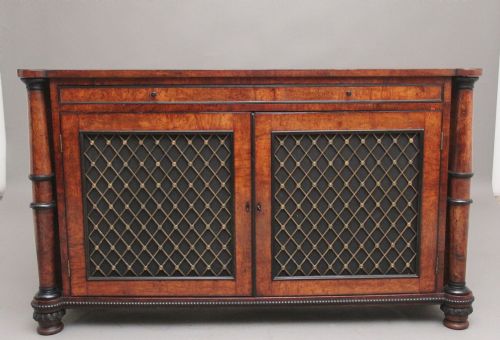
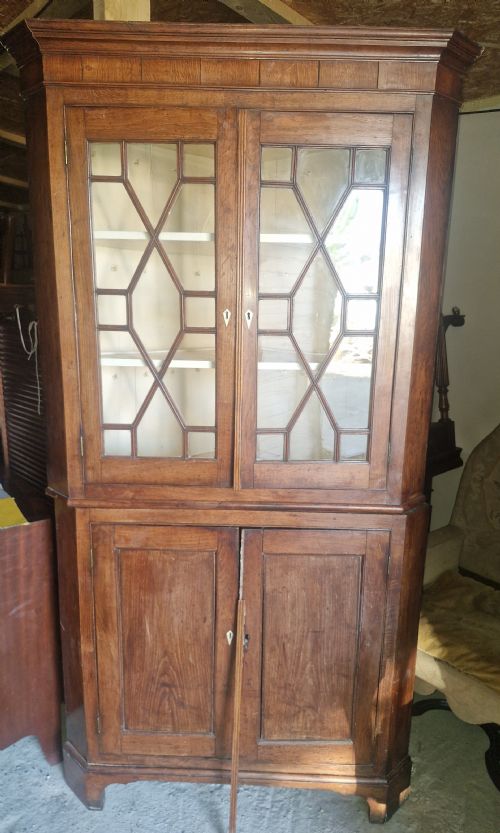
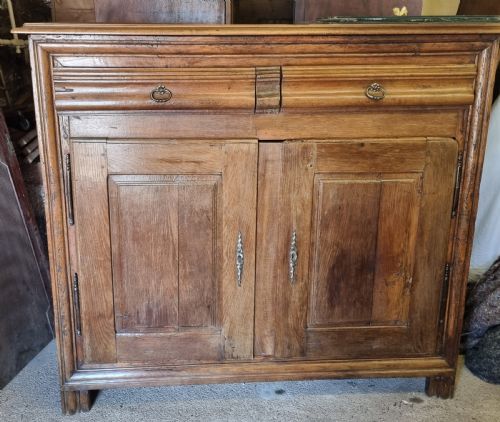
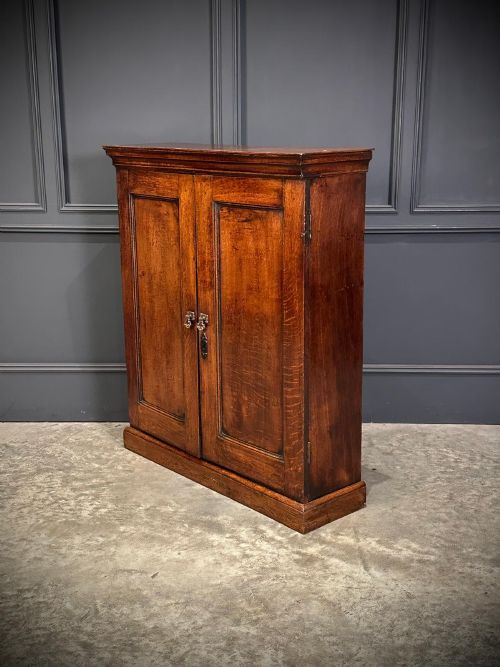
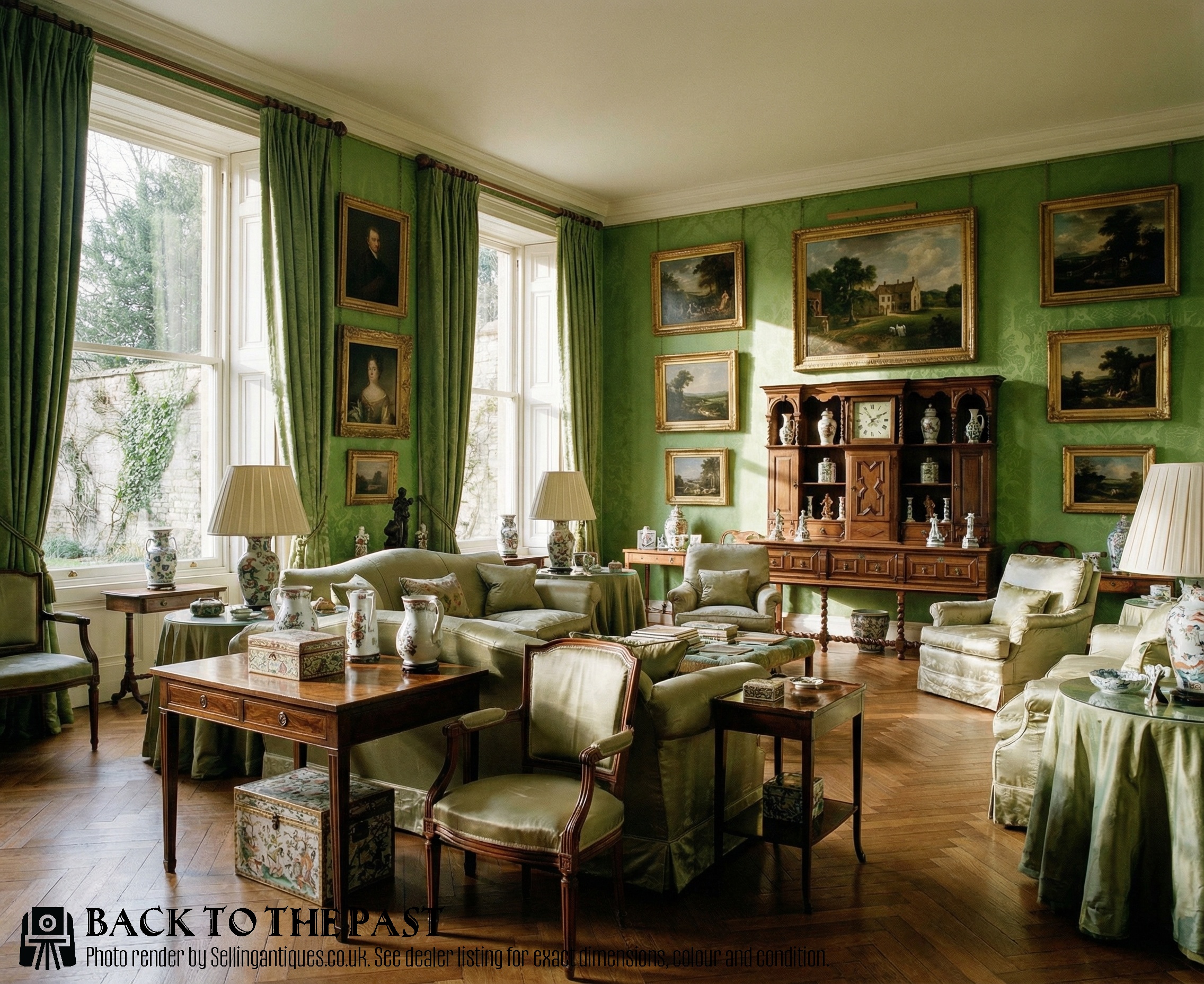
When you search for a warm brown oak cabinet, you are looking at utilitarian and display furniture fashioned from solid timber and historic veneers. The listings on this page span several distinct periods, including the eighteenth century, the Regency era, and the early twentieth century.
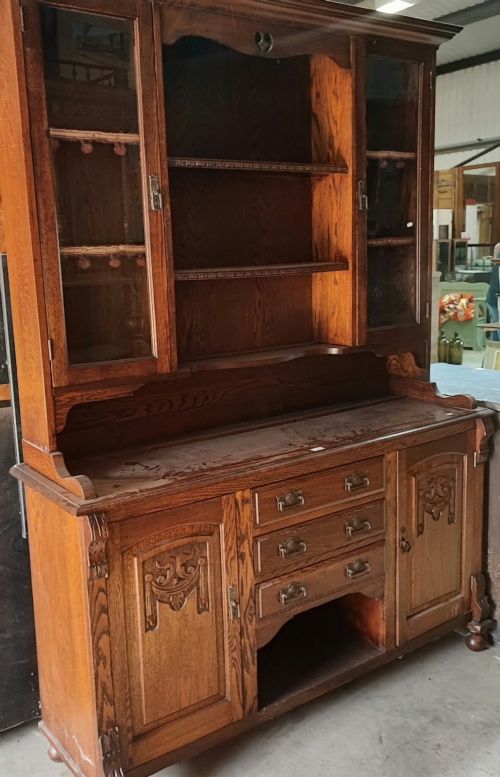
The forms that appear here vary considerably in function and scale. You will encounter kitchen dressers, corner cupboards, bookcases, and cabinets mounted on stands.
Stylistic influences range from simple English and Welsh country pieces to Dutch Renaissance, Jacobean, and Art Deco interpretations. Most examples display the rich tones and robust construction characteristic of heavy oak furniture.
Materials and construction
Makers utilised solid oak as the primary structural and visual medium, sometimes augmented with fruitwood for contrasting inlay details. Brass hardware such as hinges and handles provides functional contrast to the dark timber.
Glazed doors appear on bookcase variants, incorporating fitted glass panes to protect books and display items. Construction methods reflect the prevailing standards of each period, from traditional pegged joints in country pieces to later twentieth-century joinery.
Retail Price Guide 2026
Typical UK retail prices for warm brown oak cabinet, calculated from the Sellingantiques database of over a million retail prices indexed since 2003. This retail price guide relies exclusively on Sellingantiques data; no external sources or auction records are used, so the figures do not describe the wider market.
Some corner cupboards were cunningly built to hide secret drams of gin behind unassuming oak panels.
Assessing quality and character
Quality in these pieces rests upon the depth of the timber's grain and the integrity of its patination. Superior examples exhibit a rich, untouched warmth developed through decades of use, rather than flat or overly restored surfaces.
Proportion and decorative restraint elevate certain regional pieces above standard utility furniture. Refined inlay work and well-balanced proportions separate finer period chests and dressers from simpler vernacular items.
The Warm Brown Oak Cabinet Glossary
- Patina
- The surface sheen and colour developed by timber over years of handling, ageing, and polishing. This is a primary indicator of authenticity and age.
- Chest on stand
- A case piece elevated upon a separate or integrated base with legs. This form lifts heavy storage furniture off the floor.
- Inlay
- A technique where contrasting materials such as fruitwood are set into recesses flush with the oak surface to create decorative patterns.
- Corner cupboard
- A specialised storage cabinet designed to fit precisely into the corner of a room, maximising floor space.
Frequently Asked Questions
How do I clean an oak cabinet?
Dust the surfaces regularly with a soft, dry cloth to prevent dirt accumulation in the grain. Avoid modern silicone sprays, which leave a film and attract dust over time.
Apply a traditional beeswax sparingly once or twice a year to nourish the timber and maintain its natural lustre. Buff the wax thoroughly after application for the best finish.
Are these cabinets heavy?
Solid oak furniture is inherently dense and substantial, making these cabinets significantly heavier than modern flat-pack alternatives. Two or more people are generally required to lift and position them safely.
Larger bookcases and two-part dressers often separate into distinct sections to make transport and placement manageable within a home.
Where should I place it?
Position your cabinet away from direct heat sources such as radiators and out of strong, direct sunlight. Extreme temperature fluctuations and UV exposure can cause the solid oak to warp, dry out, or fade.
Ensure the floor is reasonably level, particularly with tall bookcases or cabinets on stands, to prevent strain on the joinery.
How do I date an oak cabinet?
Examine the construction methods, tool marks, and hardware types used in the assembly. Hand-cut dovetails, handmade screws, and pegged joints usually point towards earlier craftsmanship.
Compare the stylistic motifs, such as Jacobean turning or Art Deco linearity, with known period characteristics found in the evidence.