


Double Bay Bookcase
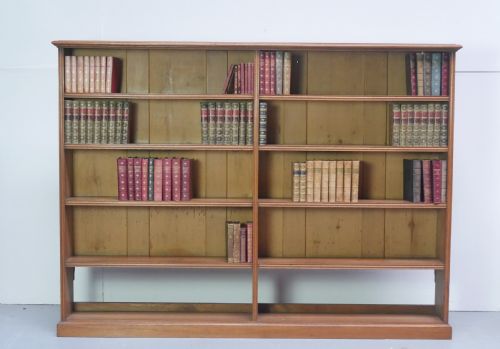
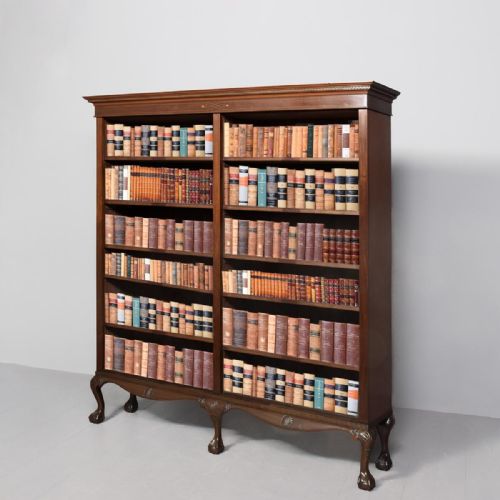
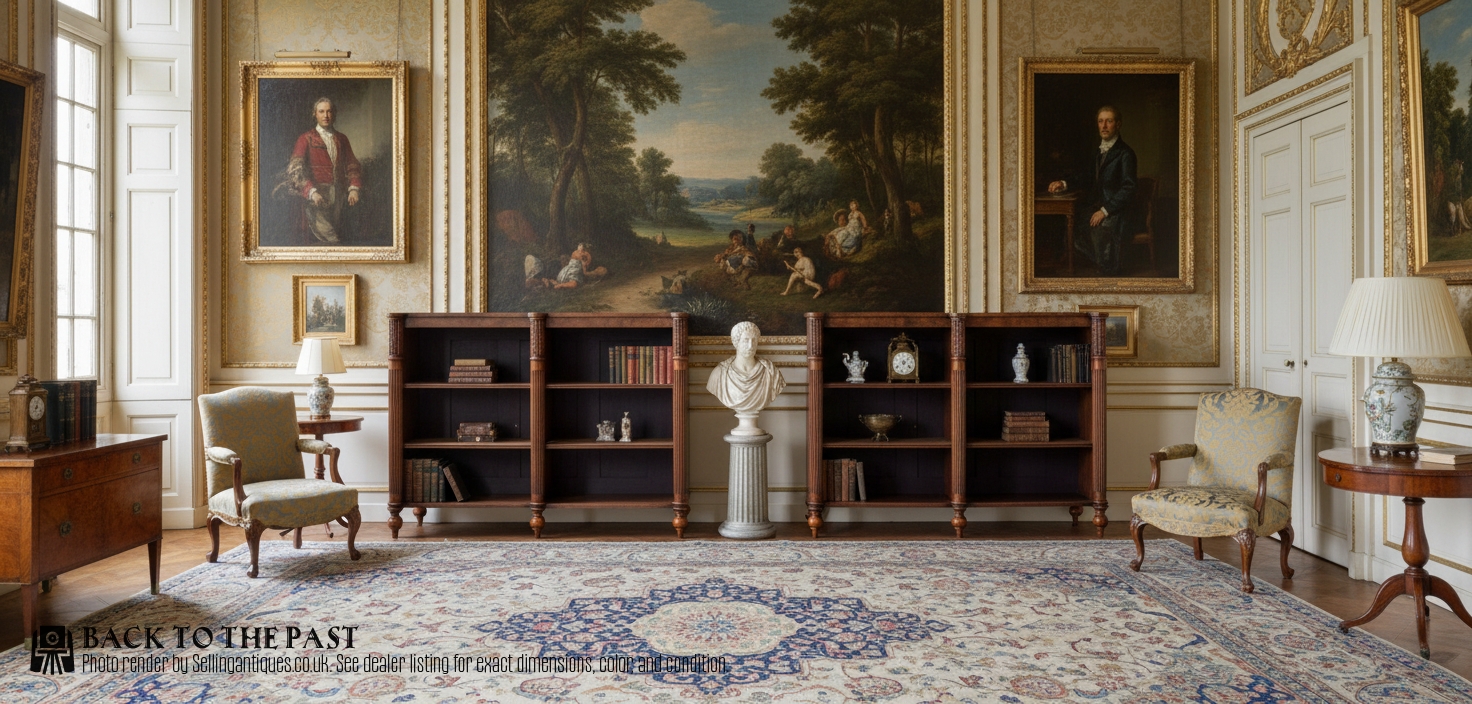
A double bay bookcase offers substantial library storage while dividing its expanse into two distinct sections.
Double Bay Bookcase
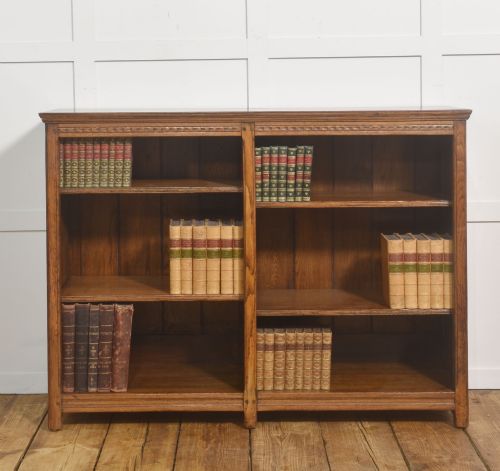
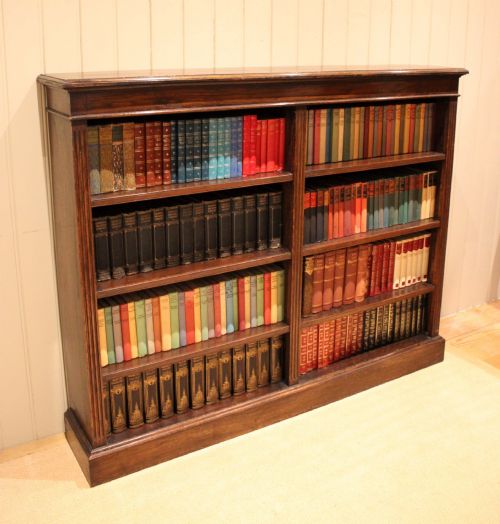
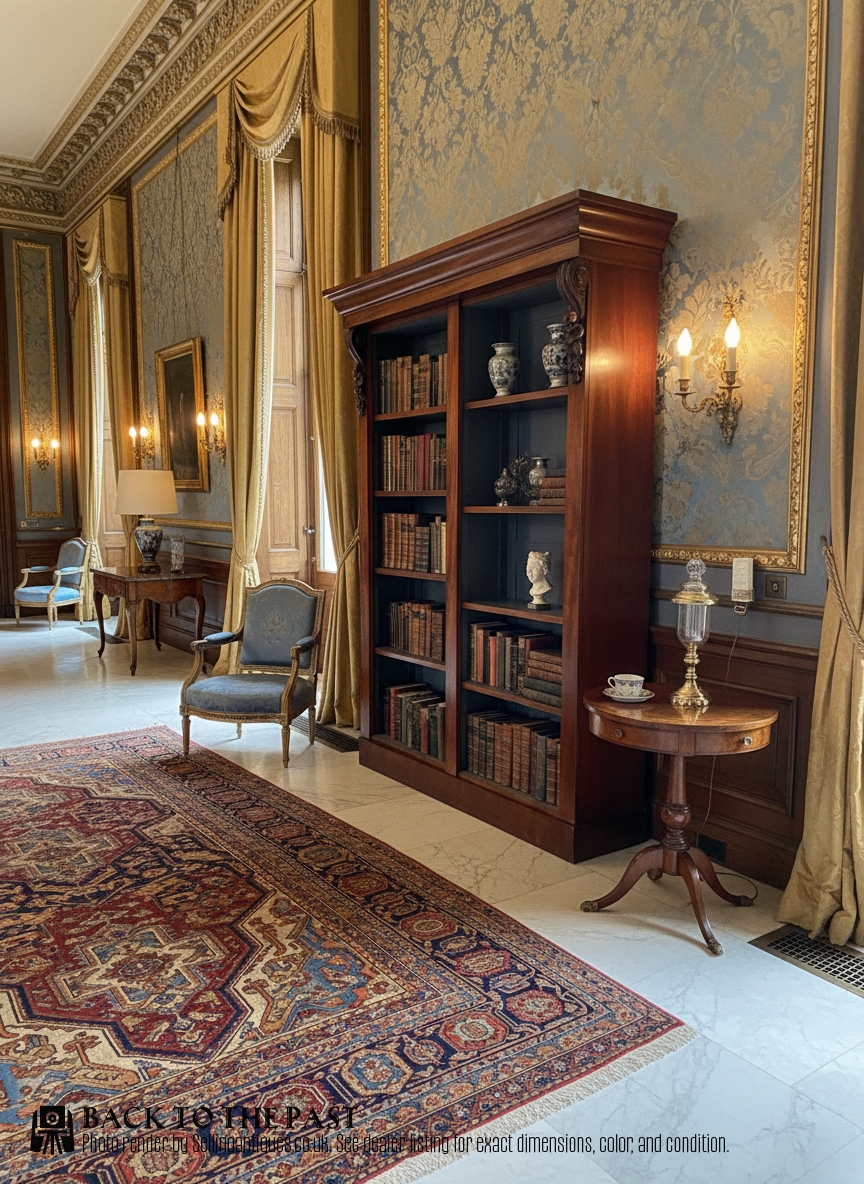
A double bay bookcase provides generous shelving distributed across two architectural sections, appearing predominantly in open front formats across the Victorian, Edwardian, and later twentieth-century periods. These library pieces accommodate large volumes while maintaining an orderly rhythm through their divided construction.
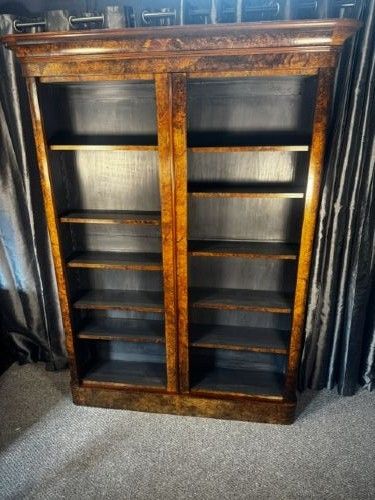
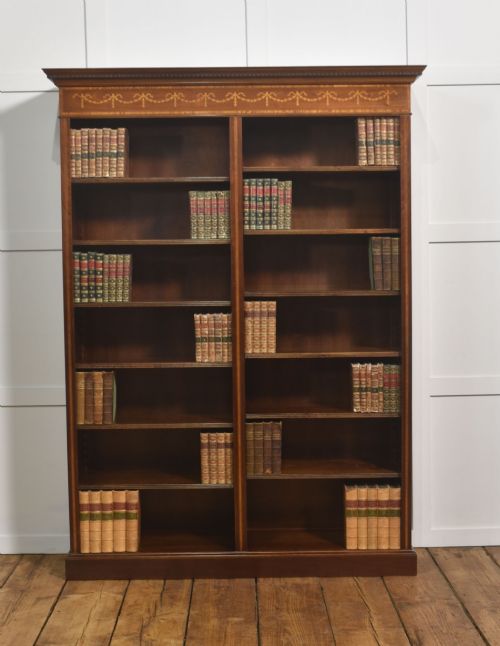
The selections available span from simple oak open library bookcases with adjustable shelves to finely decorated Sheraton Revival and French Neoclassical examples in satinwood, burr walnut, and mahogany. Buyers encounter traditional upright forms as well as carved double constructions dating from the nineteenth century onward.
Makers and cabinetmakers constructed these larger units to anchor studies and drawing rooms, utilising sturdy timbers like oak alongside figured veneers such as burr walnut and rosewood. The double bay format remains a practical choice for housing extensive collections within domestic interiors.
Materials and construction methods
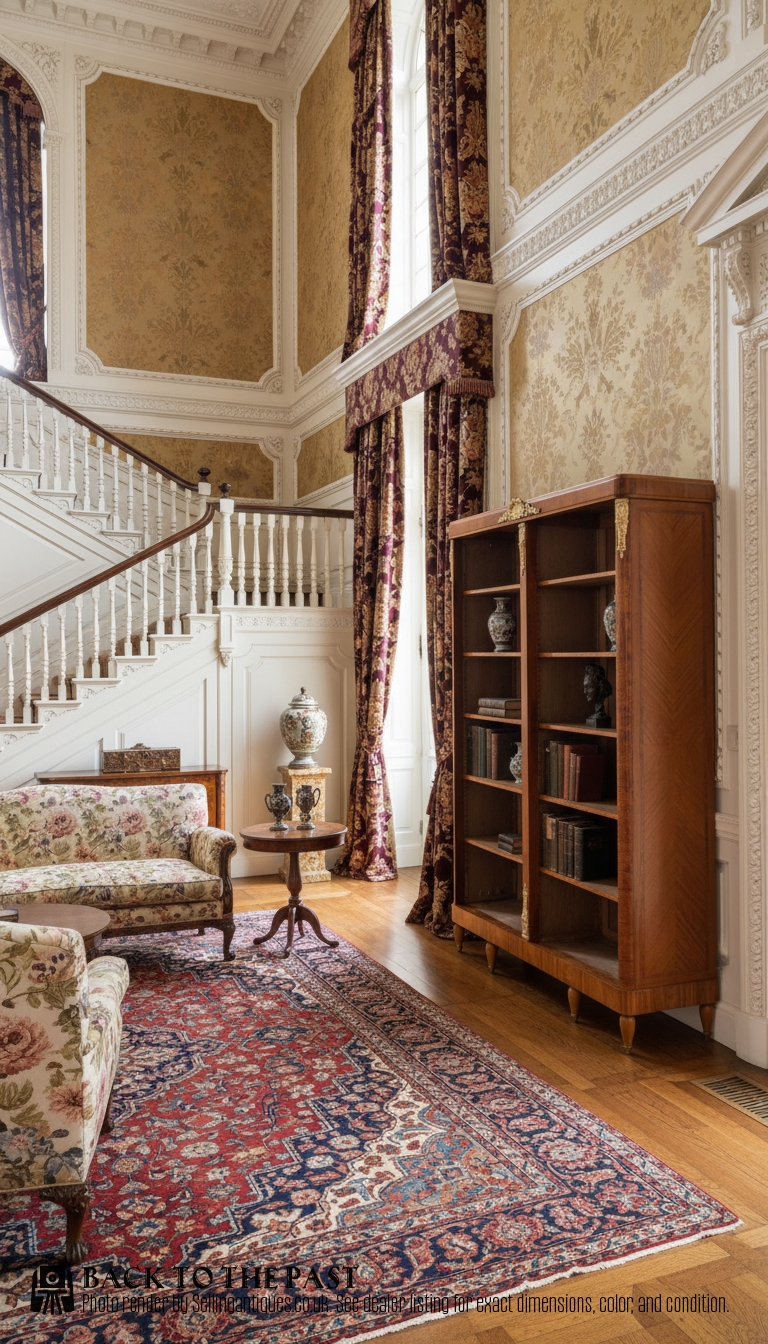
Cabinetmakers built the carcase structures using solid timbers including oak and mahogany, often applying decorative veneers of burr walnut, rosewood, and satinwood to prominent display surfaces. Wood inlay and ebonising further defined the decorative vocabulary of these larger library pieces.
Internal configurations rely on adjustable shelves supported by traditional timber battens or wooden notches, allowing owners to alter bay heights for varying folio sizes. Carved details adorn the structural uprights of nineteenth-century examples, while Edwardian and later pieces frequently emphasise clean timber grains.
Double Bay Bookcase Retail Price Guide 2026
Typical asking prices for double bay bookcase among the pieces listed under this phrase on Sellingantiques today, from the lower quarter to the upper quarter. They describe what is for sale here now, not the wider market.
The listings span from the mid-nineteenth century through the 1930s, featuring oak, mahogany, burr walnut, and satinwood.
Distinguishing quality in double bay furniture
Quality reveals itself through the selection of primary timbers and decorative veneers, where richly figured burr walnut or satinwood demonstrates superior material choice compared to plain utility woods. The crispness of wood inlay and the depth of hand-carved ornamentation separate standard workshop production from finer cabinet work.
Structural integrity depends upon the precise fitting of the internal adjustable shelving system and the stability of the large dividing uprights. Pieces retaining their original polished finish and sound backing boards exhibit the careful handling expected of high-grade library furniture.
Waring and Gillows
The Double Bay Bookcase Glossary
- Bay
- A principal division or compartment of a piece of furniture, separating the bookcase into distinct vertical sections. This architectural term describes the structural bays seen in larger library units.
- Open bookcase
- A bookcase lacking glazed or wooden doors, designed for immediate access to volumes. Most examples in this category utilise this open-fronted format.
- Adjustable shelves
- Shelving supported by mechanisms that allow vertical movement to accommodate books of different heights. This practical feature appears frequently in library bookcases.
- Burr walnut
- A highly prized wood veneer taken from the knotted growth of the walnut tree, exhibiting intricate swirling grain patterns. Cabinetmakers utilised this material on decorative facades.
- Sheraton Revival
- A late nineteenth and early twentieth-century design style drawing inspiration from the lighter neoclassical furniture of the eighteenth century. Pieces in this style often incorporate delicate wood inlay.
Double Bay Bookcase: Frequently Asked Questions
What is a double bay bookcase?
A double bay bookcase is a large library piece divided into two distinct vertical sections or compartments for storing books. These units provide substantial shelving capacity while maintaining an organised facade across both bays.
Such pieces are typically designed as open-fronted furniture, allowing straightforward access to volumes in domestic or institutional settings.
How do I style a large library bookcase?
Position the bookcase against a principal wall in a study, library, or drawing room where its height and width can serve as an architectural focal point. Balance the visual weight by distributing books evenly across the shelves alongside occasional decorative objects.
Ensure adequate clearance around the structure so the timber grain and decorative inlays remain clearly visible within the room.
Are the shelves adjustable?
Many examples feature adjustable shelving supported by traditional wooden mechanisms, enabling you to alter shelf heights for varying book sizes. This adaptability is particularly common in larger library bookcases intended for active collections.
Checking the internal uprights reveals the specific system used to support the movable shelves within each bay.
How do I identify Victorian library furniture?
Victorian library pieces often utilise dense timbers such as mahogany, rosewood, or oak, occasionally featuring carved structural ornaments. The construction reflects the robust standards of nineteenth-century cabinet making.
Comparing the timber selection, joining methods, and decorative motifs helps distinguish Victorian pieces from later Edwardian or twentieth-century interpretations.