
Traditional Library Shelving
Traditional library shelving brings order and warmth to a room, offering sturdy housing for volumes in rich woods like mahogany and oak.
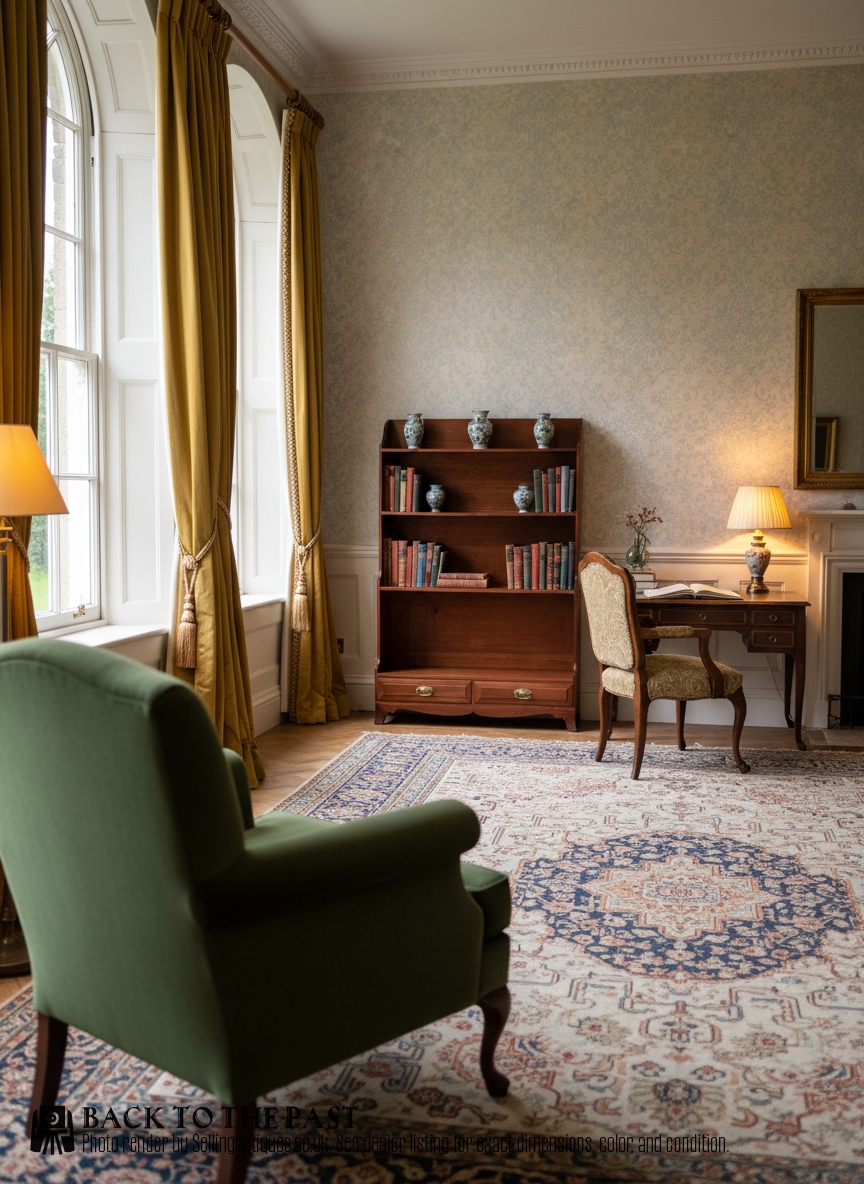
Traditional Library Shelving
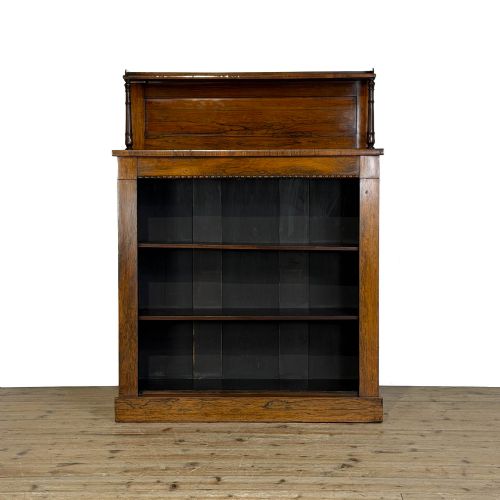
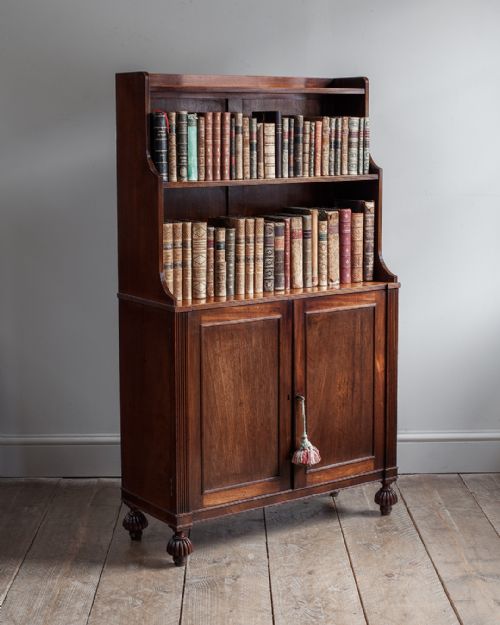
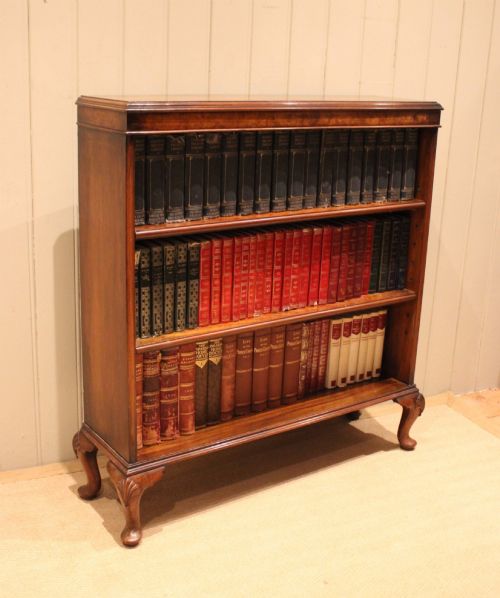
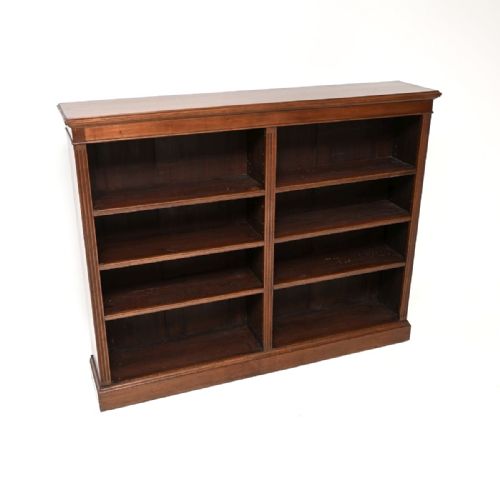
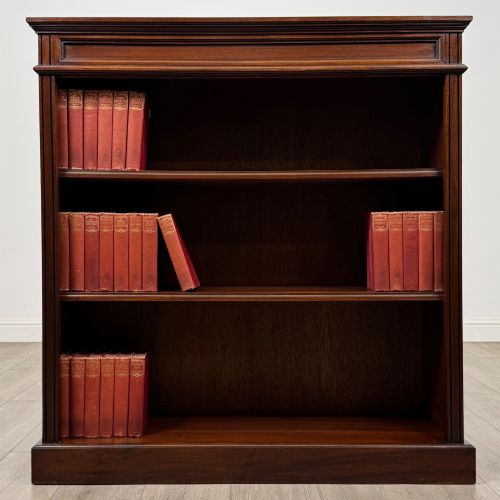
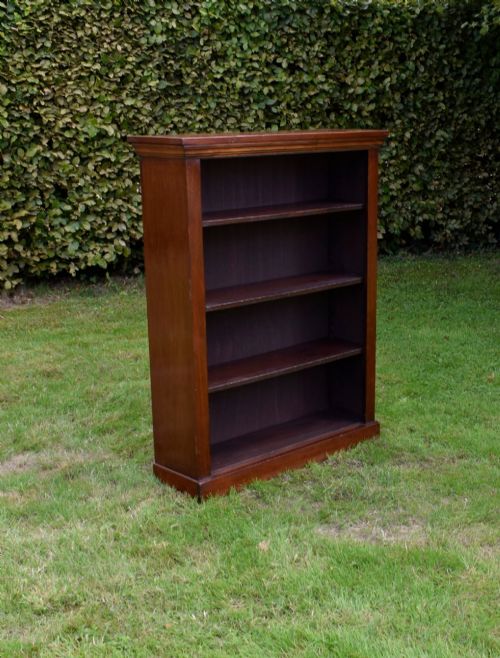
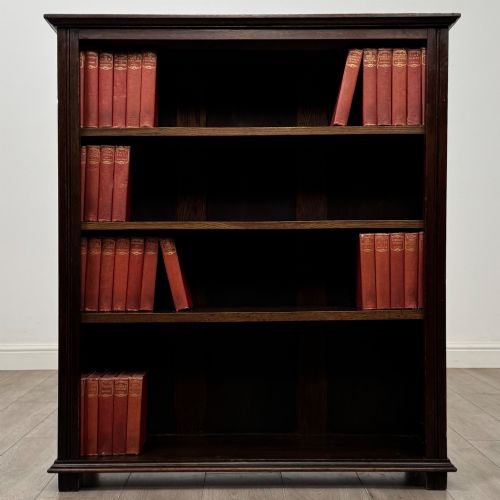
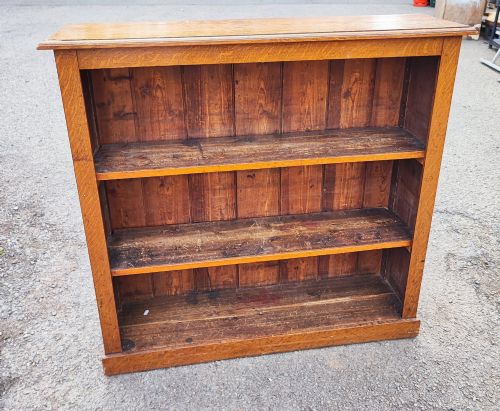
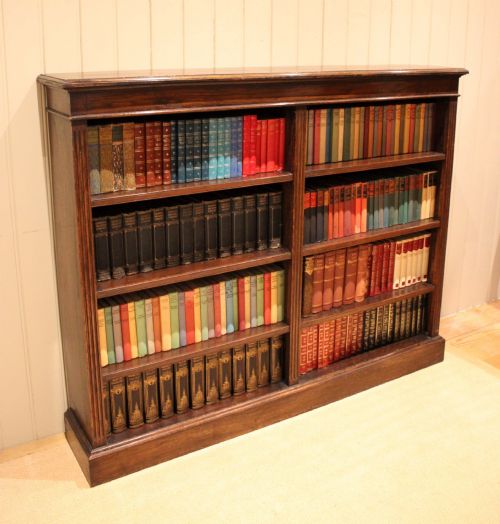
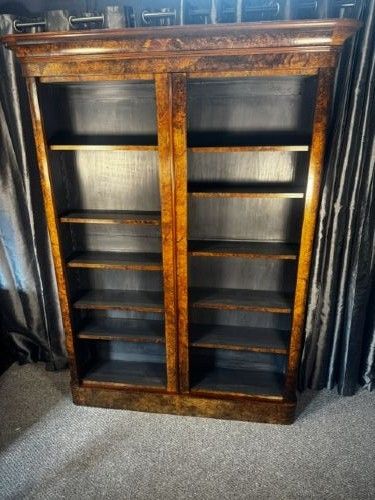
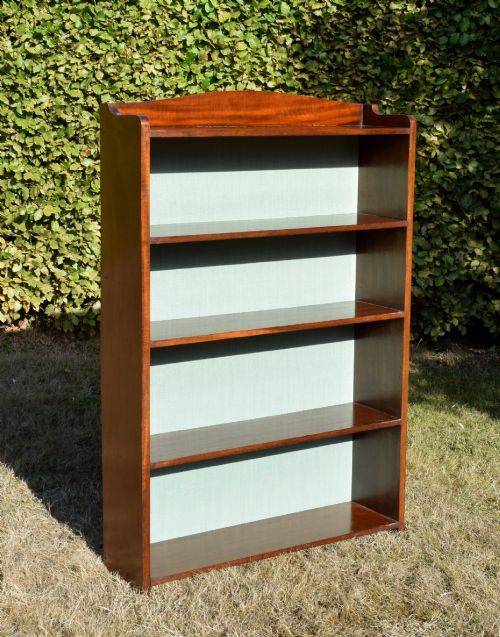
Traditional library shelving comprises bookcases and shelving units designed to hold collections of books within domestic or institutional spaces. When you search for traditional library shelving, you encounter open bookcases, stepped configurations, breakfront designs, and waterfall pieces that date from the nineteenth and early twentieth centuries. These items serve as functional storage while introducing period character through architectural proportions and timber grains.
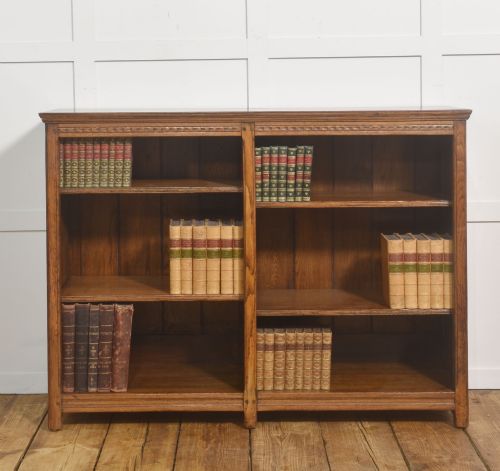
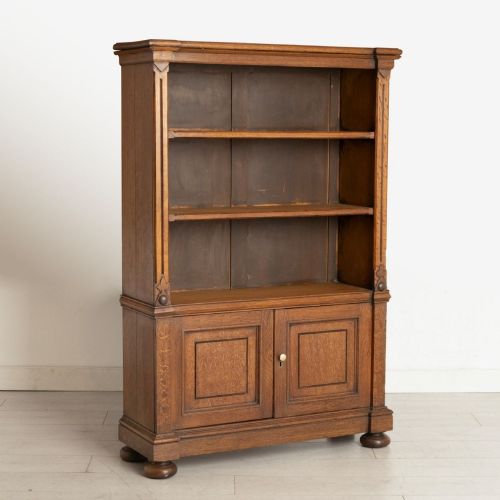
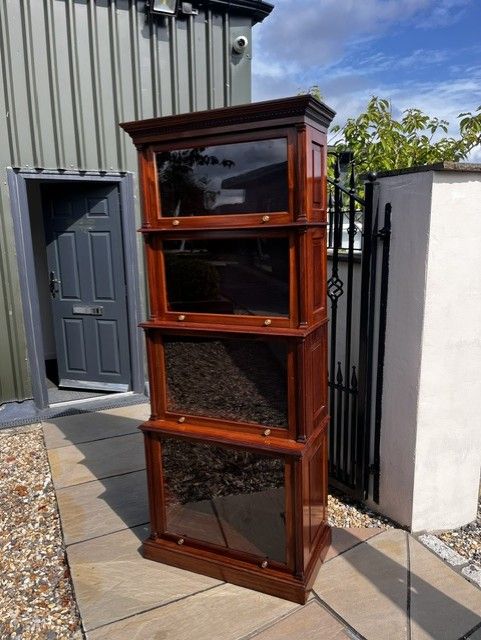
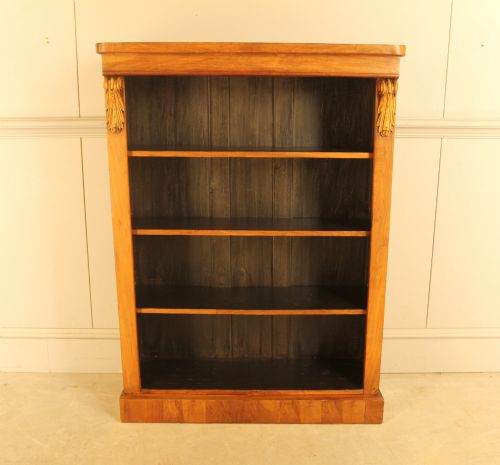
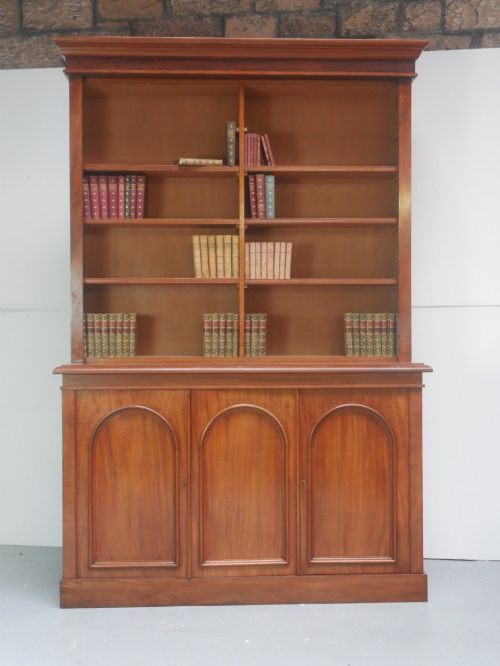
The pieces on this page span the Victorian, Edwardian, and Regency eras alongside early twentieth-century examples. You will frequently meet open bookcases constructed in oak or mahogany, often fitted with adjustable shelves to accommodate varying book sizes. Larger formats include breakfront library bookcases and tall multi-section units designed for substantial collections.
Originating across periods such as the nineteenth century, 1920, and 1910, these items reflect the craftsmanship of past decades through solid timber construction. Styles range from Victorian and Edwardian to Queen Anne Revival and French Provincial. Buyers select these bookcases to integrate historic utility and traditional materials into contemporary interiors.

How they were made
Craftsmen built traditional library shelving using dense hardwoods like mahogany, oak, walnut, and rosewood, occasionally incorporating pine for internal components and brass for hardware. Timber selection prioritised both structural integrity and decorative grain patterns, such as burr walnut figure or golden oak quarter-sawing.
Construction techniques focused on stability to support heavy rows of books over long periods. Many examples incorporate adjustable shelf mechanisms, allowing owners to alter internal heights using wooden supports or brass fittings within the bookcase carcase.
Several bookcases boast adjustable shelves, ready to accommodate your tallest folios or shortest paperbacks without complaint.
What varies in quality
Quality in these pieces depends on the selection of timber and the sophistication of the joinery. Superior examples utilise solid mahogany, oak, or burr walnut with careful attention to grain alignment across the facade, whereas simpler pieces rely on standard plank construction.
The integration of functional elements also separates tiers of production. Breakfront layouts, multi-section configurations, and finely engineered adjustable shelving systems distinguish substantial library bookcases from standard domestic shelving.
Waring and Gillows
The Traditional Library Shelving Glossary
- Breakfront
- A piece of furniture whose central section projects forward from the flanking outer sections. This architectural arrangement adds depth and visual interest to large library bookcases.
- Waterfall bookcase
- A shelving unit featuring shelves that step back progressively from bottom to top, creating a profile resembling descending water. These pieces often date from the Regency period.
- Adjustable shelves
- Shelves that can be moved to different heights within the bookcase carcase. This feature allows the user to customise internal spacing for books of various sizes.
- Burr walnut
- Timber taken from a walnut tree outgrowth, prized for its swirling, highly figured grain patterns. It appears on decorative panels and premium Victorian library pieces.
- Quarter-sawn oak
- Timber cut radially across the growth rings, producing a durable board with distinct fleck patterns. It is frequently found in Edwardian and late nineteenth-century oak bookcases.
Traditional Library Shelving: Frequently Asked Questions
What periods do these bookcases cover?
The pieces span the Victorian, Edwardian, and Regency eras, extending into the early twentieth century and the 1920s and 1930s.
Most items originate from the nineteenth and early twentieth centuries, reflecting the traditional cabinet-making standards of those decades.
Are the shelves adjustable on these bookcases?
Many of the listed bookcases feature adjustable shelves, allowing you to alter the internal spacing for different book heights.
This practical feature appears across various oak and walnut examples from the Victorian and Edwardian periods.
What woods were used for these shelves?
Cabinetmakers primarily used mahogany, oak, walnut, and rosewood, occasionally incorporating burr walnut for decorative surfaces.
Pine and brass also appear in auxiliary components and hardware across the collection.
How do I choose between different styles?
Consider the scale of your room and the existing timber tones in your interior when selecting a bookcase style.
Options range from compact open mahogany units to large breakfront oak library bookcases designed for substantial spaces.