

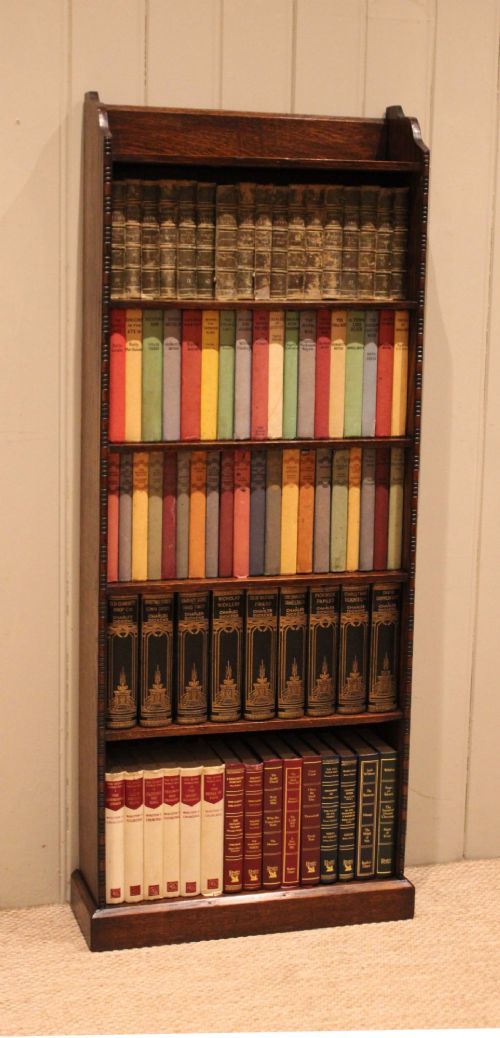



Brown Wood Shelving
Brown wood shelving comprises functional display furniture and storage tiers, offering rich timber tones and practical tiers for books and ornaments.
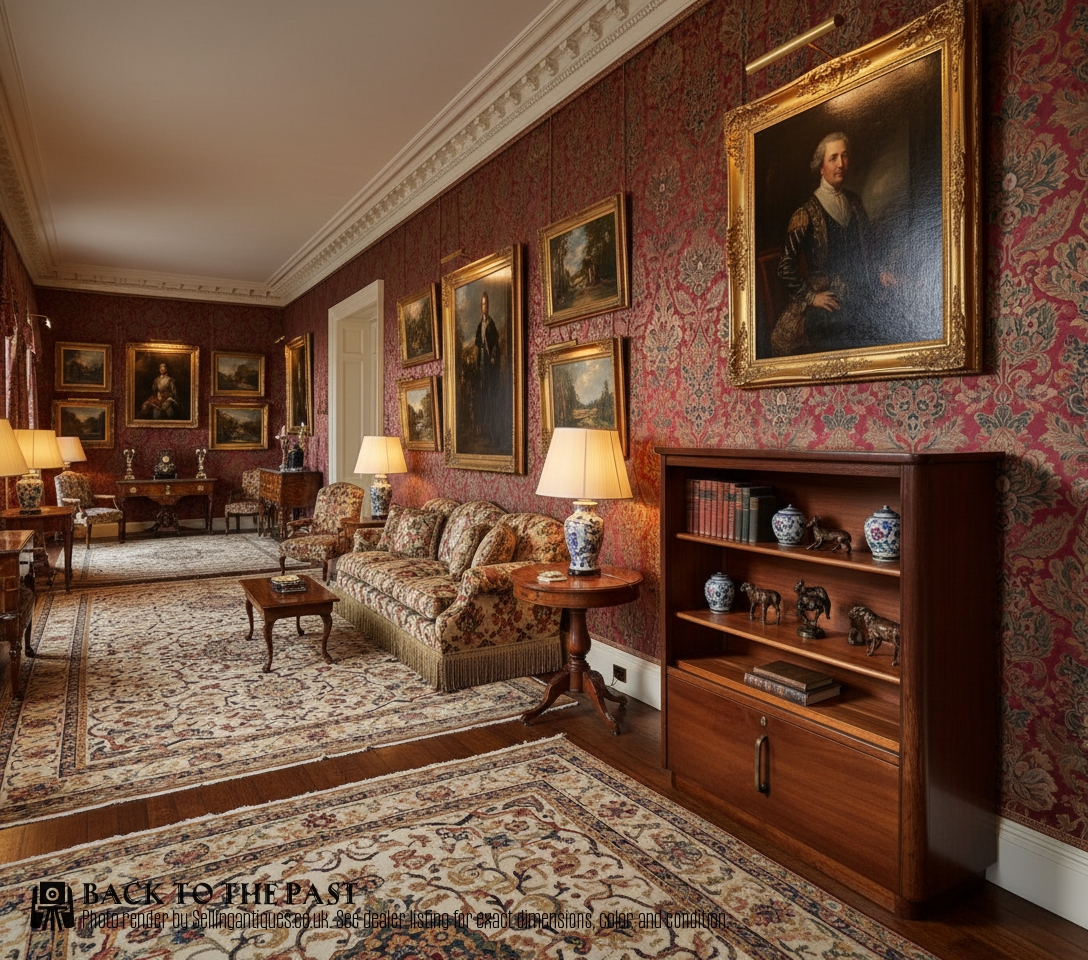
Brown Wood Shelving
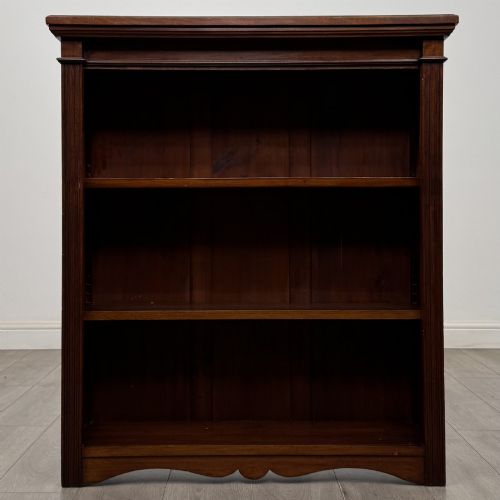
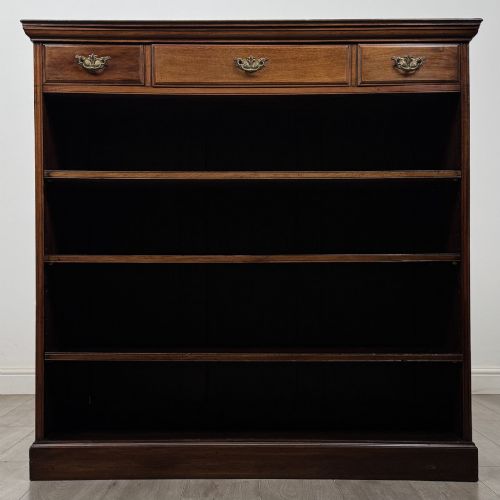
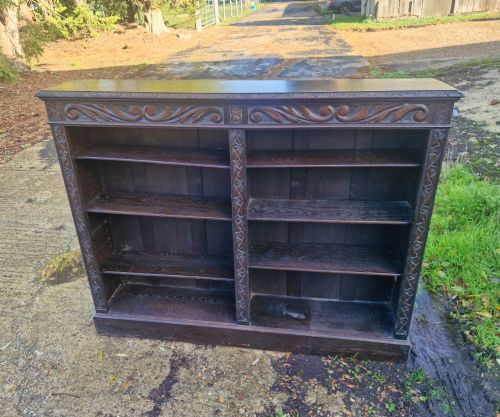
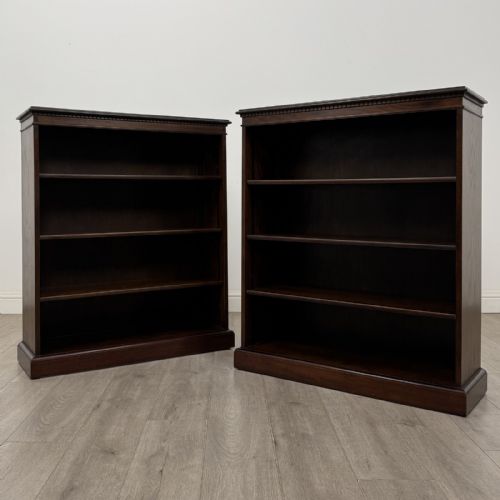
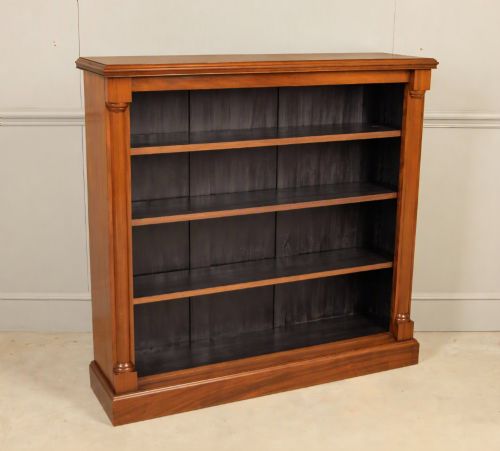
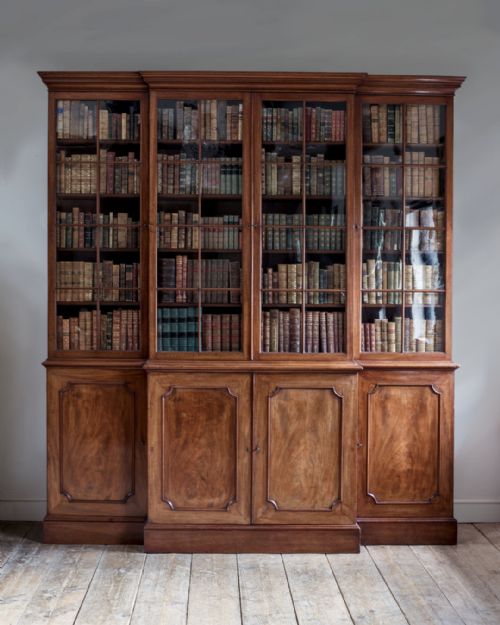
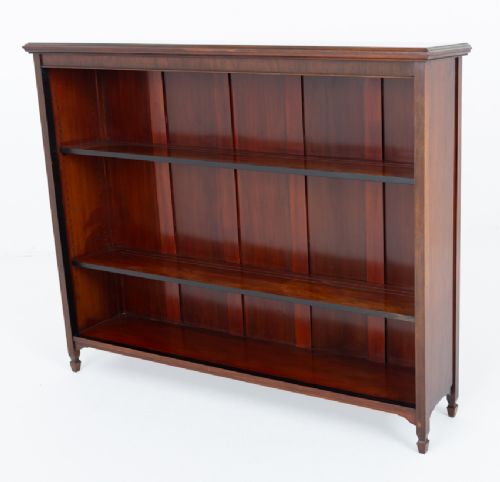
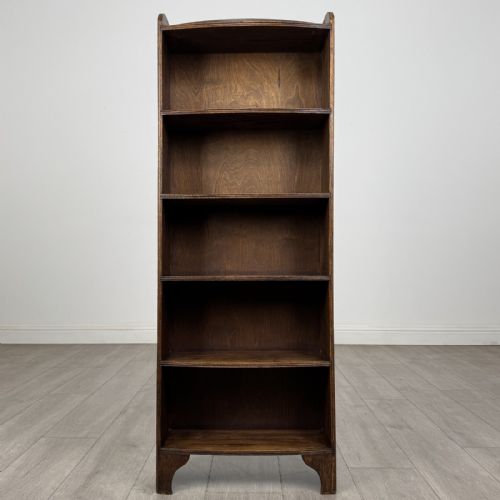
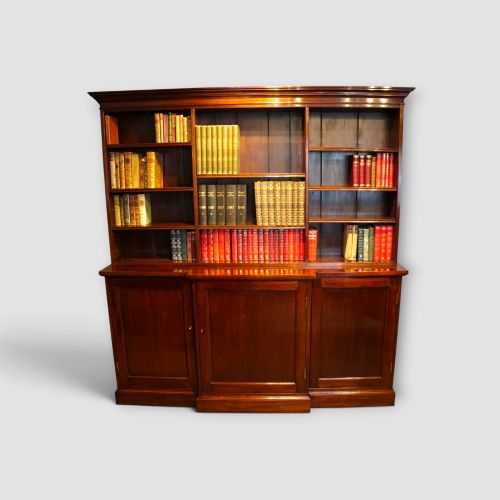
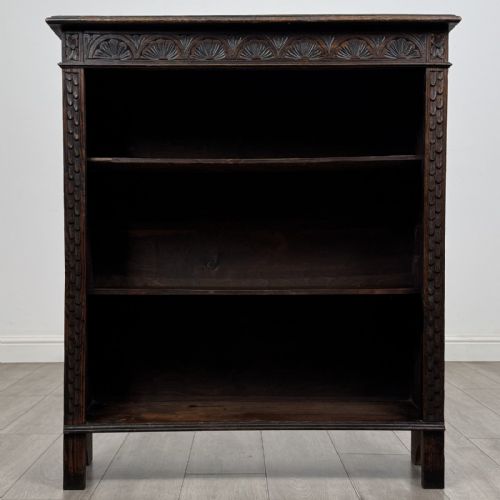
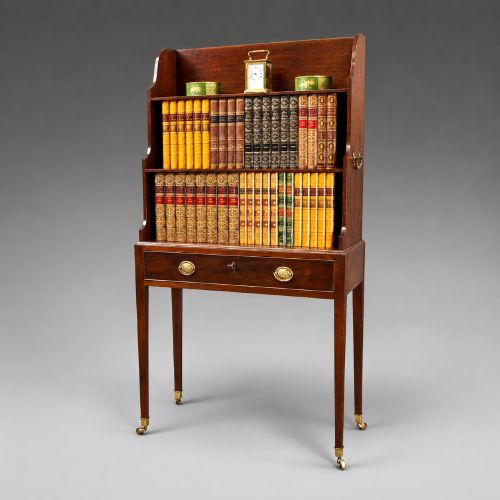
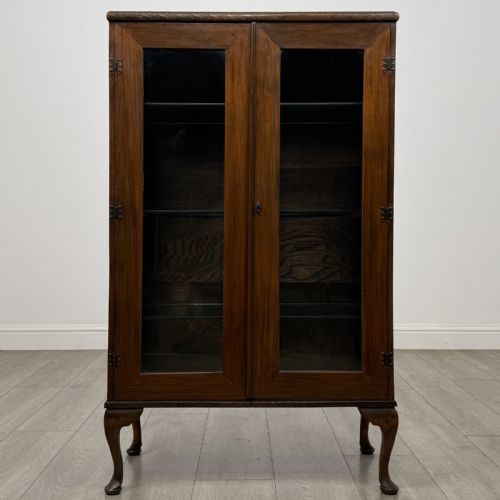
When you examine brown wood shelving, you encounter diverse forms ranging from wall-hanging brackets to substantial library bookcases and multi-tiered whatnots. The pieces span the nineteenth and twentieth centuries, encompassing Victorian, Edwardian, and Regency periods alongside later Art Deco iterations.
Bookcases and open display units dominate the selection, frequently incorporating adjustable shelves or integrated cupboards beneath the open tiers. Wall shelves and hanging brackets provide compact alternatives for smaller spaces, while freestanding bookcases cater to larger collections.
Origins vary between British workshops and continental sources, with styles reflecting Georgian, Arts & Crafts, and revival influences. The primary forms remain practical storage units designed to house books and display decorative objects within domestic interiors.
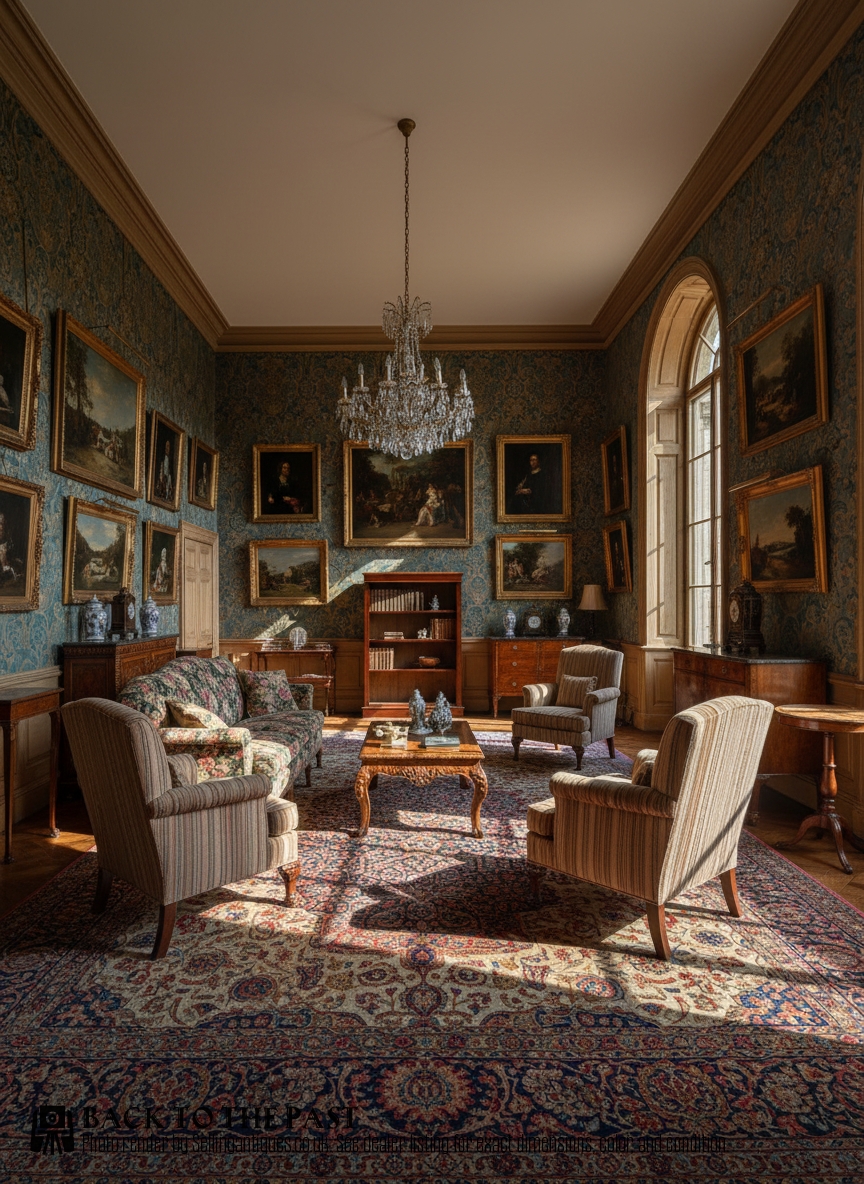
Materials and construction
Makers utilised dense hardwoods such as mahogany, walnut, and oak as the structural foundation for these pieces, often selecting figured veneers like burr walnut or satinwood for decorative surfaces. Secondary timbers appear on internal linings and backboards, whilst brass fittings, ormolu mounts, and glass panels provide functional or ornamental accents.
Joinery techniques combined traditional frame and panel construction with dovetailed drawers and rebated shelf supports, allowing for adjustable tiers in many bookcases and cabinets. Carved ornamentation, barley twist columns, and inlaid stringing lines finished the exterior surfaces of finer examples.
Brown Wood Shelving Retail Price Guide 2026
Typical asking prices for brown wood shelving among the pieces listed under this phrase on Sellingantiques today, from the lower quarter to the upper quarter. They describe what is for sale here now, not the wider market.
Materials recorded across the inventory include mahogany, walnut, burr walnut, oak, teak, ash, satinwood, brass, and glass.
Distinctions in quality
Quality rests upon the selection of timber and the precision of the cabinetmaker's joinery rather than mere age or decorative flourish. Superior examples display carefully matched veneer grains, substantial solid timber framing, and smoothly functioning adjustable shelving mechanisms.
Finer pieces incorporate refined decorative details such as crisp hand-carving, finely cast brass or ormolu mounts, and well-executed string inlay. Lesser examples rely on simpler construction methods, plain timber boards, and basic fixed shelving without architectural distinction.

The Brown Wood Shelving Glossary
- Whatnot
- A multi-tiered piece of freestanding furniture designed for displaying ornaments, small books, or bric-a-brac on open shelves. These structures often feature turned supports or barley twist columns.
- Bookcase
- A piece of furniture consisting of horizontal shelves used for storing books, frequently built as an open unit or enclosed with glazed or wooden doors. Many period variations include adjustable shelving.
- Chiffonier
- A low sideboard or cabinet developed during the nineteenth century, typically combining enclosed lower cupboards with upper shelving or a mirrored back. They served as compact storage in dining and living rooms.
- Ormolu
- Gilt bronze ornamentation mounted onto furniture surfaces as decorative handles, feet, or mounts. This technique adds metallic highlights to rich timber carcases.
Brown Wood Shelving: Frequently Asked Questions
How do I adjust wooden shelves?
Period bookcases often utilise traditional wooden tooth-and-rack supports, brass studs, or movable wooden pegs inserted into vertical side slots to alter shelf heights.
Carefully lift each shelf clear of its supports before repositioning the pegs or ratchets to avoid damaging the internal veneer or housing grooves.
Where should I place wall shelves?
Wall brackets and hanging shelves suit compact rooms, hallways, or kitchen spaces where floor area is limited and vertical wall space remains vacant.
Ensure secure fixings into structural wall studs or masonry to support the weight of books and heavy ceramics safely.
How do I identify a whatnot?
Whatnots are recognised by their stacked open tiers supported on slender corner posts or turned uprights, designed specifically for display rather than heavy book storage.
Many examples date from the Victorian period and feature elaborate walnut or mahogany turning, sometimes incorporating a small drawer at the base.
Are these bookcases suitable for modern books?
Period bookcases vary significantly in shelf depth and internal height, meaning standard modern volumes may occasionally exceed the clearance of older shallow shelves.
Check the internal dimensions and look for adjustable shelf mechanisms which allow greater flexibility for mixed book formats.