



Art Deco Shelving Unit
An art deco shelving unit brings architectural geometry and striking grain patterns into a room, serving as both practical storage and a strong focal point.
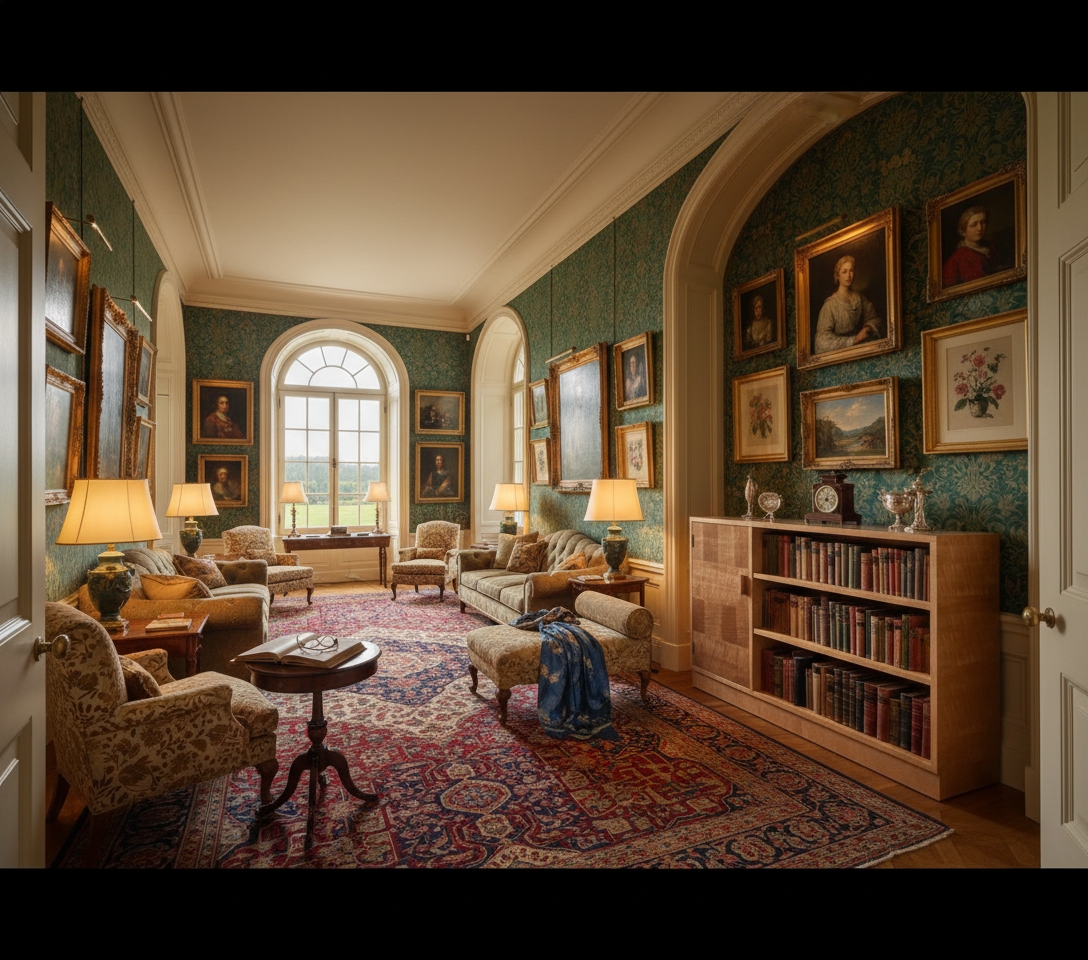
Art Deco Shelving Unit
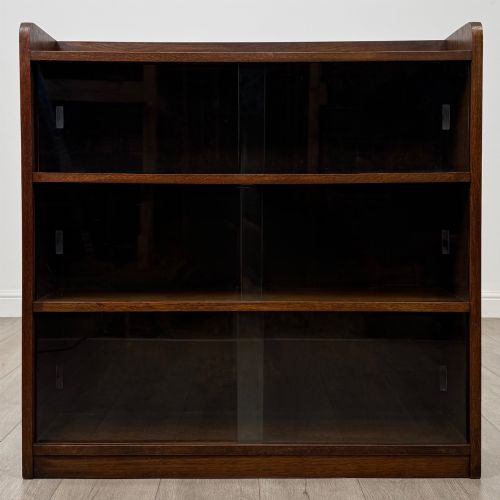
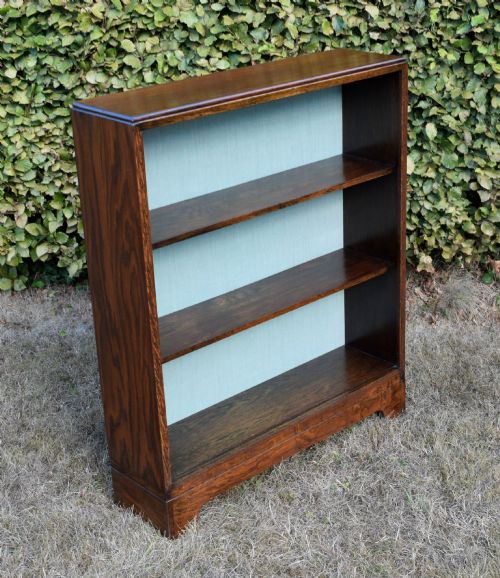
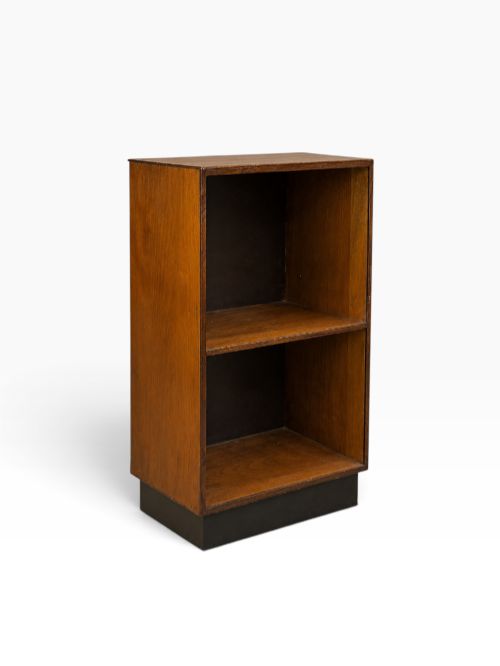
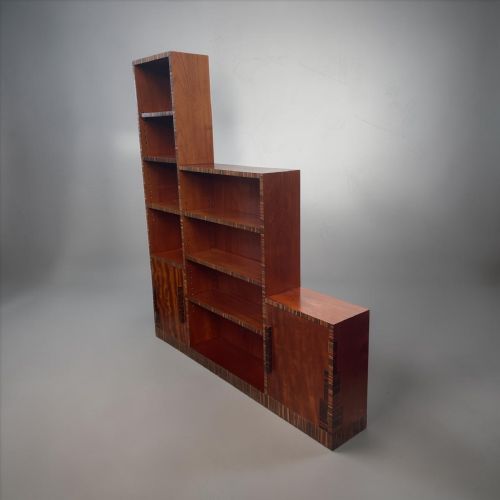
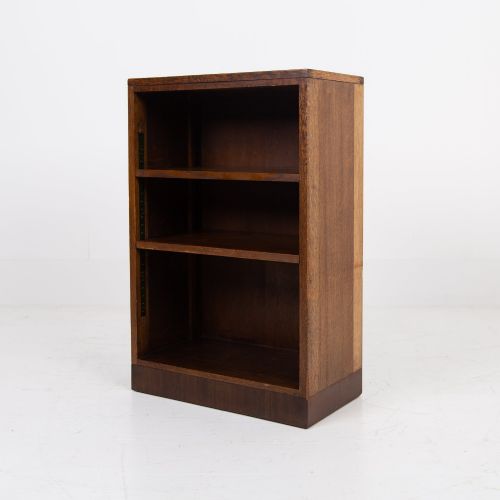
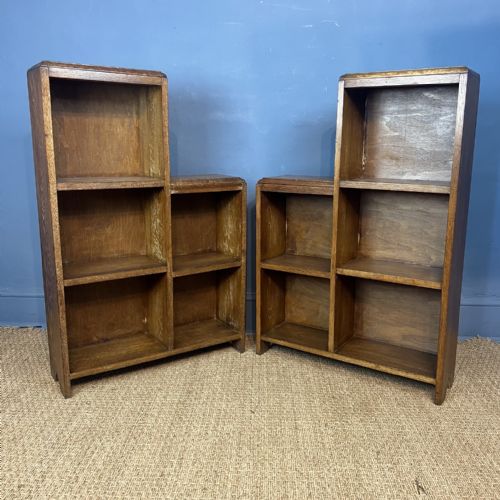
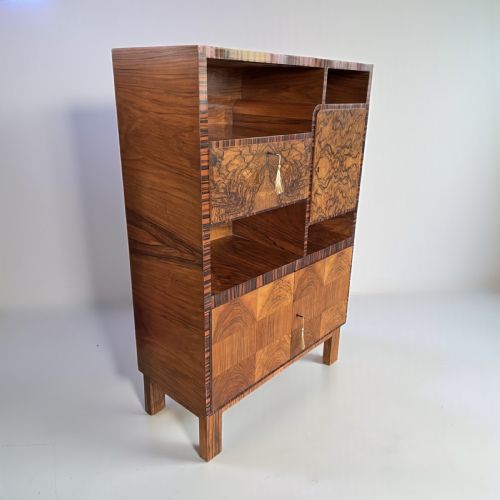
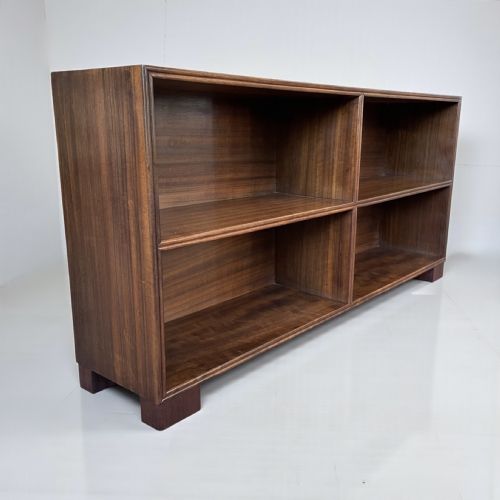
When you search for an art deco shelving unit, you encounter an array of open bookcases, display cabinets, and tiered shelving forms dating primarily from the 1930s. The selection spans distinct silhouettes, including stepped bookcases and waterfall designs, alongside pieces featuring front mouldings or integrated cabinets.
Most examples originate from the 1930s, though related pieces appear from the Edwardian period, the 1910s, and the 1920s. Alongside standard domestic bookcases, you find specialised forms such as leather-topped open bookcases and bronze display shelving.
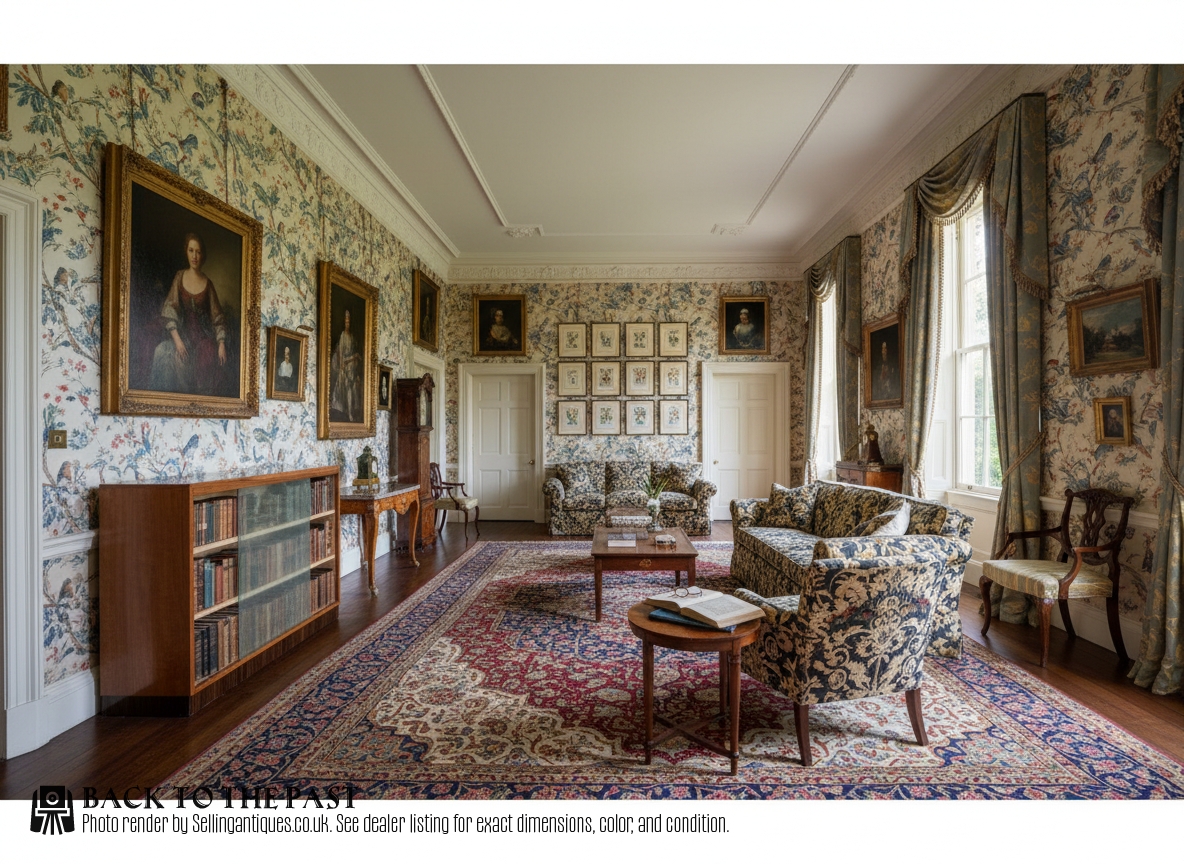
What varies in quality
Quality reveals itself in the selection and matching of veneers, where superior pieces display continuous grain patterns across doors and shelves. The precision of stepped architectural forms and the crispness of applied mouldings further separate standard production from finer cabinet work.
Structural integrity depends on the choice of materials, from solid oak frames to delicate ash and walnut constructions. Finer pieces often feature branded maker attribution, integrated cabinets, or specialised details like leather top surfaces.
Art Deco Shelving Unit Retail Price Guide 2026
Typical asking prices for art deco shelving unit among the pieces listed under this phrase on Sellingantiques today, from the lower quarter to the upper quarter. They describe what is for sale here now, not the wider market.
Some shelves come with a leather top, presumably so you could check your shares while organising your novels.
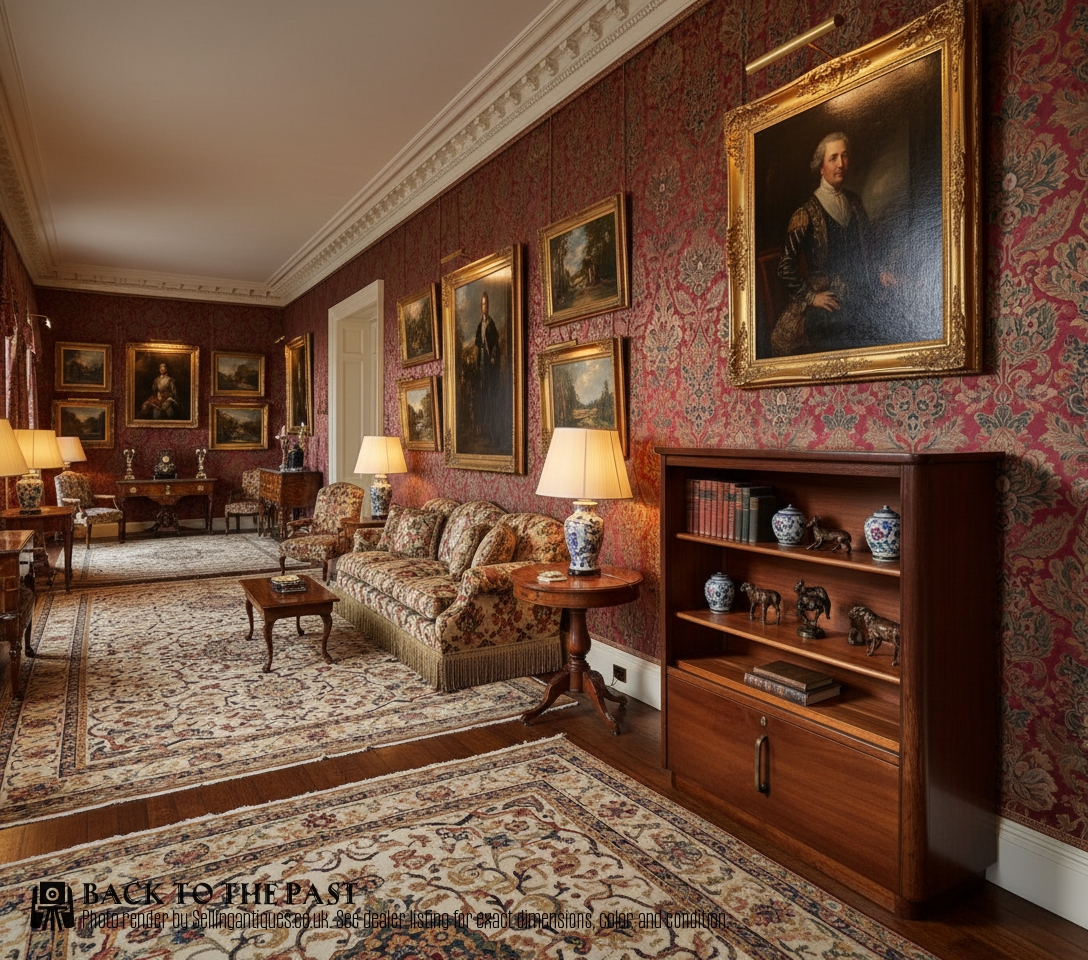
Betty Joel·Maurice Adams·Sandberg & Co
The Art Deco Shelving Unit Glossary
- Art Deco
- A design style characterised by streamlined forms, geometric shapes, and stepped silhouettes. It dominated decorative arts during the 1920s and 1930s.
- Waterfall bookcase
- A shelving form featuring rounded, descending tiers that step down in a curved cascade. This design was popular during the early twentieth century.
- Veneer
- A thin layer of finely figured wood applied over a secondary timber base. Walnut veneer is frequently encountered on pieces from this era.
- Stepped bookcase
- A shelving unit designed with ascending or descending tiers that create a distinct zig-zag or stepped profile. This configuration echoes skyscraper architecture of the period.
- Ebonisation
- A wood finishing process that darkens timber to resemble ebony. It was often applied to open bookcases to create a stark, modern contrast.
Art Deco Shelving Unit: Frequently Asked Questions
What is an art deco shelving unit?
An art deco shelving unit is a piece of storage furniture from the interwar period, defined by geometric lines, stepped profiles, and striking wood veneers. These units function as open bookcases, display cabinets, or tiered shelving.
They combine display space with architectural presence, reflecting the modernist design priorities of the 1930s.
How do I date an art deco shelving unit?
Dating relies on stylistic markers such as stepped silhouettes, waterfall curves, and specific timber choices like walnut veneer or ash. Most pieces originate from the 1930s, though related designs appear from the 1920s and Edwardian eras.
Maker attribution stamps and construction techniques also help establish the exact period of manufacture.
What woods were used for these shelves?
Cabinet makers utilised a range of domestic and exotic timbers, most notably oak, walnut, ash, and mahogany. Walnut veneer was frequently applied to create decorative grain patterns across flat panels.
Secondary materials such as brass, glass, and ebonised timber often complement the primary wood structure.
How do I style an art deco shelving unit at home?
These units suit spaces that benefit from strong architectural lines and warm wood tones. They work well as central display areas for books, ceramics, and decorative objects.
Keep surrounding decor complementary to let the geometric forms and grain patterns remain the visual focus.