
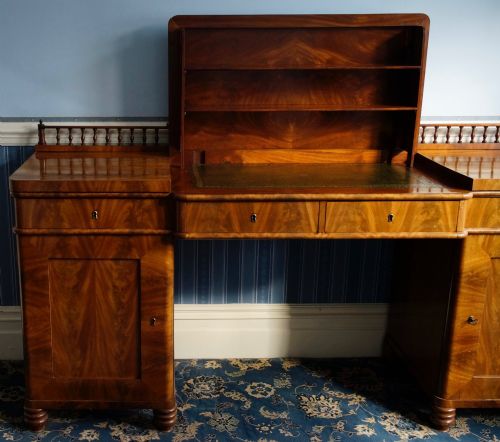
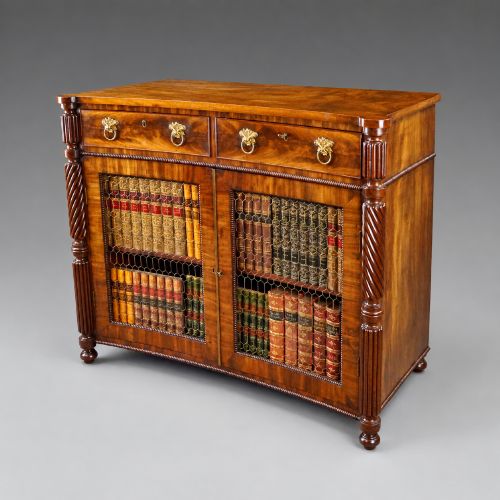
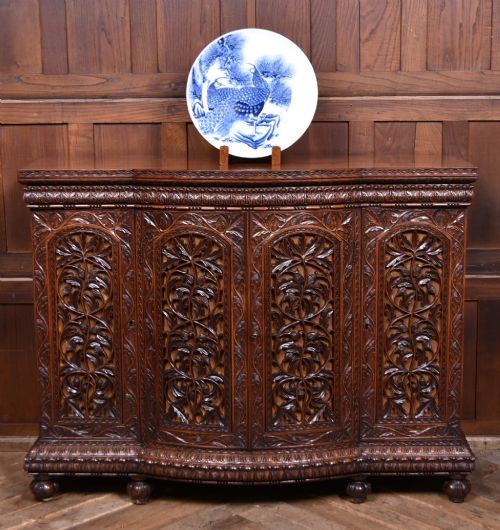
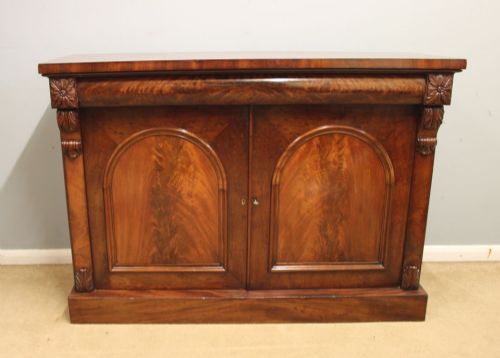
Vintage Wood Credenza
A vintage wood credenza offers generous storage and grounding presence, spanning periods from the eighteenth century through the 1930s.
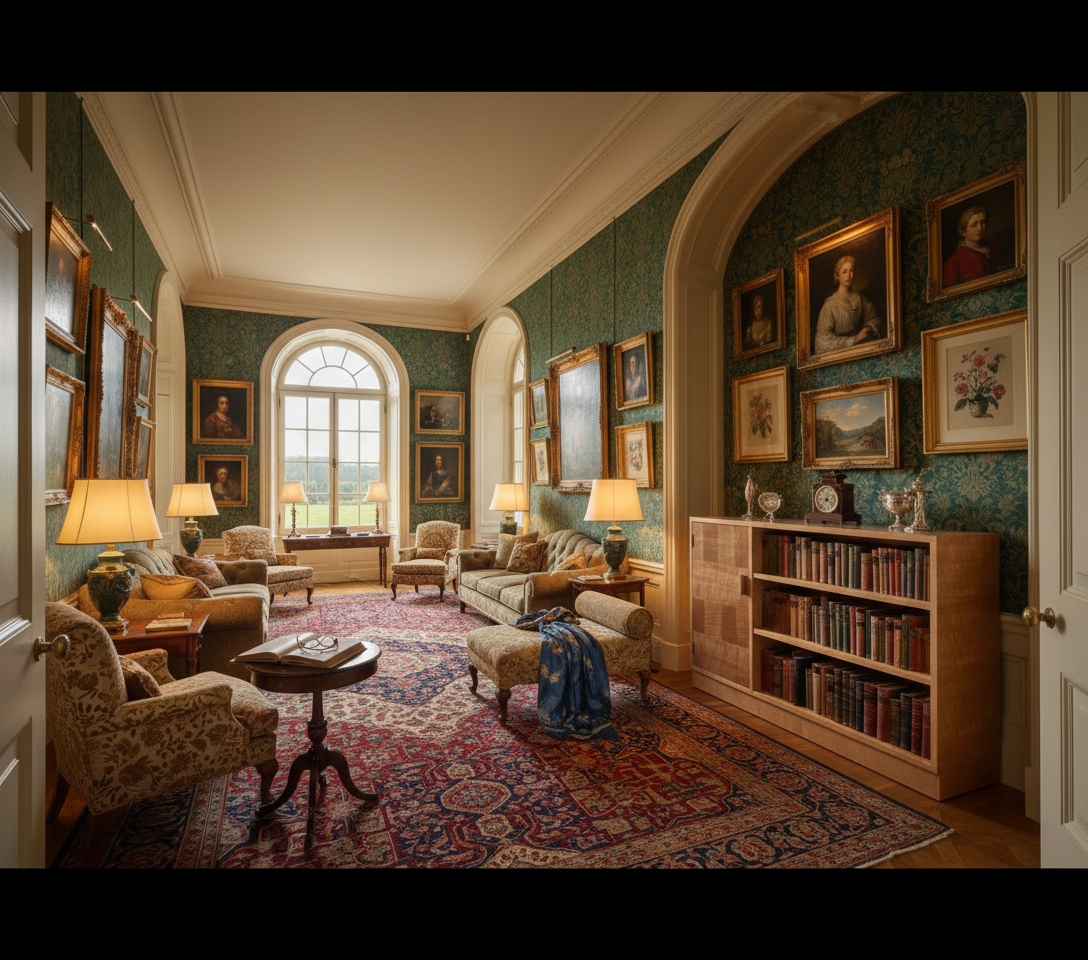
Vintage Wood Credenza
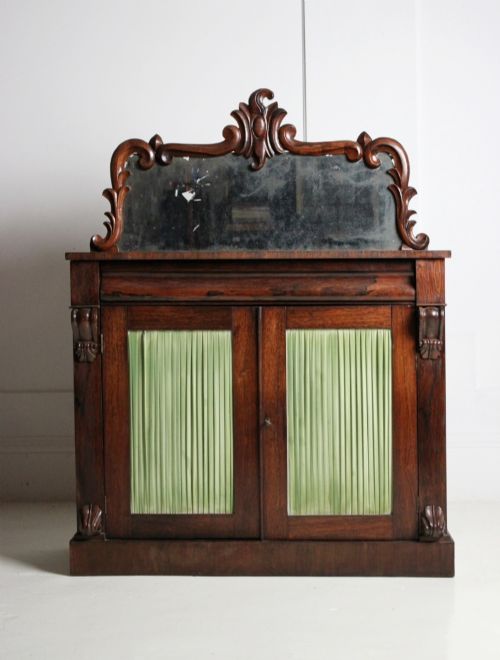
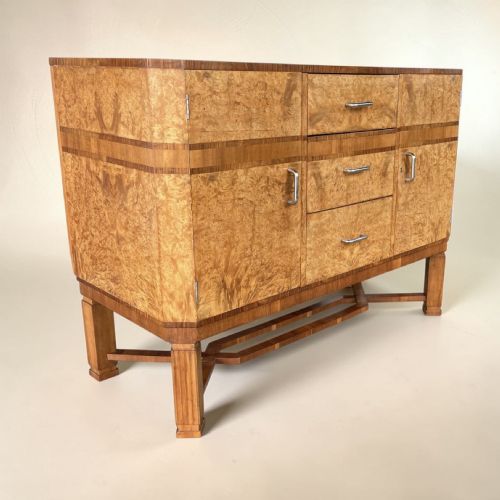
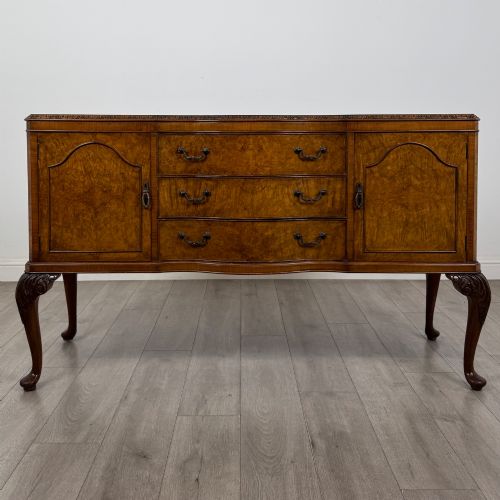
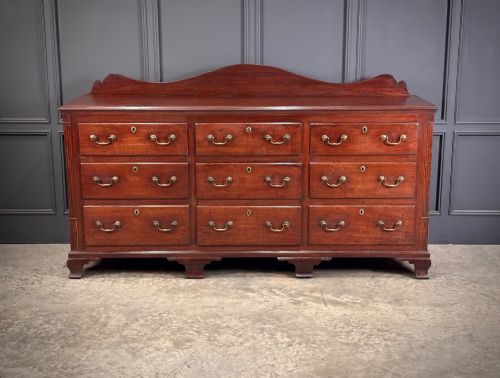
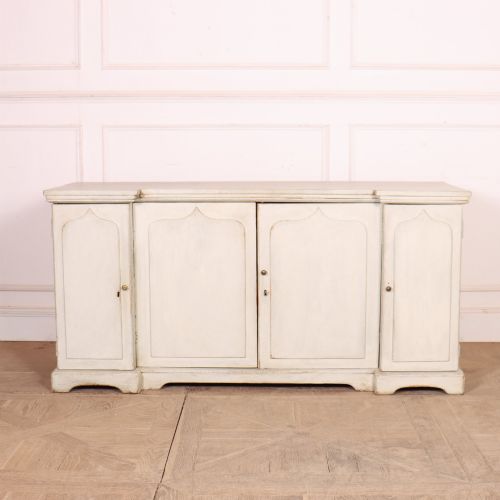
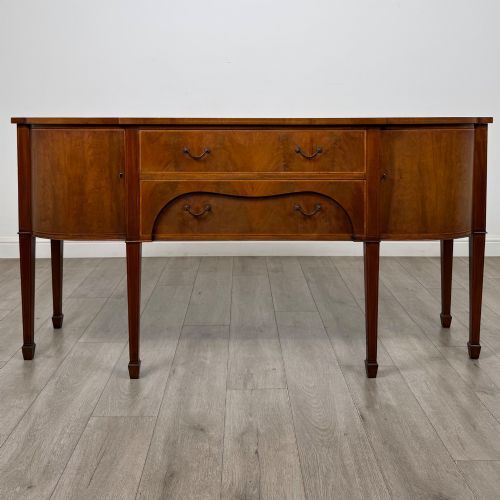
A vintage wood credenza encompasses a broad selection of large storage furniture, including sideboards, side cabinets, dresser bases, and chiffoniers. These items serve dining rooms and living spaces, providing surface area and internal capacity for tableware and linens.
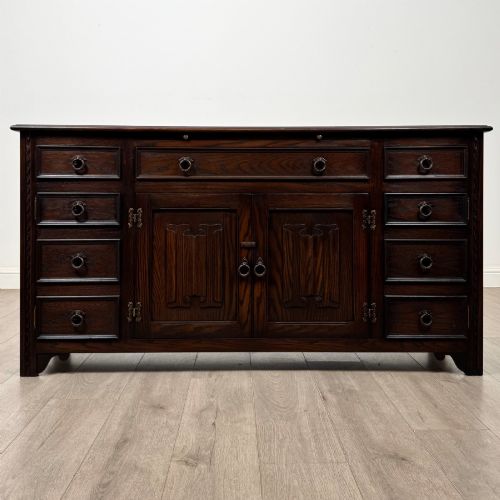
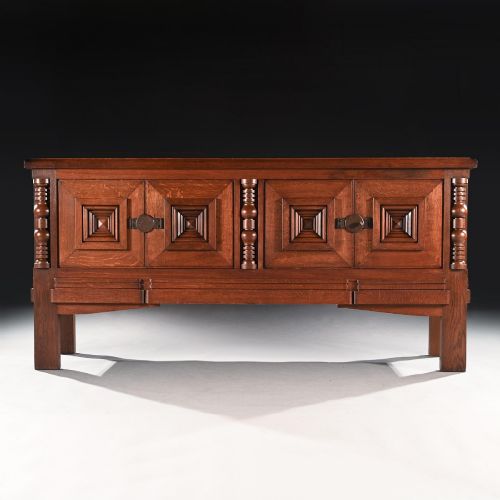
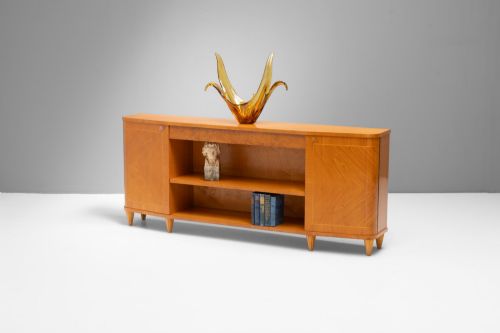
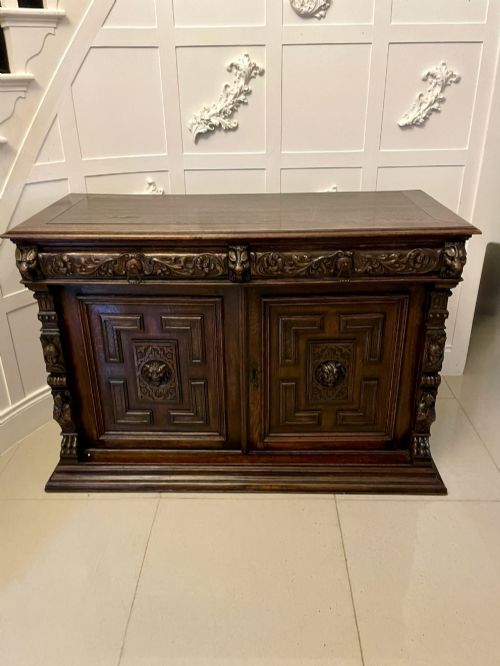
The pieces on this page originate from diverse eras, spanning the eighteenth century, the Victorian and Edwardian periods, and into the 1920s and 1930s. Mahogany and oak dominate the forms, alongside burr walnut, satinwood, padouk, and fruit wood.
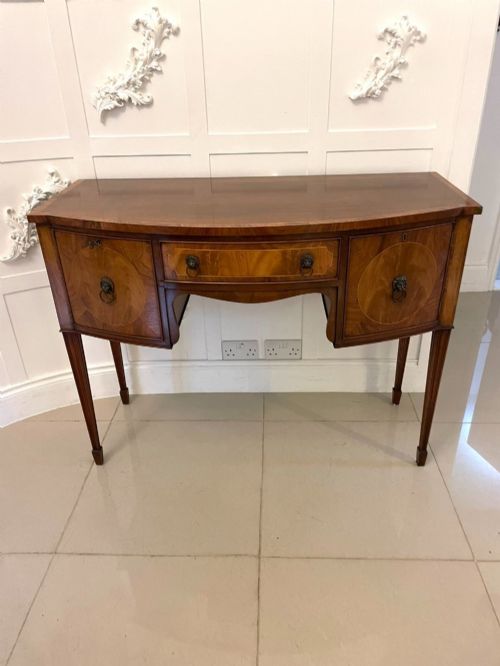
Makers and designers expressed these forms through various stylistic revivals, notably Georgian, Regency, Sheraton Revival, Jacobean Revival, and Gothic Revival. Buyers frequently encounter mahogany bow fronts, oak dresser bases with potboards, and inlaid side cabinets.
How they were made
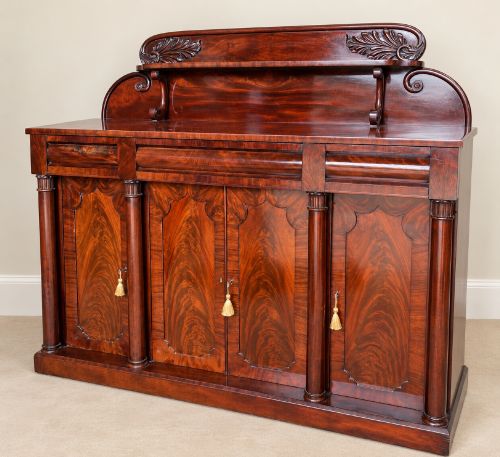
Cabinet makers utilised solid timber and veneers, selecting mahogany, oak, and walnut for primary structures and decorative surfaces. Flame mahogany and burr walnut provided striking grain patterns for drawer fronts and doors.
Listings span multiple eras from the eighteenth century through the 1930s, featuring oak, mahogany, walnut, and satinwood.
What varies in quality
Quality rests in the selection of timber figures, such as matched flame mahogany or intricate burr walnut, paired with precise joinery and well-executed carving. Secondary woods and structural soundness indicate the diligence of the original workshop.
Hardware and secondary materials alter the character of a piece, from cast brass handles and lion paw feet to marble inserts and inlaid marquetry. Finer examples display harmonious proportions and restrained detailing suited to their specific stylistic period.
The Vintage Wood Credenza Glossary
- Credenza
- A sideboard or low cabinet used for storage and serving. These pieces typically feature cupboards and drawers arranged horizontally.
- Bow front
- A cabinet front that curves outward in a convex sweep. This shape gained popularity during the Georgian and Regency periods.
- Dresser base
- A low wooden storage unit with drawers or cupboards, occasionally featuring an open potboard beneath. They originate from country houses and provincial kitchens.
- Chiffonier
- A compact sideboard or tall cabinet equipped with doors and shelves. Victorian and Regency examples frequently incorporate mirror backs.
- Secretaire
- A cabinet containing a pull-down writing drawer fitted with small compartments and pigeon holes. This dual-purpose furniture combines storage with a writing surface.
Vintage Wood Credenza: Frequently Asked Questions
What is a vintage wood credenza used for?
These pieces provide substantial storage capacity for dining rooms, hallways, and living spaces. They hold tableware, linens, and everyday objects while supplying a flat surface for lamps or display.
Their interior shelving and drawers accommodate diverse household items, combining practical utility with period character.
How do I identify a Georgian sideboard?
Georgian sideboards typically feature straight or bow fronts constructed from solid mahogany with subtle inlay work. They rely on clean architectural lines and well-proportioned legs rather than heavy carving.
Makers of this era focused on timber selection and restrained classical ornament, distinguishing their work from later Victorian revivals.
What distinguishes an Edwardian cabinet?
Edwardian cabinets often showcase lighter woods like satinwood or mahogany with delicate marquetry inlay. They frequently reflect Sheraton Revival influences through symmetrical designs and tapered legs.
These pieces tend to feel lighter in scale compared to heavy Victorian oak furniture, suiting varied interior settings.
Are oak dresser bases rustic?
Oak dresser bases and sideboards often display provincial or country styling, occasionally featuring potboard bases or visible grain. They derive from English, French, and Dutch traditions.
Their robust construction and simpler aesthetic separate them from formal metropolitan dining furniture.
How do I care for a wood sideboard?
Maintain wood surfaces by keeping them away from direct sunlight and sudden temperature shifts. Regular dusting and occasional wax application preserve the finish of antique mahogany and oak.
Avoid excessive moisture and protect the timber from heat damage using appropriate mats.