
Antique Low Bookcase Cabinet
An antique low bookcase cabinet solves the perennial shortage of surface room while keeping volumes close to hand.
Antique Low Bookcase Cabinet
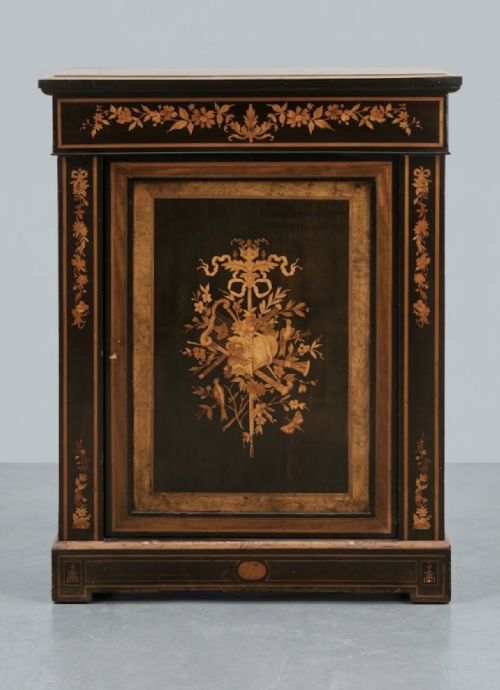
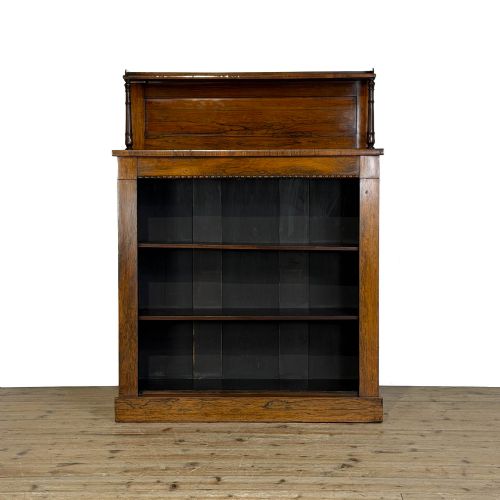
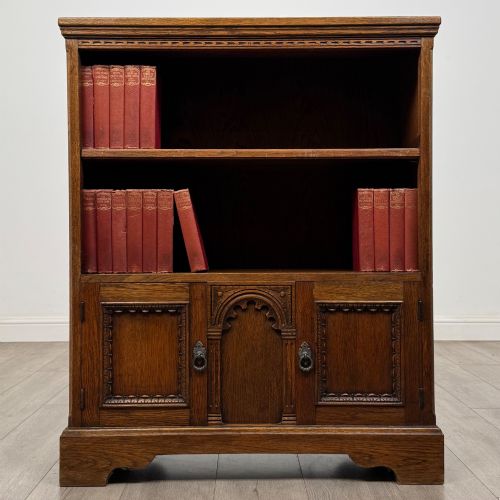
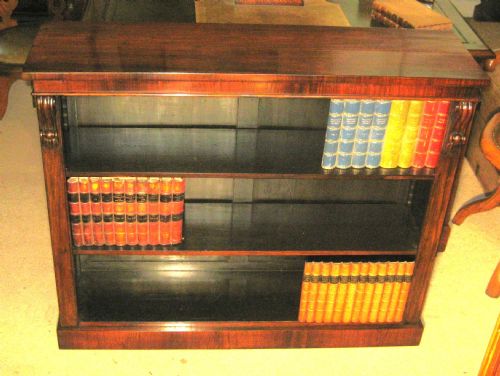
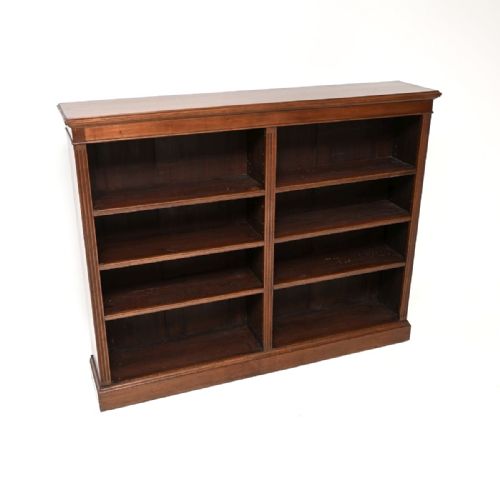
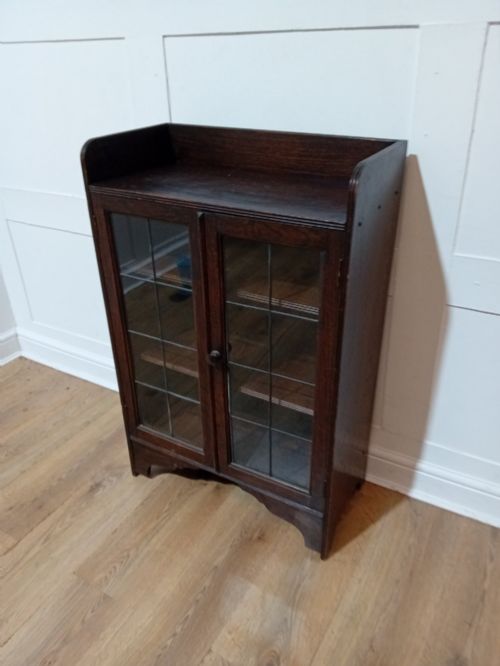
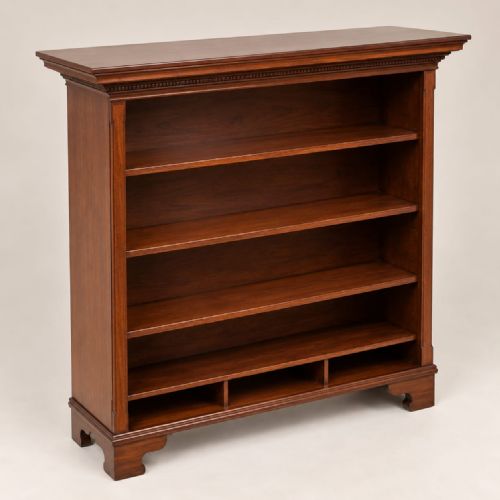
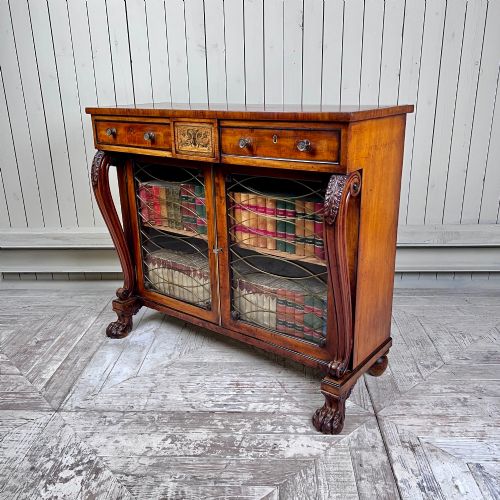
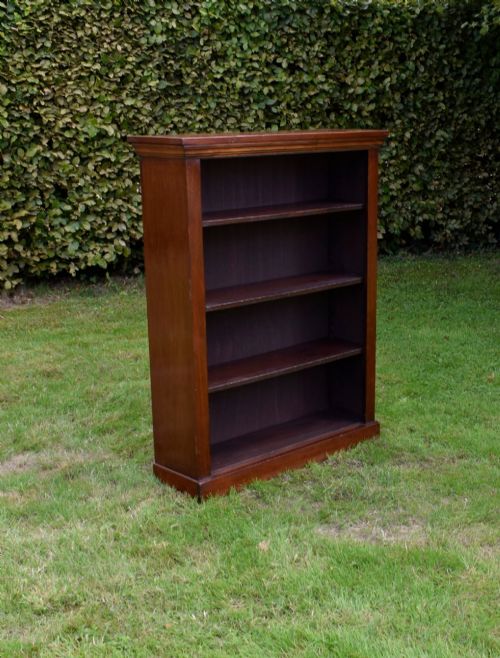
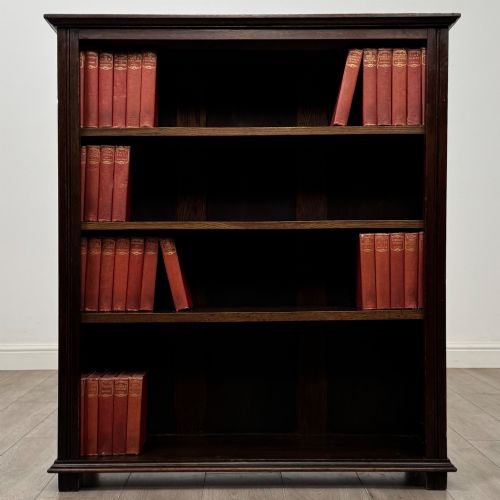
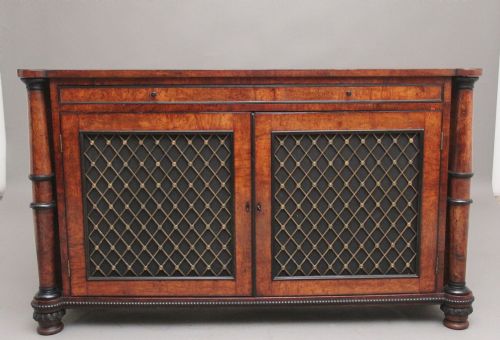
An antique low bookcase cabinet combines the open accessibility of shelving with enclosed cupboard storage, remaining low enough in stature to sit beneath a window or display decorative objects on top.
The pieces appearing on this page span several decades and eras, most commonly emerging from Victorian, Regency, and Edwardian periods.
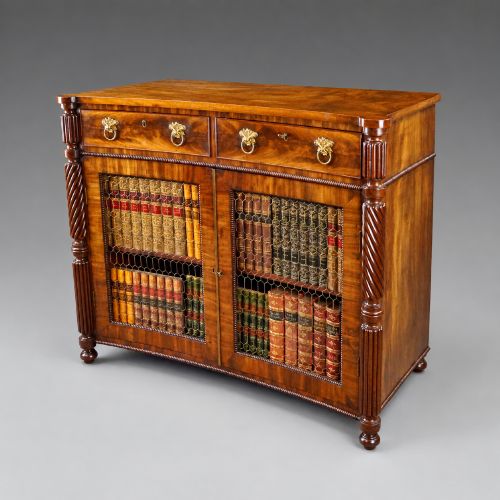
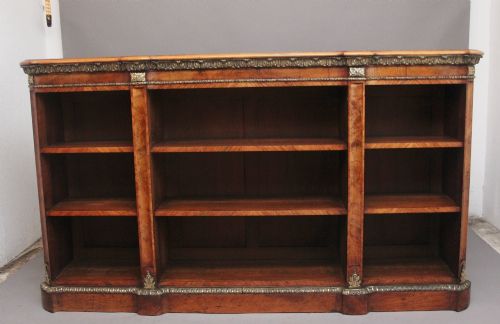
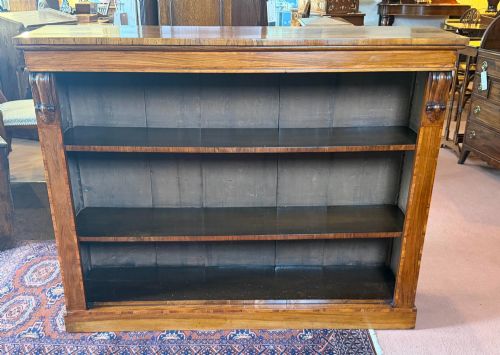
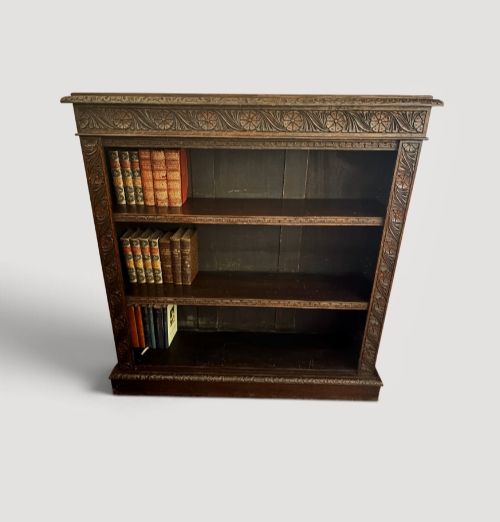
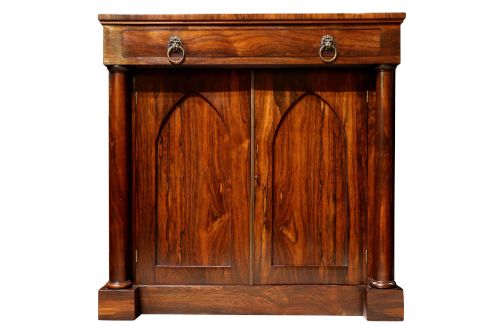
Buyers frequently encounter variations such as open bookcases, glazed display cabinets, and chiffoniers with panelled doors or side cabinets.
Materials and construction
Cabinet makers relied primarily on timbers like mahogany, oak, rosewood, walnut, and burr walnut, selecting figured or flame grains to create visual depth on flat surfaces.
Fine decorative detailing often includes brass, ormolu, ebony, and bronze mounts, alongside intricate hand-carving and beaded edges.
Glazing appears on selected cabinets to protect sensitive volumes, while adjustable shelving systems offer practical adaptability for varying book sizes.
The documented periods range from Georgian and Regency through William IV, Victorian, Arts and Crafts, and Edwardian eras.
What separates examples
Quality rests heavily on the selection of timber, where tightly figured flame mahogany or richly grained burr walnut elevates a piece far above plain utility furniture.
Refinement shows in secondary touches such as precise brass inlay, bronze mounts, or finely executed carvings rather than mass-produced uniformity.
Structural integrity, original hardware, and smoothly functioning doors or adjustable shelves distinguish superior workshop production.
Johnstone and Jeanes·Gillows
The Antique Low Bookcase Cabinet Glossary
- Chiffonier
- A low sideboard or cabinet, typically featuring enclosed cupboards beneath a shelf or upper tier, frequently found in Regency and Victorian homes.
- Breakfront
- A piece of furniture whose central section projects forward from the flanking wings, creating a distinguished architectural silhouette.
- Ormolu
- Gilded bronze applied as decorative mounts to furniture, adding metallic warmth and contrast to dark woods like walnut and mahogany.
- Pollard oak
- Oak timber taken from trees that have been pollarded, producing a tightly swirled, knotty grain highly prized for decorative cabinet doors.
- Dwarf cabinet
- A traditional term for a low-standing cabinet or bookcase designed to sit well below eye level.
Antique Low Bookcase Cabinet: Frequently Asked Questions
Where should I place a low bookcase cabinet?
These cabinets suit living rooms, studies, and hallways where height is restricted by windows or artwork. Their low profile preserves sightlines across a room while offering surface space for lamps or ornaments.
Position them away from direct heat sources to protect timber veneers and solid mahogany or walnut structures from drying out.
How do I adjust wooden shelving?
Many period bookcases feature brass rack strips inset into the interior sides, allowing small metal clips to support shelves at precise intervals. Simply lift the shelf slightly to disengage the supports and reposition them into the desired slots.
Take care when adjusting older shelves to avoid splintering dry historical timbers within the cabinet interior.
Can these cabinets hold heavy books?
Solid mahogany, oak, and rosewood construction provides robust support for substantial volumes. However, older shelves can develop a slight bow over generations of heavy loading.
Period shelves can be gently flipped periodically if sagging occurs, though standard octavo volumes present no difficulty for sturdy timber boards.
How do I distinguish Regency from Victorian pieces?
Regency pieces often display neoclassical restraint, incorporating brass inlay, ebony stringing, and rosewood veneers influenced by classical antiquity. Victorian examples frequently lean towards heavier proportions, richer carving, and darker figured walnut or mahogany.
Examining the construction methods, drawer linings, and secondary woods helps clarify the exact decade of manufacture.