
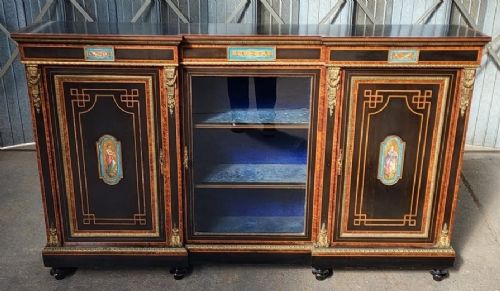
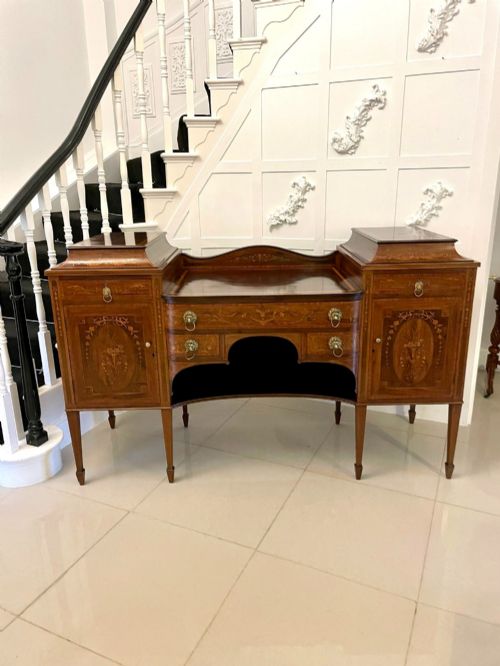
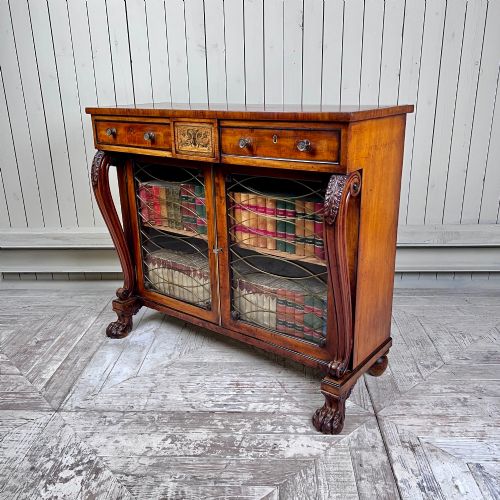
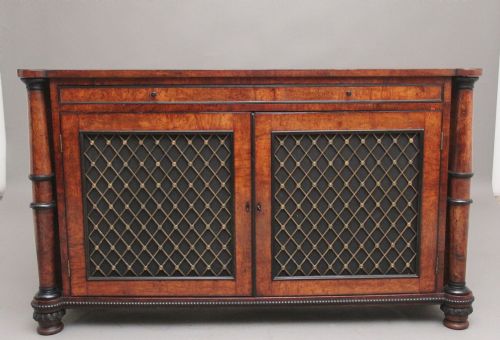
Brass Inlaid Credenza
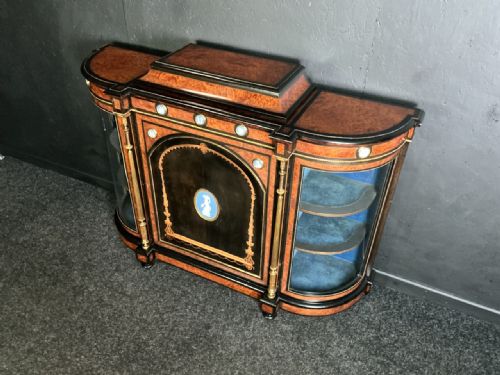
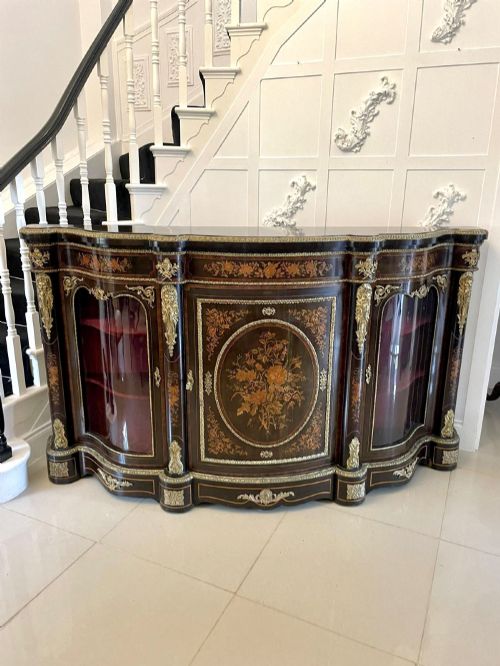
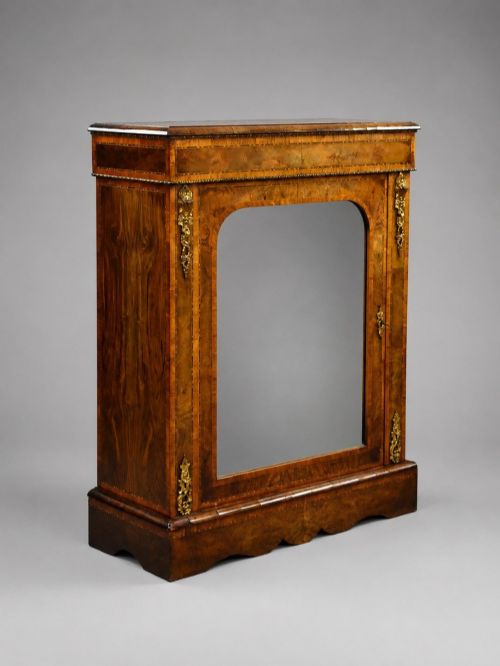
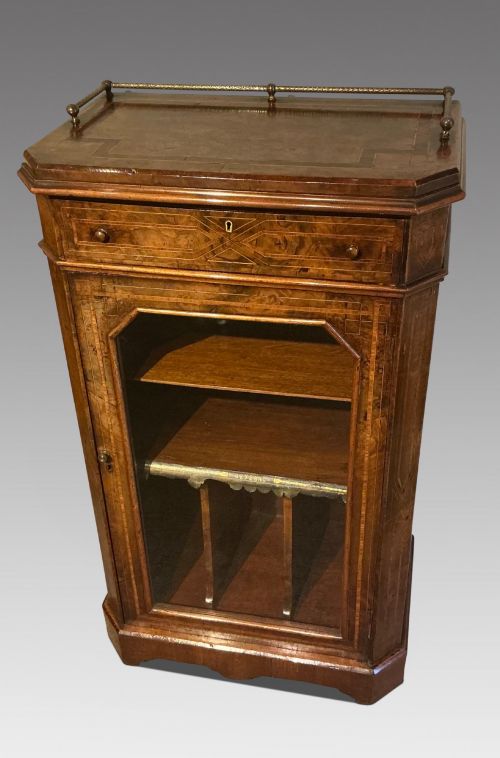
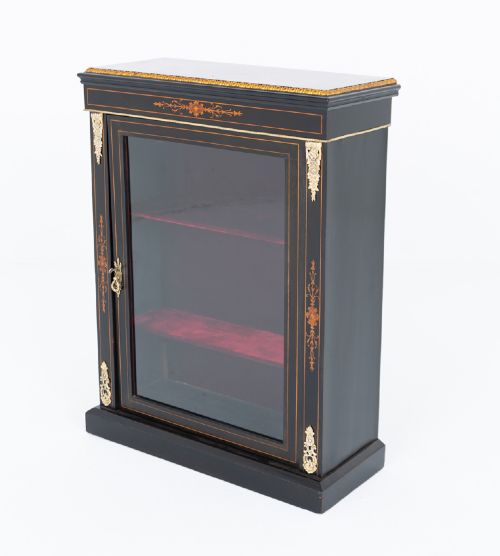
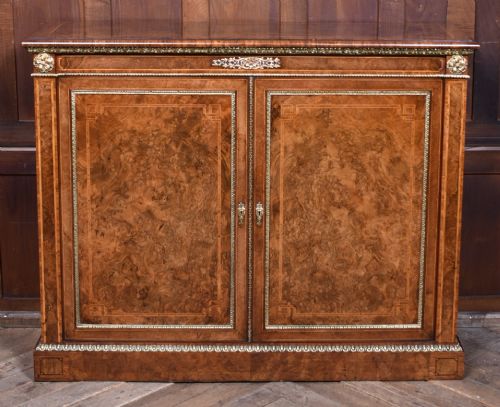
A brass inlaid credenza brings rich timber and bright metalwork together, offering a grand focal point for a formal room.
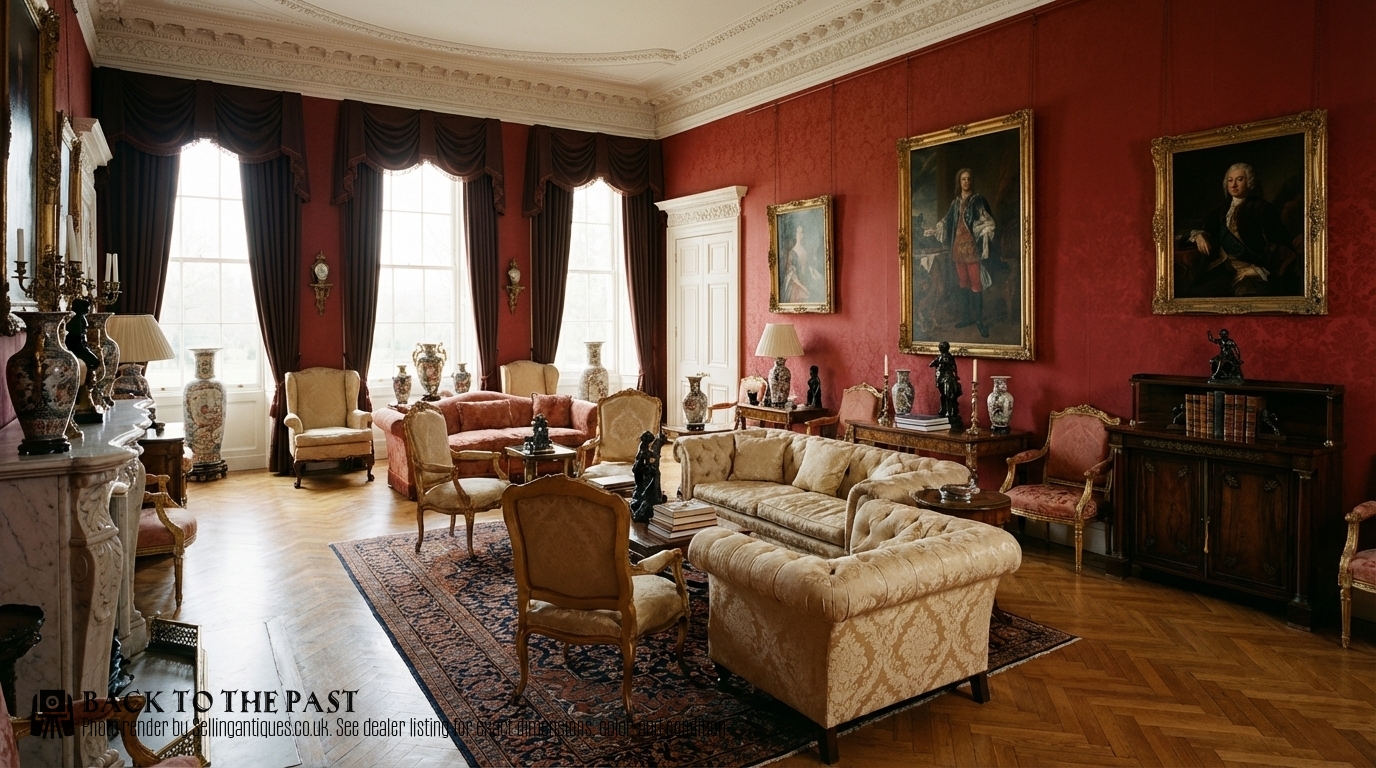
Brass Inlaid Credenza
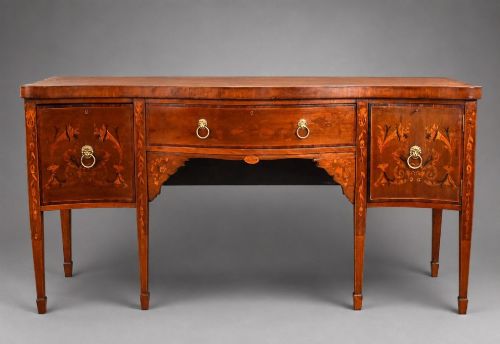
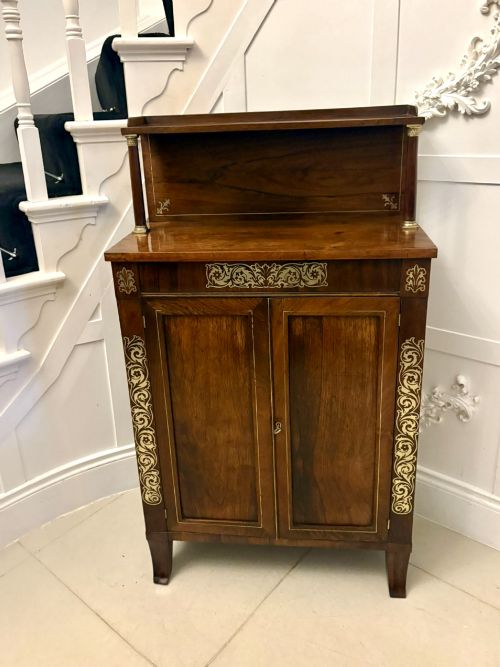
A brass inlaid credenza stands as a refined low storage piece, combining timber cabinetwork with distinct metal detailing. Buyers seeking this form will find examples originating across the nineteenth century.
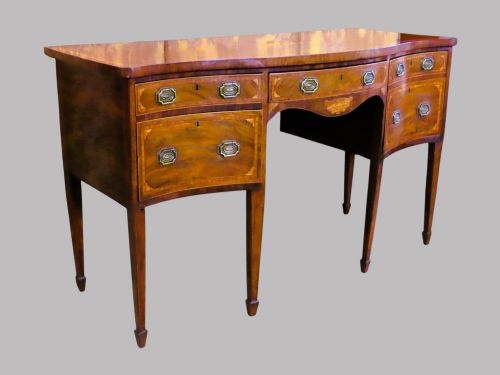
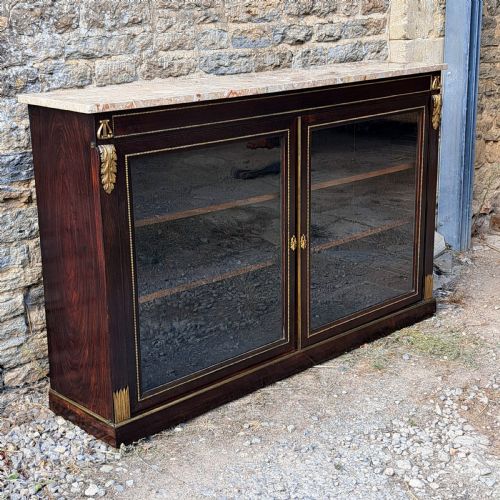
The selections span various forms including side cabinets, chiffoniers, and breakfront credenzas. Regency and Victorian periods dominate the offerings, showing distinct cabinetmaking traditions.
Makers utilised rich primary woods such as rosewood, mahogany, and ebonised timber as a dark ground for bright brass work. These pieces functioned historically to display porcelain or store dining silver.
How They Were Made
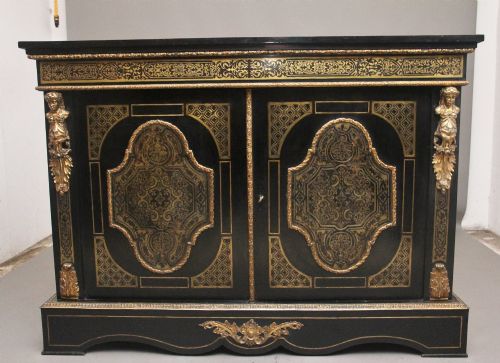
Craftsmen built carcasses from foundational timbers like mahogany and oak, then faced them with decorative veneers of rosewood, walnut, or ebonised wood. Boulle work incorporates tortoiseshell and brass secured directly into the wooden ground.
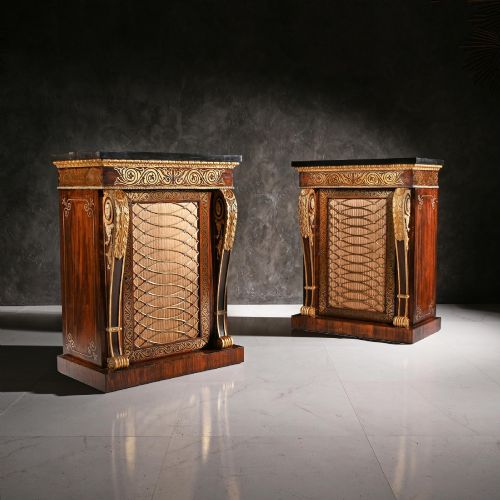
Brass stringing and marquetry inlay required precise hand cutting of channels into the timber surface. Ormolu mounts, cast in bronze and gilded, were screwed or pinned to the corners and borders of the better cabinets.
Brass Inlaid Credenza Retail Price Guide 2026
Typical asking prices for brass inlaid credenza among the pieces listed under this phrase on Sellingantiques today, from the lower quarter to the upper quarter. They describe what is for sale here now, not the wider market.
Tortoiseshell panels paired with polished brass made nineteenth century parlours gleam by candlelight.
What Varies in Quality
The precision of the brass inlay work dictates the baseline of execution. Finer pieces demonstrate tight joints where the metal sits flush with the surrounding veneer, while lesser examples show wider filler lines around the brass.
The choice of secondary timbers and the weight of the ormolu mounts signal the workshop tier. Heavier, finely chased bronze mounts indicate superior production compared to lighter stamped brass alternatives.
Hewetsons London·Louis Constantin Le Gaigneur
The Brass Inlaid Credenza Glossary
- Boulle
- An elaborate form of marquetry using brass and tortoiseshell developed in France. This technique creates a rich tortoiseshell and metal pattern across the cabinet doors.
- Ormolu
- Gilded bronze used for decorative mounts and furniture feet. The technique involves applying a gold amalgam to cast bronze.
- Chiffonier
- A compact sideboard or cabinet featuring shelves above or enclosed storage below. These pieces emerged during the Regency period for smaller drawing rooms.
- Breakfront
- A cabinet design where the central section projects forward from the flanking wings. This architectural form adds depth to large credenzas and bookcases.
- Marquetry
- Decorative veneer patterns formed by fitting together pieces of wood, ivory, or metal. Craftsmen assemble these designs on paper before gluing them to the carcass.
Brass Inlaid Credenza: Frequently Asked Questions
How do I clean brass inlay?
Dust the surface regularly with a soft, dry cloth to prevent dirt accumulation in the metal channels. Avoid liquid polishes that might stain the surrounding rosewood or mahogany veneer.
Apply a microcrystalline wax sparingly to protect both the timber and the brass from atmospheric moisture. Professional conservation remains advisable if the metal begins lifting from the wood base.
Where should I place a credenza?
Position the cabinet against a principal wall in a dining room, hallway, or drawing room where its long profile commands attention. Keep the piece away from direct sunlight and heat sources to protect sensitive veneers from splitting.
Ensure the floor is level so the doors hang true and close evenly within their frames. Allow adequate clearance around the cabinet doors for unobstructed opening.
How do I date a credenza?
Examine the secondary woods inside the carcass, such as oak or deal, alongside the construction methods of the drawer linings. Regency pieces often showcase lighter rosewood and brass stringing, whereas Victorian examples tend toward ebonised finishes and heavy ormolu.
Check for hand-cut screws, backboards, and hinge types to narrow down the manufacturing decade. Stylistic markers like Aesthetic Movement motifs or Napoleon III boulle work point toward the middle and later nineteenth century.
Are these pieces suitable for media storage?
Many side cabinets offer deep interior shelves that accommodate modern electronics provided the dimensions match your equipment. Consider the internal depth and shelf placement before housing larger items.
Consult a restorer regarding discreet cable management modifications if you plan to run cords through the backboards. Preserving the original integrity of antique timber remains a priority for collectors.