

Antique Ebonised Credenza
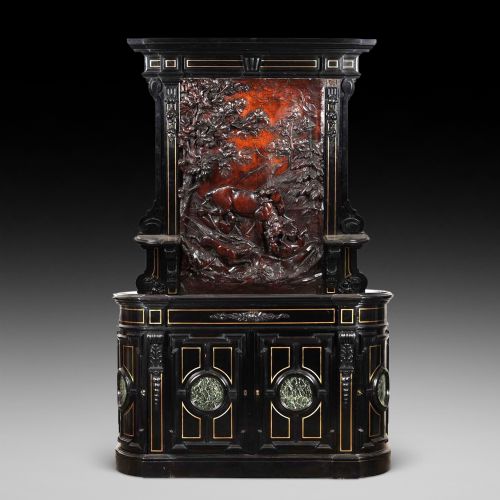
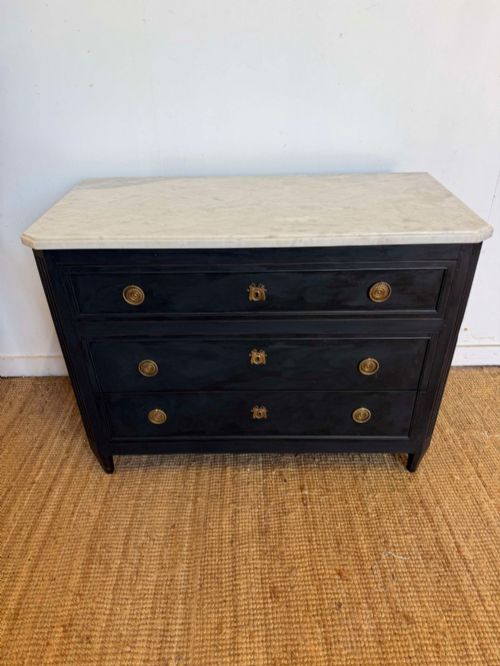
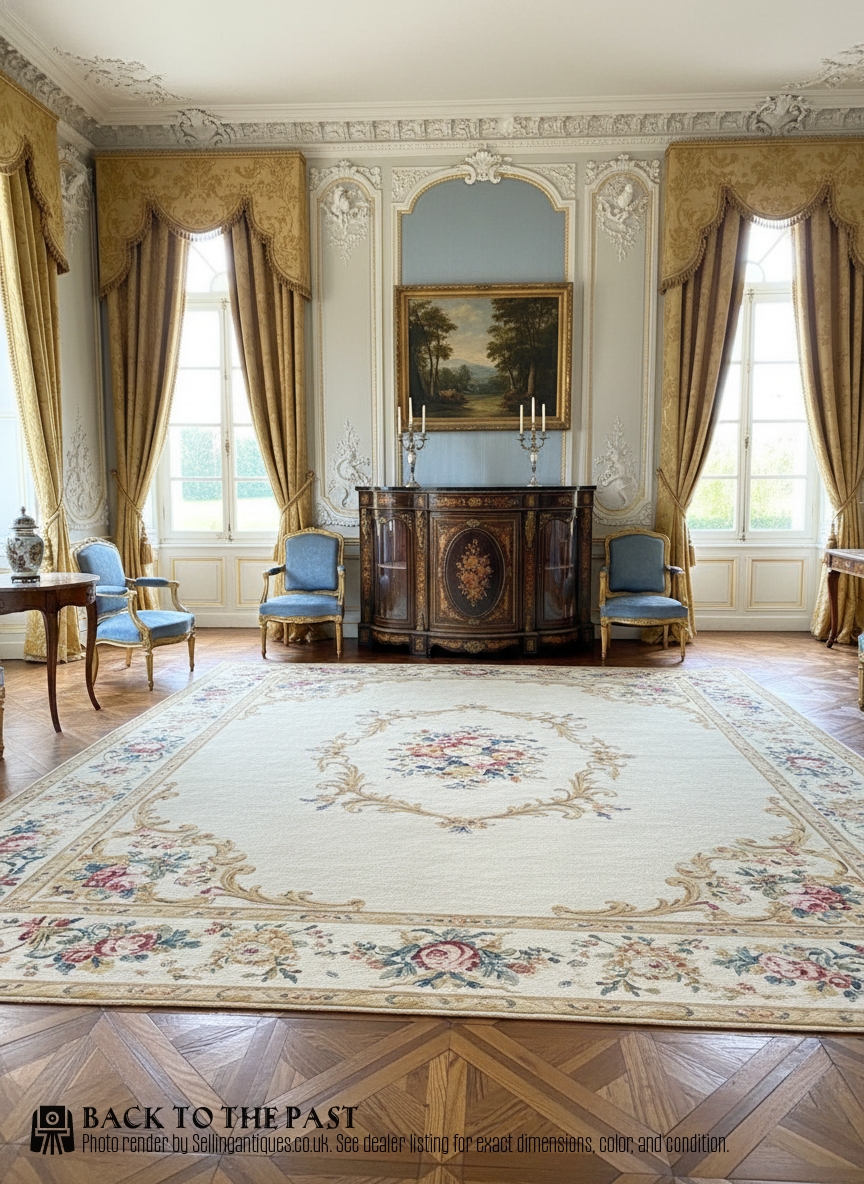
An antique ebonised credenza brings dramatic nineteenth-century presence to a room through dark polished timber and gleam of metal mount.
Antique Ebonised Credenza
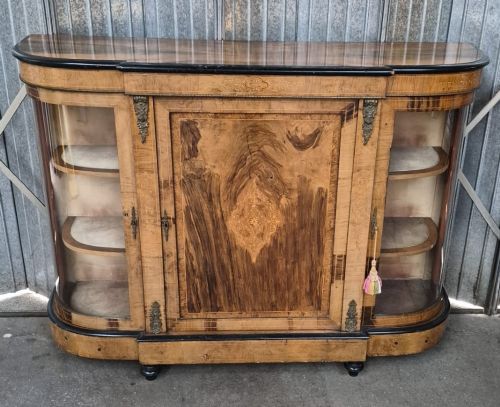
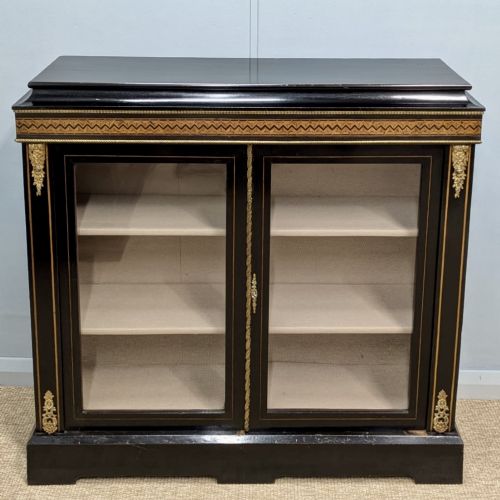
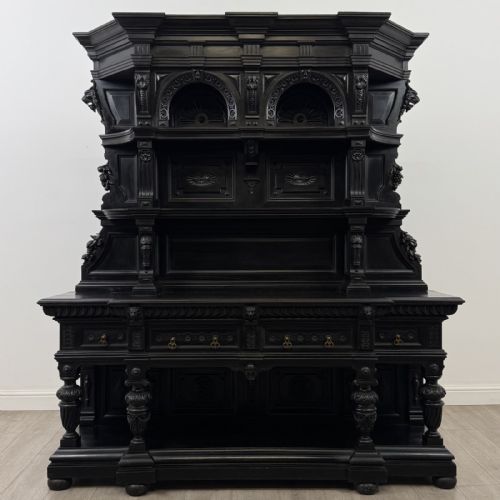
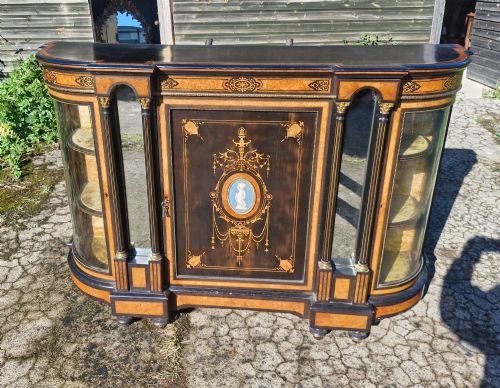
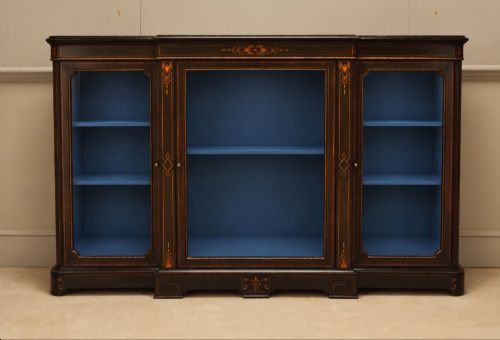
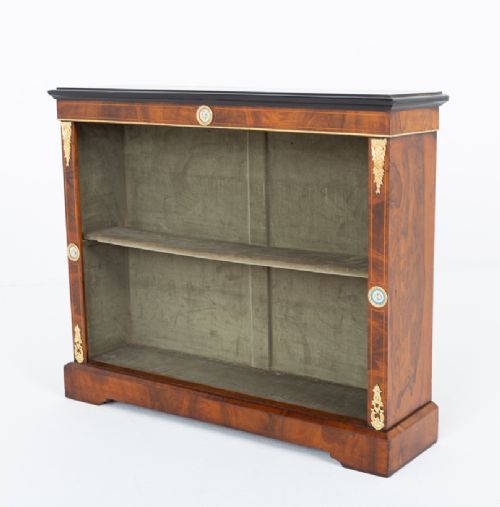
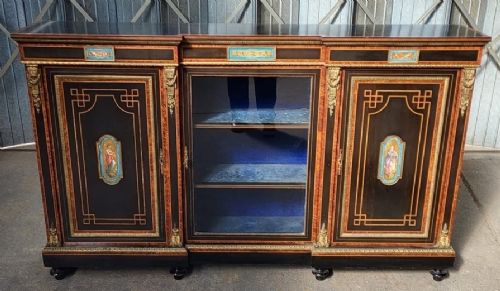
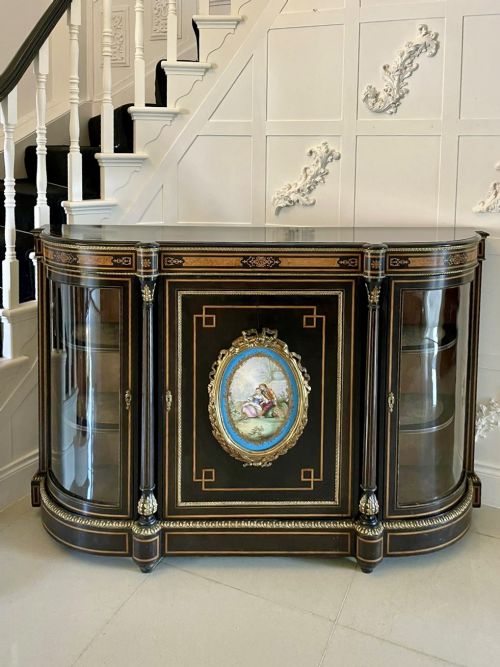
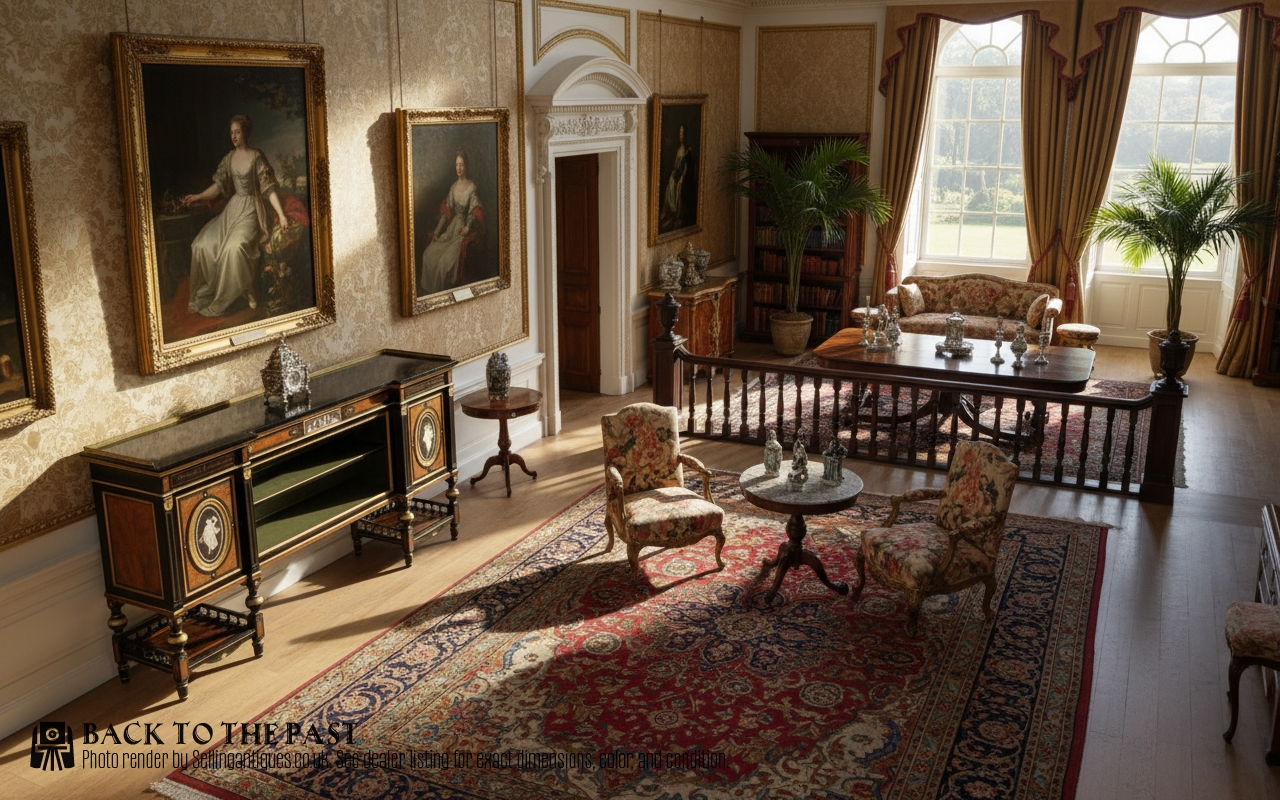
An antique ebonised credenza is a low freestanding cabinet designed for display and storage, appearing most frequently in Victorian and nineteenth-century forms. These pieces often feature glazed central doors flanked by curved side cupboards, serving as a focal point in a reception room.
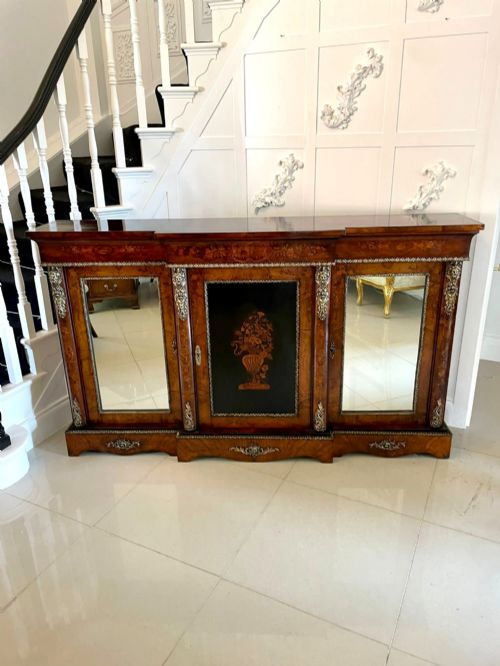
The selection ranges from English Victorian marquetry examples to French Napoleon III cabinets with brass and tortoiseshell inlay. Alongside traditional credenzas, related side cabinets and pier cabinets share the dark ebonised finish and decorative ambition of the period.
Materials and technique
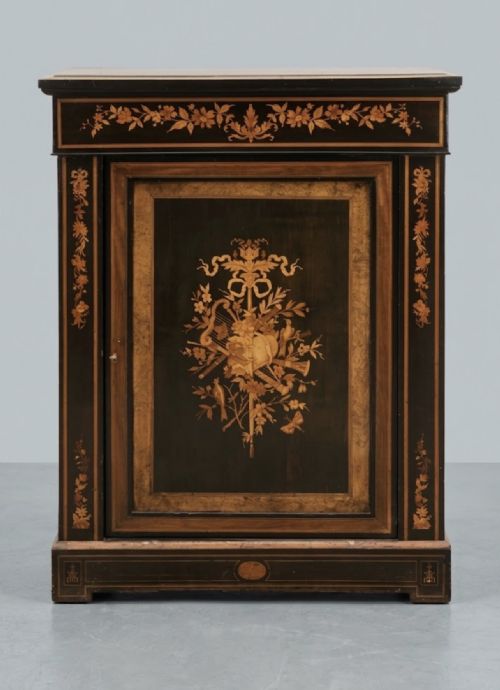
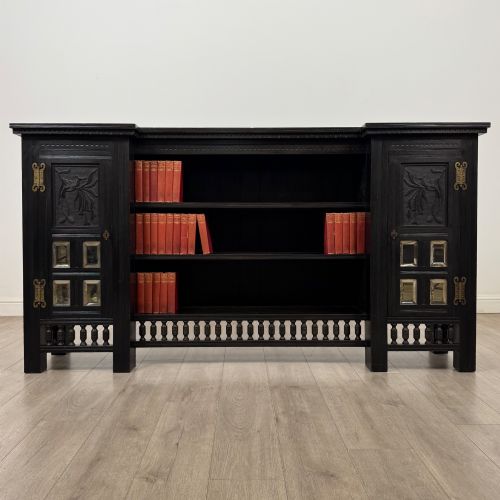
Carpeneters built these cabinets using foundational timbers like walnut, oak, or mahogany, applying a deep black stain or polish to imitate costly ebony. This dark ebonised surface provided a high-contrast background for intricate marquetry, brass stringing, and tortoiseshell work.
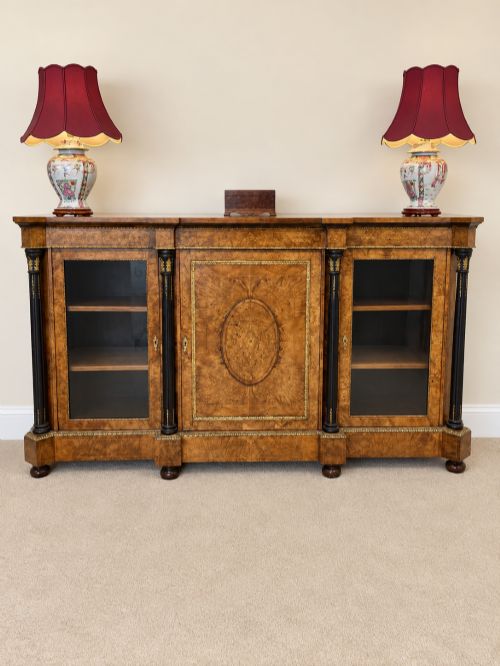
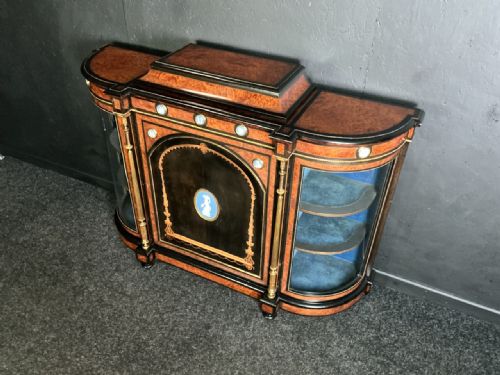
Gilded bronze and ormolu mounts frame the doors and corners, while porcelain plaques and marble tops add colour and weight. Amboyna, burr walnut, and rosewood veneers supply lighter panels that set off the dark framework.
Antique Ebonised Credenza Retail Price Guide 2026
Typical asking prices for ebonised credenza among the pieces listed under this phrase on Sellingantiques today, from the lower quarter to the upper quarter. They describe what is for sale here now, not the wider market.
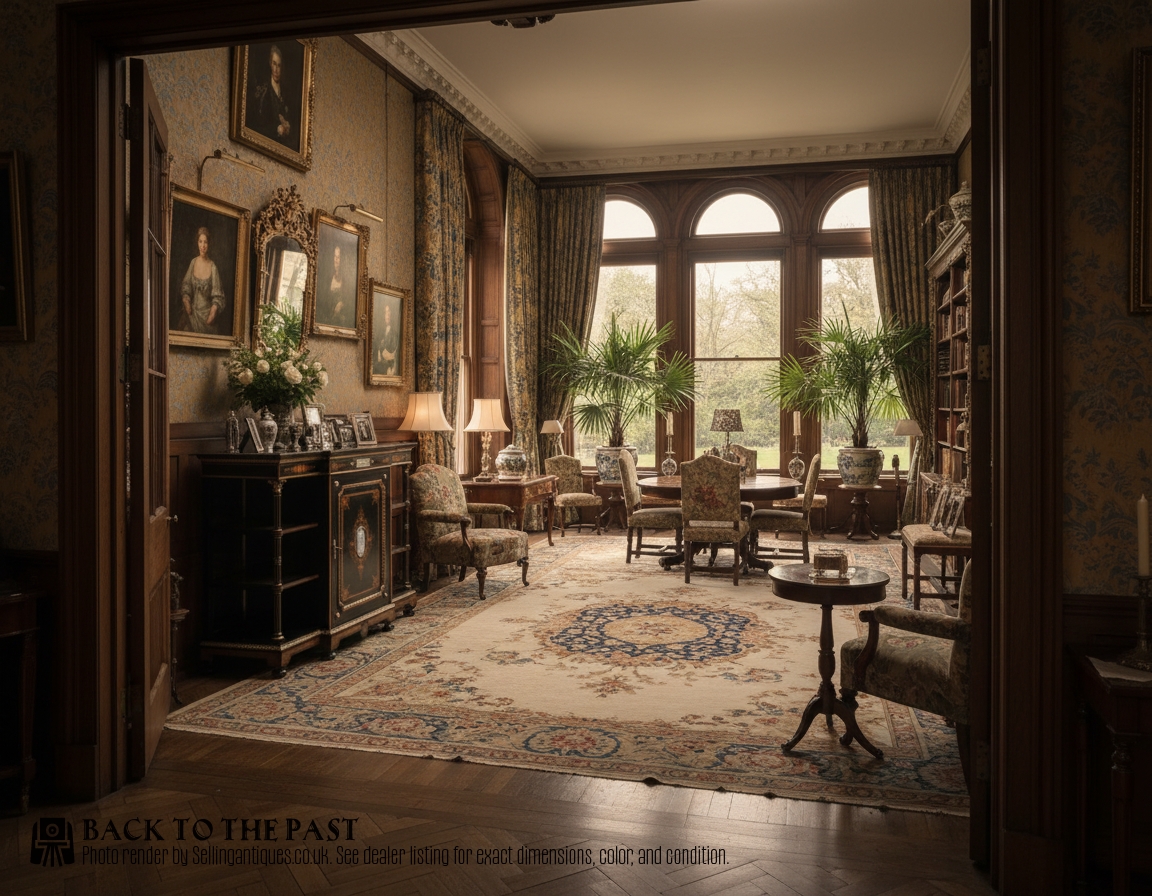
Tortoiseshell and brass inlay catch the dim light of an evening room like small submerged fires.
Distinctions in quality
The sophistication of the timber preparation and the crispness of the marquetry dictate the upper tier of these pieces. Cabinets bearing the signatures of established workshops demonstrate superior joinery and more refined internal fittings.
Lamb of Manchester·Garnett and Sons·Gillow
The Antique Ebonised Credenza Glossary
- Ebonised
- Wood treated with stain or polish to achieve the dense black appearance of ebony. This finish gained immense popularity during the nineteenth century for furniture mimicking exotic hardwoods.
- Ormolu
- Gilded bronze applied to furniture mounts and decorative details. The technique involves coating metal in a gold amalgam and heating it to leave a durable metallic layer.
- Marquetry
- Inlay work forming decorative patterns using thin veneers of various woods. Artisans cut contrasting timber pieces to create floral or geometric scenes across the cabinet doors.
- Boulle
- A method of marquetry combining brass and tortoiseshell developed by French craftsmen. The contrasting materials create a striking reflective pattern across the surface of the piece.
- Pier cabinet
- A narrow cabinet designed to stand against the wall space between windows. These upright display pieces share the aesthetic vocabulary of larger credenzas.
Antique Ebonised Credenza: Frequently Asked Questions
Where should I place an antique credenza?
These low cabinets suit a dining room, hallway, or principal reception space where their long proportions anchor the wall. Their shallow depth allows them to sit comfortably without dominating the floor area.
Position the piece away from direct sunlight and heating vents to protect the delicate wood veneers and ebonised finish from drying out or cracking over time.
How do I care for ebonised wood?
Dust the surface regularly with a soft dry cloth and avoid commercial silicone polishes that build up a greasy film. Gentle application of specialist wax preserves the deep sheen of the black finish.
Keep glass panels clean using standard non-ammonia cleaner applied to a cloth rather than sprayed directly near the wood and metal mounts.
What is the difference between a credenza and a sideboard?
A credenza is traditionally a low cabinet featuring display glazing and decorative marquetry, intended for showing ceramics and glassware. Sideboards often stand taller and focus more on practical dining storage with drawers and cupboards.
Nineteenth-century makers frequently blurred these definitions, resulting in hybrid titles across English and French workshop output.
How can I distinguish French and English pieces?
French pieces from the Napoleon III period frequently employ elaborate boulle work, tortoiseshell, and heavy ormolu mounts with a flamboyant serpentine profile. English Victorian examples lean toward disciplined walnut marquetry and subtle amboyna banding.
Examining the internal carcase timbers and construction joints also helps reveal the likely workshop origin of the cabinet.