

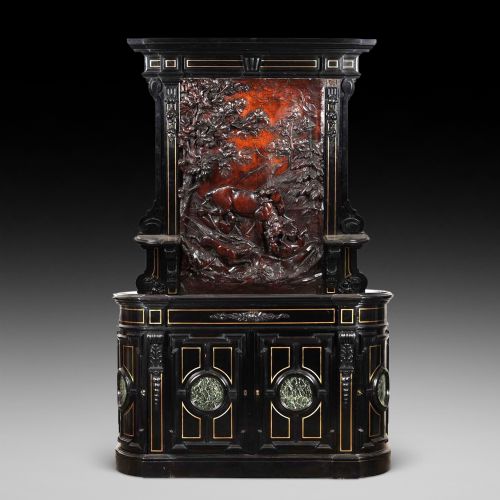
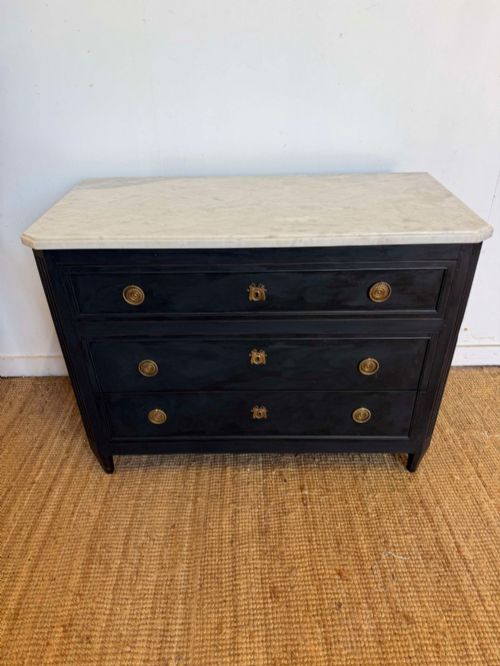
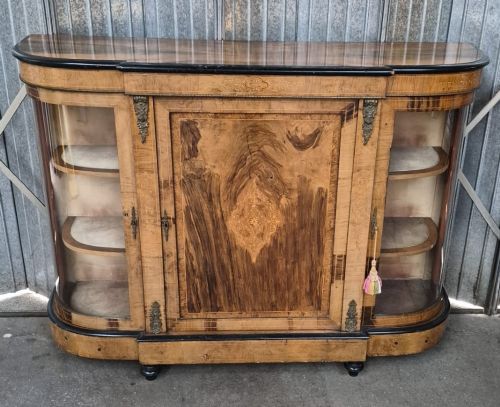
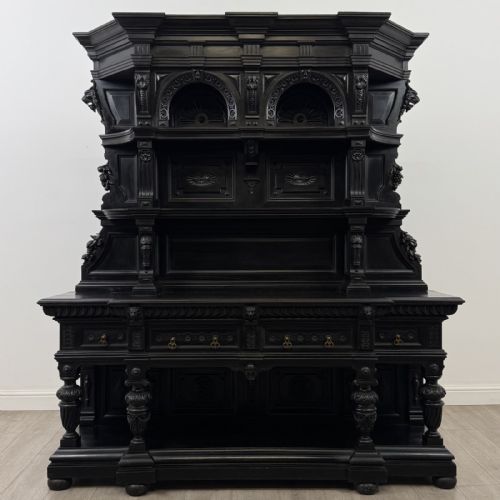
Antique Ebonised Sideboard
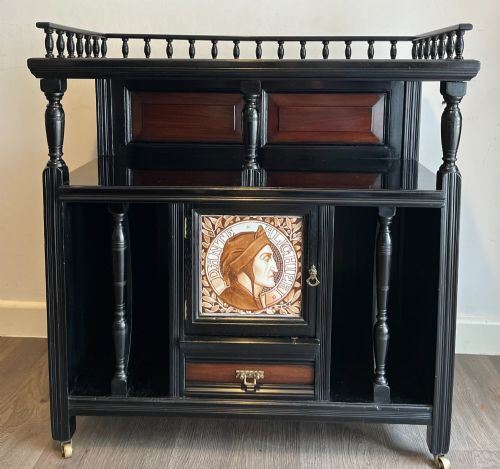
These pieces combine deep-toned dark timber with precise craftsmanship, making an antique ebonised sideboard a commanding presence in a room.
Antique Ebonised Sideboard
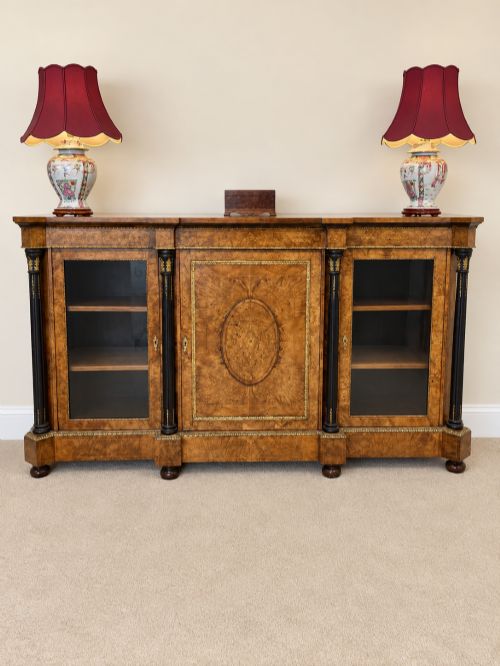
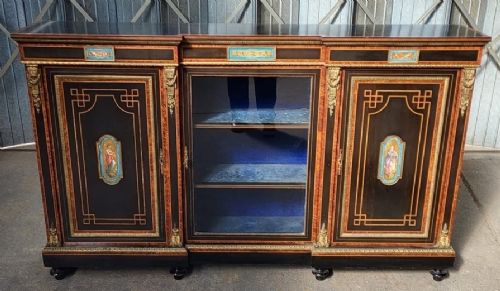
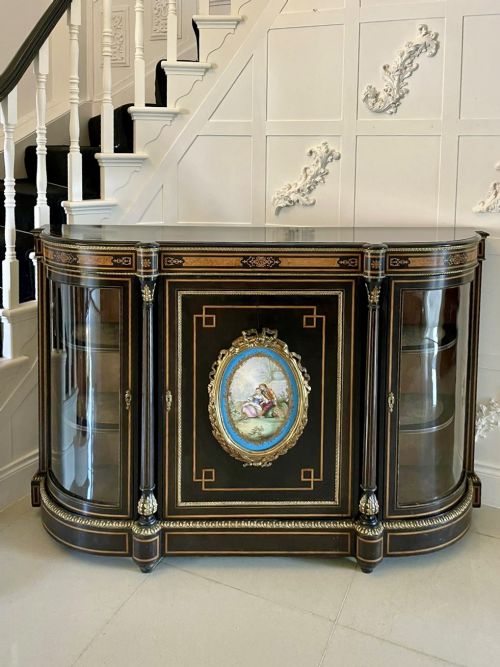
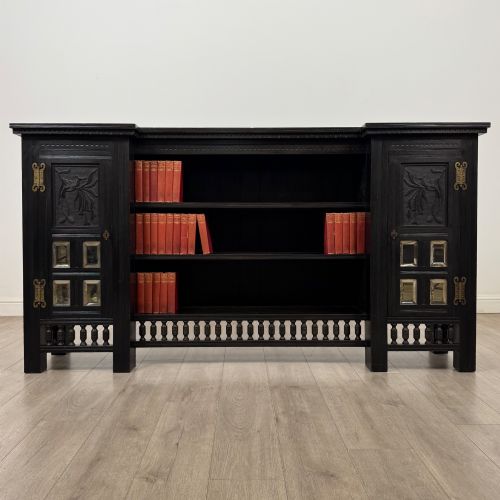
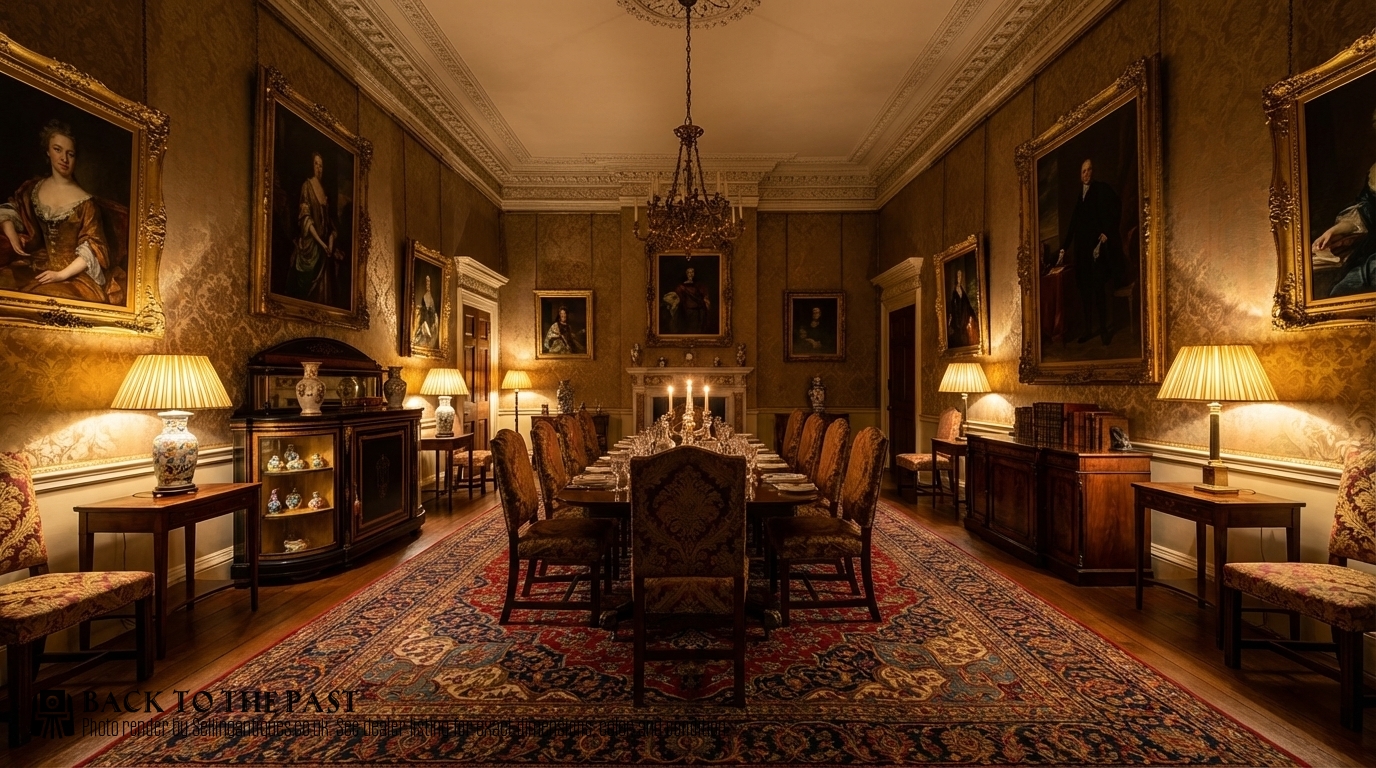
An antique ebonised sideboard encompasses a variety of low storage furniture designed for dining rooms and drawing rooms, frequently appearing as credenzas, side cabinets, and breakfront bookcases.
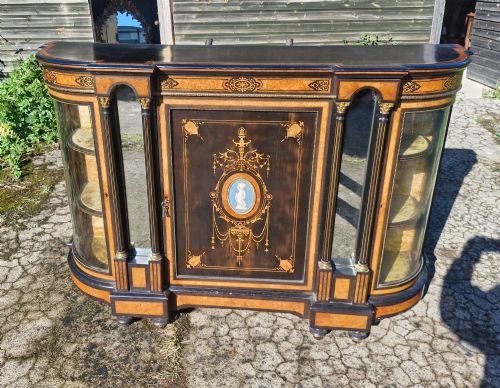
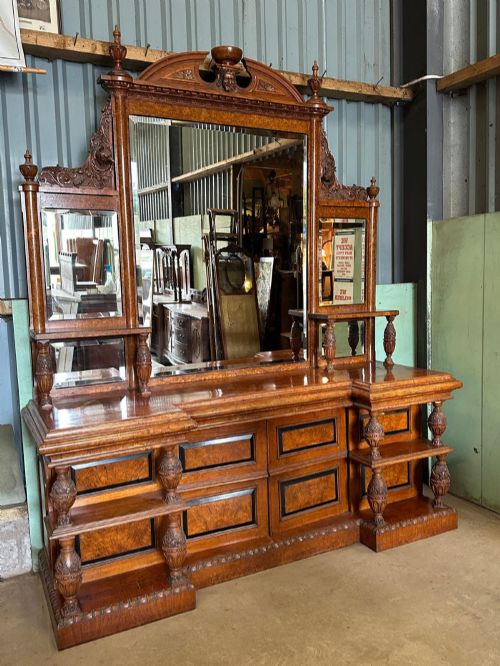
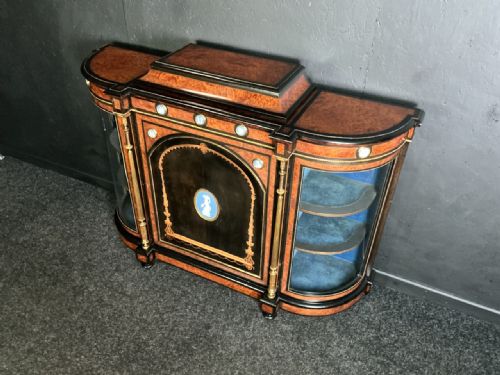
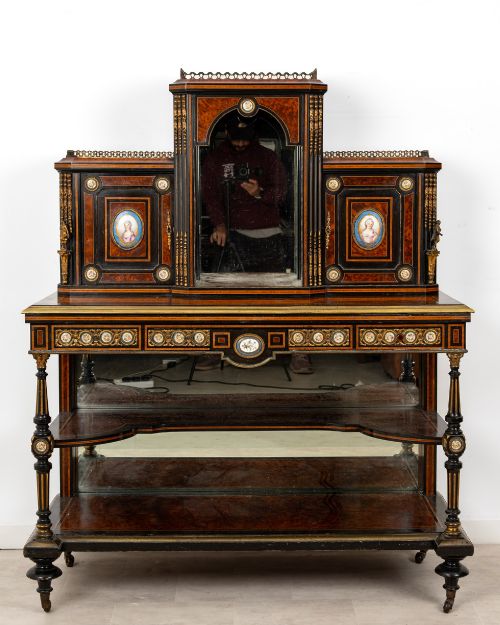
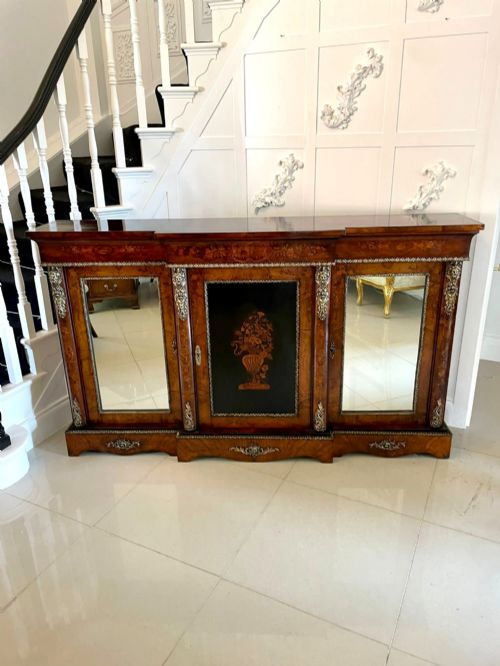
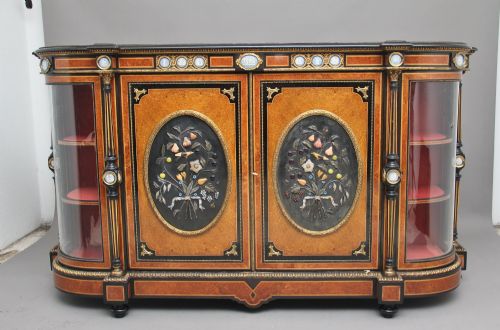
Victorian examples dominate the selection, often taking the form of glazed or mirrored credenzas featuring detailed marquetry and gilt mounts.
Continental pieces from France and Italy introduce Napoleon III and Boulle styles, alongside Austrian and English works from the nineteenth century.
Materials and Technique
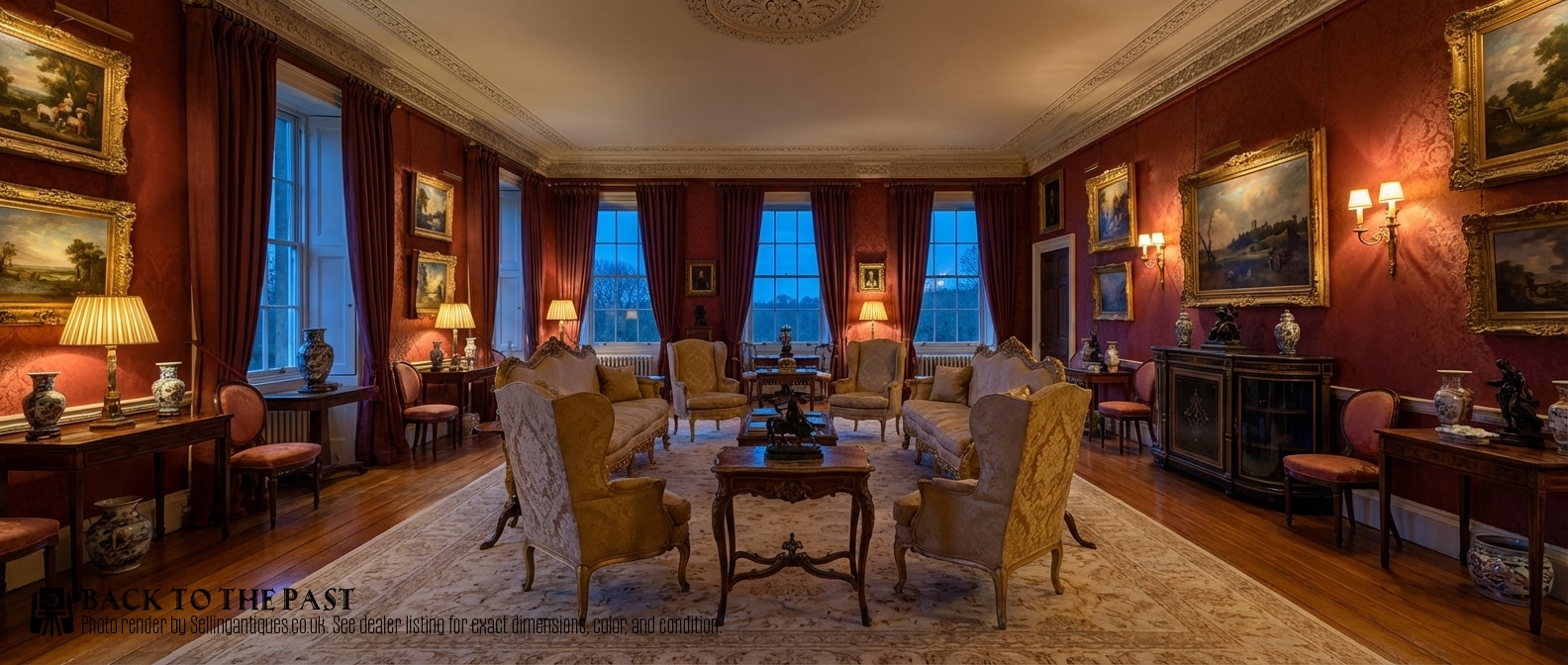
Cabinet makers utilised carcases of timber such as walnut, oak, and pine, applying an ebonised finish to simulate costly ebony wood.
Surface decoration frequently involved intricate floral marquetry, brass inlay, and tortoiseshell work in the Boulle manner, complemented by cast ormolu mounts and marble tops.
Antique Ebonised Sideboard Retail Price Guide 2026
Typical asking prices for ebonised sideboard among the pieces listed under this phrase on Sellingantiques today, from the lower quarter to the upper quarter. They describe what is for sale here now, not the wider market.
Several cabinets manage to smuggle Gothic arches and floral marquetry into the same piece of furniture.
Judging the Standard
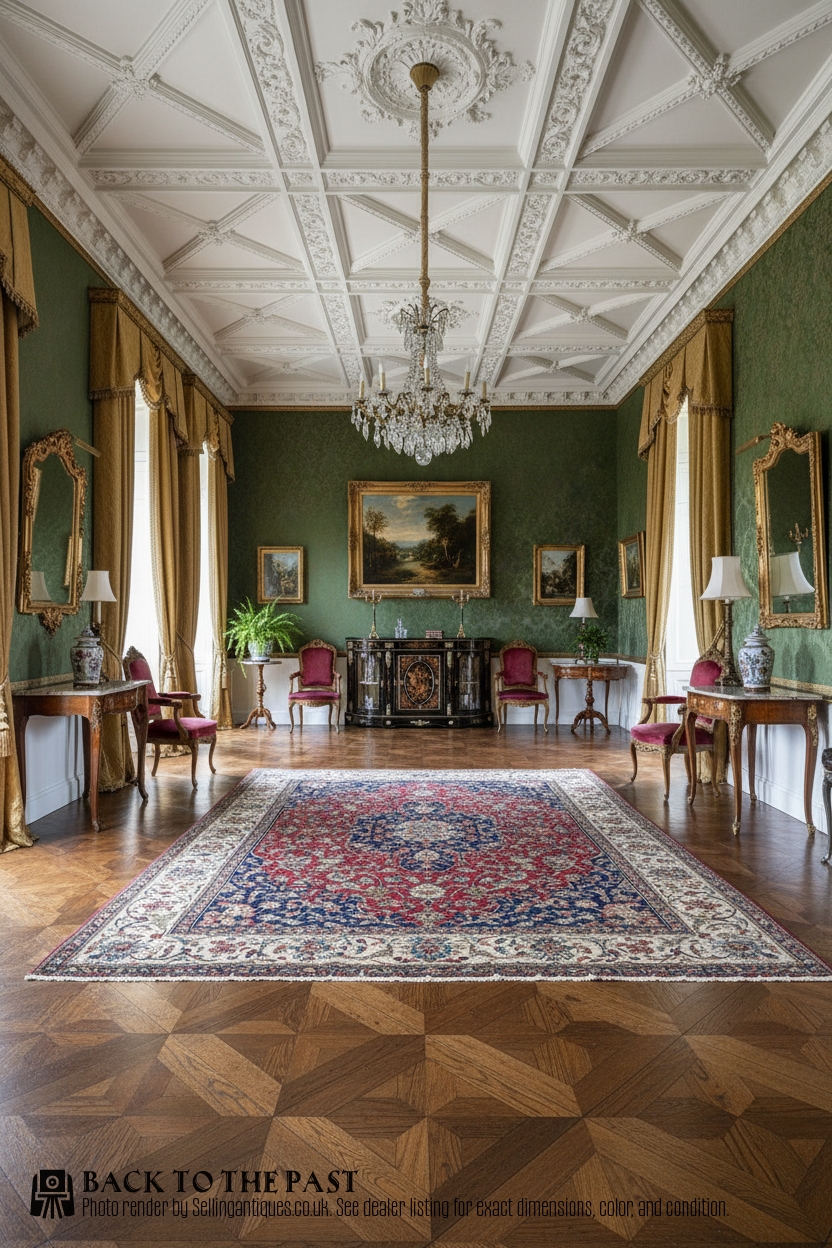
The degree of refinement in the hand-cut marquetry and the crispness of the cast brass or ormolu mounts separate standard production from superior examples.
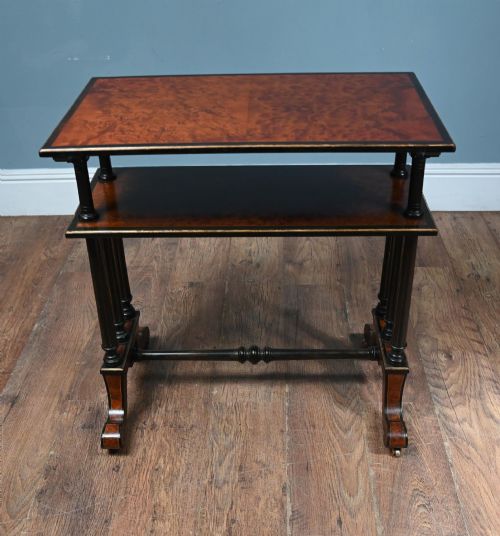
Structural integrity, the depth of the ebonised finish, and the integration of secondary woods such as amboyna or burr walnut dictate the standing of a piece.
August Ungethüm·Garnett and Sons·Gillow·Lamb of Manchester
The Antique Ebonised Sideboard Glossary
- Ebonised
- Timber treated with stain, paint, or polish to imitate solid ebony wood. This finish gained immense popularity during the Victorian and Aesthetic Movement periods.
- Credenza
- A low cabinet or sideboard, frequently featuring glass doors and central shelving. Originating in Italy, it became a staple of nineteenth-century drawing rooms.
- Ormolu
- Gilded bronze mounts applied to furniture for decorative effect. The technique involves mercury amalgamation, creating a rich metallic lustre.
- Marquetry
- Inlaid patterns of wood veneer forming pictorial or geometric designs. Craftsmen carefully cut contrasting timbers to fit flush within the surface.
- Boulle
- A style of marquetry utilising brass and tortoiseshell inlay. Developed in seventeenth-century France, it experienced a major revival in nineteenth-century furniture.
Antique Ebonised Sideboard: Frequently Asked Questions
How do I identify a true ebonised finish?
Examine areas of wear or underside surfaces to see the underlying timber grain beneath the dark coating. Authentic period pieces generally show age-appropriate crazing and wear in the polish.
Makers frequently ebonised fruitwood or mahogany to achieve a uniform black surface without the expense of solid ebony.
Where were these sideboards placed in period homes?
Credenzas and side cabinets typically stood against principal walls in dining rooms or formal drawing rooms. They served both to display porcelain and ornaments and to store dining silver.
Pieces with mirrored backs helped to reflect candlelight and brighten dark Victorian interiors.
How do I care for marble-topped cabinets?
Wipe marble surfaces with a soft, damp cloth and avoid acidic liquids that can etch the polished stone. Regular dusting prevents particulate accumulation in porous areas.
Keep wooden frames polished with traditional wax to maintain the depth of the dark finish.
What distinguishes Victorian from Napoleon III pieces?
Victorian cabinets often lean towards heavily carved walnut, burr veneers, and structured marquetry. Napoleon III examples frequently showcase elaborate Boulle work and curved serpentine shapes.
French pieces tend to feature more prominent ormolu mounts and glossy black finishes.