
Edwardian Inlaid Side Cabinet
An edwardian inlaid side cabinet combines delicate decorative timber work with practical storage, offering a refined focal point for any room.
What They Are
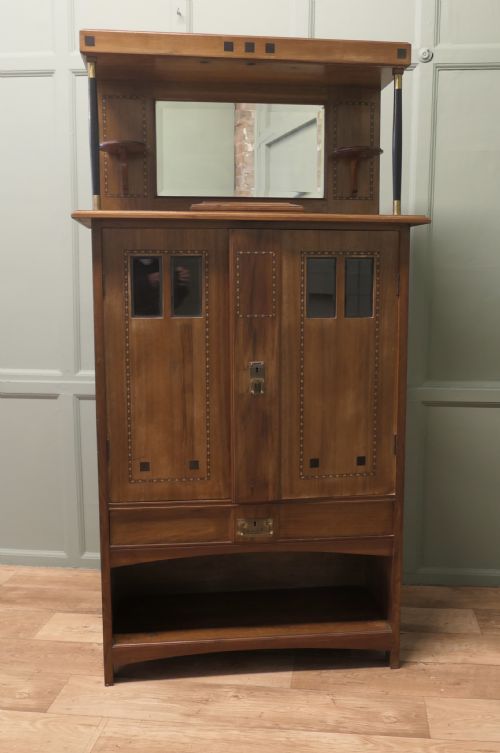
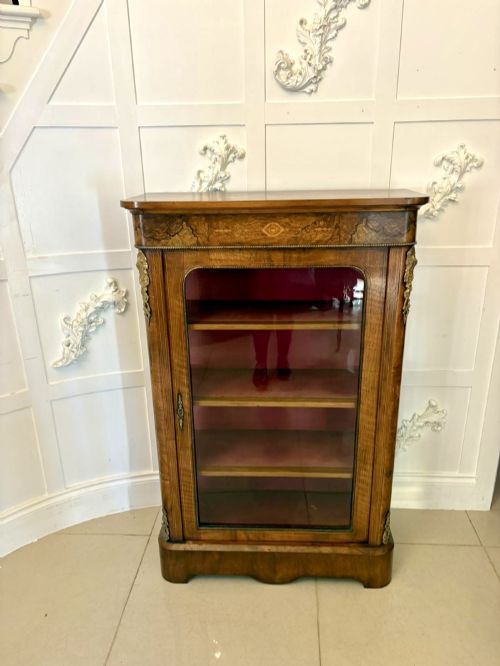
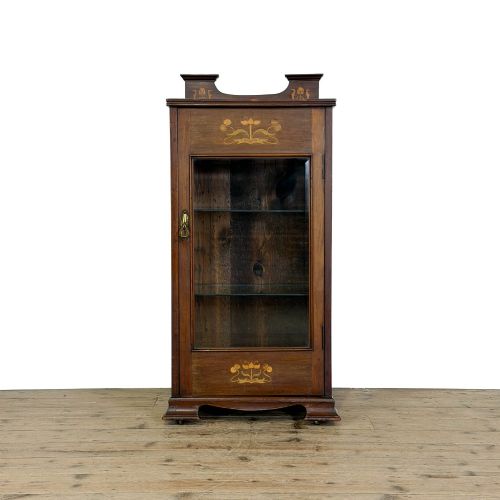
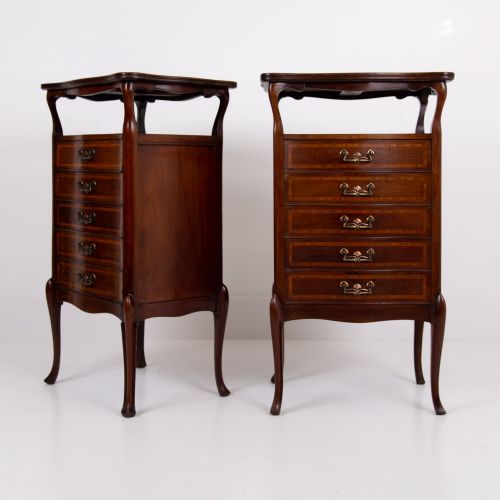
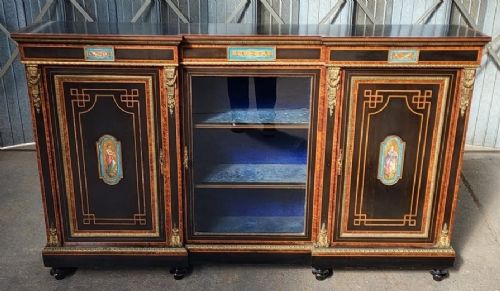
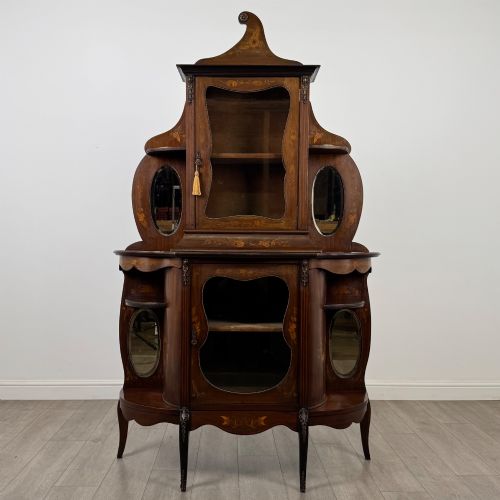
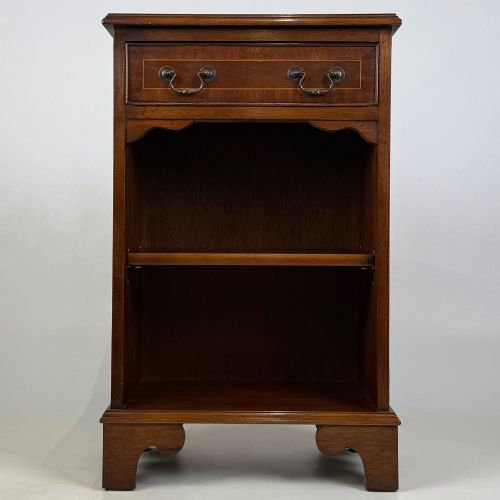
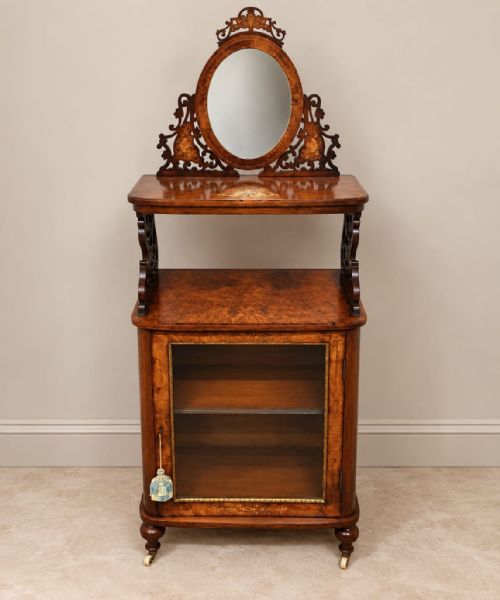
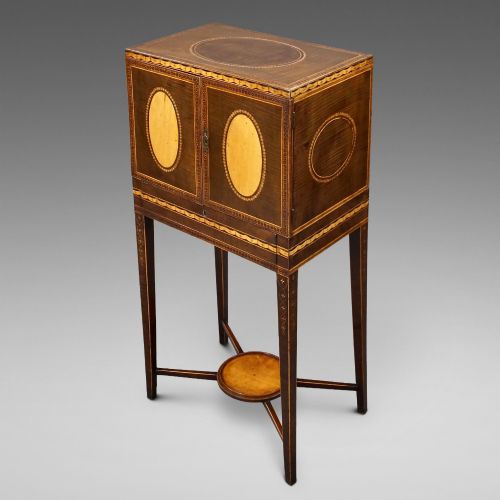
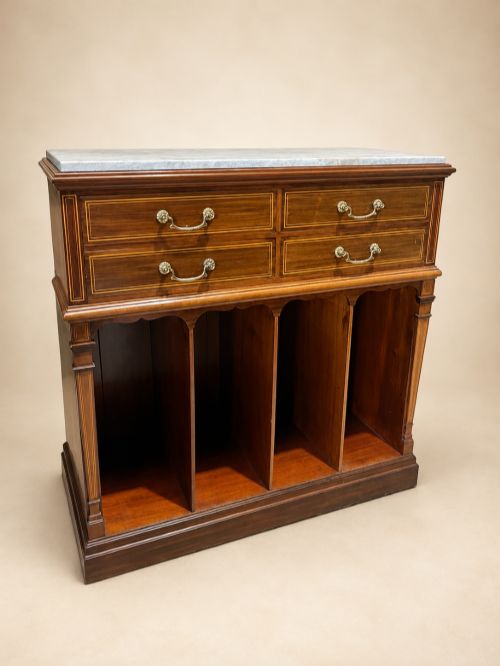
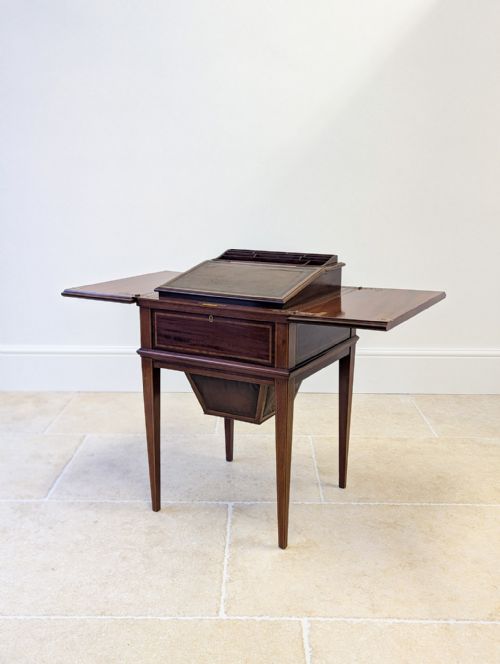
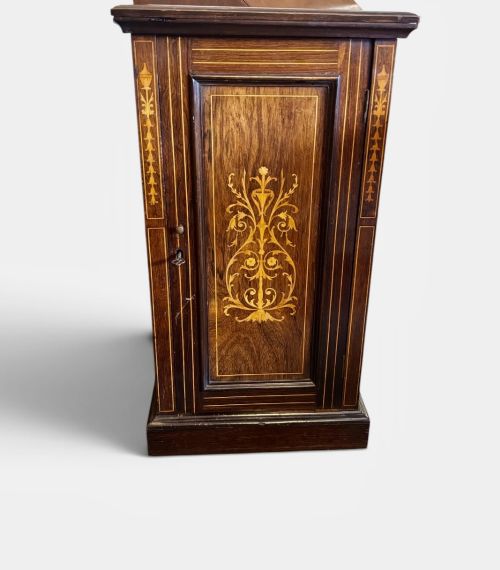
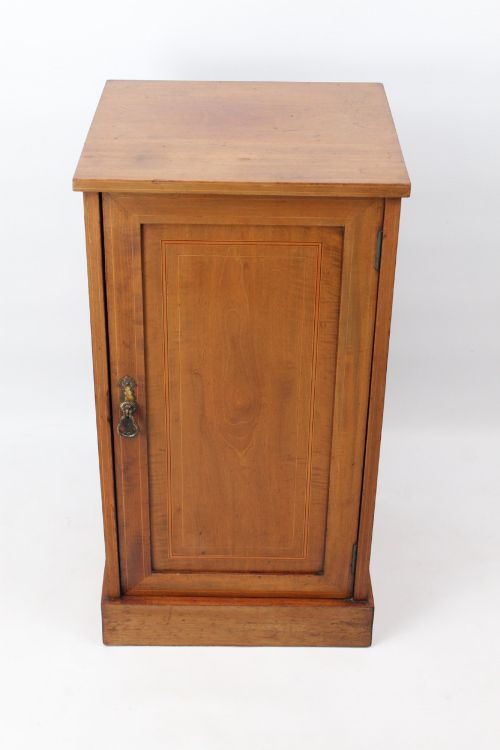
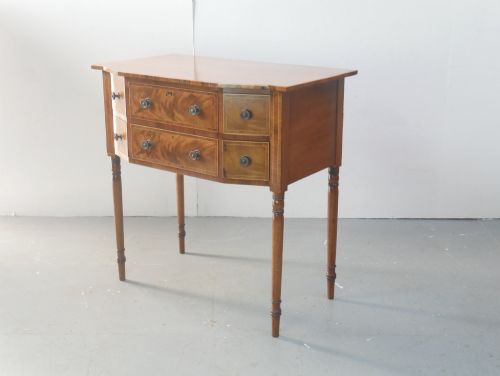
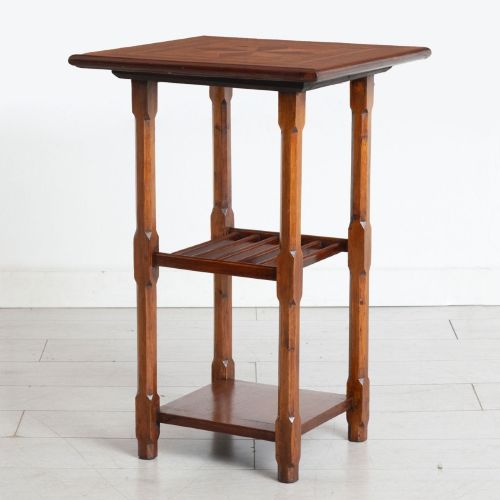
An edwardian inlaid side cabinet represents a fusion of utility and ornamental design from the late nineteenth and early twentieth centuries. These pieces encompass various forms including bedside cabinets, display cabinets with glass doors or mirror backs, and dedicated music cabinets.
The prevailing aesthetic draws on Edwardian, Art Nouveau, Sheraton Revival, and Neoclassical styles. Most examples date from the Edwardian period or around nineteen hundred, while others stretch back into the late nineteenth century.
Mahogany forms the primary carcass wood for many examples, often paired with contrasting light timbers for decorative effect. Buyers also encounter pieces constructed from rosewood, walnut, satin birch, and French kingwood.
What Varies in Quality
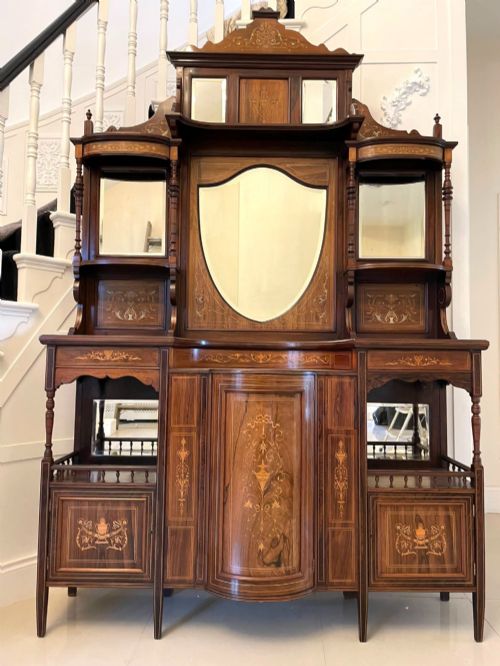
The standard of an edwardian inlaid side cabinet depends upon the precision of the timber matching and the intricacy of the inlay work. Finer examples display tight, seamless joints where contrasting wood veneers meet without visible gaps.
Material selection dictates the upper tier of pieces, where choice timbers like figured mahogany, rosewood, or French kingwood are paired with hand-cut marquetry rather than simpler geometric stringing. Structural integrity, original brass fittings, and intact mirror backs or glazed panels further separate standard production items from superior workshops.
Retail Price Guide 2026
Typical UK retail prices for edwardian inlaid side cabinet, calculated from the Sellingantiques database of over a million retail prices indexed since 2003. This retail price guide relies exclusively on Sellingantiques data; no external sources or auction records are used, so the figures do not describe the wider market.
Music cabinets provided genteel Victorian and Edwardian households a tidy home for sheet music before the piano went quiet.
Shapland and Petter
The Edwardian Inlaid Side Cabinet Glossary
- Inlay
- The technique of inserting pieces of contrasting wood into a recessed wooden surface to form a decorative pattern. This method creates flat ornamentation across doors and drawer fronts.
- Marquetry
- Elaborate wood inlay assembled to form pictorial or scrollwork designs using various coloured veneers. It appears frequently on the finest Edwardian and late Victorian pieces.
- Satinwood
- A durable, lustrous yellowish timber utilised for contrasting stringing or complete veneering on high-grade cabinets. Its bright tone highlights detailed marquetry motifs.
- Breakfront
- A cabinet design where the central section projects forward from the flanking sides. This architectural feature adds depth and shadow to larger side cabinets.
- Serpentine
- A gentle undulating curve shaping the front of a cabinet, moving outward at the centre and inward at the ends. This sophisticated form requires expert woodworking skill.
Frequently Asked Questions
What is an edwardian inlaid side cabinet?
An edwardian inlaid side cabinet is a small storage furniture piece produced around the turn of the twentieth century. These items feature decorative wood inlay across surfaces like mahogany or rosewood.
They serve multiple functions across the home, appearing as bedside tables, music cabinets, or glazed display units in living spaces.
How do I identify an edwardian piece?
Edwardian furniture typically displays lighter timbers, refined proportions, and delicate decorative elements compared to heavy Victorian designs. Look for Sheraton Revival influences and subtle boxwood stringing.
Dates generally centre around nineteen hundred, though stylistic overlaps with late nineteenth century and early twentieth century work occur frequently.
Where were these cabinets used?
These cabinets functioned primarily as bedside storage, music sheet holders, or parlor display units for decorative objects. Their compact size allowed placement in bedrooms, drawing rooms, and hallways.
Mirrored backs and glazed doors on specific variants helped reflect light and showcase porcelain or glassware within formal rooms.
What woods were used?
Makers predominantly worked with mahogany as a base structure, alongside rosewood, walnut, and satin birch. French kingwood also appears on more elaborate imported or high-end items.
Contrasting woods like satinwood and boxwood were specifically selected for detailed marquetry and geometric stringing inlay patterns.
How do I care for my cabinet?
Protect the polished wood surfaces by avoiding direct sunlight and maintaining stable indoor humidity levels. Gentle dusting with a dry cloth preserves the delicate veneer and inlay.
Avoid liquid polishes containing harsh silicones, opting instead for traditional beeswax applied sparingly to maintain the natural lustre of the timber.